

Finding the right place to develop your chess skills can feel overwhelming. With countless options available in 2026, from online platforms to traditional in-person clubs, how do you identify a truly premier chess academy that will take your game to the next level? Whether you're a beginner taking your first steps or an intermediate player looking to break through to the next level, understanding what separates exceptional chess education from mediocre instruction is crucial for your development.
What Defines a Premier Chess Academy?
A premier chess academy isn't just about having grandmasters on staff or fancy facilities. It's about creating an environment where players genuinely improve through structured, evidence-based teaching methods.
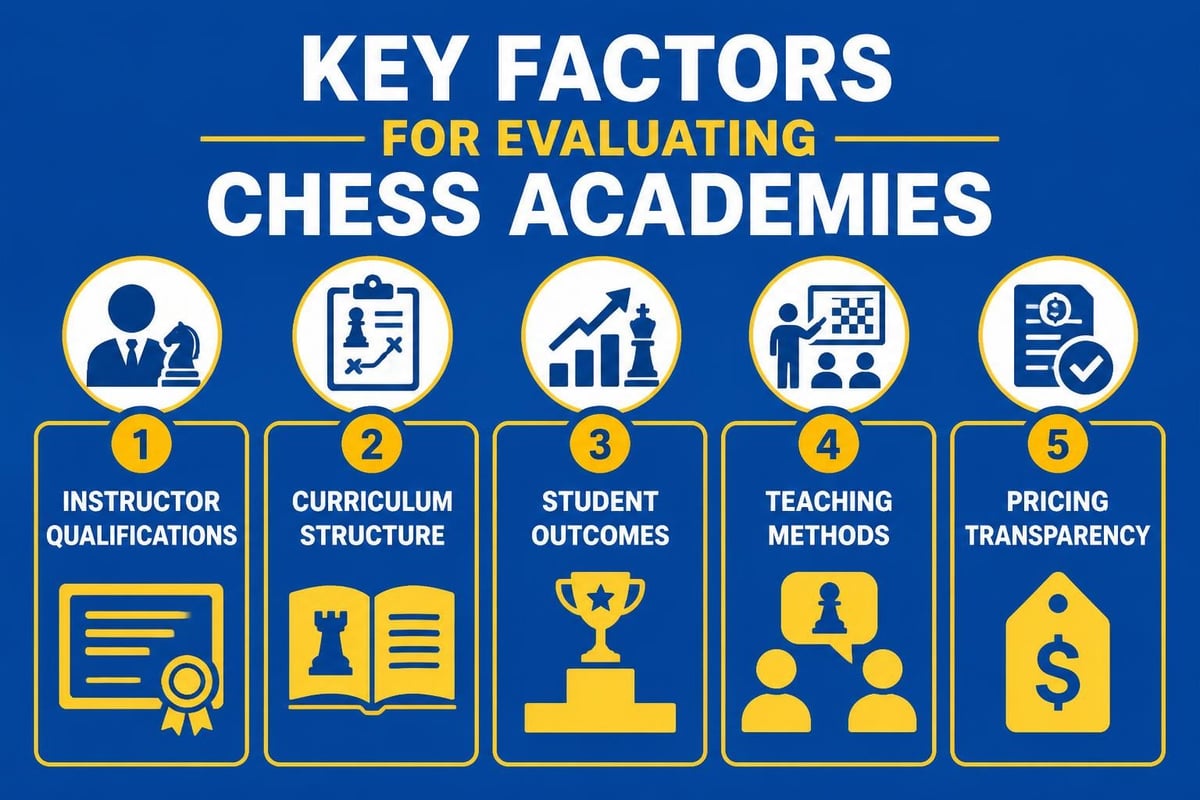
The hallmark of quality chess education lies in three fundamental areas: curriculum design, instructor expertise, and student outcomes. When you're evaluating any chess training program, these elements should form the foundation of your assessment. A truly exceptional academy will excel in all three, not just one or two.
Structured Curriculum and Teaching Methodology
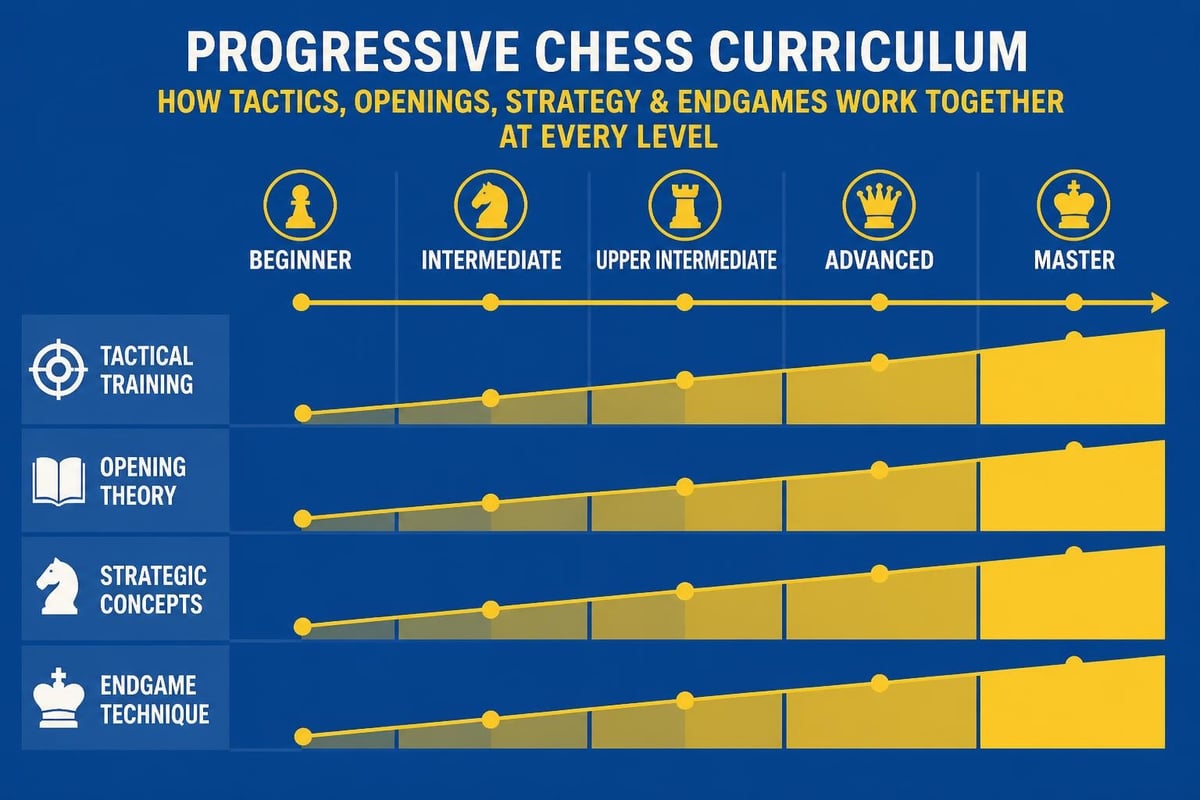
You've probably encountered chess "instruction" that amounts to little more than playing games and receiving vague feedback. A premier chess academy develops systematic curricula that build skills progressively. According to research on evaluating online chess instruction platforms, structured teaching methodologies significantly impact learning outcomes.
What does structured teaching actually look like in practice?
- Sequential skill development that builds from fundamentals to complex concepts
- Measurable milestones so you can track your progress objectively
- Diverse learning formats including theory, tactics, strategy, and endgames
- Regular assessment to identify strengths and weaknesses
The best academies don't just throw chess puzzles at you randomly. They integrate tactical training with opening preparation, strategic understanding with endgame technique, creating a comprehensive learning experience that mirrors how chess mastery actually develops.
The Instructor Quality Factor
Who's actually teaching you matters enormously. A premier chess academy invests in quality instructors who can do more than just play chess well-they can teach effectively.
Beyond Playing Strength
Here's something that surprises many players: a grandmaster isn't automatically a great teacher. Teaching chess requires a distinct skill set that includes patience, communication ability, and the capacity to break down complex positions into digestible concepts.
When finding a chess coach, consider these qualities:
- Clear communication that adapts to your level
- Structured lesson plans rather than random game analysis
- Ability to identify your specific weaknesses
- Experience teaching students at your rating level
- Positive attitude that keeps you motivated
The instructor-to-student ratio also matters significantly. Individual attention helps you progress faster, which is why many premier academies offer both group sessions for general learning and private lessons for personalized guidance.
Training Methods That Actually Work
You want results, not just hours spent studying. The most effective chess training combines multiple approaches that reinforce each other.
| Training Method | Purpose | Frequency |
|---|---|---|
| Tactical puzzles | Pattern recognition | Daily |
| Opening study | Repertoire development | 2-3 times weekly |
| Game analysis | Understanding mistakes | After each game |
| Endgame drills | Technical precision | 2-3 times weekly |
| Tournament play | Practical application | Weekly/Monthly |
This balanced approach, discussed in detail in effective chess training methods, ensures you're developing all aspects of your game simultaneously. A premier chess academy implements this variety naturally within its program structure.
The Role of Technology in Modern Chess Education
Technology has transformed chess education completely. The best academies in 2026 leverage digital tools without losing the human element that makes teaching effective.
Online platforms allow for:
- Database access to millions of games for pattern study
- Engine analysis to understand critical positions deeply
- Video lessons that you can review at your own pace
- Remote coaching from instructors worldwide
However, technology should enhance instruction, not replace it. You still need human guidance to interpret engine suggestions and understand the broader strategic concepts behind specific moves. If you're exploring self-study options, resources like free online chess courses can supplement formal instruction effectively.
Evaluating Academy Options in Your Area
Let's get practical. How do you actually assess whether a chess academy meets premier standards?
Questions to Ask During Your Search
When you're comparing options, dig deeper than surface-level marketing claims. Here's what you should investigate:
About the Program:
- What's the typical rating improvement for students at my level?
- How do you assess students and create personalized learning plans?
- What's the student-to-instructor ratio in group classes?
- Can I see sample lesson plans or curriculum outlines?
About Credentials:
- What are the qualifications and teaching experience of the instructors?
- Does the academy have any students who've achieved notable results?
- Are there testimonials or reviews from current or former students?
About Logistics:
- What's the time commitment expected weekly?
- How flexible is the scheduling?
- What materials or resources are included in the tuition?
Don't be afraid to ask for a trial session. A premier chess academy should be confident enough in its teaching quality to let you experience it firsthand before committing.
The Cost-Value Equation
Chess education isn't cheap, and you deserve to understand what you're paying for. Premier academies typically charge more than casual clubs, but you're investing in expertise, structure, and proven results.
Understanding Pricing Models
| Model | Typical Cost Range | Best For |
|---|---|---|
| Group classes | £30-80/month | Beginners, social learning |
| Private lessons | £40-120/hour | Personalized attention |
| Online subscriptions | £15-50/month | Self-motivated learners |
| Intensive camps | £200-600/week | Rapid improvement periods |
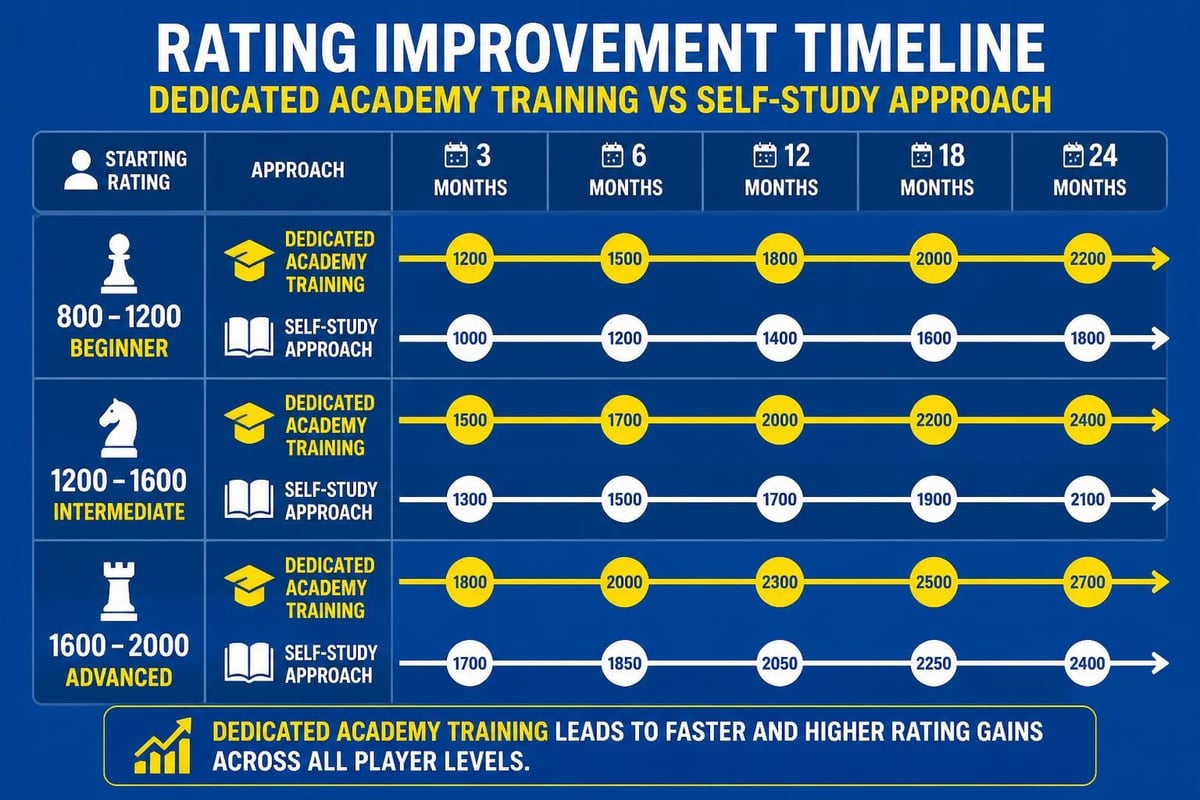
Compare these investments against your goals. If you're serious about competitive improvement, the structured approach of a premier chess academy often delivers faster results than self-study alone. However, combining formal instruction with independent resources creates the most powerful learning environment.
Resources like the Chess Cheat Sheets opening guides can complement academy training by giving you quick-reference materials for review between lessons. You don't need to choose between formal instruction and self-study-the best chess learners do both.
Different Academy Models for Different Needs
Not every premier chess academy looks the same, and that's actually good news. Different structures serve different learning styles and goals.
Traditional In-Person Academies
Physical chess schools create community and face-to-face interaction that some players find invaluable. You'll sit across the board from your instructor, experience the social aspect of chess culture, and build relationships with fellow students.
The success of programs like those highlighted in Corsica's chess education revolution demonstrates how physical presence and cultural integration can transform chess education into something truly special.
Online-First Academies
Digital platforms have removed geographical barriers entirely. You can now access world-class instruction regardless of where you live. The key is finding platforms that maintain instructional quality despite the remote format.
When evaluating online options, prioritize those offering:
- Live interactive sessions, not just pre-recorded videos
- Homework review and personalized feedback
- Regular progress assessments
- Community features for peer interaction
Hybrid Approaches
Many premier academies now blend online and in-person elements, giving you flexibility while maintaining structure. You might have weekly online lessons with monthly in-person tournaments or intensive weekend workshops.
This model often provides the best of both worlds, especially if you're balancing chess improvement with work or school commitments.

Age-Specific Considerations
Your age and experience level should influence which type of academy suits you best. A premier chess academy recognizes these differences and tailors its approach accordingly.
Programs for Young Players
Children learn chess differently than adults. They need more gamification, shorter attention spans accommodated, and patient instruction that builds confidence alongside skill.
Organizations like First Move Chess Foundation have developed comprehensive curricula specifically designed for young minds, focusing on critical thinking development through chess. When evaluating academies for children, look for age-appropriate teaching methods and instructors trained in youth education.
Adult Learning Programs
If you're picking up chess as an adult or returning after a long break, you need different support. Adult learners often progress faster in opening theory but may struggle more with calculation speed and pattern recognition.
A premier chess academy serving adults should offer:
- Realistic time management that fits busy schedules
- Focused improvement on specific weaknesses rather than comprehensive curriculum
- Peer groups of similar-age students for comfortable learning
- Understanding that improvement happens differently than in childhood
Understanding chess master levels and the chess Elo system helps you set realistic goals for your improvement journey, regardless of age.
Supplementing Academy Training
Even the best premier chess academy can't do all the work for you. Success requires consistent practice and study outside of formal lessons.
Building Your Practice Routine
Between academy sessions, you should maintain regular chess activity. This doesn't mean playing blitz for hours daily-structured practice matters more than volume.
Consider this weekly framework:
- Monday/Wednesday/Friday: 30 minutes tactical puzzles
- Tuesday/Thursday: 45 minutes studying one opening deeply
- Saturday: Play 2-3 rated games with analysis afterward
- Sunday: Review your games from the week with a critical eye
Quick-reference materials help immensely here. Having access to condensed information about the most common chess openings or specific defenses like the Sicilian Defense means you can refresh your memory efficiently without diving into lengthy textbooks.
The Self-Study Component
Your academy provides structure and guidance, but developing independent learning skills accelerates your progress significantly. Learn to analyze your own games critically before bringing them to your instructor. This preparation makes lessons more productive because you arrive with specific questions rather than vague requests for feedback.
Resources like Chess Cheat Sheets' comprehensive guides serve as perfect companions to formal instruction, offering quick access to fundamental concepts when you need them.
Measuring Your Progress
How do you know if your premier chess academy is actually working? Improvement should be measurable, not just a feeling.
Objective Metrics to Track
| Metric | How to Measure | Target Improvement |
|---|---|---|
| Rating | Online/OTB rating changes | 100-200 points/year (beginner-intermediate) |
| Tactical accuracy | Puzzle solving success rate | 10% increase quarterly |
| Opening knowledge | Moves you know in main lines | Add 2-3 variations monthly |
| Endgame technique | Win percentage in winning positions | 80%+ win rate in clearly better positions |
If you're not seeing measurable progress after 3-6 months of consistent work, something needs adjusting. Either the academy's methods aren't suited to your learning style, you're not putting in adequate practice time, or the curriculum isn't properly structured.
When to Change Academies
Switching isn't giving up-it's being strategic about your development. Consider changing if:
- Progress has completely stalled despite consistent effort
- The instruction level no longer matches your advancing skills
- Teaching methods fundamentally don't resonate with how you learn
- The time commitment or cost no longer aligns with your situation
A truly premier chess academy should help you develop the skills to eventually outgrow it. That's the mark of quality education in any field.
Red Flags to Watch For
Not every academy calling itself "premier" actually deserves that designation. Protect your time and money by recognizing warning signs early.
Common Issues in Chess Education
Vague promises about rating improvement ("You'll be a master in six months!") without explaining the methodology should make you skeptical. Genuine chess improvement follows predictable patterns based on effort and current level-anyone promising miraculous shortcuts is selling fantasy.
Lack of structure in lessons suggests the instructor is winging it rather than following a coherent curriculum. If every session feels random and disconnected from the previous one, you're not getting premier education.
Instructors who only want to play games with you aren't teaching-they're enjoying themselves at your expense. Yes, training games have value, but they should be part of a broader instructional framework, not the entire lesson.
No assessment or feedback system means you're flying blind. How can you improve if nobody's identifying your specific weaknesses and tracking your progress?
If you notice these patterns, consider exploring other options. The educational landscape offers plenty of quality choices if you know what to look for.
Finding Community and Competition
A premier chess academy doesn't just teach technique-it connects you to the broader chess community and competitive opportunities.
The Tournament Pipeline
Regular competitive play is essential for applying what you learn in lessons. Quality academies either organize internal tournaments or connect students with external events appropriate to their level.
Starting with club-level tournaments builds confidence before moving to rated events. Your academy should guide this progression, helping you understand when you're ready for stronger competition and what to expect at each level.
Peer Learning Benefits
Learning alongside other improving players creates accountability and motivation. You'll see what works for others, share resources, and develop friendships centered on shared passion.
Some of the most valuable chess learning happens in post-game analysis sessions with peers at your level. You're working through similar challenges and can relate to each other's struggles in ways an advanced instructor sometimes can't.
The Long-Term Investment Perspective
Choosing a premier chess academy is about more than immediate rating gains. You're investing in a foundation that will support your chess journey for years.
Skills That Transfer Beyond Chess
Quality chess education develops:
- Analytical thinking applicable to problem-solving in any domain
- Emotional regulation from managing the ups and downs of competition
- Pattern recognition that enhances learning speed in other areas
- Strategic planning that improves decision-making generally
These cognitive benefits justify the investment even if you never become a master. You're developing mental muscles that serve you throughout life.
Building Sustainable Habits
The structure a good academy provides helps you establish consistent practice habits that endure even if you eventually move to self-directed study. Learning how to learn chess effectively is as valuable as any specific technique you acquire.
When you understand your learning process-what study methods work best, how to analyze your mistakes, how to structure practice time-you gain independence. That's when you've truly received premier education.
Selecting the right chess academy significantly impacts your improvement trajectory, but it's just one piece of the puzzle. The most successful players combine quality instruction with consistent independent practice and the right supplementary resources. Whether you're working on opening preparation or endgame technique, having streamlined reference materials makes your study time more efficient. Chess Cheat Sheets provides exactly that-comprehensive guides that distill complex chess concepts into accessible formats, perfect for reinforcing what you learn in lessons and accelerating your progress toward your chess goals.


