

Walking into the chess store for the first time can feel a bit overwhelming, can't it? You're surrounded by beautiful wooden sets, sleek modern designs, electronic boards, and endless accessories. Whether you're shopping for yourself or looking for the perfect gift for a chess enthusiast, knowing what to look for makes all the difference. In this guide, we'll walk through everything you need to consider when visiting the chess store, from understanding quality markers to finding the right size and style for your needs.
Understanding What the Chess Store Offers
When you step into the chess store, you'll immediately notice the sheer variety of options available. But what are you actually looking at?
Most chess stores stock three main categories of products: playing sets, tournament equipment, and decorative or collectible pieces. Each serves a different purpose, and understanding these categories helps you narrow down your search quickly.
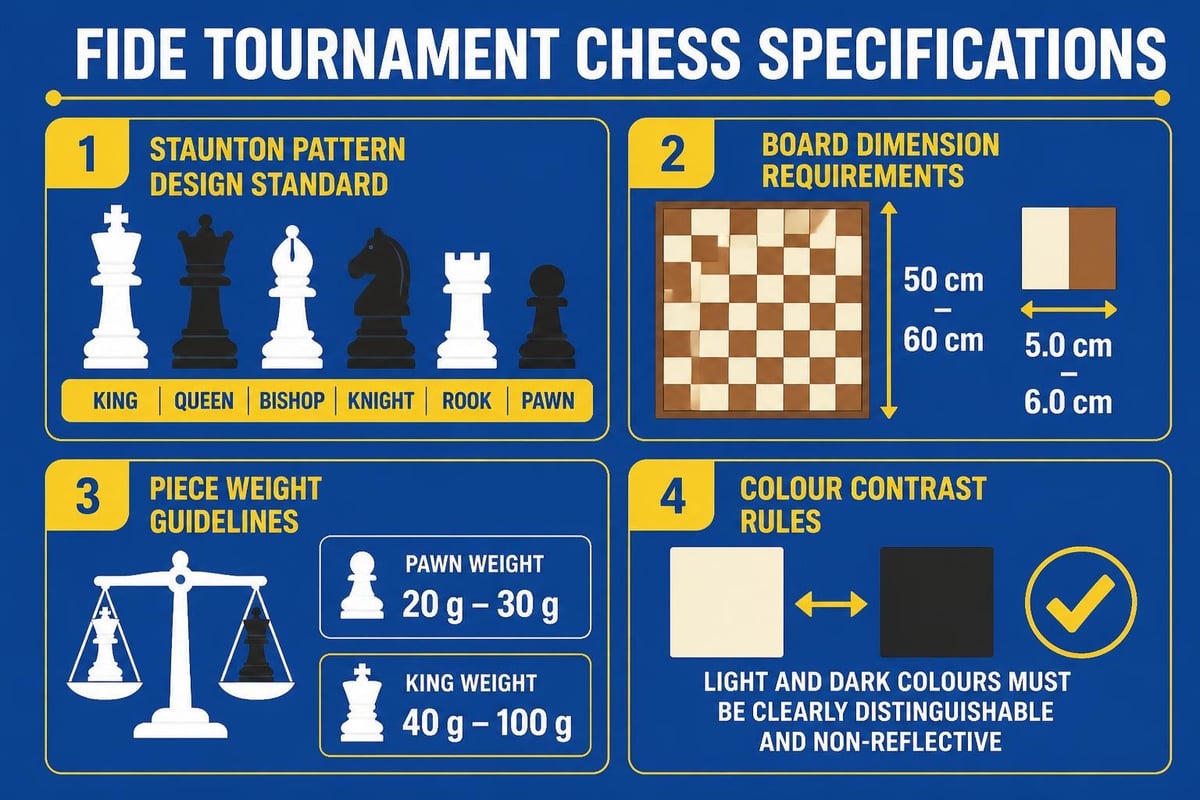
Playing sets are designed for regular use. They're durable, comfortable to handle, and priced for everyday players. Tournament equipment meets specific standards set by organizations like FIDE, ensuring consistency across competitive play. Official FIDE standards outline precise measurements for pieces and boards used in sanctioned events. Decorative sets, meanwhile, prioritize aesthetics over playability.
Material Matters More Than You Think
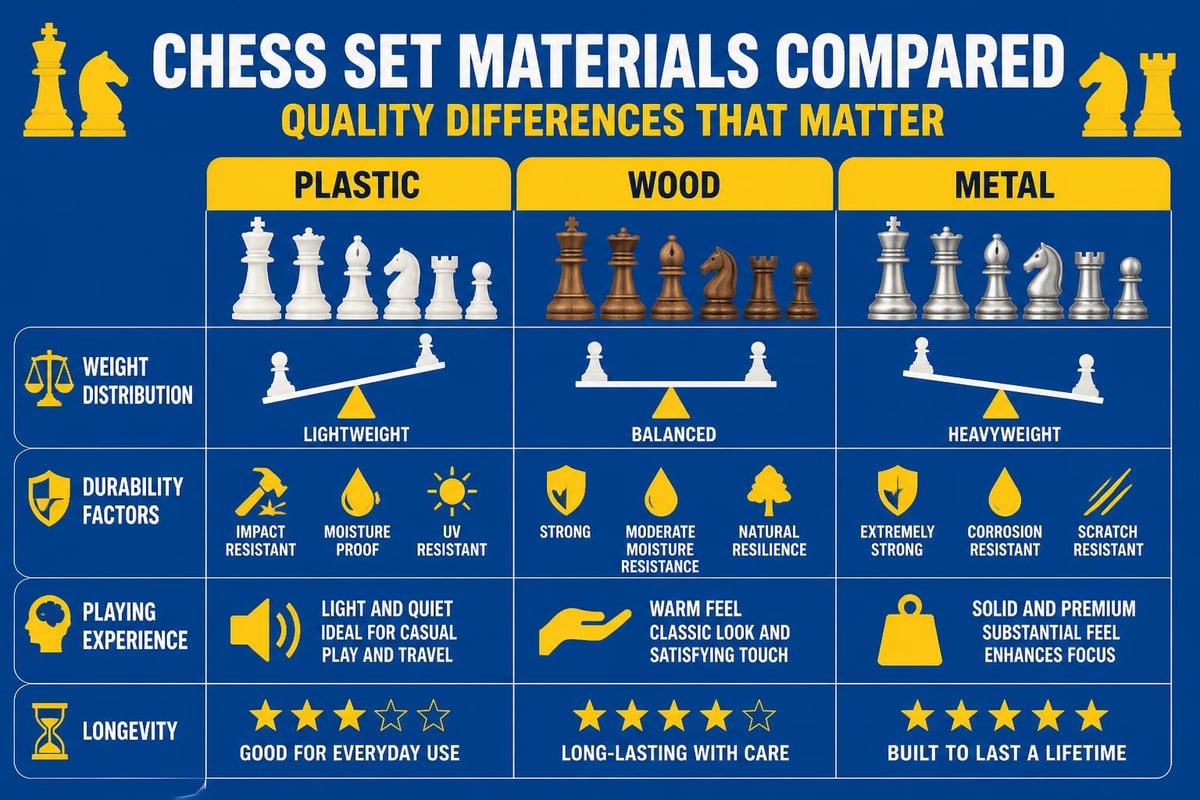
The material composition of your chess set affects everything from durability to playing experience. Here are the most common materials you'll find:
- Plastic: Affordable, lightweight, perfect for beginners and casual players
- Wood: Classic feel, varying quality from basic to premium hardwoods
- Metal: Heavy, durable, often used for travel or decorative sets
- Marble or Stone: Stunning appearance but impractical for serious play
- Glass: Beautiful but fragile, best for display purposes
I remember purchasing my first wooden set from a local chess store years ago. The salesperson let me hold different pieces, and the weight difference between a £30 set and a £150 set was remarkable. That tactile experience taught me something no online description could convey.
Sizing Your Chess Set Correctly
Here's something many beginners overlook: chess set proportions matter enormously. The chess store will typically stock sets in various sizes, but how do you know which one fits your needs?
The relationship between your king's height, square size, and board dimensions creates the playing experience. Choosing the correct chess set size ensures comfortable gameplay without pieces feeling cramped or lost on the board.
The Golden Ratio Formula
Professional chess stores use a simple calculation: your king's base diameter should be 75-80% of your square size. If you're looking at a board with 2-inch squares, your king's base should measure approximately 1.5 to 1.6 inches across.
| King Height | Recommended Square Size | Board Size |
|---|---|---|
| 3.75 inches | 2 inches | 20 inches |
| 4.25 inches | 2.25 inches | 22 inches |
| 3 inches | 1.5 inches | 16 inches |
This proportion ensures pieces sit comfortably on squares without overcrowding. When you visit the chess store, bring a tape measure or ask staff to demonstrate different size combinations. You'll immediately feel which proportion works best for you.
Quality Indicators to Check
Not all chess sets are created equal, even within the same price range. When browsing the chess store, what should you actually inspect?
Piece weight tells you a lot about quality. Pick up a knight or bishop. Does it feel substantial in your hand? Quality sets use weighted pieces that won't tip over easily during play. The base should feel balanced, not top-heavy.
Felt or leather base padding protects both your pieces and board. Check underneath each piece. Is the padding securely attached, or does it look like it might peel off after a few games? Quality manufacturers use properly adhered padding that lasts years.
Craftsmanship details separate good from great. Examine the knight carving closely. Are the features distinct and well-defined? Look at the bishop's mitre or the king's cross. Crisp details indicate careful manufacturing.
The chess store staff can provide valuable insights here. Don't hesitate to ask about manufacturing processes, wood sources, or quality control measures. Reputable stores employ knowledgeable staff who understand these distinctions.
Tournament vs Casual Play Considerations
Are you preparing for competitive chess or enjoying casual games at home? This distinction dramatically affects what you should purchase at the chess store.
Tournament players need equipment meeting specific regulations. Tournament chess sets must comply with standards regarding piece height, board size, and colour contrast. If you're serious about improving your game and entering competitions, investing in regulation equipment makes sense.
What Tournament Players Need
- Staunton pattern pieces: The universally recognized design used in competitive play
- Proper board colours: Typically dark brown or green with buff or ivory squares
- Weighted pieces: Preventing accidental movement during timed games
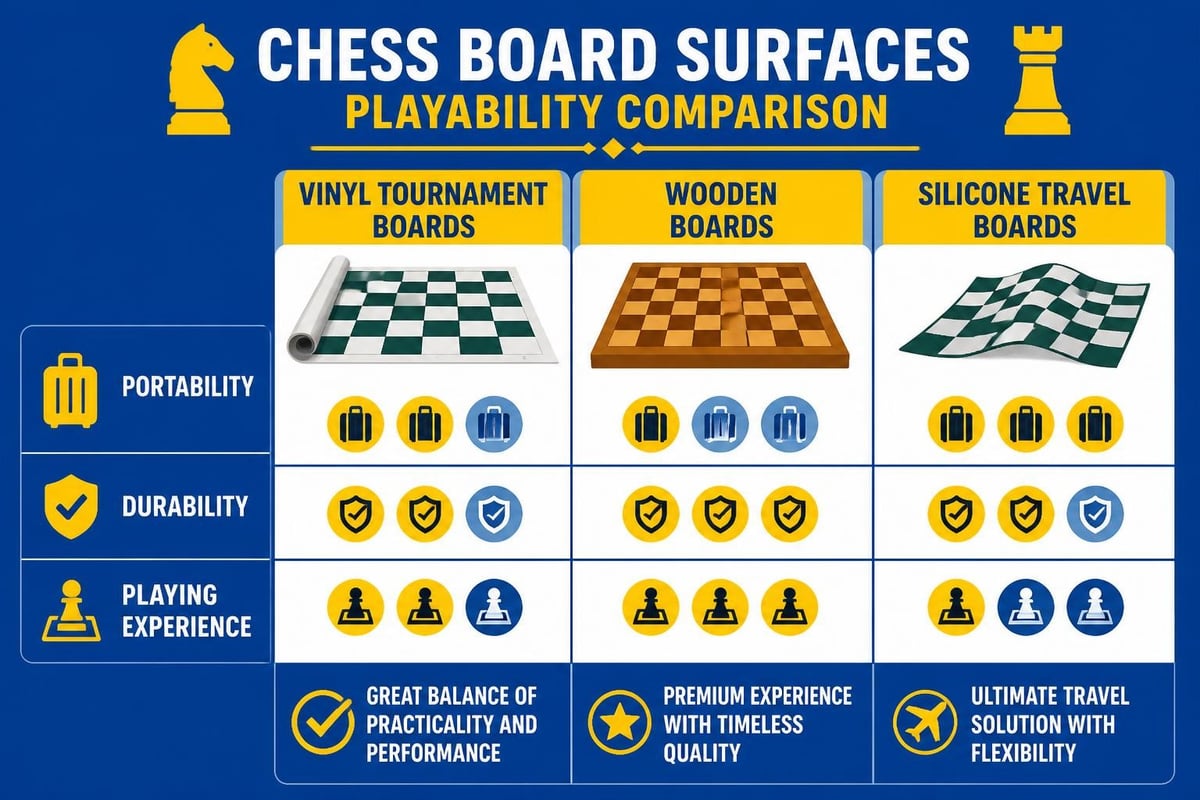
- Vinyl or mousepad board: Tournament standard, easy to transport
- Chess clock: Essential for competitive time controls
Casual players enjoy more flexibility. That beautiful themed set catching your eye? Perfectly fine for home games. The oversized decorative pieces? Great for a study or living room display.
Just as mastering chess openings requires understanding when to apply different strategies, choosing chess equipment requires matching your purchase to your actual playing context.
Budget Planning for the Chess Store
How much should you actually spend? The chess store will offer options ranging from £15 to £500 or more. Let's break down realistic budget tiers.
Beginner tier (£15-£40): Basic plastic or simple wooden sets. Perfect for learning the game or children's play. These sets won't last forever, but they serve their purpose well.
Intermediate tier (£40-£120): Quality wooden sets with proper weighting, decent craftsmanship, and durability. This sweet spot offers excellent value for regular players who want equipment that enhances rather than hinders their experience.
Advanced tier (£120-£300): Premium woods, exceptional craftsmanship, beautiful aesthetics. These sets become family heirlooms. If you're passionate about chess and play regularly, this investment pays dividends in enjoyment.
Collector tier (£300+): Luxury materials, artistic designs, limited editions. Only consider this tier if you're collecting rather than primarily playing.
According to market analysis from Fortune Business Insights, the global chess market continues growing, with increasing interest driving both innovation and competition among manufacturers. This growth benefits consumers through better options at every price point.

Electronic and Digital Options
The modern chess store stocks more than traditional wooden sets. Electronic boards, digital clocks, and computer-connected boards represent growing segments of the market.
DGT boards connect to chess software, automatically recording your games. These appeal to players serious about improvement who want to analyze every move. Prices typically start around £200 and climb based on features.
Electronic chess computers offer built-in opponents at various skill levels. While less popular than online play via computers or phones, some players appreciate the tactile experience combined with instant access to an opponent.
Digital chess clocks have largely replaced mechanical models in the chess store. They're more accurate, offer more time control options, and typically cost between £30 and £100 depending on features.
Should you invest in electronic equipment? Consider your goals. If you're working on improving your chess systematically, electronic boards that record games for analysis provide genuine value. Casual players might not need this functionality.
Board Materials and Surfaces
Beyond the pieces themselves, the chess store offers various board options that significantly impact your playing experience.
Common Board Materials
| Material | Pros | Cons | Typical Price |
|---|---|---|---|
| Vinyl | Portable, durable, tournament standard | Less aesthetic appeal | £10-£30 |
| Wood | Beautiful, traditional, sturdy | Heavier, more expensive | £40-£200 |
| Silicone/Mousepad | Rolls up easily, extremely portable | Can wrinkle, less formal | £15-£35 |
| Glass | Stunning visual impact | Glare issues, impractical for serious play | £50-£150 |
| Marble/Stone | Impressive display piece | Very heavy, expensive, pieces slide | £100+ |
When visiting the chess store, physically test boards if possible. Place pieces on different surfaces. Do they slide easily? Does the board wobble? These practical concerns matter far more than catalogue descriptions suggest.
Accessories Worth Considering
The chess store displays numerous accessories beyond sets and boards. Which ones actually enhance your chess experience?
Chess bags protect your investment during transport. If you regularly play at clubs or tournaments, a padded bag prevents damage to pieces and boards. Quality bags run £20-£50.
Scorebooks remain relevant despite digital alternatives. Recording games by hand helps reinforce the moves in your memory. Analyzing your games move by move becomes easier when you have a physical record.
Notation teaching tools help beginners learn algebraic notation. These simple guides attach to board edges, making it easier to record moves accurately.
Chess clocks deserve special consideration. Even if you're not playing competitively, adding time pressure to casual games adds excitement and forces better time management skills.
Shopping Online vs In-Store
Should you visit a physical chess store or shop online? Both approaches offer distinct advantages.
Physical chess stores let you handle equipment before purchasing. This tactile evaluation prevents disappointment. You can compare weights, examine craftsmanship details, and get instant expert advice from staff. The downside? Limited selection compared to online retailers and typically higher prices.
Online shopping offers broader selection and competitive pricing. Guides like this comprehensive chess set buying overview from Chess.com help compensate for the inability to handle products physically. However, you risk receiving items that don't match expectations.
My recommendation? Visit the chess store to handle different sets and identify what you like, then comparison shop online if price is a major factor. Many local chess stores will price match online retailers, especially for regular customers.
Special Considerations for Gift Buyers
Purchasing from the chess store as a gift presents unique challenges. You might not know the recipient's skill level, preferences, or existing collection.
Safe Gift-Buying Guidelines
- Avoid themed or novelty sets unless you're certain about the recipient's taste
- Standard Staunton design suits virtually everyone
- Medium price range (£60-£100) shows thoughtfulness without overspending
- Include a gift receipt enabling exchanges if needed
- Consider chess books or puzzle collections as complementary gifts
For players working on improving specific aspects of their game, educational materials complement physical sets beautifully. Resources covering topics like the Caro-Kann Defense or Ruy Lopez strategies provide lasting value beyond a single set purchase.
Maintenance and Care
The chess store rarely emphasizes this, but proper maintenance extends your set's lifespan significantly.
Wooden pieces benefit from occasional light oiling with furniture polish. Avoid excessive moisture, which can warp wood or loosen felt bases. Store in stable temperature environments.
Plastic pieces simply need regular cleaning with mild soap and water. They're remarkably durable and forgiving.
Boards should be stored flat to prevent warping. Wooden boards especially dislike humidity changes. Roll-up boards should be stored in their tubes when not in use.
Chess clocks need battery checks before important games. Keep backup batteries on hand.
Treat your chess equipment well, and it will serve you for decades. I still use a wooden set purchased from the chess store twenty years ago. A bit of care preserves both function and beauty.
Making Your Final Decision
After reading all this, how do you actually decide what to purchase from the chess store?
Start by defining your primary use case. Tournament player? Casual home games? Teaching children? Collecting? Your answer determines which features matter most.
Set a realistic budget that reflects both your financial situation and how seriously you take chess. Skimping on a set you'll use daily for years is false economy, but overspending on features you won't use wastes money.
Trust your hands and eyes when shopping in person. The "best" set based on specifications might not feel right to you, and that's fine. Your comfort and enjoyment matter more than abstract quality metrics.
Consider this detailed buying guide from ChessMaze for additional perspectives on navigating the chess store effectively in 2026.
Finally, remember that your chess set supports your larger goal: improving your game and enjoying chess. The finest equipment won't compensate for lack of study and practice, but appropriate equipment removes barriers to enjoyment and focus.
Whether you're purchasing your first set or adding to an established collection, the chess store offers options for every player and budget. The key is matching equipment to your actual needs rather than getting distracted by beautiful but impractical options. Once you've got the right board and pieces sorted, focusing on improving your game becomes much easier. That's where streamlined learning resources make all the difference. Chess Cheat Sheets provides guides, puzzles, and opening resources that help you master chess efficiently, complementing your equipment investment with the knowledge and practice you need to actually improve your game.


