

If you've spent any time exploring chess improvement methods, you might have come across the term "lee chess" and wondered what it's all about. Whether you're a beginner looking to strengthen your foundation or an intermediate player seeking new approaches to enhance your game, understanding lee chess can open up fresh perspectives on how you approach the board. This comprehensive guide will walk you through everything you need to know about lee chess, from its core principles to practical applications that you can use in your next match.
What Exactly Is Lee Chess?
Lee chess represents a systematic approach to understanding chess fundamentals through simplified learning methods. Rather than overwhelming yourself with endless theory and complex variations, lee chess focuses on breaking down the game into digestible concepts that you can actually remember and apply during your matches.
Think about it this way: how many times have you studied an opening for hours, only to forget the critical move when you're actually sitting at the board? That's where lee chess methodology makes a real difference.
The Core Philosophy Behind Lee Chess
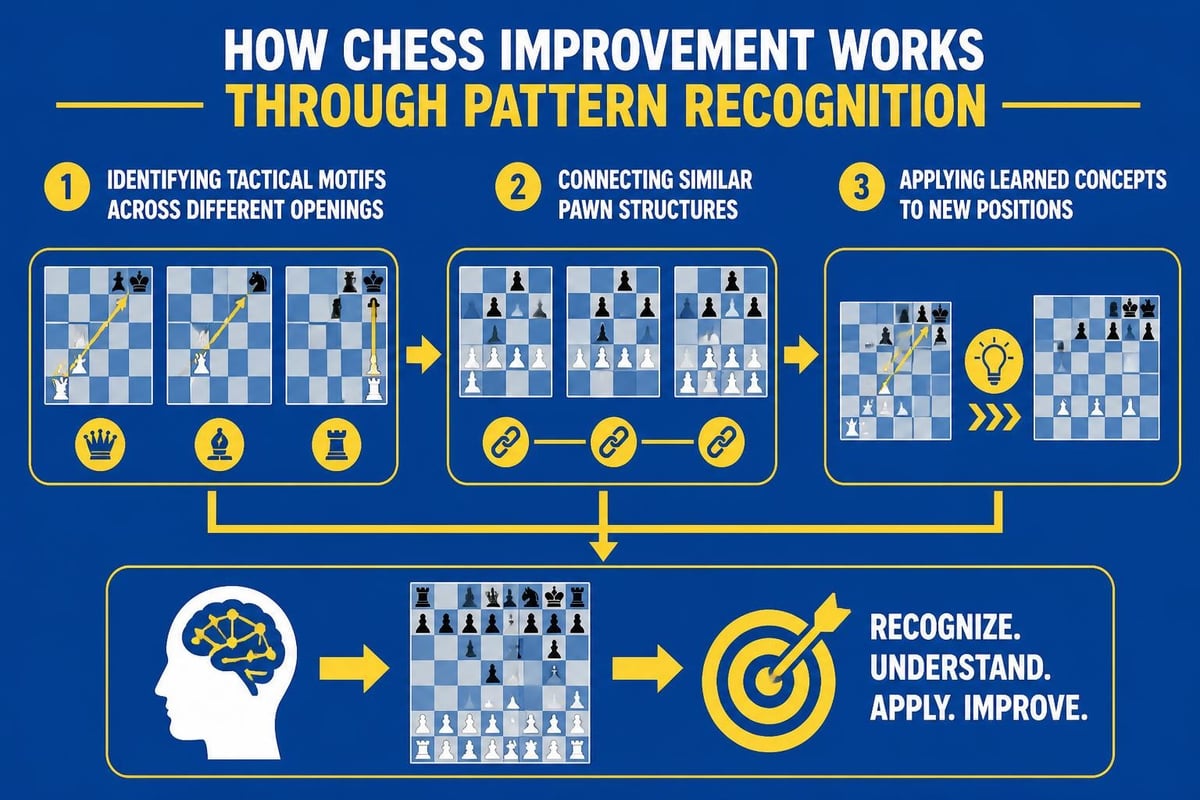
The foundation of lee chess rests on three main pillars:
- Pattern recognition over rote memorization - Understanding why moves work rather than just memorizing sequences
- Practical application - Focusing on positions you'll actually encounter in your games
- Incremental learning - Building skills gradually without overwhelming yourself
This approach aligns perfectly with how our brains naturally process information. When you're exploring most common chess openings, you'll notice that the patterns repeat across different variations. Lee chess emphasizes recognizing these recurring themes.
How Lee Chess Differs From Traditional Study Methods
You've probably tried traditional chess study before. You know the drill: opening books with hundreds of variations, endgame manuals that seem to go on forever, and tactics trainers that feel more like work than play. Lee chess takes a fundamentally different approach.
Traditional methods often treat chess like you're cramming for an exam. You memorize the Ruy Lopez to move 15, but when your opponent deviates on move 7, you're lost. Lee chess prioritizes understanding over memorization, which means you'll actually know what to do when the position doesn't match your prepared lines exactly.
Comparative Advantages of Different Learning Approaches
| Approach | Time Investment | Retention Rate | Practical Application | Suited For |
|---|---|---|---|---|
| Traditional Study | High | Medium | Medium | Dedicated students |
| Lee Chess Method | Medium | High | High | Busy improvers |
| Pure Practice | Low | Low | Medium | Casual players |
| Blended Learning | High | Very High | High | Serious competitors |
The beauty of lee chess is that it works whether you have thirty minutes a week or three hours a day. It's about making every minute count.
Implementing Lee Chess Principles in Your Training
Ready to actually put lee chess into practice? Let's break down how you can incorporate these principles into your daily routine without completely overhauling your current study habits.
Step-by-Step Integration Process
- Start with position assessment - Before looking at any moves, evaluate what's happening on the board
- Identify the imbalances - What makes this position unique? Pawn structure? Piece activity? King safety?
- Consider candidate moves - Based on the imbalances, what moves make logical sense?
- Verify tactics - Check that your candidate moves don't hang pieces or miss tactical opportunities
- Review patterns - After the game or puzzle, note which patterns appeared
This systematic approach might feel slow at first, but you'll be amazed at how quickly it becomes second nature. When you're working through the extensive puzzle collection on Lichess, try applying these five steps to each position before making your move.
Lee Chess and Opening Preparation
Opening preparation can feel like an endless rabbit hole, can't it? One variation leads to another, and suddenly you've spent three hours on a line that appears once every fifty games. Lee chess transforms how you approach the opening phase.
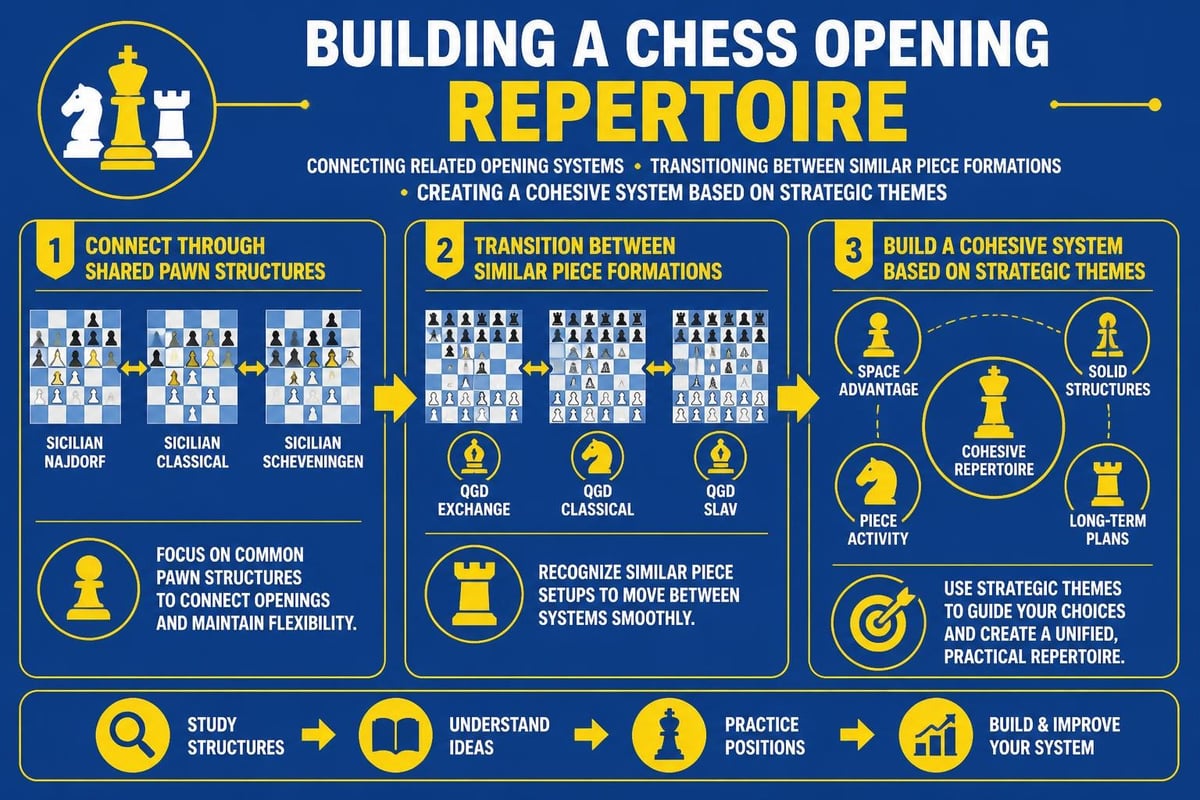
Instead of memorizing twenty moves deep in every variation, you focus on understanding the key ideas behind each opening. For instance, when studying the Queen's Gambit and its strategic implications, lee chess encourages you to understand the central pawn tension and piece development patterns rather than memorizing specific move orders.
Building Your Opening Repertoire the Lee Chess Way
- Choose openings that share similar pawn structures and piece placements
- Learn the key squares and typical plans for each opening
- Study master games to see how plans unfold across different move orders
- Practice transitions from opening to middlegame
You'll find that this approach works brilliantly with streamlined resources. Rather than drowning in theory, you can use comprehensive guides at Chess Cheat Sheets to focus on the essential patterns and ideas that matter most.
Tactical Training Through Lee Chess
Tactics are where games are won and lost, right? But here's the thing: random tactical puzzles only get you so far. Lee chess brings structure to your tactical training by categorizing patterns and building them progressively.
When you're solving problems, don't just find the winning move and move on. Ask yourself: What pattern did I just see? Have I encountered this before? What's the underlying principle? This reflective approach cements the patterns in your memory far more effectively than simply racing through hundreds of puzzles.
The Studies section on Lichess offers an excellent platform for creating your own tactical pattern collections. You can organize puzzles by theme, difficulty, and frequency, making your practice sessions far more targeted.

Middlegame Mastery Using Lee Chess Concepts
The middlegame often feels like the most mysterious phase, doesn't it? There's no clear-cut best move like in some tactical puzzles, and the opening theory has run out. This is where lee chess really shines.
Key Middlegame Principles to Master
Piece activity matters more than material - A well-placed knight can be worth more than a passive rook. Lee chess teaches you to evaluate positions based on piece coordination and activity, not just counting points.
Pawn breaks create opportunities - Understanding when and how to execute pawn breaks transforms static positions into dynamic ones. This concept appears repeatedly across different pawn structures.
King safety is dynamic - Your king's safety requirements change based on the position. Sometimes castling queenside is safer; sometimes leaving your king in the center is the right choice.
These principles guide your decision-making without requiring you to calculate everything from scratch. When you understand these concepts deeply, you'll find your moves flowing more naturally during games.
Endgame Simplification with Lee Chess
Endgames have a reputation for being dry and technical, but lee chess makes them accessible. The secret? Focus on the positions you'll actually reach in your games, and understand the key principles that apply across multiple endgame types.
| Endgame Type | Essential Knowledge | Practice Priority | Real Game Frequency |
|---|---|---|---|
| King and Pawn | Opposition, square rule, breakthrough | Very High | Very High |
| Rook Endgames | Lucena, Philidor positions, cutting the king | High | High |
| Minor Piece | N vs B scenarios, fortress patterns | Medium | Medium |
| Queen Endgames | Perpetual check patterns, centralization | Medium | Low |
Rather than trying to memorize every theoretical endgame, lee chess prioritizes the ones that appear most frequently in practical play. Understanding the Lucena and Philidor positions, for example, will serve you better than knowing obscure bishop endgames that occur once in a lifetime.
Tracking Your Progress With Lee Chess
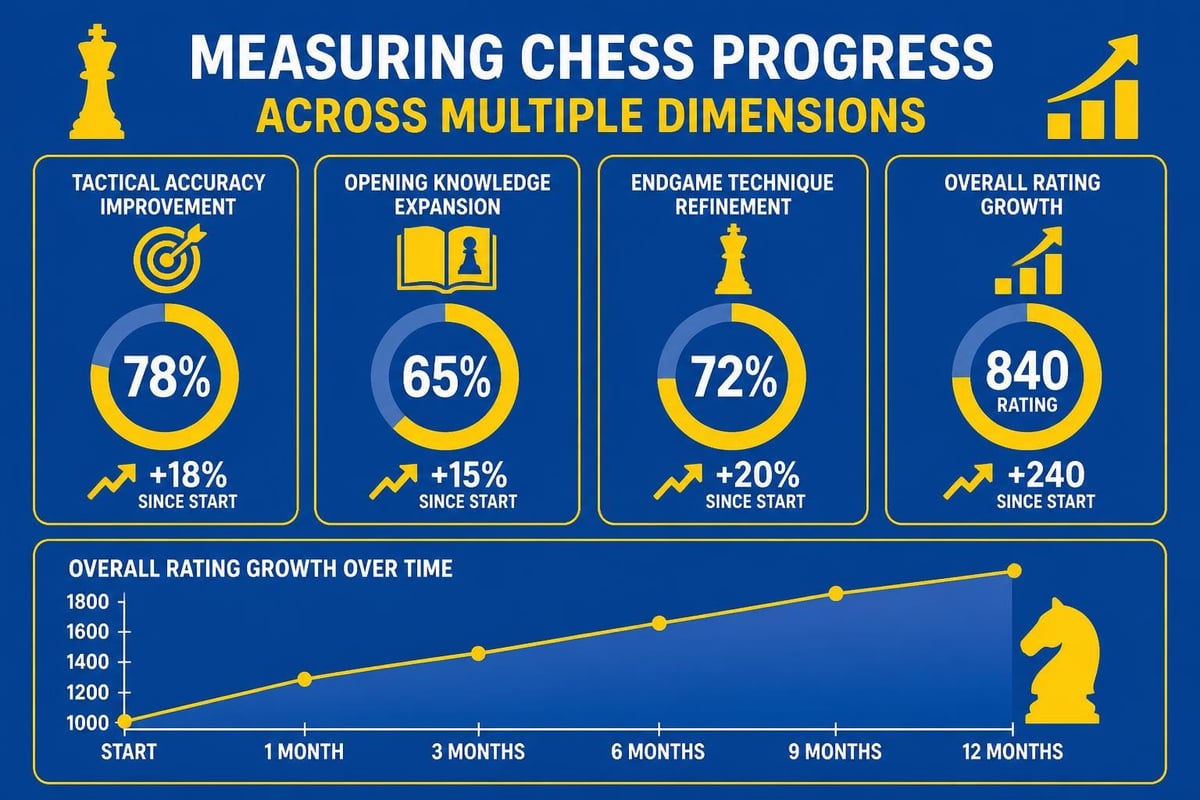
How do you know if lee chess is working for you? The traditional metric is rating, but that doesn't tell the whole story. Lee chess encourages tracking multiple dimensions of improvement.
Keep a simple training journal where you note:
- Patterns you've learned this week
- Mistakes you've made and why
- Positions that confused you
- Concepts that suddenly clicked
This qualitative feedback often reveals improvement before your rating catches up. You might notice that you're calculating more accurately or that certain positions that used to confuse you now make perfect sense. For tracking your rating progress, understanding chess Elo rating systems helps you set realistic goals.
Common Mistakes When Applying Lee Chess Methods
Even with the best approach, pitfalls exist. Let's address the most common mistakes players make when implementing lee chess principles.
Rushing through the learning process - Lee chess isn't about speed; it's about depth. Spending quality time with one pattern is better than superficially encountering ten patterns.
Ignoring your weaknesses - It's tempting to practice what you already do well. Lee chess requires honest self-assessment and targeted work on your weakest areas.
Forgetting to play actual games - All the study in the world means nothing if you're not testing your knowledge in real games. The free platform Lichess offers unlimited opportunities to apply what you've learned.
Switching methods too quickly - Give lee chess time to work. Improvement isn't always linear, and you might need several weeks before seeing results.
Combining Lee Chess With Modern Technology
You're living in the golden age of chess improvement, with more tools available than ever before. Lee chess principles integrate beautifully with modern technology when used thoughtfully.
Chess engines shouldn't replace your thinking; they should enhance it. After analyzing your games, use the engine to verify your assessment and discover alternatives you missed. The detailed features of platforms like Lichess include powerful analysis tools that complement lee chess methodology perfectly.
Technology Integration Guidelines
- Analyze before checking the engine - Form your own opinion about positions first
- Use databases to find patterns - Search for similar positions to understand recurring themes
- Watch instructional content selectively - Choose videos that explain concepts, not just show moves
- Join online communities - Discuss positions and ideas with players at your level
When you're looking for structured learning paths, exploring free online chess courses can complement your lee chess training by providing different perspectives on the same fundamental concepts.
Adapting Lee Chess for Different Playing Styles
Not everyone plays chess the same way, and that's perfectly fine. Lee chess adapts to different styles while maintaining its core principles of pattern recognition and practical application.
Tactical players benefit from lee chess by organizing their tactical knowledge systematically. Instead of relying on raw calculation every time, you'll recognize patterns instantly and calculate only when necessary.
Positional players find lee chess invaluable for understanding pawn structures and typical plans. Rather than vaguely pushing pawns, you'll have concrete ideas based on recognized patterns.
Aggressive players can use lee chess to ensure their attacks are sound, not just speculative. Understanding attacking patterns helps you know when to strike and when to consolidate.
Defensive specialists benefit from recognizing defensive resources and fortress patterns that keep positions holdable even when objectively worse.
Creating Your Personal Lee Chess Study Plan
Theory is wonderful, but you need a concrete plan to make progress. Here's how to structure your lee chess study week by week.
Week 1-2: Foundation Building
- Identify three opening systems you want to understand deeply
- Study ten critical tactical patterns
- Review your recent games and note recurring mistakes
Week 3-4: Pattern Recognition
- Find five master games in your chosen openings
- Solve fifty tactical puzzles focusing on your weak patterns
- Practice two endgame positions until you can play them perfectly
Week 5-6: Integration and Practice
- Play twenty games applying your learned patterns
- Analyze every game thoroughly before checking engines
- Adjust your training based on observed weaknesses
Week 7-8: Refinement
- Deepen your understanding of chosen openings
- Tackle more complex tactical combinations
- Review and consolidate everything learned
This cycle repeats, with each iteration targeting progressively more sophisticated concepts. The key is consistency rather than intensity. Thirty focused minutes daily beats sporadic three-hour sessions.
Lee Chess for Tournament Preparation
If you're preparing for a tournament, lee chess offers a structured approach that reduces stress while maximizing readiness. Unlike cramming random openings the night before, you'll focus on consolidating what you already know and addressing specific weaknesses.
Start your tournament preparation at least two weeks out. Review your opening repertoire, ensuring you understand the key ideas rather than memorizing moves. Practice typical middlegame positions that arise from your openings. Drill critical endgames until they're automatic.
The week before the tournament, reduce new learning and focus on confidence-building. Play practice games at tournament time controls, work through familiar tactical patterns, and visualize successful execution of your preparation. If you're considering working with a coach, finding the best online chess coach who understands lee chess principles can accelerate your progress significantly.
Resources That Complement Lee Chess
While lee chess provides the methodology, you need quality resources to support your training. Physical cheat sheets work brilliantly because they distill complex information into memorable patterns. Digital resources like the open-source Lichess platform offer unlimited practice opportunities without financial barriers.
Books still matter, but choose wisely. Look for works that explain concepts rather than just presenting variations. Classic books by authors who emphasize understanding over memorization align perfectly with lee chess philosophy.
Video content can be valuable when instructors focus on pattern recognition and typical ideas. Avoid content that simply shows moves without explaining the underlying logic.
Maintaining Motivation Through Your Lee Chess Journey
Let's be honest: chess improvement is a marathon, not a sprint. Some days you'll feel like a genius, and other days you'll hang your queen on move twelve. Lee chess helps maintain motivation by showing concrete progress in pattern recognition even when your rating temporarily stagnates.
Celebrate small victories. Did you recognize a tactical pattern instantly that would have stumped you last month? That's progress. Did you navigate an opening to a comfortable middlegame position? That's success, regardless of the final result.
Connect with other players following similar improvement paths. Share patterns you've discovered, discuss positions that confused you, and learn from each other's experiences. The chess community is remarkably generous with knowledge, and engaging with others keeps the journey enjoyable.
Set process goals rather than outcome goals. Instead of "I want to reach 1800," try "I want to master these five endgame positions and understand three opening systems deeply." Process goals keep you focused on controllable factors and provide regular satisfaction as you tick them off.
Understanding lee chess transforms how you approach improvement, shifting from aimless study to purposeful pattern recognition and practical application. Whether you're working on your openings, sharpening your tactics, or refining your endgame technique, these principles provide a clear path forward. If you're ready to accelerate your progress with streamlined resources designed specifically for efficient learning, explore the comprehensive guides and tools available at Chess Cheat Sheets, where you'll find everything you need to master chess openings and improve your game without endless study.


