

Chess in 2026 is more exciting and competitive than ever before. New technologies, bigger communities, and smarter resources are changing how you train and play.
If you want to stay ahead, having the right chess tools is essential. This article reveals the nine must-have chess tools every modern player should know about, from cutting-edge digital platforms to practical physical aids.
Curious which tools will sharpen your skills and give you a real edge? Let’s dive in and discover the resources that can truly elevate your game.

The Changing Chess Landscape: Why Tools Matter in 2026
Have you noticed how chess has taken the world by storm lately? It is not just you—chess has never been more popular. The game has leaped from quiet clubs into the global spotlight, and everyone from school kids to streaming celebrities is getting in on the action.
Just how big is this surge? According to recent data, the chess market is projected to reach billions by the end of the decade, fueled by a massive uptick in online play and worldwide viewership. The Global Chess Market Growth report highlights a 4.1% annual growth rate, showing that chess is evolving into a true global mind sport. With so many new players entering the scene, the demand for effective chess tools has skyrocketed.
Technology is at the heart of this transformation. Remember when chess study meant flipping through books or scribbling on a notepad? Now, you can analyze your games instantly, get AI-powered feedback, and even play live with anyone around the globe. Real-time analytics break down every move, while advanced engines spot tactical opportunities you might miss. Chess tools now offer interactive lessons, puzzles, and opening explorers, all tailored to your current level. This tech revolution is not just for pros; it is changing how every player learns and competes.
Training methods have shifted, too. Digital and interactive resources have replaced stacks of books for many players. Whether you are a club enthusiast or dreaming of a chess title, you will find that modern chess tools help you learn more efficiently and prepare smarter. Top players use deep databases and AI engines to study opponents and sharpen their skills. They rely on these resources for game prep, analysis, and even psychological readiness before big matches.
But with all these options, it is easy to feel overwhelmed. Too many choices, too much information—where do you start? That is where well-designed, curated chess tools come in. They help you cut through the noise, focus on what really matters, and build a routine that fits your goals. Whether you want to master tactics or polish your endgame, having the right tools can make all the difference.
In 2026, chess tools are not just nice-to-have—they are essential for anyone serious about improvement. The landscape is changing fast, and the right mix of technology and tradition will keep you ahead of the curve.
9 Essential Chess Tools Every Player Needs in 2026
Looking to level up your chess game in 2026? The chess world is evolving quickly, and the right chess tools can make all the difference. Whether you are a casual player or aiming for serious competition, having the right resources in your toolkit will help you study smarter, play better, and enjoy the journey even more.
Below, you will find the nine most essential chess tools every modern player should consider. From online platforms and databases to physical gadgets and innovative apps, each tool brings something unique to your chess improvement journey.
1. Chess.com Membership
Chess.com remains the world’s most popular platform for online chess in 2026. With a free basic membership and premium plans starting at $5/month, it offers a full suite of chess tools to suit every player.
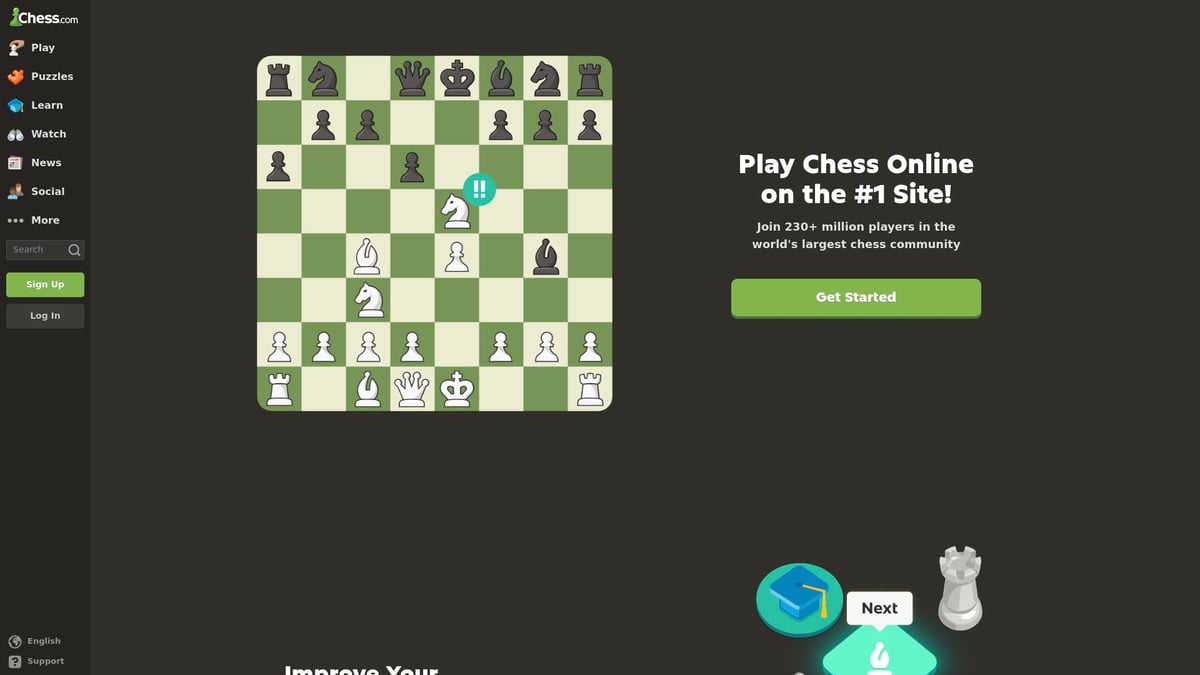
You can play opponents from around the world, solve daily puzzles, join tournaments, and access an opening explorer. The real magic lies in its advanced analysis features, personalized lessons, and integration with top streamers and live events. If you want to see your progress, the game review system provides instant feedback and real-time insights.
The community is massive, so you will always find a game no matter your rating. For those who crave improvement, Chess.com’s learning modules and video lessons are updated regularly. However, some chess tools are locked behind a paywall, and the interface can feel busy for newcomers.
Pros:
- Largest online chess community
- State-of-the-art analysis and learning features
Cons:
- Some chess tools require a subscription
- Busy interface for new users
No matter your level, Chess.com is a cornerstone of modern chess tools.
2. ChessBase 17
ChessBase 17 is the gold standard of chess tools for serious players and coaches. Priced at around $140, this professional database software is packed with millions of games, powerful search and filter functions, and seamless engine integration.
With ChessBase, you can research openings, prepare for specific opponents, and analyze your games in depth. The database is continually updated, so you are always working with the latest information. For club players and tournament competitors, this tool is essential for in-depth opening prep and post-game analysis.
ChessBase’s unique selling point is its ability to turn raw data into actionable insights. However, it has a steep learning curve, and the cost is higher than most other chess tools. Offline access is a plus for those who want to study without distractions.
Pros:
- Industry standard for in-depth analysis
- Massive, up-to-date database
Cons:
- Expensive compared to other chess tools
- Takes time to master
If you’re serious about your chess, ChessBase 17 deserves a spot in your toolkit.
3. Chess Cheat Sheets
Chess Cheat Sheets offer a modern, visual approach to learning chess. With free resources and a lifetime VIP option for just $20, this collection of chess tools is perfect for beginners and intermediate players.

You get visual cheat sheets for openings, huge puzzle packs, and endgame guides. The plug-and-play format means you can start improving right away, with no memorization required. Everything is digital, so you have instant access from anywhere in the world.
What makes Chess Cheat Sheets stand out is their affordability and ease of use. They are ideal for anyone looking to save time and make learning chess fun. While the focus is on beginner and intermediate levels, advanced theory is more limited.
If you want a snapshot of what these digital chess tools can do, check out their overview for a full introduction.
Pros:
- Affordable, lifetime access
- Easy to use, visual learning aids
Cons:
- Limited advanced material
- Focused mainly on beginners and intermediates
For quick, effective improvement, Chess Cheat Sheets are a must-have among modern chess tools.
4. Lichess.org
Lichess.org is the go-to free chess platform for players who value open-source innovation. Offering a completely free suite of chess tools, Lichess is ad-free and open to everyone.
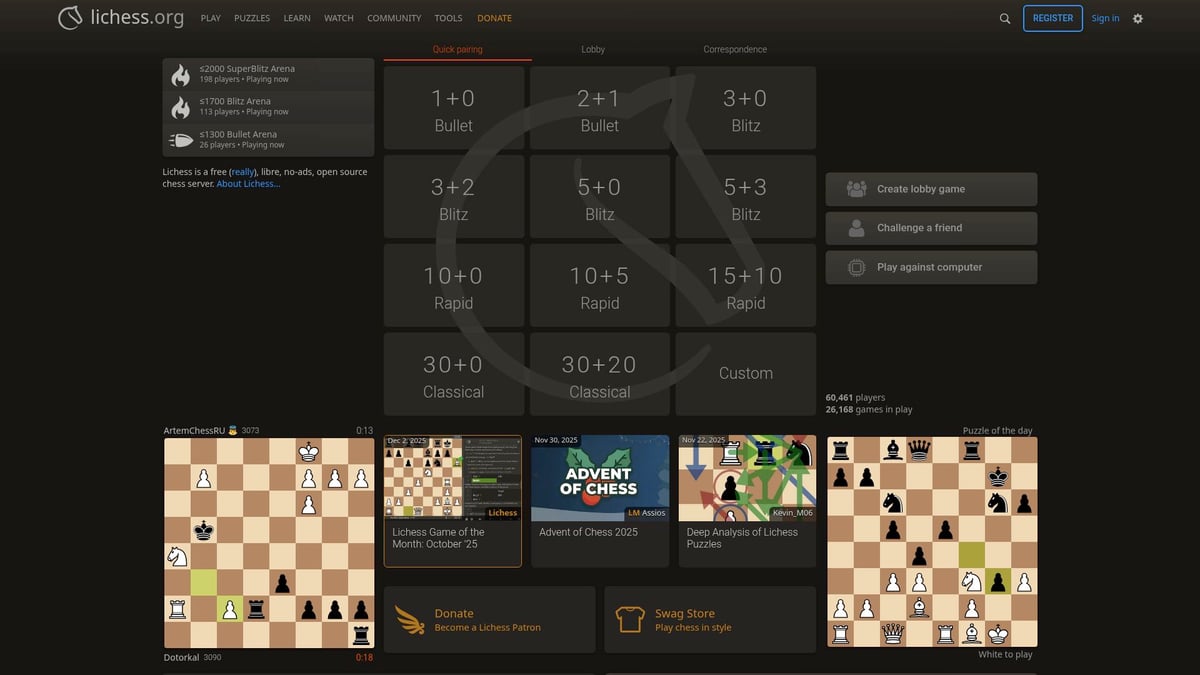
You can play games, solve puzzles, create studies, and analyze positions with Stockfish. The training features are highly customizable, and the site is updated frequently by a passionate community. Lichess is especially popular among players who want powerful features without paying a dime.
Unique selling points include its open-source code and no-ads policy. While the user base is smaller than Chess.com, the chess tools here are robust and accessible.
Pros:
- 100% free, no ads
- Open-source and frequently updated
Cons:
- Smaller player pool
- Fewer premium-style lessons
Whether you are a beginner or an experienced competitor, Lichess.org delivers essential chess tools for everyone.
5. DGT Smart Board
The DGT Smart Board is a top choice for those who want to bridge the gap between online and over-the-board play. Priced around $350, this electronic chessboard automatically records games and connects seamlessly to online platforms.
You get the tactile feel of real pieces while enjoying digital notation and live broadcasting. For clubs and tournament organizers, the DGT Smart Board is a reliable tool for official events and live streams.
Its unique selling point is the ability to blend physical and digital chess. While it is durable and accurate, the cost is high, and setup can take some time.
Pros:
- Realistic OTB experience
- Accurate, tournament-ready
Cons:
- Expensive
- Requires setup
For serious players and clubs, this is one of the most advanced chess tools available.
6. Chessable
Chessable has revolutionized online chess study with interactive courses and spaced repetition. Many courses are free, while premium content ranges from $10 to $100+.
You can drill openings, tactics, and endgames using their move trainer, which is designed for long-term retention. Top grandmasters and coaches author many of the courses, making it a treasure trove of chess tools for learners at all levels.
The unique selling point is its science-based approach to learning, which personalizes your study plan. While Chessable’s focus is mostly on openings, the library is expanding every year.
Pros:
- Engaging, interactive courses
- Effective for memorization
Cons:
- Can get expensive for full access
- Focus is often on openings
If you want to make your study routine more efficient, Chessable is one of the chess tools you should not miss.
7. Chess Clock App (DGT Chess Clock, Chess.com Clock, etc.)
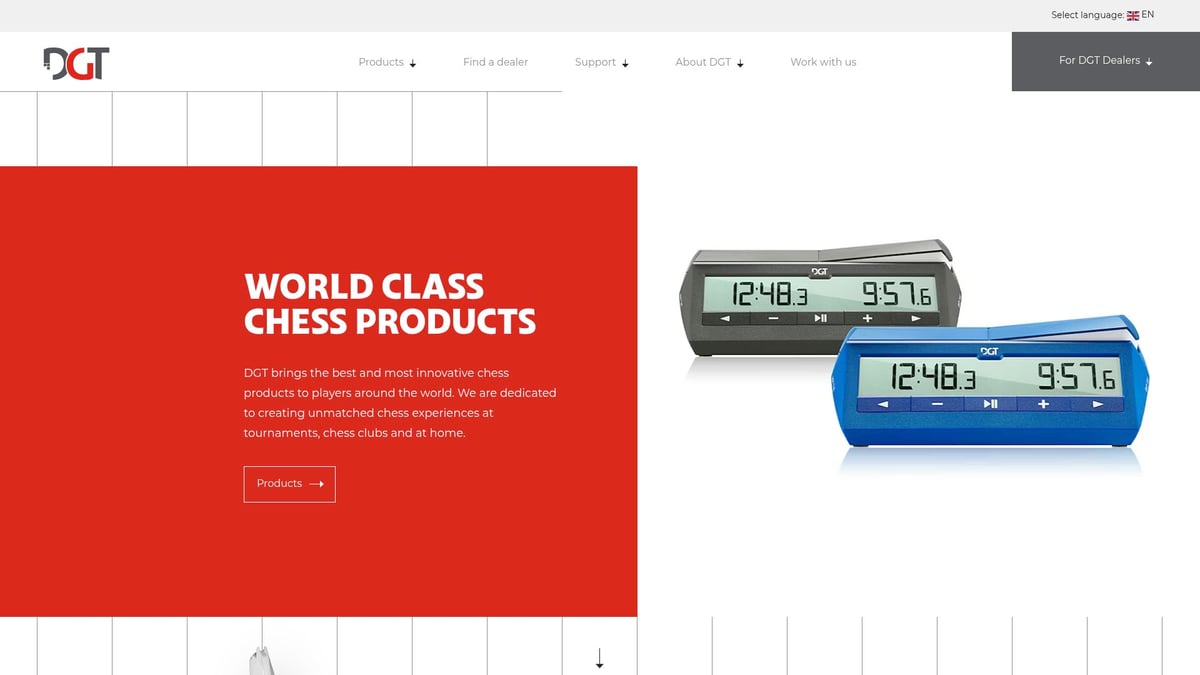
A chess clock is a must-have for anyone playing timed games. Digital chess clock apps are often free, while physical clocks start at $30.
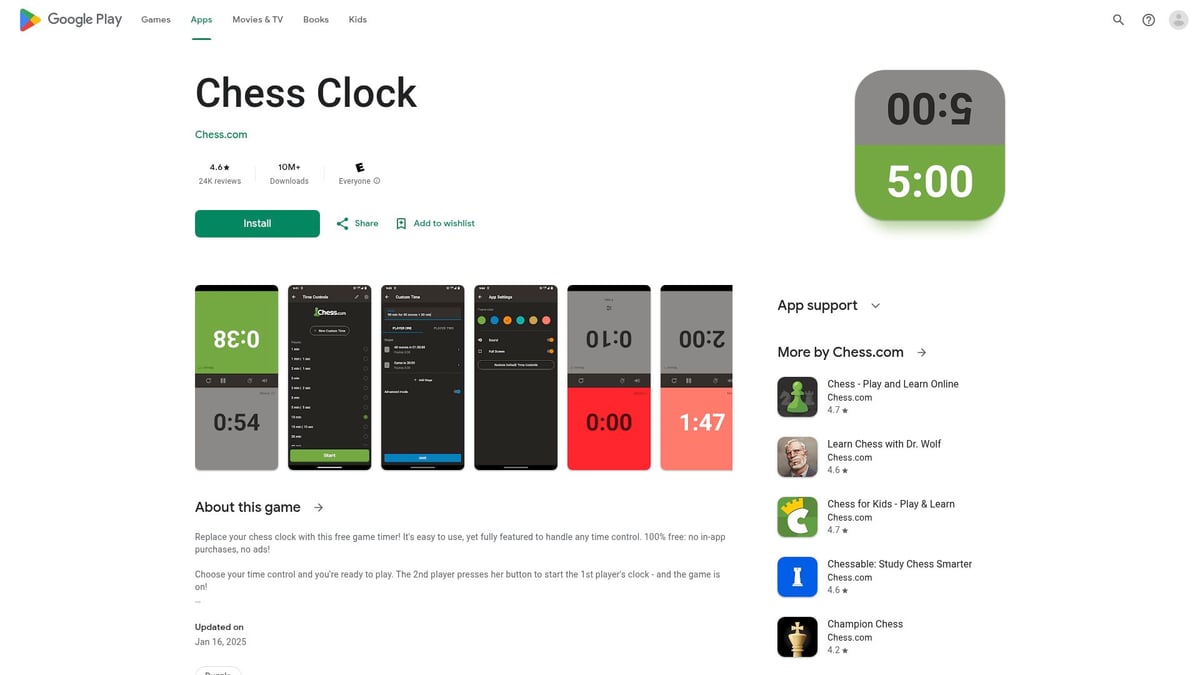
You can set custom time controls, increments, and delays, making these chess tools versatile for any format. Features like sound and vibration alerts keep you aware of the clock, whether you are playing online or over the board.
Chess clocks help you manage time pressure and build discipline. Physical clocks are tournament essentials, while apps are great for practice. The main drawback is the cost of physical devices and the need for a smartphone or tablet for apps.
Pros:
- Essential for time management
- Versatile and portable
Cons:
- Physical clocks can be pricey
- Apps need a device
No chess toolkit is complete without a reliable chess clock among your chess tools.
8. Aimchess
Aimchess brings AI-powered analytics to your chess journey. With a free basic plan and premium from $8/month, it offers personalized feedback and targeted training.

After linking your Chess.com or Lichess account, Aimchess analyzes your games and highlights your strengths and weaknesses. It recommends drills, tracks your progress, and visualizes improvement over time.
What makes Aimchess unique is its focus on actionable, data-driven insights. The platform helps you pinpoint exactly where to focus your efforts. Some features require a premium plan, and you must link your accounts, but the depth of analysis is unmatched among chess tools.
Pros:
- Personalized, AI-driven analytics
- Actionable recommendations
Cons:
- Premium features behind paywall
- Requires account linking
Aimchess is ideal for players who want to use chess tools to make real, measurable progress.
9. ChessVision.ai
ChessVision.ai is a futuristic chess tool that scans and analyzes chess positions from images, websites, and even physical boards. The browser extension is free, with a Pro plan starting at $3/month.
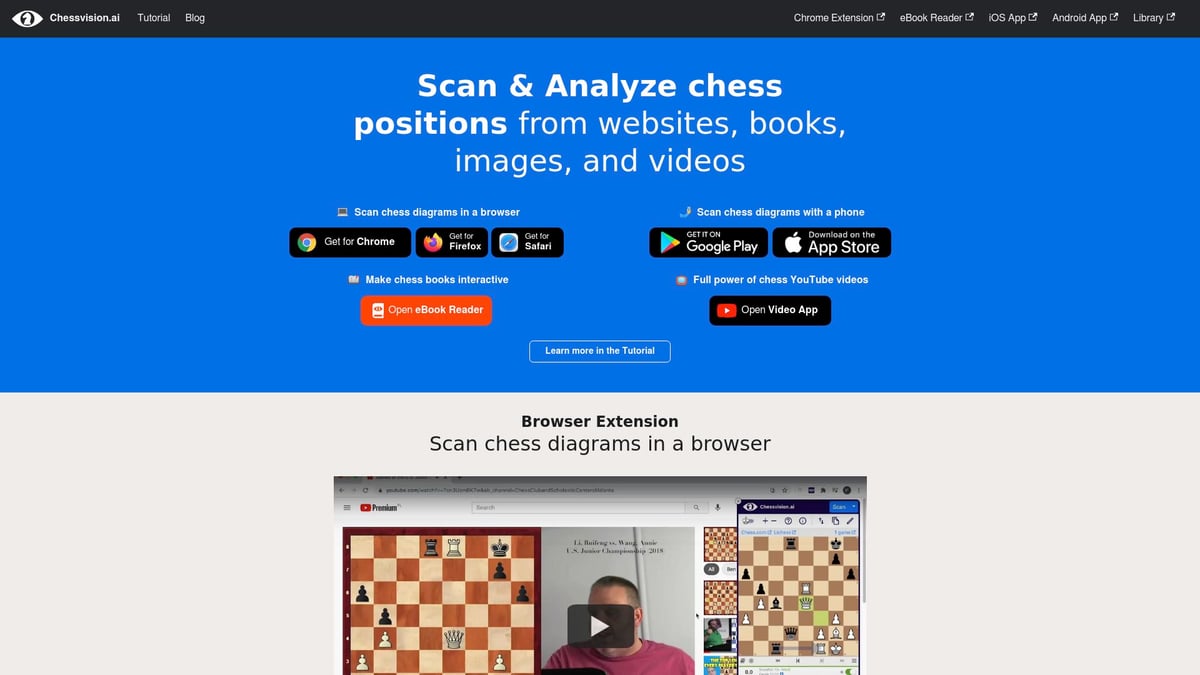
You can instantly get analysis on any position, detect opening names, and use it as a study aid for books and videos. ChessVision.ai is perfect for learners, content creators, and coaches who want to save time and boost their study sessions.
The tool is fast and easy to use, supporting study across devices. Just keep in mind that image quality affects results, and some advanced features are only available with the Pro plan.
Pros:
- Instant position analysis
- Great for studying from books and videos
Cons:
- Relies on good image quality
- Some features are Pro-only
For anyone looking to supercharge their learning, ChessVision.ai is among the most innovative chess tools in 2026.
How to Choose the Right Chess Tools for Your Needs
Choosing the best chess tools in 2026 can feel overwhelming, but it all starts with knowing yourself as a player. Are you a casual enthusiast, a club regular, or aiming for tournament success? Take a moment to assess your current level, chess goals, and how you prefer to learn. Some players thrive with interactive digital resources, while others benefit from hands-on or physical aids.
Digital Platforms vs. Physical Chess Tools
Now, let’s break down the two main categories: digital and physical chess tools. Digital platforms like Chess.com or Lichess offer instant access to lessons, puzzles, and online play. They’re perfect for flexible training and real-time analysis. Physical aids, such as DGT Smart Boards or classic chess clocks, bring the tactile feel and focus of over-the-board play.
Free chess tools can get you started, especially if you’re just exploring. As you grow, premium options often unlock deeper analytics, advanced lessons, or exclusive features. Think about your commitment and budget before investing, and remember that even free resources can be powerful when used consistently.
Integrating and Budgeting for Chess Tools
Building your toolkit is like assembling a chess opening repertoire: variety matters. Most players benefit from using several chess tools together, blending the best of digital and physical worlds. For example, combine a free online platform with a dedicated puzzle trainer, such as chess puzzles for training, to sharpen specific skills.
Budgeting is about balance. Allocate funds to the tools that match your ambitions. A premium database or electronic board may be worth it for serious competitors, while casual players might focus on affordable or free resources. Set a limit and prioritize upgrades based on your progress and needs.
Tool Combinations for Every Player
Here’s a quick guide to mixing and matching chess tools for different player types:
| Player Type | Digital Tools | Physical Tools | Specialty Resources |
|---|---|---|---|
| Beginner | Lichess, Chess.com | Chess clock app | Chess opening toolkits collection |
| Club Player | ChessBase, Chessable | DGT Smart Board | Puzzle packs, endgame cheat sheets |
| Aspiring Master | Aimchess, ChessBase | DGT Board, clock | Opening toolkits, analytics apps |
Mixing chess tools this way ensures you cover tactics, strategy, and time management as you grow.
Avoiding Pitfalls and Staying Current
With so many chess tools available, it’s easy to get overwhelmed or distracted by the latest trends. Stick to a handful of resources that genuinely support your learning style. Avoid chasing every shiny new app, and don’t neglect core fundamentals like tactics and endgames.
Stay current by following chess communities, reading reviews, and checking user survey data on tool effectiveness. As new innovations emerge, evaluate them based on how they fit your goals, not just their popularity. The right chess tools will evolve with you, helping you stay ahead in the ever-changing chess landscape.
Maximizing Your Chess Progress with Modern Tools
Ready to take your chess skills to the next level? Modern chess tools make this possible, whether you’re aiming for consistent improvement or striving for a tournament breakthrough. The chess landscape is evolving fast, and with the right approach, these resources can help you stay ahead of the curve.
Building a Study Routine
The first step to making the most of chess tools is building a study routine that fits your goals and schedule. Consistency is more important than marathon sessions. Try setting aside a regular time each day to solve puzzles, review games, and practice openings.
Want to see how chess tools can help with specific openings? Resources like Pros and cons of Queen's Gambit show how digital aids break down complex strategies into bite-sized lessons. Mixing tactics training, opening study, and endgame practice ensures you cover all bases.
- Set a weekly training goal
- Rotate between different tool features
- Review both wins and losses
Tracking Progress and Analytics
Modern chess tools offer powerful analytics to help you track your growth. Many platforms provide insights into your mistakes, time management, and preferred openings. By regularly reviewing your stats, you can spot patterns that need attention.
AI-powered features are now helping players refine their chess strategy in real time. For a deeper dive into how technology is changing the game, check out AI's Impact on Chess Strategy. These insights let you tailor your training to target weaknesses and turn them into strengths.
- Use built-in dashboards to follow your rating trends
- Analyze blunder frequency and types
- Set measurable improvement targets
Blending Online and OTB Practice
While digital chess tools are incredibly convenient, nothing beats the experience of over-the-board play. Combining both approaches gives you the best of both worlds. Play online to sharpen tactics and test new openings, then bring those lessons to your local club or tournaments.
Try using digital boards or clock apps during in-person games. This bridges the gap between online study and real-world competition, making your training more effective and well-rounded.
- Alternate between online games and OTB matches
- Use a digital chess clock during home practice
- Record OTB games for later analysis with your favorite tools
Engaging with Community and Coaching
One of the biggest advantages of today’s chess tools is the thriving community. Online forums, study groups, and coaching platforms give you instant access to advice, feedback, and encouragement. Don’t hesitate to ask questions or share your games—chess improvement is often a team effort.
Joining a club or taking part in online tournaments can also boost your motivation and keep you accountable. Find a study buddy or coach to help you stay on track.
Taking Action: Your Next Steps
Ready to maximize your chess progress? Start by choosing two or three chess tools that match your style. Set clear goals, track your results, and connect with other players. With dedication and the right resources, you’ll see real improvement—one smart move at a time.
So now that you’ve got the lowdown on the nine essential chess tools you need for 2026, you might be wondering—where should you actually start? If you’re like most players, openings can feel like a maze, but having the right shortcuts makes all the difference. That’s where Chess Cheat Sheets really shine, letting you master the basics without getting bogged down in endless theory. If you’re ready to level up your opening game and see results faster, why not take the next step? Start Improving Your Openings and see just how much smoother your chess journey can be!


