

If you're looking to improve your chess game in 2026, you've probably realised that the internet is absolutely brimming with resources. But here's the thing: not all chess learning websites are created equal. Some offer brilliant interactive lessons, others focus on tactical puzzles, and a few provide comprehensive video courses. The challenge isn't finding a website to learn chess-it's finding the right one for your specific needs and learning style. Whether you're a complete beginner trying to understand how the pieces move or an intermediate player looking to sharpen your opening repertoire, choosing the right platform can make all the difference in your improvement journey.
What Makes a Great Chess Learning Website?
Before we dive into specific platforms, let's talk about what separates the exceptional chess learning websites from the mediocre ones. You want a platform that doesn't just throw information at you but actually helps you retain and apply what you've learned.
Essential Features to Look For
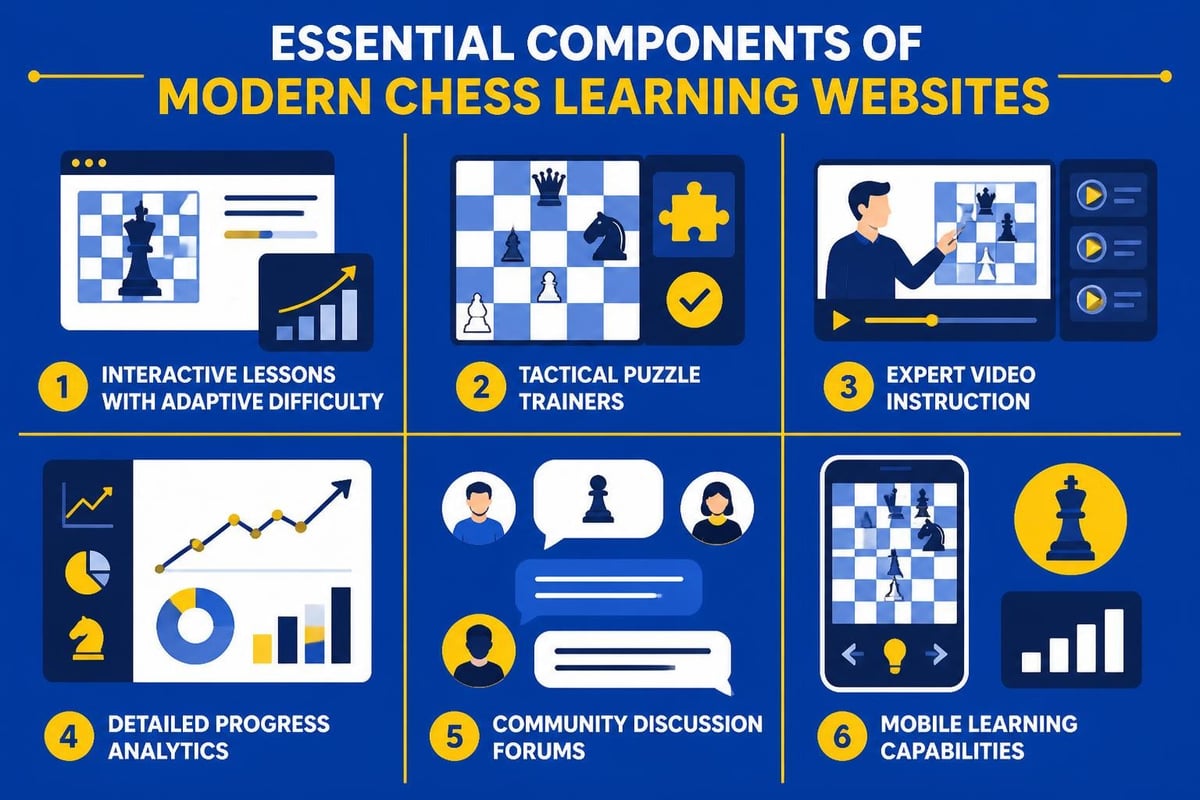
The best platforms combine multiple learning methods to keep things engaging. Here's what you should expect:
- Interactive lessons that adapt to your skill level
- Tactical puzzle databases with thousands of positions
- Video content from experienced coaches and grandmasters
- Progress tracking so you can see your improvement over time
- Community features for discussing ideas with other players
- Mobile compatibility for learning on the go
A truly effective website doesn't just teach you moves-it helps you understand the why behind them. This is particularly important when you're studying openings, where knowing the principles matters more than memorising variations.
Different Learning Styles, Different Platforms
Here's something most people don't consider: your preferred learning style should influence which platform you choose. Do you learn best by reading, watching videos, or solving puzzles? Some chess learning websites excel at one approach whilst others offer a balanced mix.
For instance, if you're someone who absorbs information better through visual demonstrations, you'll want a platform with extensive video libraries. On the other hand, if you prefer hands-on practice, a website with robust puzzle trainers and interactive exercises will serve you better. The best website to learn chess for you depends entirely on how your brain processes information.
Top Chess Learning Websites Compared
Let's examine the major players in the chess education space and what makes each one unique. I've spent considerable time on each of these platforms, and they all bring something valuable to the table.
The Free Powerhouses
| Platform | Best For | Standout Feature | Drawbacks |
|---|---|---|---|
| Lichess | All levels | Completely free, no ads | Less structured curriculum |
| Chess.com (Free) | Beginners | Polished interface | Limited lessons in free tier |
| ChessKid | Children | Age-appropriate content | Only for young players |
Lichess deserves special mention as one of the most comprehensive free platforms available. It's entirely open-source and run by volunteers, which means no paywalls or premium features. You get unlimited puzzles, game analysis, and even computer training partners. According to resources compiled by Gateway Chess, Lichess consistently ranks amongst the top free platforms for players at all levels.
Premium Learning Platforms
When you're ready to invest in your chess education, several chess learning websites offer premium content that's genuinely worth the money. These platforms typically provide structured curriculums designed by top coaches and grandmasters.
Chess.com's premium membership unlocks thousands of video lessons organised by topic and skill level. You'll find everything from basic endgames to advanced opening theory. The platform also offers personalised lesson plans based on your playing style and weaknesses identified through game analysis.
Chessable has revolutionised how we memorise chess content through their MoveTrainer™ technology, which uses spaced repetition to help you retain opening variations and tactical patterns. As highlighted by Improving Chess, this science-based approach to memorisation makes Chessable particularly effective for opening preparation.
ChessMood takes a different approach, focusing on building a complete repertoire for white and black. Their courses emphasise understanding over memorisation, which aligns well with modern coaching philosophy.

Specialised Resources for Opening Study
If you're specifically looking to improve your opening repertoire, some chess learning websites cater directly to this need. Opening study requires a different approach than general chess improvement-you need resources that balance theoretical knowledge with practical application.
Building Your Opening Repertoire
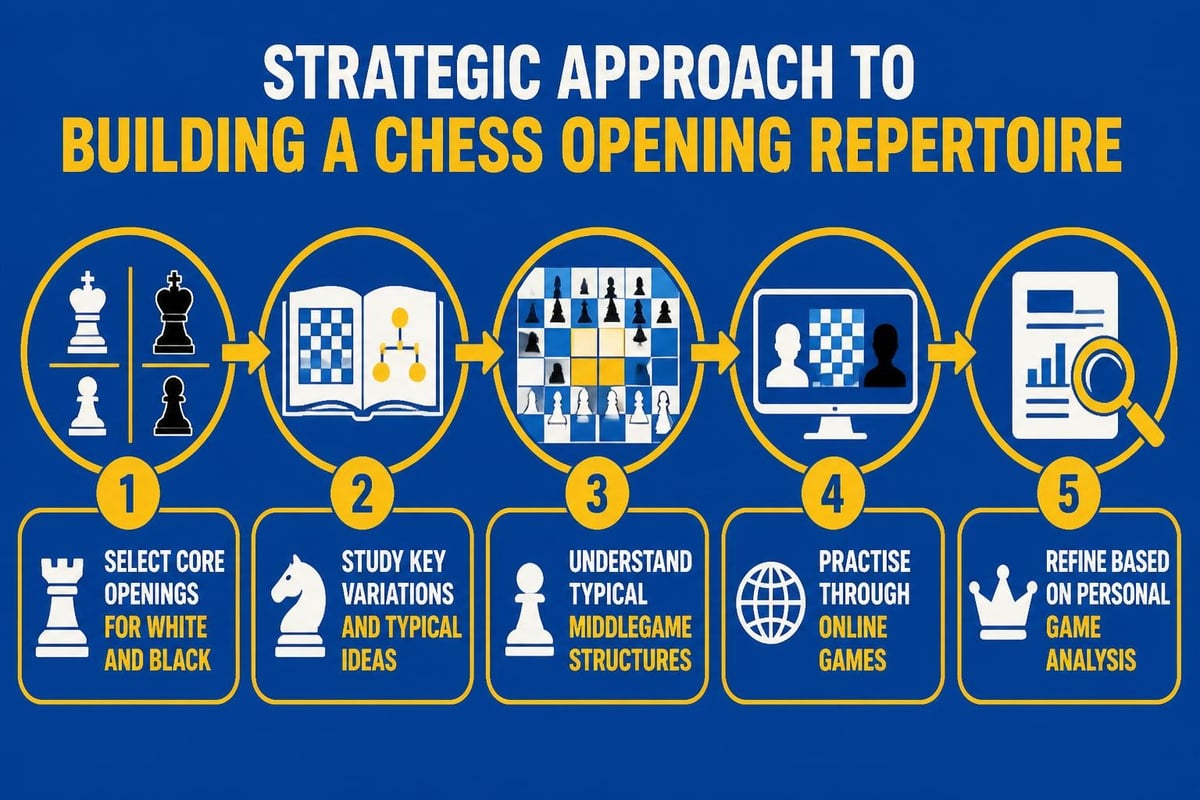
The challenge with openings is finding the sweet spot between having enough weapons in your arsenal and not overwhelming yourself with too many variations. Here's a practical approach:
- Choose one opening for white and stick with it for at least three months
- Select two defences against 1.e4 (one sharp, one solid)
- Pick one defence against 1.d4 that suits your style
- Study the resulting middlegame positions, not just the moves
- Review your games to identify where your opening knowledge failed you
Many players make the mistake of constantly switching openings when they lose a game. Don't fall into this trap. Losses in the opening usually stem from not understanding the position deeply enough, not from the opening itself being flawed.
For those interested in expanding their opening knowledge, studying what top players use can be enlightening. You might explore what opening Magnus Carlsen uses to understand how world-class players think about their repertoire choices.
Video Content vs Interactive Lessons
This is where chess learning websites really differ from one another. Some platforms invest heavily in high-quality video production, whilst others focus on interactive exercises where you make moves and receive immediate feedback.
The Video Approach
Video lessons allow you to see ideas explained on the board by experienced players. You can pause, rewind, and watch at your own pace. The best chess videos for beginners break down complex concepts into digestible chunks and use clear explanations without overwhelming jargon.
The downside? Videos are passive learning. You're watching someone else demonstrate ideas rather than actively engaging with the material. This can lead to the illusion of understanding-you follow along brilliantly whilst watching, then struggle to apply the concepts in your own games.
Interactive Learning Platforms
Interactive lessons flip this dynamic. You're presented with positions where you must find the right move, and the platform provides immediate feedback. This active engagement helps cement concepts in your memory more effectively than passive watching.
However, interactive lessons can sometimes feel mechanical. Without the personality and explanatory depth of a good instructor, you might understand what to do without grasping why it works.
The ideal approach? Use both. Watch videos to understand new concepts, then reinforce them through interactive exercises and puzzles.
Puzzle Training and Tactical Development
Every strong chess player will tell you the same thing: tactics are the foundation of chess improvement. That's why puzzle features are absolutely crucial when evaluating chess learning websites.
How Puzzle Databases Work
Most platforms offer puzzles categorised by theme (pins, forks, skewers, etc.) and difficulty rating. You solve positions under timed or untimed conditions, and your puzzle rating adjusts based on your performance-similar to your playing rating.
The best puzzle systems do more than just show you positions. They:
- Explain the tactical motif after you solve (or fail) the puzzle
- Track which themes give you the most trouble
- Adjust difficulty based on your performance
- Offer similar puzzles to reinforce weak areas
- Provide spaced repetition for long-term retention
Resources like the puzzle collection at Chess Cheat Sheets are designed to target specific weaknesses and build pattern recognition systematically.
Daily Puzzle Habits
Here's a practical tip I've found incredibly valuable: doing 15-20 puzzles daily beats a marathon session once a week. Consistency matters more than volume when building tactical vision.
Set a routine. Maybe you solve five puzzles with your morning coffee and ten more before bed. The key is making it automatic, not something you need to motivate yourself to do.
Community Features and Social Learning
One aspect of chess learning websites that often gets overlooked is the community element. Learning chess doesn't have to be a solitary pursuit.
Forums and Discussion Boards
The best platforms offer spaces where you can discuss games, ask questions, and share insights with other players. When you're stuck on understanding why a particular move works in an opening, getting explanations from multiple perspectives can be enlightening.
Some websites feature game analysis forums where you can post your games and receive feedback from stronger players. This crowdsourced coaching can identify blind spots in your thinking that automated analysis might miss. The Old School Chess comparison of major platforms highlights how community features vary significantly between sites.
Playing and Learning Simultaneously
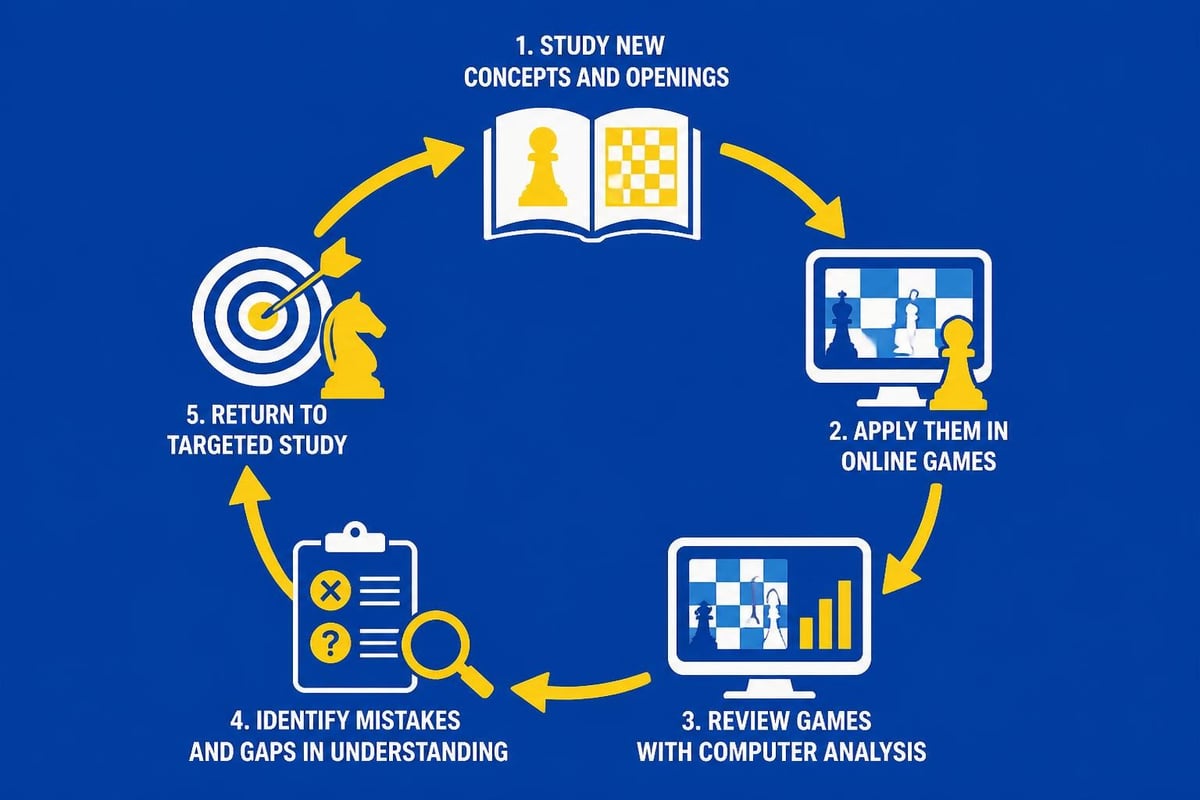
Many chess learning websites integrate playing features with educational content. You can practice a new opening you've just studied, then immediately review the game with computer analysis to see where you deviated from best play.
This tight feedback loop-study, practice, review-accelerates improvement. You're not just accumulating knowledge; you're testing it under game conditions and refining your understanding based on real results.
Mobile Learning and Flexibility
In 2026, if a chess learning website doesn't offer a solid mobile experience, it's falling behind. We're busier than ever, and the ability to squeeze in a lesson during your commute or solve puzzles whilst waiting for an appointment is invaluable.
What to Expect from Mobile Apps
The best chess apps don't just shrink the desktop experience onto a smaller screen. They're designed specifically for mobile use:
- Touch-friendly interfaces for moving pieces
- Offline mode for lessons and puzzles
- Notifications for daily challenges or lesson reminders
- Sync across devices so you can start on mobile and finish on desktop
Some players actually prefer studying on mobile because it forces them to focus on smaller chunks of information. You're less likely to get distracted by multiple browser tabs when you're working from your phone.
Structured Courses vs Self-Directed Learning
This is a fundamental question when choosing amongst chess learning websites: do you want someone to design a curriculum for you, or would you rather explore topics that interest you?
The Case for Structured Learning
Structured courses, particularly for beginners and intermediate players, ensure you don't miss fundamental concepts. A well-designed curriculum builds progressively, introducing ideas in an order that makes sense pedagogically.
For instance, free online chess courses often start with basic tactics and checkmate patterns before moving into opening principles and endgame technique. This foundation-first approach prevents gaps in your understanding.
The Chess House learning resources guide emphasises how structured learning paths help beginners avoid feeling overwhelmed by the vast amount of chess knowledge available online.
The Freedom of Self-Directed Study
On the flip side, once you've grasped the fundamentals, self-directed learning allows you to focus on exactly what you need. Struggling with the endgame? Spend a month exclusively on endgame positions. Keep losing to the Sicilian Defence? Dive deep into anti-Sicilian systems.
This targeted approach can be more efficient than working through a general curriculum that covers topics you've already mastered. The key is honest self-assessment-you need to identify your actual weaknesses, not just study the aspects of chess you already enjoy.
Pricing Models and Value for Money
Let's talk about money. Chess learning websites use various pricing structures, and understanding what you're getting for your investment matters.
Free vs Paid: What's the Difference?
| Aspect | Free Platforms | Paid Platforms |
|---|---|---|
| Lessons | Limited or basic | Comprehensive libraries |
| Puzzles | Usually unlimited | Advanced filtering and tracking |
| Analysis | Basic computer analysis | Deep analysis with multiple engines |
| Support | Community-based | Direct coaching or support |
| Ads | Often ad-supported | Ad-free experience |
The honest truth? You can become a strong player using only free resources. Platforms like Lichess prove that. However, paid platforms often provide better structure, higher-quality instruction, and more comprehensive tracking of your progress.
Subscription vs One-Time Purchase
Most chess learning websites use subscription models-monthly or annual fees for access to all content. This works well if you're actively using the platform regularly, but can feel wasteful during periods when you're not studying intensively.
Some platforms offer course-based purchases where you buy individual courses or content packages. This can be more economical if you only need specific training, though it may cost more if you want comprehensive access.
Think about your learning style and commitment level before choosing. If you're someone who studies daily, a subscription makes sense. If you prefer intensive study periods followed by breaks, individual course purchases might suit you better.
Supplementary Resources and Tools
The best chess learning websites don't exist in isolation. They're most effective when combined with complementary resources like books, cheat sheets, and physical practice.
Cheat Sheets and Quick References
This is where condensed resources really shine. After watching a 30-minute video on the Italian Game, having a one-page cheat sheet that summarises the key variations and ideas becomes incredibly valuable. You can review it before games as a quick refresher without rewatching the entire lesson.
Resources like the Italian Game chess opening guide provide exactly this kind of quick-reference material that complements the deeper learning you're doing on chess learning websites.
Balancing Digital and Physical Study
There's something to be said for occasionally unplugging from chess learning websites and working with a physical board and a good book. The tactile experience of moving pieces can deepen your spatial understanding of the board in ways that purely digital study sometimes misses.
For advanced topics, traditional resources still hold value. If you're diving deep into a specific opening system, combining online lessons with a dedicated book on that opening creates a richer learning experience. You might explore the best chess books to supplement your online study.
Tracking Progress and Setting Goals
One of the biggest advantages of modern chess learning websites is the ability to track your improvement objectively. But data is only useful if you know what to do with it.
Meaningful Metrics to Monitor
Your playing rating is the most obvious metric, but it's not the only one that matters. Consider tracking:
- Puzzle rating progression over time
- Average accuracy in your games
- Time per move in different game phases
- Win rate with specific openings
- Endgame conversion rate when you reach favourable positions
These granular metrics help identify specific areas for improvement. Maybe your overall rating has plateaued, but your puzzle rating is climbing-that suggests your tactical vision is improving but you're struggling with other aspects of play.
Setting Realistic Goals
Here's where many players go wrong: they set outcome goals ("reach 1800 rating by June") rather than process goals ("solve 20 puzzles daily and analyse every game I play"). You can't directly control your rating-it depends on your opponents too-but you can control your study habits.
The chess Elo rating system explained on various platforms can help you understand what rating improvements actually require in terms of skill development.
Choosing the Right Platform for Your Level
Not all chess learning websites cater equally well to all skill levels. What works brilliantly for a beginner might feel elementary to an intermediate player, and vice versa.
For Absolute Beginners
If you're just starting out, prioritise platforms with:
- Clear explanations of basic rules and piece movement
- Guided lessons that build systematically
- Simple interfaces that don't overwhelm
- Patient, encouraging instruction rather than intense theory
- Opportunities to practice against appropriate-strength opponents
The Golden Bay Chess resources and similar collections often include platforms specifically designed with beginners in mind, focusing on making chess accessible rather than comprehensive.
For Intermediate Players
Once you've mastered the basics and are rated somewhere between 1200-1800, your needs change. You want:
- Deeper tactical training with complex positions
- Opening repertoire building resources
- Strategic concept instruction
- Access to master-level games and analysis
- Training modes that simulate tournament conditions
This is where platforms with extensive databases and advanced training tools become valuable. You need resources that challenge you without being incomprehensible.
For Advanced Players
At higher levels (1800+), chess learning websites serve a different purpose. You're less likely to take beginner courses and more interested in:
- Cutting-edge opening theory
- Grandmaster-level analysis and commentary
- Specific weakness training based on detailed game analysis
- Access to large position databases for research
- Opportunities to study with or against similarly strong players
Finding the right chess learning websites for your needs can transform your improvement trajectory from frustrating and slow to engaging and effective. The key is matching the platform's strengths with your learning style, current skill level, and specific goals. Whether you need structured lessons, tactical puzzle training, or opening preparation tools, there's a platform designed for exactly what you're trying to achieve. If you're looking to complement your online training with streamlined, practical resources that you can reference quickly before games or during study sessions, Chess Cheat Sheets offers comprehensive guides, puzzles, and opening resources designed specifically for beginners and intermediate players who want to improve efficiently without drowning in information.


