Are you ready to uncover what makes the sicilian opening the most dynamic and feared chess defense in 2026? From club players to world champions, this legendary response to 1.e4 keeps dominating the board and shaping decisive games everywhere.
In this guide, you’ll get a clear, modern roadmap to mastering the sicilian opening. We’ll break down the main variations, reveal strategic secrets, and show you how today’s top players use it to win. Expect expert tips, practical move orders, and real examples to boost your confidence—so you can play the sicilian opening with power and precision in your own games.
The Sicilian Opening: Foundations and Core Principles
The sicilian opening is one of those rare chess defenses that has truly stood the test of time. If you look back, you'll see its roots stretch all the way to the 16th century, with early mentions by Giulio Polerio. But it wasn’t until the 20th century that this defense exploded in popularity, thanks to legends like Bobby Fischer and Garry Kasparov. Originally, some critics like Capablanca called it “full of holes,” but now it’s the most dynamic and aggressive response to 1.e4. Did you know it’s played in about 25% of all major chess games? Modern world champions—think Carlsen, Anand, Nakamura—have all relied on it to create decisive outcomes and avoid dull draws. If you want a deeper look at its journey and stats, check out this Sicilian Defense's popularity and effectiveness resource.

Historical Evolution and Popularity
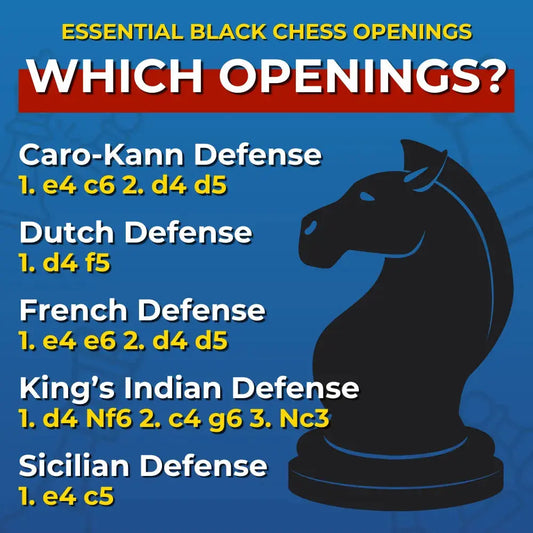
Let’s talk about what makes the sicilian opening so unique. The moment you play 1.e4 c5, you’re breaking from symmetry and entering a world of unbalanced, fighting positions. Black’s c5 pawn isn’t just a move—it’s a statement, fighting for control of the d4 square and opening the c-file for rook activity later on. White often grabs a central space advantage, but Black gets powerful queenside counterplay. The heart of the battle? Trading c5 for d4, which shakes up the pawn structure and creates dynamic imbalances you can exploit. Typical plans involve Black expanding on the queenside with a6 and b5, while White gears up for kingside attacks. In the sicilian opening, both sides need to be ready for a sharp, double-edged fight.
Core Strategic Concepts
Pawn structures are everything in the sicilian opening. You’ll encounter setups like the Scheveningen, Najdorf, Dragon, and Hedgehog—each with its own flavor. Central control is king, especially over squares like d5 and c4. Open files, especially the c-file, become highways for your rooks. Outposts matter too: imagine a knight parked on d5 or c4, dominating the board. Typical piece maneuvers include Black’s bishop fianchetto in the Dragon or rook lifts in the Najdorf. The tension between c5 and White’s e4/d4 pawns shapes every decision, so recognizing these structures gives you a huge edge.
Thematic Pawn Structures and Piece Placement
Why do so many players love the sicilian opening? For starters, it’s a weapon for those who want to win. High winning chances, a treasure trove of theoretical ideas, and totally unbalanced positions—it’s perfect if you want to avoid boring draws or need a must-win scenario. But there’s a flip side. The sicilian opening is famous for requiring lots of study, as there’s a massive amount of theory and some lines are razor-sharp for both sides. It’s easy to get caught in tactical traps or blunder if you’re not careful. Here’s a quick breakdown:
| Pros | Cons |
|---|---|
| High winning chances | Heavy theoretical load |
| Unbalanced, dynamic play | Risk of sharp tactics |
| Great for must-win games | Dangerous for both sides |
Pros and Cons of the Sicilian
If you want to see the sicilian opening in action, just look at some classic and modern showdowns. Fischer’s legendary battles against Spassky in 1972 showed off the Najdorf’s power. Kasparov’s epic wins over Anand in 1995 displayed the depth and flexibility of the Sicilian. Even today, Carlsen uses it to steer games away from well-trodden paths and create fresh, winning chances. The common thread? Top players use the sicilian opening not just to survive, but to seize the initiative and dictate the game’s direction.
Main Variations of the Sicilian Defense
Ready to dive into the heart of the sicilian opening? With so many branches, it can feel like navigating a chess jungle. But understanding these main variations will help you find your way, whether you're just starting out or aiming for grandmaster glory.
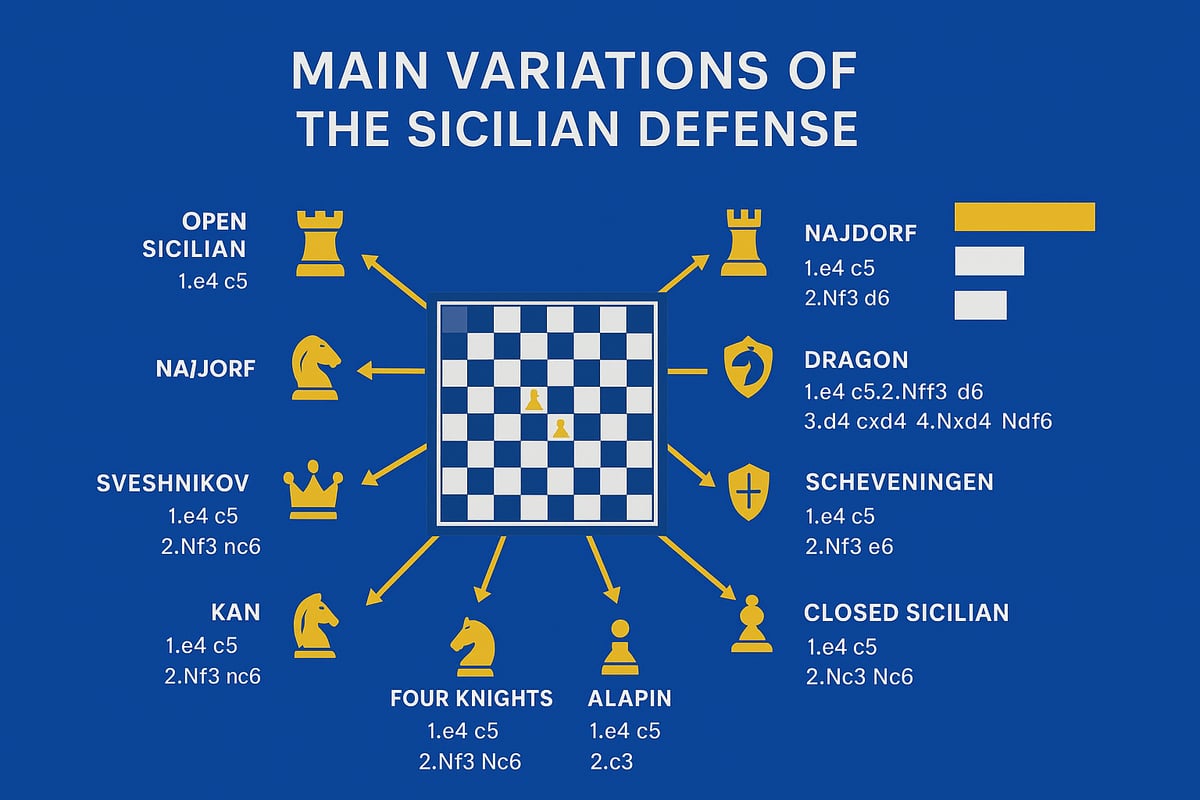
Below is a quick overview table to help you compare the most popular Sicilian lines:
| Variation | Typical Move Order | Key Ideas | Notable Players |
|---|---|---|---|
| Open Sicilian | 1.e4 c5 2.Nf3 d4 cxd4 Nxd4 | Central tension, sharp play | Carlsen, Anand |
| Najdorf | ...a6 | Queenside push, complexity | Fischer, Kasparov |
| Dragon | ...g6, Bg7 | Opposite attacks, tactics | Topalov, Kasparov |
| Scheveningen | ...e6, d6 | Flexibility, solid setup | Karpov, Gelfand |
| Sveshnikov | ...Nc6, e5 | Central space, d5 outpost | Carlsen, Nepomniachtchi |
| Kan/Paulsen | ...e6, a6 | Flexibility, low theory | Adams, Tiviakov |
| Closed/Alapin | 2.Nc3 or 2.c3 | Slow buildup, anti-theory | Club players |
Each of these main branches offers a unique flavor of the sicilian opening. Let’s break them down so you can spot the one that fits your style.
Open Sicilian: The Battleground of Modern Chess
The Open Sicilian is where most of the real action happens in the sicilian opening. After 1.e4 c5 2.Nf3 followed by 3.d4 cxd4 4.Nxd4, the game explodes with possibilities. Over 75 percent of Sicilian games at every level go down this path.
Black now chooses between setups like d6 (leading to Najdorf, Dragon, or Scheveningen), Nc6 (Classical, Sveshnikov), or e6 (Kan, Four Knights). This creates a rich battleground full of sharp, unbalanced positions.
Curious about the details of these branches? Check out the Sicilian Defense Opening Guide for a deep dive into move orders and plans.
Najdorf Variation: The King of Complexity
If you crave chaos, the Najdorf is the crown jewel of the sicilian opening. The move 5...a6 might look simple, but it’s a powerhouse—stopping annoying checks and prepping for b5.
Black aims for queenside expansion, while White often launches a kingside pawn storm (think Be3, f3, Qd2, O-O-O, g4). The Najdorf is famous for its depth, with grandmasters like Fischer and Kasparov pushing the limits of theory. Every game feels like a new adventure.
Dragon Variation: Sharpest Counterattacks
The Dragon is the tactician’s dream in the sicilian opening. Black fianchettoes the bishop with ...g6 and ...Bg7, eyeing the long diagonal.
What follows is often a race: White throws pawns at the kingside (Be3, Qd2, Bh6, f3, g4), while Black counters on the queenside and down the c-file. Games can turn on a single move, and the mutual attacks are legendary. If you love tactics, this is your playground.
Scheveningen and Classical Variations
The Scheveningen (with ...e6 and ...d6) is all about flexibility in the sicilian opening. Black keeps the pawn structure solid, waiting to see what White does next. The Keres Attack (g4, g5) is a common weapon for White.
In the Classical Variation, Black develops with ...Nc6, aiming at e4 and d4. White's Bg5 (Richter-Rauzer) or Bc4 (Sozin) set up direct threats. These lines are perfect if you like a balance between attack and defense.
Sveshnikov and Kalashnikov Variations
Looking for something modern? The Sveshnikov is a bold twist on the sicilian opening. Black plays ...Nc6 and ...e5 early, grabbing space and giving White a juicy d5 outpost.
Despite this, Black gets dynamic play and quick development. The Kalashnikov is similar but skips ...Nf6, making it simpler but still sharp. These lines are popular at the highest levels, thanks to their fighting spirit.
Kan (Paulsen) and Four Knights Variations
The Kan (or Paulsen) is a breath of fresh air if you want flexibility in your sicilian opening. Black plays ...e6 and ...a6, holding back on ...d6 or ...Nc6, so you can adapt as the game unfolds.
The Four Knights Variation is even more straightforward, with both sides bringing out their knights quickly. It’s a great starting point for beginners but still contains plenty of strategic depth.

Closed Sicilian and Alapin Variations
Not a fan of heavy theory? The Closed Sicilian (2.Nc3) and Alapin (2.c3) let you sidestep the main roads of the sicilian opening. White builds up slowly, often with g3 and f4, or tries to sneak in d4 on their terms.
These lines are favorites among club players who want to avoid tactical landmines and keep the game in familiar territory.
No matter which path you choose, the sicilian opening offers a style for everyone. Try out a few lines, see which positions you enjoy, and let your chess personality shine.
Mastering Sicilian Strategy: Key Plans and Tactical Themes
Unlocking the secrets of the sicilian opening means going beyond memorizing moves. It’s about understanding the ideas, recognizing patterns, and knowing when to launch an attack or defend. Let’s break down the strategic and tactical themes that make the sicilian opening such a powerful weapon for players of all levels.
Central Control and Counterplay
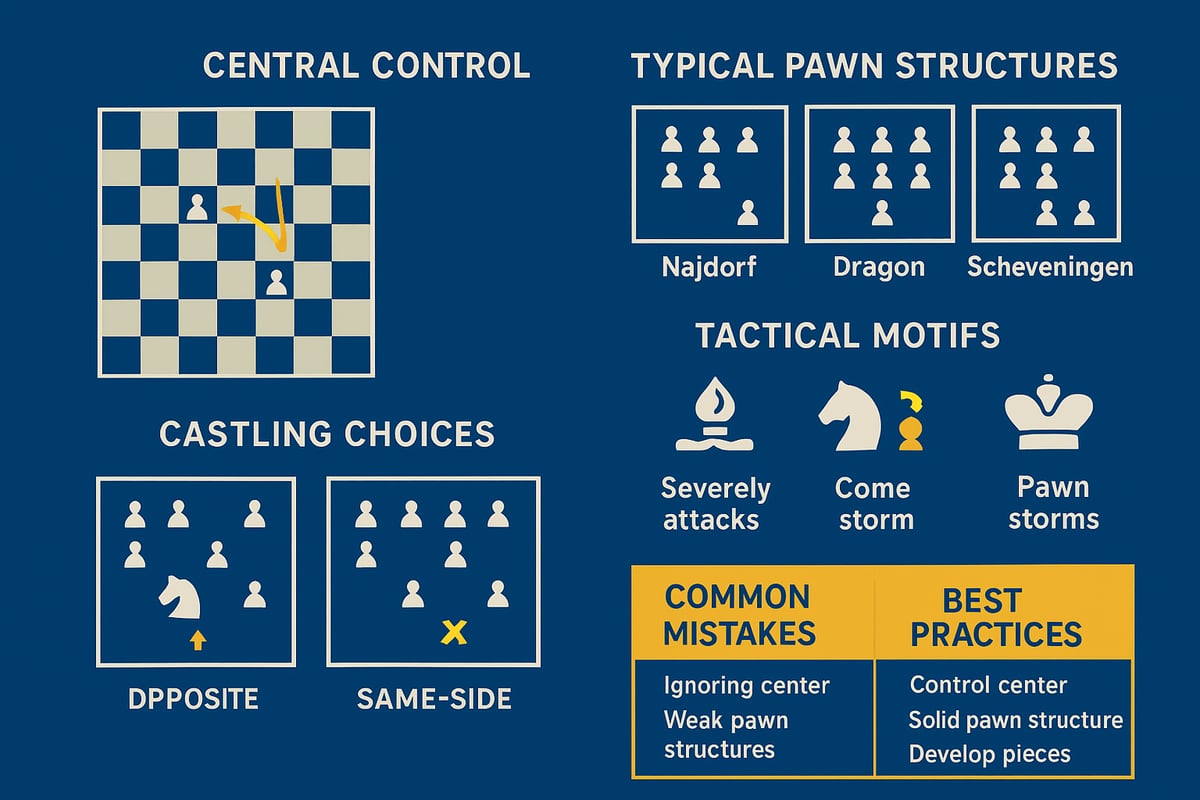
Central tension is the heartbeat of the sicilian opening. White aims to dominate the center with pawns and rapid development, while Black counters by targeting the queenside and fighting for d4.
- White’s main plan: seize space with e4 and d4, develop quickly, and look for kingside attacks.
- Black’s counterplay: expand on the queenside with a6 and b5, use the c-file for rook activity, and prepare d5 breaks.
- Both sides must time pawn breaks carefully. For Black, ...d5 can equalize or even seize the initiative. For White, f4 or g4 can ignite a kingside assault.
These battles for control define whether the game stays balanced or explodes into tactical chaos.
Typical Sicilian Tactics
The sicilian opening is a playground for sharp tactics and creative sacrifices. Here are some motifs you’ll see again and again:
- Sacrifices like Bxh6 in the Dragon or Nf5 in the Najdorf to rip open enemy defenses.
- Exchange sacrifices on c3 or c6, especially when a rook can dominate the open c-file.
- Outposts: White often plants a knight on d5, while Black eyes the c4 square.
Here’s a classic move sequence:
1.e4 c5 2.Nf3 d6 3.d4 cxd4 4.Nxd4 Nf6 5.Nc3 a6 6.Bg5 e6 7.f4 Qb6
Notice how quickly both sides create threats and set tactical traps in the sicilian opening.
King Safety and Castling Choices
Castling is never a routine choice in the sicilian opening. Your king’s safety can change with every move, depending on the variation.
Let’s compare:
| Castling Style | Typical Variations | Main Risks | Main Plans |
|---|---|---|---|
| Opposite-side | Dragon, Najdorf | Mutual pawn storms, fast attacks | Attack before opponent does |
| Same-side | Scheveningen, Kan | Slower buildup, maneuvering | Prepare breaks, defend carefully |
If you delay castling or castle on the “wrong” side, you might walk into a devastating pawn storm or a surprise piece sacrifice.
Piece Placement and Coordination
In the sicilian opening, every piece has a job. Coordinating your forces is the key to success.
- Black’s fianchettoed bishop in the Dragon variation controls the long diagonal.
- White’s knights love outposts like d5, while Black’s leap to c4 in the Najdorf.
- Rooks thrive on the open c-file, ready to invade the seventh rank or support pawn breaks.
Always look for ways to improve your pieces together, not just one at a time.
Transitioning from Opening to Middlegame
Knowing when to switch gears is essential in the sicilian opening. Should you keep building up, or is it time to strike?
- Attack if you have more space or your opponent’s king is exposed.
- Consolidate if you’re ahead in development or your opponent overextends.
- Move orders matter: For example, Black’s ...e5 or ...d5 can steer the game into favorable territory.
Use your opening knowledge to reach middlegames that fit your style and strengths.
Common Mistakes and How to Avoid Them
Even experienced players stumble in the sicilian opening. Here are the pitfalls to watch out for:
- Overextending on one wing without enough backup.
- Ignoring your king’s safety while chasing an attack.
- Missing your opponent’s counterplay on the opposite flank.
If you want a deeper dive into the challenges and learning curve, check out How Difficult Is the Sicilian Defense for practical tips on mastering complexity.
Stay alert, and always ask yourself: Am I prepared for my opponent’s best moves?
Example Game Analysis
Let’s look at Fischer’s Najdorf masterpiece against Spassky in 1972. Fischer used the sicilian opening to create dynamic imbalances, outmaneuvering his opponent with timely pawn breaks and sharp tactical play.
In a classic Dragon game, both sides castled on opposite flanks. White launched a kingside pawn storm, Black countered on the queenside, and the tension exploded in a flurry of sacrifices and counterattacks.
Studying such games helps you recognize key plans, tactical ideas, and when to seize your moment in the sicilian opening.
Adapting to Modern Trends: Sicilian Theory and Preparation for 2026
Staying ahead in chess means keeping up with constant change. The sicilian opening is evolving rapidly, shaped by new ideas, engine discoveries, and trends at every level. Whether you’re a club player or an aspiring master, adapting your preparation is crucial if you want to score big with the sicilian opening in 2026.

Current Theoretical Developments
The sicilian opening is thriving in the hands of both grandmasters and engines. In recent years, new ideas like 6.h3 in the Najdorf and early h4 pushes in the Dragon have shaken up main lines. Top engines such as Stockfish and Lc0 are testing the boundaries, suggesting surprising pawn sacrifices and move orders that humans rarely considered before.
Many players now rely on cloud analysis and engine-backed databases. This means popular variations can change overnight. If you want to keep up, check out Sicilian Defense: Modern Variations for a deep dive into what’s trending right now.
Practical Preparation for Club and Online Play
How do you prepare for the fast-paced world of online and club chess? Start by choosing a sicilian opening line that fits your style and time commitment. If you love tactics, the Dragon or Najdorf might suit you. Prefer simplicity? Try the Kan or Alapin.
Balance is key. Don’t try to memorize everything. Instead, focus on understanding typical pawn structures and key plans. Use chess databases to spot popular lines and prepare sneaky surprises. Training with opening trainers or digital flashcards can help you remember move orders when the clock is ticking.
Training Methods and Resources
Smart training makes all the difference with the sicilian opening. Regularly review recent GM games in your chosen lines, especially those played online since trends shift fast. Set up themed tactics puzzles to drill the motifs that matter most, like sacrifices on c3 or f5.
Opening trainers and puzzle vaults are great for reinforcing patterns. You might even record your own notes or cheat sheets for quick reference. The more you practice these, the more second nature your sicilian opening responses become at the board.
Typical Opponent Responses and How to Counter Them
Facing the sicilian opening means you’ll meet a host of anti-Sicilian tries. The Grand Prix Attack, Smith-Morra Gambit, and Moscow/Rossolimo are favorites at club level. Each brings its own set of traps and plans.
Prepare by understanding Black’s best responses. Against the Alapin, study setups with ...d5 or ...Nf6. If someone plays the Closed Sicilian, focus on queenside play and timely ...d5 breaks. The goal is always to steer the game back toward positions you know well, turning sidelines into opportunities.
Statistical Insights and Performance Data
What does the data say about the sicilian opening in 2026? Numbers show that mainline Sicilians like the Najdorf still offer Black excellent winning chances and lower draw rates compared to e4 e5. The Dragon remains volatile, leading to decisive outcomes, while the Sveshnikov is increasingly balanced but double-edged.
Here’s a quick comparison:
| Variation | Black Win % | Draw % | White Win % |
|---|---|---|---|
| Najdorf | 25 | 43 | 32 |
| Dragon | 22 | 38 | 40 |
| Sveshnikov | 23 | 46 | 31 |
| Kan | 21 | 44 | 35 |
For more on win rates by rating, check out the Sicilian Defense win rates across skill levels.
Step-by-Step Guide: Building and Using Your Sicilian Repertoire in 2026
Ready to transform your chess play with a bulletproof sicilian opening repertoire? Let’s break down the process into simple, actionable steps, so you can build confidence and score more wins in 2026.
Step 1: Choose Your Sicilian Variation
First, ask yourself: What kind of chess do you enjoy? The sicilian opening offers a wide range of styles, from sharp and tactical to slow and strategic. If you love fireworks, the Najdorf or Dragon may be your best bet. Prefer structure and flexibility? The Kan or Scheveningen could suit you.
To make the perfect choice, try the Chess Openings Quiz. It helps you discover which sicilian opening fits your personality and goals.
Step 2: Learn Core Move Orders and Traps
Mastering the sicilian opening requires you to know the main move sequences inside out. Study common lines for your chosen variation, and don’t forget the classic traps. For example, the Poisoned Pawn in the Najdorf or the Yugoslav Attack in the Dragon can catch unprepared opponents.
Use cheat sheets, online trainers, or even flashcards to make memorization easier. As you practice, you’ll spot these patterns instantly over the board.
Step 3: Understand Typical Plans and Pawn Structures
Every sicilian opening line has its own strategic plans and hallmark pawn structures. Spend time exploring typical ideas, like queenside expansion for Black or kingside pawn storms for White. Knowing when and how to strike with moves like ...d5 or ...b5 is crucial.
Analyze model games to see these plans in action. The more you absorb, the more natural your play becomes in the middlegame.
Step 4: Prepare for Anti-Sicilian Systems
Not every opponent will let you play your favorite sicilian opening mainline. Many club players opt for sidelines like the Grand Prix, Smith-Morra Gambit, or Alapin. Don’t get caught off guard.
Study the main countermeasures for Black. For instance, against the Alapin, moves like ...d5 or ...Nf6 can quickly neutralize White’s ideas. Following examples from top players like Tiviakov can give you a practical blueprint.
Step 5: Practice with Thematic Puzzles and Real Games
Putting your sicilian opening knowledge to the test is key. Solve tactical puzzles taken from your lines to sharpen your calculation and pattern recognition. Regularly play practice games, either online or over the board, focusing on your repertoire.
After each game, review your moves. Look for recurring mistakes or missed opportunities, and use those lessons to improve your opening preparation.
Step 6: Stay Updated and Continuously Improve
The sicilian opening is constantly evolving, with new ideas appearing in grandmaster games and online databases. Stay ahead by following recent matches in your lines, and be ready to refresh your repertoire as trends shift.
Resources like the Chess Openings Overview can help you keep your knowledge fresh and spot new opportunities to expand your arsenal.
Example: Building a Najdorf Repertoire
Let’s walk through a sample Najdorf setup. First, decide on your preferred move orders, such as Be3 versus Bg5. Prepare for White’s most popular plans, like the English Attack or the subtle 6.h3 sideline.
Study annotated games and try tactical exercises specific to the Najdorf. This hands-on approach makes your repertoire practical and battle-ready for real games.
Additional Tips for Tournament Success
When it’s time to compete, remember a few practical tricks. Manage your clock wisely, especially if you face opening surprises. Stay calm and confident, even when you’re in deep theory or a rare sideline.
Adjust your approach for different formats. In blitz or rapid, trust your preparation and play quickly. In classical games, take your time to recall key ideas and calculate carefully. With a solid sicilian opening repertoire, you’ll be ready for any challenge.
So, after diving into all these Sicilian strategies and practical tips, you might be wondering—how do you actually turn this knowledge into better results in your own games? The truth is, having a clear, easy-to-follow plan (especially with so many sharp variations out there) can make all the difference. If you want to build real confidence with your openings, why not take the next step and give yourself an edge? You can Start Improving Your Openings with resources designed to make learning the Sicilian (and a whole lot more) simple, memorable, and actually fun. Give it a try—your future self will thank you!