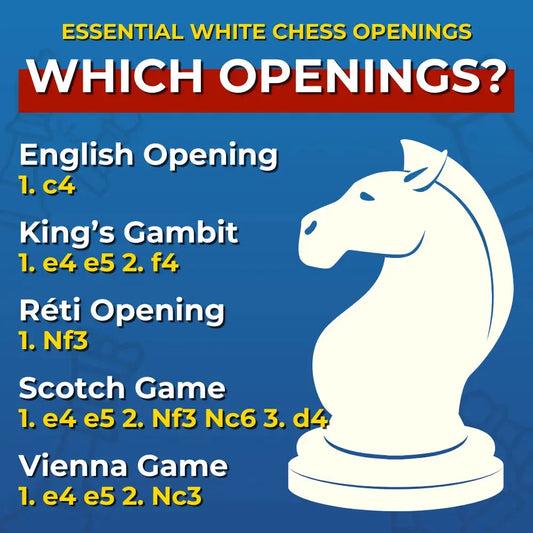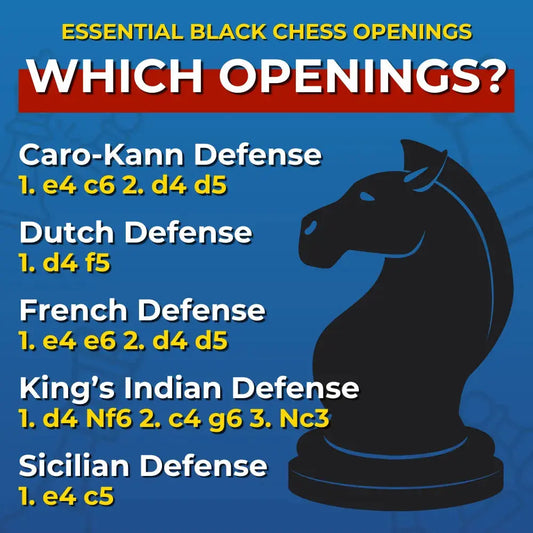
What makes chess so captivating after centuries? The answer lies in its endless depth and the way it keeps evolving, even in 2026.
If you are interested in playing the game of chess at any level, this guide is for you. We blend classic fundamentals with the latest trends and digital tools.
You will discover modern opening theory, advanced tactics, must-have resources, and proven steps to boost your skills. Ready to master chess? Let’s get started.
The Foundations of Modern Chess in 2026
Modern chess has never been more dynamic or accessible. If you’re playing the game of chess today, you’re part of a global movement that’s blending tradition with cutting-edge tech. Whether you’re new or returning, understanding how the foundations have evolved is the first step toward mastery.
Evolution of Chess Fundamentals
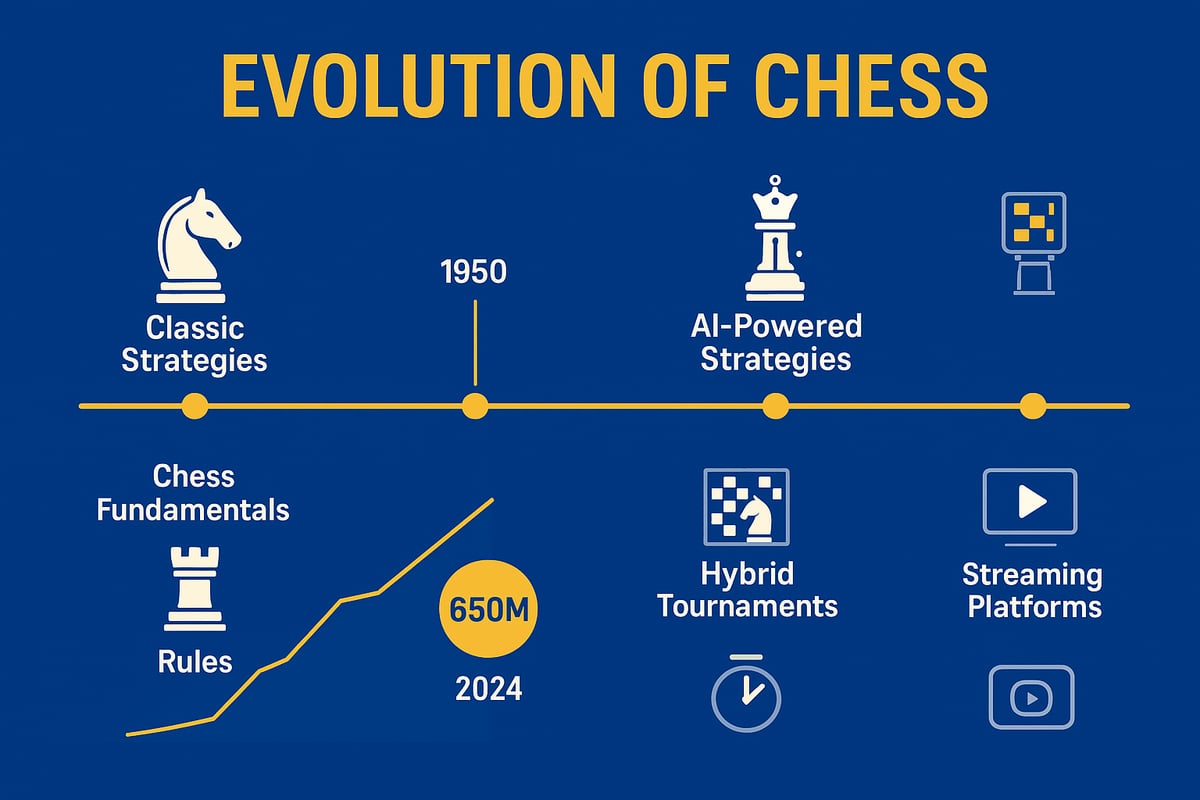
The core principles of playing the game of chess—control the center, develop your pieces, safeguard your king—have stood the test of time. Yet, these fundamentals have shifted dramatically due to computer analysis and the rise of AI.
AlphaZero’s unique style, for example, has influenced opening play, making players rethink early pawn moves and piece activity. Today, priorities in the middlegame and endgame often reflect insights from engines rather than old textbooks.
With FIDE reporting 650 million players worldwide in 2024, the popularity of hybrid classical-rapid formats is soaring. The secret? Blending timeless strategies with innovative, data-driven techniques.
Essential Rules and Notation Refresher
Even if you’ve played before, a quick refresher on the rules and notation can sharpen your edge when playing the game of chess. Today’s digital boards and online events use algebraic notation, making it easier to follow and record moves.
Common rule mix-ups, like en passant and castling, trip up many players. Notation is now seamlessly integrated in online tournaments, helping avoid confusion. FIDE’s 2025 updates refined some official rules, so staying current matters.
For a handy summary of rules and basics, check out the How to Play Chess Cheat Sheet—it’s perfect for new and returning players.
Understanding Time Controls and Formats
Time controls are a major part of playing the game of chess in 2026. You’ll encounter formats like classical, rapid, blitz, and bullet, each with unique pacing and strategy.
Online blitz and bullet have surged in popularity, with Chess.com reporting a 30% jump in games played. The choice of time control impacts your decision-making and preparation style.
Just look at Magnus Carlsen, who excels in every format. Whether you prefer deep calculation or quick instincts, understanding these formats lets you choose what suits your strengths.
| Format | Typical Time | Style |
|---|---|---|
| Classical | 90+30 | Deep, slow |
| Rapid | 15+10 | Balanced |
| Blitz | 3+2 | Fast, tactical |
| Bullet | 1+0 | Lightning |
The Psychological Side of Chess
Mastering the mental game is essential when playing the game of chess competitively. Focus, resilience, and the ability to bounce back from losses (“tilt”) set top players apart.
Performance anxiety is common, but science shows chess boosts cognitive skills and mental stamina. Grandmasters rely on routines—like meditation, visualization, and warm-ups—to enter a focused state before matches.
Your mindset matters as much as your openings. Building mental toughness means you’ll keep improving, even after tough games. Think of each match as a training ground for both your mind and your moves.
Key Digital Trends in Chess
Digital innovation is reshaping playing the game of chess in 2026. AI-powered analysis tools, online tournaments, and hybrid events have become the new normal.
Streaming on platforms like Twitch and YouTube has brought chess to massive audiences, sparking a boom in player engagement. Social media connects enthusiasts, while digital boards and apps make training easy and fun.
The Twitch chess explosion means more resources, live commentary, and learning opportunities than ever before. Embracing these tech trends helps you stay ahead, whether you’re aiming for casual fun or serious competition.
Opening Mastery: 2026’s Most Effective Approaches
Mastering openings is one of the most exciting parts of playing the game of chess. In 2026, the landscape of opening preparation has changed dramatically, blending centuries-old ideas with cutting-edge technology. Whether you are a beginner or a seasoned competitor, understanding how to approach openings today is essential for success. Let’s break down the latest trends and tools that will help you take command from the very first move.
The State of Opening Theory in 2026
If you have been playing the game of chess for a few years, you have seen opening theory transform rapidly. Artificial intelligence and massive online databases now drive the evolution of opening preparation. In 2026, the most-played openings include the Queen’s Gambit, Italian Game, and Sicilian Defense, each updated with new twists thanks to engines like Stockfish 16.
Statistics from ChessBase 2025 show the Queen’s Gambit and Italian Game leading with the highest win rates. AlphaZero’s influence is clear, as players adopt more flexible and dynamic setups, often prioritizing piece activity over material. The lines between “main line” and “sideline” have blurred, with novelties appearing in every major tournament. To stay competitive, you need to blend foundational knowledge with the latest AI-driven discoveries when playing the game of chess.
Building a Repertoire for All Skill Levels
Building a strong opening repertoire is critical when playing the game of chess, regardless of your experience. Beginners should focus on reliable systems like the London System and Italian Game to develop a solid foundation. Intermediate and advanced players often branch out into sharp lines such as the Najdorf Sicilian or the Nimzo-Indian Defense.
A smart approach is to match your openings to your preferred playing style. Want something solid? Try the London. Prefer tactical fireworks? The Sicilian awaits. Top juniors in 2026 balance classical mainlines with surprise weapons to stay unpredictable. If you are just starting out, the Chess Openings Guide for Beginners is a great resource for building your first repertoire with confidence.
Preparing for Opponent Types and Styles
When playing the game of chess, you will face a wide variety of opponents. Some play aggressively, launching early attacks, while others prefer slow, positional maneuvering. To succeed, you need to tailor your openings to counter their strengths. For example, against aggressive players, choose solid defenses that neutralize their plans. Against positional players, look for dynamic lines that create imbalances.
Elite tournaments in 2026 feature many anti-Sicilian systems and surprise weapons. If you want to stay ahead, study recent games and prepare a few offbeat lines. This proactive approach keeps your opponents guessing and gives you a psychological edge before the middlegame even begins.
The Role of Preparation and Memory
Memory still plays a key role in playing the game of chess, but understanding the underlying ideas has become just as important. With databases and opening explorer tools at your fingertips, you can prepare deeply for your next opponent. However, memorizing endless lines without grasping their purpose will only get you so far.
Top players like Hikaru Nakamura combine detailed prep with flexible thinking. They use tools to identify trends but rely on their intuition to navigate unfamiliar territory. By balancing memorization with understanding, you will be ready to handle both prepared lines and unexpected surprises in your games.
Avoiding Common Opening Mistakes
Everyone makes mistakes when playing the game of chess, especially in the opening phase. Common traps include falling for early tactics, overlooking threats, or misapplying opening principles. Each major opening has its own set of pitfalls, from the infamous Fool’s Mate to more subtle errors in the Sicilian or Italian.
The key is to learn typical traps and know how to recover if you go astray. Review annotated games and practice with puzzles that focus on opening tactics. Recognizing these patterns will save you valuable points and help you steer the game back on track, even after a shaky start.
Leveraging Visual Learning Tools
In 2026, visual aids have become essential for mastering openings while playing the game of chess. Cheat sheets, infographics, and interactive guides simplify complex lines and help you remember key ideas. Many club players now use digital toolkits that break down openings into easy-to-follow visuals.
These resources speed up learning and retention, making it easier to recall plans during actual games. If you are a visual learner, incorporating these tools into your study routine can make a significant difference in your opening results and overall confidence.
Chess Cheat Sheets: Streamlining Your Opening Preparation
If you want to save time while playing the game of chess, Chess Cheat Sheets is your secret weapon for rapid opening mastery. Their visual, plug-and-play guides are perfect for beginners and intermediates looking for efficient improvement. You get instant digital access to a comprehensive library covering all major openings, tactics, and endgames.

Free resources, like the Scandinavian Defense Toolkit, offer a taste of their quality. Chess Cheat Sheets is trusted by thousands worldwide, making it an accessible and effective tool for anyone aiming to sharpen their opening play and elevate their results in 2026.
Advanced Tactics and Middlegame Strategy
When you’re playing the game of chess in 2026, mastering advanced tactics and middlegame strategies is what separates casual players from true competitors. Whether you’re just starting out or aiming for your next rating milestone, understanding how to spot patterns, calculate quickly, and make strategic decisions is key.
Pattern Recognition and Calculation Techniques
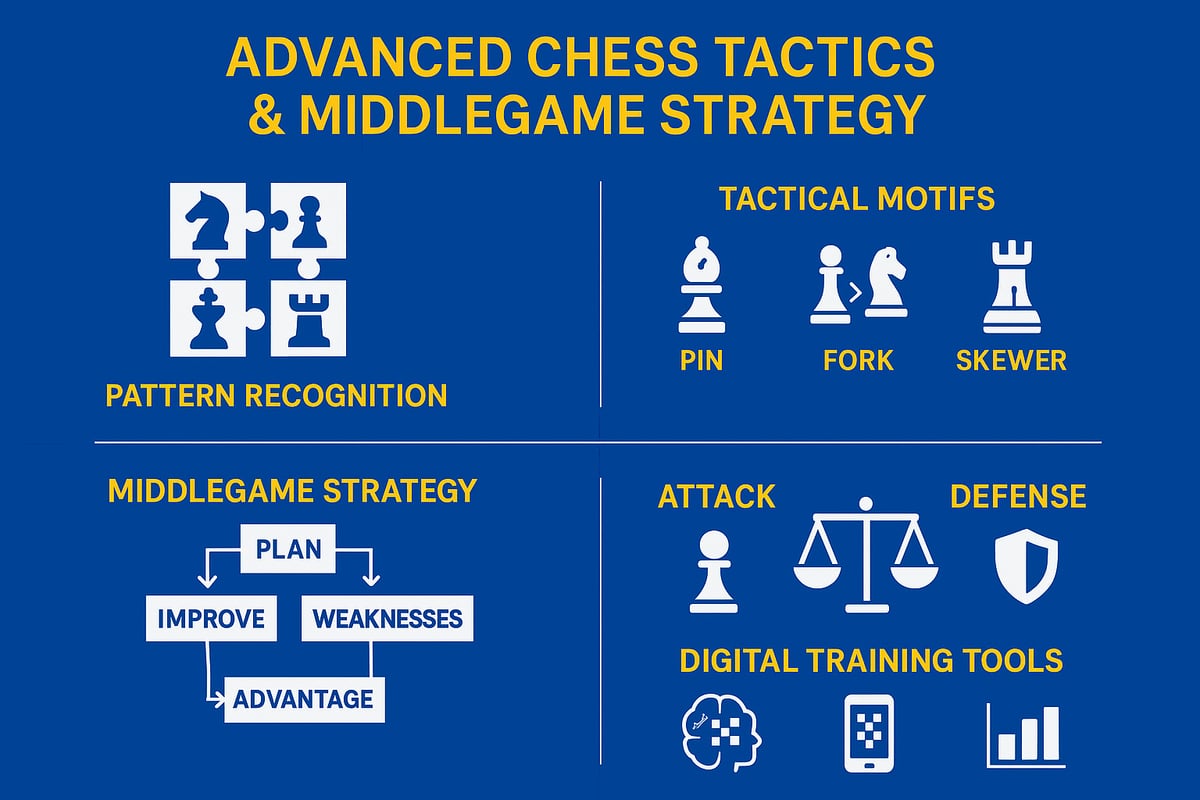
Pattern recognition has become the backbone of playing the game of chess at any level. Spotting familiar tactical shots—like forks or pins—lets you act quickly and confidently. If you want to boost your calculation speed, try daily puzzle rush challenges or tactical motif training.
Many top players use a structured approach:
- Identify threats and checks first
- Visualize short sequences before calculating deeper lines
- Practice with puzzles that mimic real-game positions
Studies show players who solve puzzles daily improve their rating 15% faster. If you’re serious about sharpening your eye for tactics, check out resources like Improve Positional Skills with Chess Puzzles, which guide you through practical, pattern-based exercises. Making this a habit is one of the quickest ways to level up when playing the game of chess.
Key Tactical Themes in 2026
The tactical landscape for playing the game of chess in 2026 is richer than ever. Classic themes—pins, forks, skewers, discovered attacks—still rule, but AI has inspired new hybrid tactics that blend these ideas in creative ways.
Let’s look at a quick table of popular motifs:
| Motif | Example Use | Frequency (2026) |
|---|---|---|
| Pin | Immobilize piece | Very High |
| Fork | Double attack | High |
| Skewer | Attack behind | Moderate |
| Discovered Attack | Surprise threat | High |
Recent grandmaster games often feature layered tactics, so staying alert to combinations is vital. When you’re playing the game of chess, keep your tactical radar switched on throughout the middlegame.
Strategic Planning in the Middlegame
Great tactics are only half the battle. The real art of playing the game of chess is in your middlegame planning. This means building actionable plans based on pawn structure, piece activity, and your opponent’s weaknesses.
A simple approach:
- Assess the center and open files
- Identify your good and bad pieces
- Formulate a plan (attack, defend, improve pieces)
- Stay flexible if the position changes
For instance, in the Queen’s Gambit, classic plans focused on central control, while modern approaches emphasize dynamic piece play. When you’re playing the game of chess, always connect your moves to a larger plan—don’t just chase tactics.
Balancing Attack and Defense
A common challenge when playing the game of chess is knowing when to press forward and when to consolidate. If you attack too early, you risk overextending. If you only defend, you can miss counterplay opportunities.
Modern defensive tools include:
- Building a fortress (solid pawn structure)
- Prophylactic moves (anticipating threats)
- Timely counterattacks
Some of the best games in 2026 showcase players switching seamlessly between attack and defense. Learning this balance means you’ll be ready for whatever comes your way when playing the game of chess.
Utilizing Digital Analysis and Training Tools
The digital revolution has changed how people approach playing the game of chess. AI engines now offer real-time blunder checks and move suggestions. Training platforms like Lichess, Chess.com, and ChessBase provide endless opportunities for practice.
Many young stars follow this routine:
- Play a game, then review with engine analysis
- Focus on blunders and missed tactics
- Practice with targeted drills based on weaknesses
Using these digital tools regularly gives you a clear edge. If you want to stay ahead when playing the game of chess, make tech your training partner.
Endgame Excellence: Winning in the Final Phase
Mastering the endgame is often what separates good players from great ones. If you want to truly excel at playing the game of chess, understanding the final phase is a must. The endgame is where precision, patience, and knowledge come together, often turning a close match into a victory.
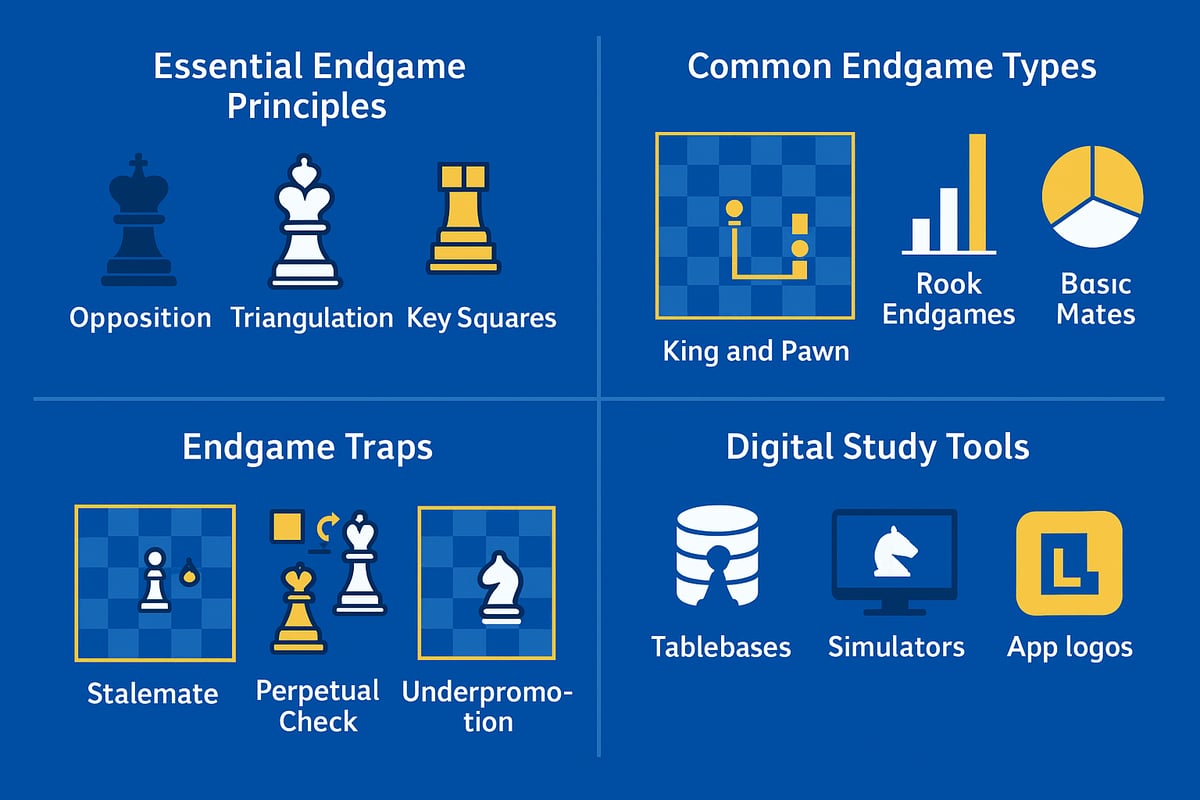
Essential Endgame Principles
Let’s start with the foundations. When playing the game of chess, knowing concepts like opposition, triangulation, and key squares in pawn endings can save or win you games. The opposition is all about controlling the vital squares in front of the kings, often determining who can advance a pawn.
Triangulation is a sneaky way to lose a move, forcing your opponent into a worse position. Key squares help you figure out when your king can support pawn promotion. Don’t forget the 50-move rule, which states if no pawn move or capture occurs within 50 moves, the game is a draw.
Magnus Carlsen’s legendary endgame wins show how these principles are used at the highest level. Practicing these basics gives you confidence and control in those critical final moments.
Critical Endgame Types and Techniques
You’ll encounter several core endgame types when playing the game of chess. The most common is king and pawn versus king, where knowledge of key squares and opposition is crucial. Basic checkmates, like king and queen or king and rook against king, are essential skills every player should master.
Rook endgames are the most frequent in practical play. Did you know that rook and pawn endgames end in a draw 46% of the time, according to 2025 stats? Learning the Lucena and Philidor positions can help you convert these endings or defend stubbornly.
Here’s a quick summary:
| Endgame Type | Key Concept | Draw Rate |
|---|---|---|
| King & Pawn vs King | Opposition | Low |
| Rook Endgames | Lucena/Philidor | 46% |
| Queen Endgames | Perpetual Check | Varies |
Common Endgame Traps and How to Avoid Them
It’s easy to fall for traps in the endgame, especially under pressure. While playing the game of chess, be on the lookout for stalemates, where your opponent has no legal moves but isn’t in check, resulting in a draw. This can turn a winning position into an instant half-point.
Perpetual check is another classic trick, where repeated checks force a draw even if you’re ahead. Underpromotion, choosing a knight or rook instead of a queen, can also surprise you or your opponent in certain positions.
Online play has made these blunders more visible, with recent games showing even strong players missing simple wins due to nerves or time trouble. Staying alert and reviewing common traps helps you avoid these costly mistakes.

Endgame Resources and Study Tools
Improving your endgame skills is now easier than ever. If you’re serious about playing the game of chess at a higher level, take advantage of tablebases that show perfect play in simple endings. Endgame simulators and digital guides let you practice key techniques on your own schedule.
Many titled players use structured routines, focusing on one endgame type per week. Apps and online platforms provide drills, puzzles, and instant feedback. According to Chess.com 2025 Player Improvement Statistics, players who regularly study endgames see consistent rating gains.
Set aside time each week to review endings, and you’ll see your confidence and results grow in real games.
Digital Chess in 2026: Platforms, Tools, and AI Integration
The digital landscape for playing the game of chess in 2026 has never been more exciting. Whether you are a casual player or an aspiring grandmaster, the tools and communities available online can help you grow, compete, and connect. The chess world is now powered by a blend of sophisticated technology and vibrant communities, making improvement more accessible than ever.
Top Online Chess Platforms and Features
When it comes to playing the game of chess online, four platforms stand out in 2026: Chess.com, Lichess, Chess24, and Play Magnus. Each offers unique features for players at every level.
| Platform | User Base (2025) | Key Features |
|---|---|---|
| Chess.com | 150M | Puzzle rush, tournaments, coaching, AI analysis |
| Lichess | 60M | Open-source, custom studies, free analysis tools |
| Chess24 | 20M | Live commentary, pro lessons, multi-language support |
| Play Magnus | 10M | Magnus Trainer, challenge Magnus bots, learning paths |
With rapid growth in global participation, platforms like Chess.com have seen record engagement, as highlighted by FIDE's 2024 Rating Analytics. These platforms make playing the game of chess more interactive and social, giving you instant access to matches, puzzles, and coaching.
AI and Chess Engines: Training and Analysis
Artificial intelligence has revolutionized playing the game of chess. Engines like Stockfish, Leela Chess Zero, and AlphaZero provide real-time analysis, blunder checks, and deep insights into your games. These tools help players of all levels review openings, middlegame tactics, and endgame technique.
AI engines are not just for post-game analysis. Many platforms now offer in-game suggestions, adaptive hints, and even simulate human-like opponents. AlphaZero’s creative play style has inspired new opening novelties, and Stockfish 16 continues to set the standard for engine strength. With these tools, you can sharpen your skills and keep up with the latest trends in playing the game of chess.
Streaming, Content, and Community Engagement
Chess streaming and online content have brought a new level of excitement to playing the game of chess. Platforms like Twitch and YouTube feature top streamers who break down games, analyze tactics, and engage with viewers in real time. Discord servers and Reddit groups let you connect with fellow enthusiasts, discuss strategies, and join tournaments.
The educational impact is huge. Hikaru Nakamura, for instance, reached new heights in 2026, drawing in massive audiences and inspiring a new generation to take up playing the game of chess. If you are curious about the world’s top players, you can check out the latest FIDE's 2025 Top Chess Players for insight into the stars shaping the chess community.
Anti-Cheating Measures and Fair Play
As online chess has grown, so have advances in anti-cheating technology. Platforms use AI-driven detection tools to spot irregular patterns and ensure fair competition. FIDE and major sites have implemented strict policies and real-time monitoring, making playing the game of chess online more trustworthy.
High-profile cheating scandals in recent years have led to better prevention outcomes. For players, this means you can focus on your games with confidence, knowing that fair play is a top priority. The chess community continues to work together to maintain integrity and enjoyment for everyone involved.
Personalized Learning and Chess Improvement Apps
Personalized learning is now at the heart of playing the game of chess in 2026. Adaptive training apps like Chessable, Magnus Trainer, and Aimchess offer lesson plans tailored to your strengths and weaknesses. These apps analyze your games, suggest targeted exercises, and provide instant feedback.
Popular apps include:
- Chessable: Interactive courses and spaced repetition
- Magnus Trainer: Fun mini-games and puzzles
- Aimchess: Data-driven improvement with custom drills
Active users have seen rating gains of up to 200 ELO in six months, showing the power of digital training for playing the game of chess. With these resources, you can set clear goals, track your progress, and enjoy continuous improvement.
Practical Steps to Chess Improvement in 2026
Are you ready to take your journey of playing the game of chess to the next level? Let’s break down the practical steps every aspiring player needs in 2026. Whether you’re just starting or aiming for mastery, a clear plan is your best friend. Here’s how to make real progress, one move at a time.
Assessing Your Chess Strength and Setting Goals
The first step in playing the game of chess effectively is knowing where you stand. Start by checking your online rating on platforms like Chess.com or Lichess. If you play over-the-board, keep track of your tournament performance and puzzle-solving scores.
Set goals that are realistic and measurable. Do you want to increase your rating by 100 points in six months? Or perhaps you aim to master a new opening? Write down your goals and revisit them monthly. Many club-level players create growth plans that focus on steady improvement, not overnight leaps.
- Check your current ratings and puzzle scores
- Define clear, achievable goals
- Review your progress regularly
Remember, every chess master once started with a single move. Make your goals specific, and you’ll see progress in playing the game of chess.
Building a Balanced Study Routine
Consistency beats intensity when it comes to playing the game of chess. Build a routine that covers all key areas: openings, tactics, endgames, and game review. You don’t need hours each day—just a steady, balanced schedule.
Here’s a sample weekly plan:
| Day | Focus | Time |
|---|---|---|
| Monday | Tactics | 20 min |
| Tuesday | Openings | 20 min |
| Wednesday | Endgames | 20 min |
| Thursday | Analyze Games | 20 min |
| Friday | Puzzles | 20 min |
| Weekend | Play & Review | 40 min |
Mix things up to keep the process fresh. The key is to make playing the game of chess a regular, enjoyable part of your life.
Playing, Analyzing, and Learning from Your Games
One of the fastest ways to improve at playing the game of chess is to study your own games. After every match, spend a few minutes reviewing your moves. Use online engines for feedback, but also try to spot your own mistakes first.
Follow this simple protocol:
- Play a game (online or OTB)
- Review it without computer assistance
- Note your decisions and turning points
- Check with an engine for blunders and missed tactics
- Annotate key positions
Top players in 2026 often share annotated games to highlight their learning process. By making this a habit, you’ll not only fix mistakes but also recognize patterns, helping you play the game of chess with more confidence.
Joining the Chess Community and Competing
Chess is more fun and rewarding when you share it with others. Join a local club, participate in online groups, or enter tournaments to put your skills to the test. Community engagement accelerates your improvement by exposing you to diverse playing styles and feedback.
Tournaments, both online and over-the-board, offer a practical environment to sharpen your skills. You can check out recent competitive highlights, such as the 2024 U.S. Chess Championship Results, to see how top players approach the game.
- Join clubs or online forums
- Play in rated events
- Share and discuss games with peers
By connecting with others, you’ll find motivation, friendly rivalry, and new perspectives on playing the game of chess.
So, after exploring the latest strategies, digital tools, and practical steps for leveling up your chess game in 2026, you might be wondering—where do you start if you really want to take action? Openings are the gateway to every great game, and having a solid toolkit makes all the difference. If you’re ready to put these insights into practice and see real progress, why not take the next step? You can Start Improving Your Openings and get access to clear, visual guides that make learning fast and frustration free. Give it a try—you’ll thank yourself at your next game!