

Imagine sitting across from your chess rival, feeling calm and confident as you make every move count. Maybe you dream of climbing the online chess leaderboards or finally saying, “This year, I will rise.” If you have ever thought, “Can someone help me win chess?” you are in the right place.
This expert guide is designed for players at any level. You will find proven strategies, modern digital tools, and step-by-step methods that truly help me win chess. Whether you are a beginner or looking to reach new heights, this guide is packed with actionable advice and the latest systems for rapid improvement.
Inside, you will discover how to build strong fundamentals, master openings, spot tactical patterns, dominate endgames, and use the best online resources. Ready to get started? Your journey to chess success begins now.

Building a Strong Chess Foundation
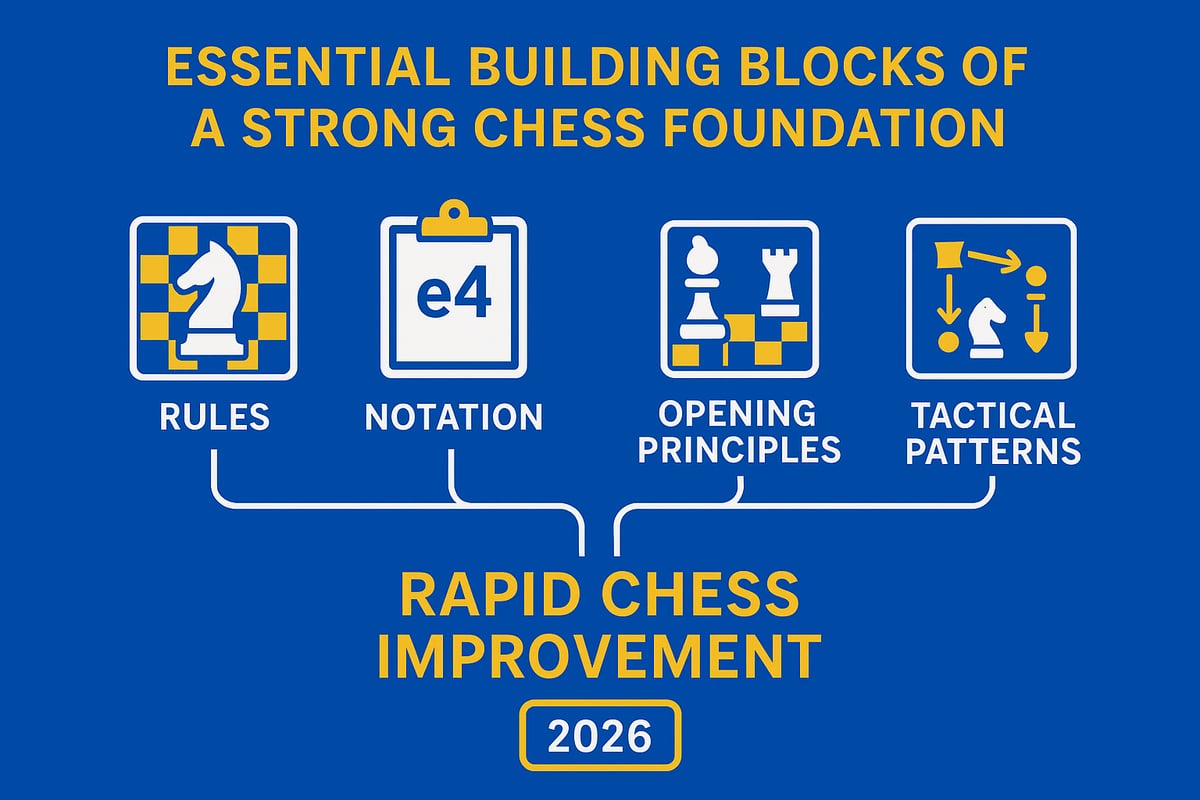
Building a strong chess foundation is the secret sauce for anyone who says, "help me win chess." Whether you're just starting or looking to climb the ratings ladder in 2026, your journey begins with the basics. You wouldn't build a skyscraper on quicksand, right? The same goes for chess — every future victory is rooted in a solid understanding of the game's core.
Understanding Chess Fundamentals
If you've ever thought, "help me win chess," start by nailing the basics. Knowing how each piece moves, how the board is set up, and what the rules are may sound simple, but even experienced players trip over these details. Chess notation is another must-have skill — it lets you record your games, review them later, and follow along with lessons or books.
Here's a quick table to summarize what you need:
| Fundamental | Why It Matters | Quick Tip |
|---|---|---|
| Rules & Moves | Avoid silly mistakes | Practice setting up the board |
| Notation | Study & share games | Write moves after each turn |
| Principles | Guide your decisions | Focus on center & king safety |
The main principles? Control the center, develop your pieces quickly, and keep your king safe. Ignore these, and you might find yourself in trouble by move five. For example, skipping development can let your opponent launch an early attack, leaving you scrambling.
Studies from Chess.com show players who invest time in the fundamentals improve 30% faster than those who skip ahead. If you want a deeper dive into these essentials, check out the Learn to Play Chess Free guide, which breaks down all the basics in a super-friendly format.
Essential Opening Principles
After the basics, what's next for those asking, "help me win chess"? Openings! But don't get lost memorizing endless move sequences. The real secret is understanding opening principles, not just parroting lines.
Here are the golden rules:
- Develop your pieces quickly (especially knights and bishops)
- Control the center with pawns and pieces
- Get your king to safety, usually by castling
Falling for common traps is a rite of passage, but you can avoid most with these principles. Take the Scholar’s Mate: it’s a classic checkmate trick that punishes players who ignore development and king safety. Learn to spot it, and you’ll sidestep embarrassment.
Top coaches agree: beginners who focus on why opening moves work, rather than just what moves to play, progress much faster. This approach helps you adapt to any surprise your opponent throws at you, making you much harder to beat.
Remember, every opening is just a way to get a good position for the middlegame. Stick to the principles, and you’ll soon see results.
Introduction to Tactical Patterns
If you find yourself thinking, "help me win chess," then it's time to dive into tactics. Tactics are the surprise plot twists of a chess game — quick, powerful moves that can flip the script in seconds.
Let’s look at a few must-know tactical patterns:
- Pin: Immobilize a piece because moving it exposes something more valuable
- Fork: Attack two pieces at once with a single move
- Skewer: Force a valuable piece to move, exposing another behind it
- Discovered Attack: Move one piece to reveal an attack from another
Pattern recognition is your superpower here. The more puzzles you solve, the quicker you'll spot these tricks in your own games. Imagine being behind, then suddenly finding a fork that wins your opponent’s queen — that’s how you steal victory from the jaws of defeat.
A recent Lichess study found that tactical awareness is the number one factor for improving below 1500 ELO. Start small, practice daily, and you’ll soon hear yourself say, "help me win chess," a lot less — because you’ll already know how.
Mastering Chess Openings for 2026
If you are thinking, “help me win chess in 2026,” you are not alone. The chess landscape is evolving rapidly, and mastering your openings is more important than ever. Whether you are aiming to surprise your toughest rivals or climb the online leaderboards, understanding the latest trends and proven methods can set you apart.
Opening Theory: What’s Changed in 2026?
Chess opening theory in 2026 is not just about memorizing lines anymore. AI engines and deep computer analysis have transformed how players prepare. Today, you will find more players exploring creative hypermodern openings and anti-computer lines to outsmart both human and machine opponents.
For example, the Jobava London has surged in popularity, offering flexibility and surprise value. The Scandinavian Defense is making a comeback too, as data from ChessBase and Lichess shows its win rates climbing among club players. Here is a quick comparison of recent trends:
| Opening | Popularity (2026) | Style |
|---|---|---|
| Jobava London | High | Aggressive |
| Scandinavian Def. | Rising | Solid/Sharp |
| King’s Gambit | Moderate | Tactical |
| Caro-Kann | Steady | Positional |
If your goal is to help me win chess, keeping up with these trends is key. Let your curiosity guide your opening exploration.
Choosing the Right Openings for Your Style
Choosing the right opening is like picking the perfect tool for a job. Are you a tactical player who loves wild attacks, or do you prefer calm, strategic battles? Identifying your style will help me win chess by allowing you to play positions you truly enjoy.
Aggressive players often thrive with openings like the King’s Gambit or the Sicilian Defense, aiming for sharp battles right from move one. If you prefer solid, strategic play, the Caro-Kann or Queen’s Gambit might be a better fit. Here is a simple table to guide your choices:
| Player Style | Recommended Openings |
|---|---|
| Tactical | King’s Gambit, Sicilian |
| Positional | Caro-Kann, Queen’s Gambit |
Build a repertoire for both colors, focusing on positions that match your strengths. The more comfortable you are, the better your results and the easier it is to help me win chess.
Streamlined Opening Preparation
Opening preparation should boost your confidence, not overwhelm you. The biggest pitfall is over-memorizing endless lines without understanding the underlying ideas. Instead, focus on key principles and learn how to avoid common traps.
For instance, the Scholar’s Mate is a classic trap that can catch beginners off guard. Here is how to defend against it:
1. e4 e5
2. Qh5 Nc6
3. Bc4 Nf6
With 3...Nf6, you defend against the mate and develop a piece.
Use opening toolkits and cheat sheets to streamline your study. These resources summarize main ideas and typical plans, saving you hours. By focusing on understanding, you will find it much easier to help me win chess consistently.
How Chess Cheat Sheets Can Streamline Your Opening Mastery
If you want to help me win chess without spending years on memorization, visual guides can be a game changer. Chess Cheat Sheets offers concise, visual resources that break down complex openings into easy-to-follow steps. Their Opening Toolkits and Dominance Packs are plug-and-play solutions, trusted by thousands of players worldwide.

With practical cheat sheets, you can quickly build confidence in your repertoire. Free samples like the Scandinavian Defense Toolkit let you try before you buy, making it simple to find what works for you. These resources are especially helpful for beginners and intermediates who want to help me win chess efficiently and effectively.
Tactical and Strategic Training: Level Up Your Play
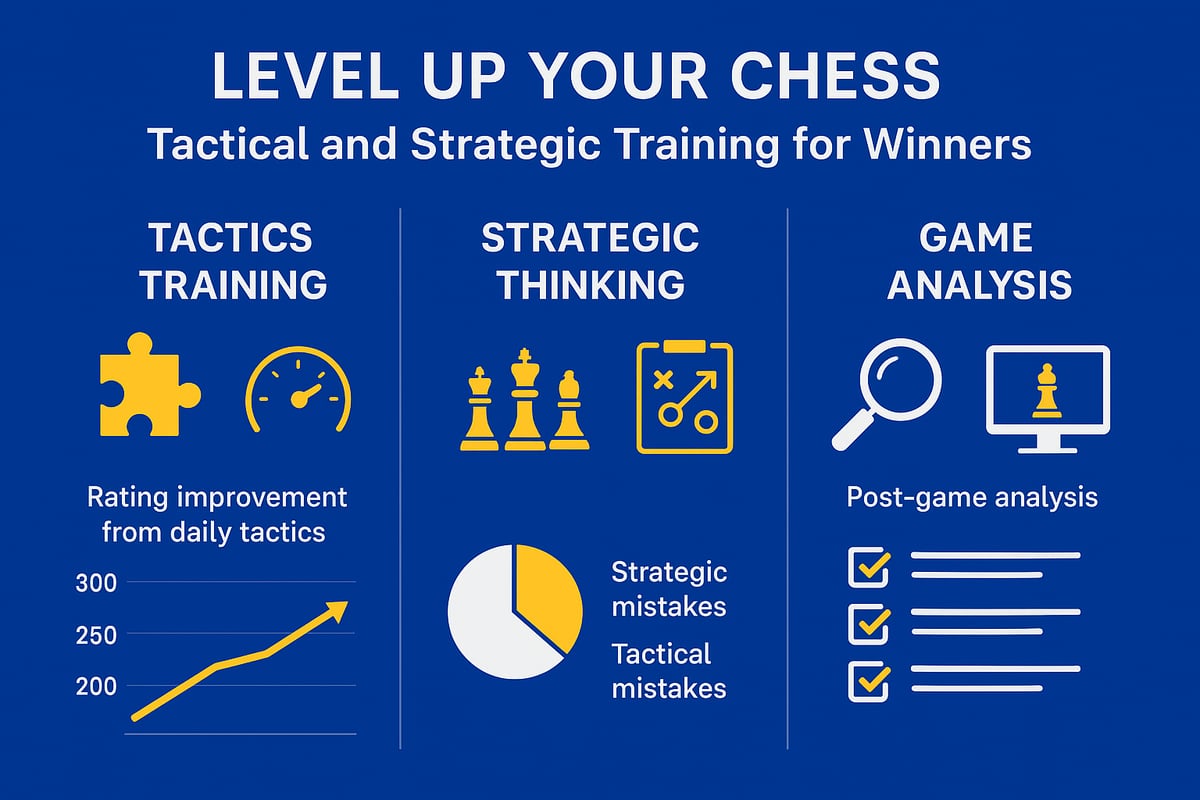
Ready to level up your chess skills and finally say, “Yes, this will help me win chess games”? Tactics and strategy are your secret weapons. Let’s break down how you can sharpen both, so you’re not just moving pieces but setting traps, seeing plans, and winning more often.
Daily Tactics Training
If you’ve ever asked, “What’s the fastest way to help me win chess?” consistent tactics practice is the answer. Why? Because chess is full of hidden tricks, and spotting them can flip a game in your favor, even if you’re behind on material.
Set aside 10–15 minutes a day for puzzle practice. Platforms like Chess.com and Lichess offer endless tactical puzzles tailored to your skill level. Want to see real progress? Track your puzzle streaks and try to solve at least 10 puzzles daily.
Let’s look at data. Players who practice tactics every day see their ratings climb 20% faster, according to a Chess.com study. That’s a huge boost if your goal is to help me win chess more often.
Here are some must-know tactical themes:
- Forks: Attack two pieces at once, forcing your opponent to lose material.
- Pins: Freeze a piece in place so it can’t move without disaster.
- Skewers: Target a valuable piece, then grab what’s behind it.
- Discovered Attacks: Move one piece to unleash another’s threat.
Try mixing up your training. Do timed puzzles for calculation speed and untimed ones for deep thinking. Over time, you’ll spot tactics in your real games and turn tricky positions into outright wins.
Developing Strategic Thinking
Tactics might win you a game, but strategy helps you win chess consistently. Think of strategy as your GPS, guiding you through the middlegame’s twists and turns. So, what should you focus on?
Start with the basics:
- Pawn Structure: Learn how pawn chains shape the battlefield. Weak pawns can be targets, while strong ones support your attacks.
- Open Files: Rooks love open highways. Control them and double up for pressure.
- Color Complexes: Use your bishops and pawns to dominate squares of one color.
- Planning: Always ask, “What’s my plan?” Look for ways to improve your worst piece.
Imagine this: You’ve got more space on the kingside. Rather than rushing, you slowly build up, double rooks, and then launch an attack. That’s strategy in action, and it will help me win chess against even stubborn defenders.
Want to supercharge your skills? Dive into resources like Improve Your Positional Skills with Chess Puzzles for practical, puzzle-based learning. These puzzles bridge the gap between knowing and doing, helping you apply strategic ideas in real games.
Grandmasters agree: The best players blend tactics and strategy. Don’t just memorize moves—understand why you’re making them. This mindset will help me win chess, game after game.
Analyzing Your Own Games
You’ve finished a tough match. Win or lose, this is your golden chance to ask, “How can this help me win chess next time?” Post-game analysis is where real growth happens.
Start by replaying your moves without a computer. Where did you feel unsure? Did you miss a tactic or overlook a plan? Jot down your thoughts so you can spot recurring patterns.
Next, use computer engines like Stockfish or Leela. These tools highlight blunders and missed opportunities, but don’t just follow their advice blindly. Balance engine feedback with your own observations. Sometimes, your logic was sound even if the computer suggests another line.
Here’s a quick checklist for effective analysis:
| Step | What to Look For |
|---|---|
| Blunders | Pieces left unprotected |
| Missed Tactics | Overlooked forks, pins, skewers |
| Poor Plans | Moves that lost space or time |
| Endgame Mistakes | Missed wins or draws |
Studies from the US Chess Federation show that players who consistently review their games retain lessons better and avoid repeating mistakes. This habit will help me win chess by turning losses into learning opportunities.
Remember, improvement isn’t just about playing—it’s about reflecting, adjusting, and coming back stronger. Make analysis part of your routine, and you’ll see results faster than you think.
Endgame Essentials: Turning Advantages into Wins
Mastering the endgame is often the secret ingredient that transforms you from a hopeful player into a confident closer. If you've ever found yourself ahead in material but still asking, "How does this help me win chess games?" you're not alone. The truth is, most club-level games are decided in the endgame, not the opening.
The Importance of Endgame Knowledge
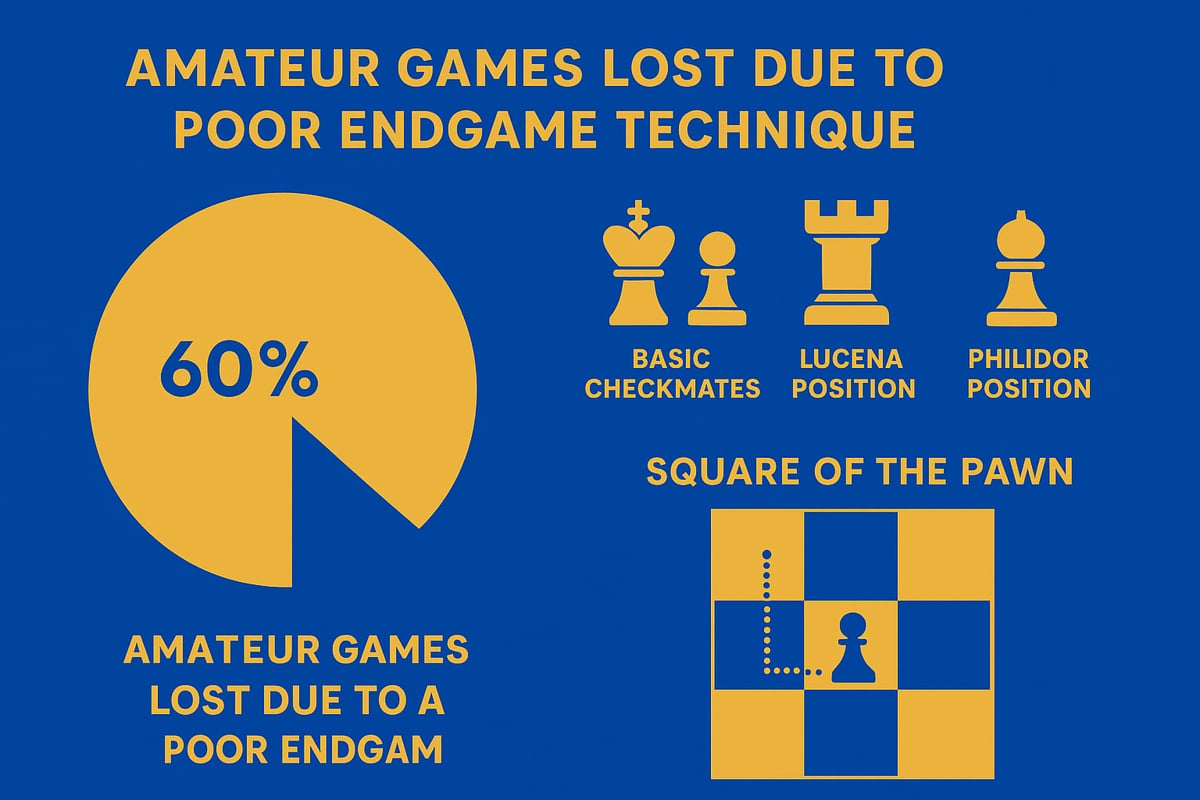
Why does endgame knowledge matter so much if you want to say, "Help me win chess consistently"? First, the endgame is where clear advantages are either converted or squandered. You can outplay your opponent for 30 moves, but without knowing how to finish the job, your advantage can slip away.
There are a few essential endgame scenarios every player must know:
- King and pawn versus king
- Basic checkmates (like king and queen vs. king)
- The concept of opposition
Imagine having an extra pawn, but not understanding how to promote it. That’s where many players get stuck, thinking, "I need something to help me win chess when it matters most." According to ChessBase analysis, 60% of amateur games are lost due to poor endgame technique. That’s a huge opportunity for improvement.
Let’s look at zugzwang as an example. In a king and pawn endgame, forcing your opponent into a position where any move worsens their situation is a powerful way to secure victory. Mastering these basics helps you win chess games you might otherwise draw or lose.
Must-Know Endgame Patterns
If you’re serious about the question, "What will help me win chess in tough endgames?" then you need to add some classic techniques to your toolkit. Two of the most famous are the Lucena and Philidor positions. These are the gold standard for rook and pawn endgames and can turn a single-pawn advantage into a win.
Here’s a quick table to summarize:
| Pattern | When It Occurs | Key Idea |
|---|---|---|
| Lucena | Rook + pawn vs. rook | Build a bridge to promote the pawn |
| Philidor | Rook + pawn vs. rook | Hold a draw with correct defense |
Another must-know trick is the "square of the pawn" rule. If your king can enter the square formed from the pawn to the promotion rank, you can catch the pawn. If not, it promotes. Recognizing these patterns quickly is a direct way to help me win chess matches, especially when time is short.
Pattern recognition will make your endgame decisions automatic. The best players don’t calculate every move; they know the patterns and play them confidently. If you want to win more games, focus on mastering these endgame classics.
Practical Endgame Training
Now, how do you actually train for endgames that help me win chess matches? The answer is simple: targeted, consistent practice. Use books like "Silman's Complete Endgame Course," online trainers, or even endgame cheat sheets to drill the basics.
Here’s how you can structure your study:
- Spend 10 minutes a day on king and pawn endings.
- Practice basic checkmates until you can do them blindfolded.
- Test yourself with real positions from your own games.
Interactive resources are invaluable. For example, the How to Play Chess Cheat Sheet gives you actionable, visual steps for common endgame scenarios, helping you build confidence quickly.
Remember, endgame mastery is the fastest way to gain rating points under 1800 ELO. If you’re asking, "What will help me win chess this year?" the answer is clear: make endgames your superpower. Focus your training here, and you’ll see real results on the board.
Utilizing Digital Tools and Resources for Rapid Improvement
Ready to supercharge your journey and finally answer the question, "How do digital tools help me win chess?" In 2026, chess improvement is faster, smarter, and more fun with the right resources at your fingertips. Let’s break down the essential digital tools you need to climb the ranks and see real progress in your quest to help me win chess.
Chess Engines and Analysis Software
Have you ever wondered how the pros spot their mistakes so quickly? Chess engines like Stockfish and Leela have revolutionized post-game analysis. These powerful programs sift through your games, highlighting missed tactics, blunders, and even subtle strategic errors.
You can upload your games to online platforms or run them locally, and within minutes, discover where things went off track. This process is a game changer for anyone asking, "Can digital analysis help me win chess?" The answer is yes—if you use it wisely.
Just remember, engines are great at pointing out tactical shots, but they won’t always explain why a move is best. Pair engine feedback with your own insights for the most effective growth. Overreliance on suggestions can hinder your ability to think independently, so use these tools as a coach, not a crutch.
Online Learning Platforms and Communities
If you want to help me win chess, you can’t go it alone. The chess world is buzzing online, with platforms like Chess.com, Lichess, iChess, and countless YouTube creators offering lessons, puzzles, and live commentary.
Joining online clubs, Discord groups, and forums opens doors to feedback, support, and friendly rivalry. Have you tried playing in online tournaments? These events are perfect for testing your skills in real time and learning from practical experience.
The best part? Many resources are free or low-cost, making it easier than ever to find a community that fits your style and keeps you motivated as you strive to help me win chess.
Tracking Progress and Setting Goals
It’s easy to lose track of your journey if you don’t measure it. Luckily, digital chess platforms offer tools like rating graphs, puzzle streaks, and training logs to help you see where you stand.
Want to set yourself up for real improvement? Start by setting clear, measurable goals for 2026. For example, aim to increase your rating by 200 points or solve 10 puzzles daily. According to a study on effective chess improvement strategies, players who set specific goals are 40% more likely to reach their targets.
So, whether you’re a beginner or an aspiring master, digital tools can help me win chess by keeping you focused and accountable. Use them to celebrate your progress and stay motivated every step of the way.
Expert Tips, Mindset, and Tournament Preparation
Ready to take your chess to the next level? This section is packed with actionable tips and mindset shifts to help me win chess, whether you are battling online or face-to-face. Let’s break down what the experts do to prepare, avoid blunders, and keep improving—so you can do the same.
Adopting a Winning Chess Mindset
The right mindset is your secret weapon if you want to help me win chess. Confidence, resilience, and a willingness to learn from every game will set you apart. Are you afraid of losing? That’s normal. Even the best, like Magnus Carlsen, view losses as valuable learning opportunities rather than failures.
Try these mindset boosters:
- Treat every loss as a lesson, not a defeat.
- Focus on progress, not perfection.
- Celebrate small victories, like spotting a tactic or surviving a tough defense.
Sports psychology techniques, such as visualization and positive self-talk, can help you keep nerves in check. Remember, growth comes from pushing your limits. Research on chess game length and skill development shows that playing longer, challenging games leads to more improvement over time. So, embrace tough battles—they’ll help me win chess in the long run.
Preparing for Online and Over-the-Board Tournaments
Tournament prep is about more than just knowing your openings. To help me win chess in high-pressure settings, follow a clear routine:
- Review your favorite openings and refresh key lines.
- Warm up with a dozen tactical puzzles.
- Get plenty of sleep and eat a balanced meal before game day.
- Pack water, snacks, and a pen for over-the-board events.
During games, manage your time wisely. Use a chess clock to avoid time trouble and build confidence with practice games under tournament conditions. Top players often have pre-game rituals, like reviewing a classic miniature or listening to calming music. These small habits can help me win chess by keeping your mind focused and nerves steady.
Avoiding Common Mistakes and Pitfalls
Blunders happen, but you can minimize them with the right habits. Want to help me win chess more often? Start by recognizing your most frequent errors.
Common pitfalls include:
- Hanging pieces due to rushed moves.
- Overlooking your opponent’s threats.
- Falling into time pressure (the dreaded “blunder zone”).
To avoid these mistakes:
- Double-check every move—ask, “What could my opponent do next?”
- Use your time wisely, but don’t obsess over every decision.
- Practice endgames so you don’t panic when the clock ticks down.
Building strong routines and reviewing your games can help me win chess by turning these pitfalls into learning opportunities.
Learning from the Masters
Studying the greats is a shortcut to chess improvement. If you want to help me win chess, analyze classic games and modern masterpieces. You’ll spot recurring patterns, brilliant tactics, and strategic plans you can use in your own games.
Here’s a quick comparison:
| Resource Type | Benefits | Example |
|---|---|---|
| Classic Annotated Books | Deep insight, historical context | “Game of the Century” |
| Modern Video Series | Visual learning, GM commentary | YouTube, iChess |
Try replaying Fischer’s “Game of the Century” or watching a grandmaster’s analysis on YouTube. Notice how they handle opening development, plan their attacks, and recover from setbacks. This approach will help me win chess by giving you fresh ideas and confidence.
Building a Personalized Improvement Plan
A structured plan is your roadmap to success. To help me win chess, combine all you’ve learned—openings, tactics, endgames, mindset—into a weekly routine.
Sample weekly plan:
- Monday: Opening review (30 min)
- Tuesday: Tactics training (20 min)
- Wednesday: Play a slow game, analyze it
- Thursday: Endgame study (20 min)
- Friday: Watch a master game
- Weekend: Tournament practice or online games
Set clear goals and track your progress. Players with structured plans improve their rating 25% faster, according to Lichess surveys. Want to know if your openings are tournament-ready? Take the Chess Openings Quiz to spot gaps in your repertoire.
With the right plan and mindset, you’ll soon be saying, “Help me win chess,” and actually winning more than ever.
Now that you’ve got a solid understanding of how to build your chess foundation, spot tactics, and pick openings that fit your style, let’s talk about the fastest way to put all that knowledge into action. Honestly, there’s no need to spend hours memorizing theory when you can jump straight into practical improvement. If you’re ready to see real progress and boost your confidence at the board, why not get a head start with a powerful resource? You can Get The FULL Chess Mastery Bundle and have everything you need—openings, puzzles, endgames, and more—right at your fingertips.


