

Chess has entered a new era where strategies evolve at lightning speed, driven by artificial intelligence and digital innovation. Have you ever wondered how today’s top players stay ahead in this game changer chess landscape?
This guide will equip you with the latest, most effective strategies for 2026 and beyond, whether you are a club player or aiming for mastery. You will discover AI-driven insights, fresh opening trends, middlegame secrets, modern endgame essentials, step-by-step improvement plans, and the best resources to keep you ahead of the curve.
Ready to transform your approach and outplay the competition? Dive in and let this guide be your roadmap to success.

The Evolution of Chess: 2026 and Beyond
Chess has always evolved, but the last few years have been a true game changer chess era. You might wonder, what’s driving this transformation? The answer is simple: artificial intelligence. Let’s explore how AI and shifting chess culture are rewriting the rules for every player, from grandmasters to club enthusiasts.

The Rise of AI and AlphaZero’s Influence
If you’ve played chess in the past decade, you’ve felt the ripple effect of AI. The game changer chess revolution really took off with AlphaZero, an AI that stunned the world by mastering chess through self-play. Unlike traditional engines, AlphaZero found creative moves and strategic patterns that even grandmasters hadn’t considered.
The book “Game Changer” documented how AlphaZero’s style—favoring long-term pressure, bold sacrifices, and dynamic pawn play—reshaped chess theory. Suddenly, lines once thought dull or risky became hot topics. For example, AlphaZero’s win rates in closed positions and its ability to calculate deeply have directly influenced opening choices at every level.
According to recent studies, the adoption of AI-inspired moves among top players has soared. Club players now use cloud-based engines to analyze games, making advanced insights accessible to all. Openings like the London System and Caro-Kann have seen a revival, thanks to their flexibility and AI endorsement. Even in the middlegame, subtle pawn pushes and piece sacrifices—once rare—are now standard weapons.
The collaboration between grandmasters and machine learning tools continues to blossom in 2026. Preparation is now adaptive, with players training to handle new ideas on the fly instead of memorizing endless lines. Curious about the full story behind AlphaZero’s impact? Check out this deep dive on AlphaZero's Impact on Chess Strategy.
The bottom line: If you want to keep up in the game changer chess landscape, embracing AI’s lessons is a must.
Shifts in Competitive Chess Culture
The game changer chess movement isn’t just about engines and analysis—it’s reshaped how, where, and why we play. Rapid time controls and online tournaments have exploded in popularity. In fact, global participation on major chess platforms has doubled since 2020, with hybrid events now a staple of the tournament calendar.
Advanced tools are available to everyone, no matter your rating or location. This has leveled the playing field, letting ambitious club players compete with seasoned experts. You can now find real-time analysis, instant feedback, and global opponents at any hour.
Hybrid events blend online convenience with the thrill of in-person play. Technology is woven into official competitions, from digital boards to AI anti-cheating systems. The result? A more dynamic, inclusive, and innovative chess culture.
As you navigate this new era, remember that the game changer chess journey is about more than memorizing moves. It’s about adapting, connecting, and using every tool at your disposal to master a truly modern game.
Opening Theory: What’s New and What Wins in 2026
The chess world is buzzing with fresh ideas as opening theory continues to evolve at breakneck speed. If you want to stay ahead, understanding what’s working now and how AI is reshaping the landscape is essential. Let’s dive into the opening secrets that define the game changer chess approach for 2026.
Current Trends in Popular Openings
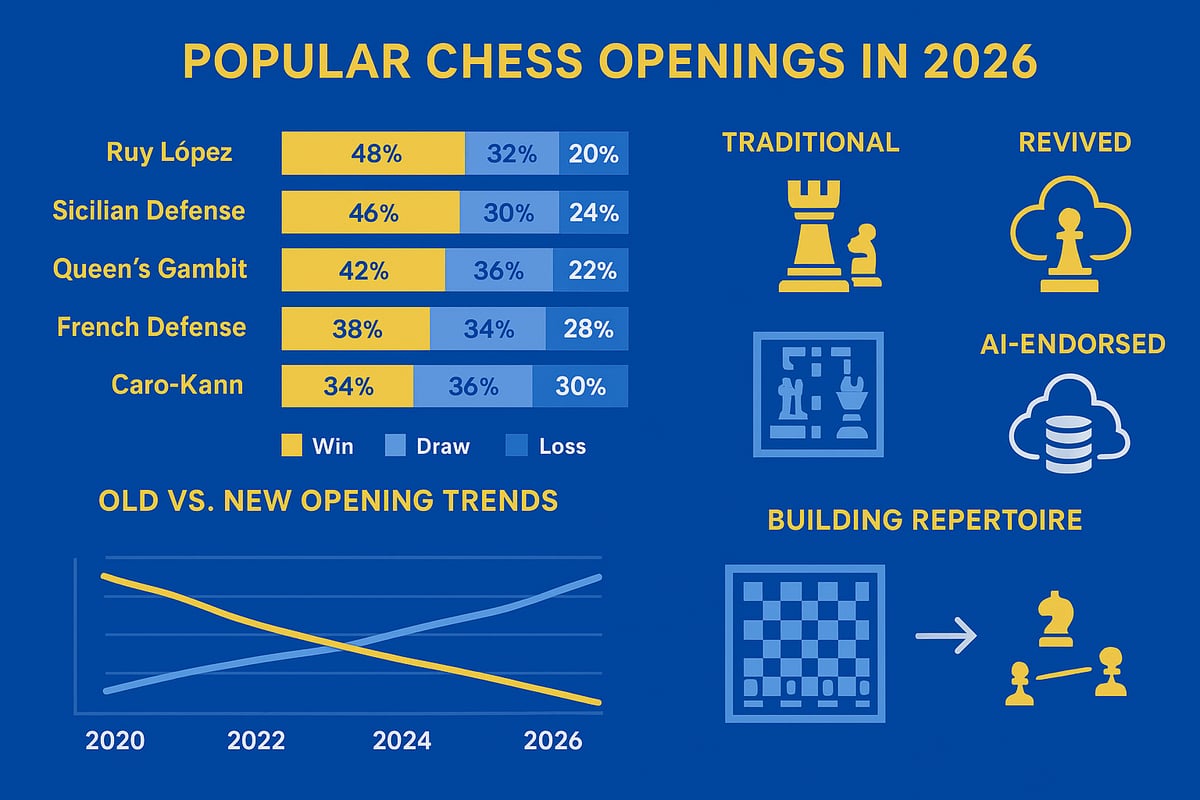
Have you noticed how the opening landscape looks completely different these days? Thanks to AI, club players and grandmasters alike are embracing flexibility. The game changer chess mindset in 2026 isn’t about memorizing endless lines. It’s about understanding core ideas and adapting on the fly.
Let’s look at what’s hot right now. The London System and Catalan have surged in popularity, offering safe yet dynamic play. Meanwhile, openings like the Caro Kann and the Italian Game have been reimagined, with AI uncovering new resources and move orders.
| Opening | 2026 Win Rate | AI Influence | Notes |
|---|---|---|---|
| London System | 56% | High | Flexible, easy to learn |
| Catalan | 54% | High | Positional depth |
| Caro Kann | 52% | Medium | AI-driven novelties |
| Italian Game | 51% | Medium | New aggressive ideas |
| King’s Indian | 48% | High | Revived by engine prep |
Rare openings are making a comeback, too. Lines like the Jobava London and the Nimzowitsch Defense have been revitalized by AI analysis. The beauty of game changer chess is that you can surprise your opponents with these offbeat systems, even if you’re not a grandmaster.
Many traditional openings, such as the Queen’s Gambit Declined, are still relevant but now require deeper understanding rather than rote play. AI has helped players uncover hidden traps and subtle plans, shifting the focus from memorization to practical, in-game decision-making.
How to Build a Modern Opening Repertoire
Building your own opening repertoire might seem daunting, but it’s never been more accessible. The new game changer chess approach starts with flexibility and a willingness to adapt. Here’s how you can craft a repertoire that’s ready for anything 2026 throws at you:
- Identify your style. Are you an attacker, defender, or somewhere in between?
- Choose two main systems for White and Black. One solid, one dynamic.
- Study key ideas, not just moves. Understand pawn structures, typical plans, and common traps.
- Stay updated on novelties. AI engines are generating new moves all the time.
- Practice move order tricks. Learn how to transpose between systems to keep your opponent guessing.
AI discoveries have led to surprising traps and new twists. For example, in the London System, early c5 pushes can catch opponents off guard, while in the Caro Kann, delayed d5 setups are now trending.
If you want an up-to-date, step-by-step approach, check out this Building a modern opening repertoire guide. It’s packed with practical examples, AI-inspired strategies, and clear explanations for modern play.
Remember, the goal of game changer chess is to build understanding that lasts, not just memorize lines that might go out of style next year.
Practical Tools for Opening Mastery
Want to turbocharge your opening prep? The right tools can make all the difference. In the world of game changer chess, you’ll want to blend classic resources with cutting-edge tech.
- AI-powered chess engines: Use Stockfish or Leela to analyze your games and spot improvements.
- Cloud-based databases: Access millions of games, updated daily, to see what’s trending at every level.
- Interactive trainers: Platforms like ChessBase and Lichess offer opening trainers that reinforce learning through repetition.
Let’s compare your options:
| Resource Type | Pros | Cons |
|---|---|---|
| Printed Books | Deep explanations | Can go out of date quickly |
| Digital Courses | Visual, interactive | Varies in quality |
| AI Platforms | Always current, practical | May lack human commentary |
For daily improvement:
- Review your top three openings for 10 minutes each day.
- Solve a handful of themed puzzles from your chosen repertoire.
- Join online forums to discuss new ideas and get feedback.
By making these habits part of your routine, you’ll embody the game changer chess spirit and stay ahead of the competition.
Middlegame Mastery: Dynamic Strategies and Tactical Brilliance
The middlegame is where the magic of game changer chess truly unfolds. Here, modern strategies blend bold tactics and deep calculation with a flexible approach that keeps opponents guessing. Thanks to AI breakthroughs, especially from engines like AlphaZero, the way you play in the middlegame has evolved faster than ever. Ready to unravel the secrets of dynamic play and tactical brilliance?
Core Middlegame Themes Shaped by AI
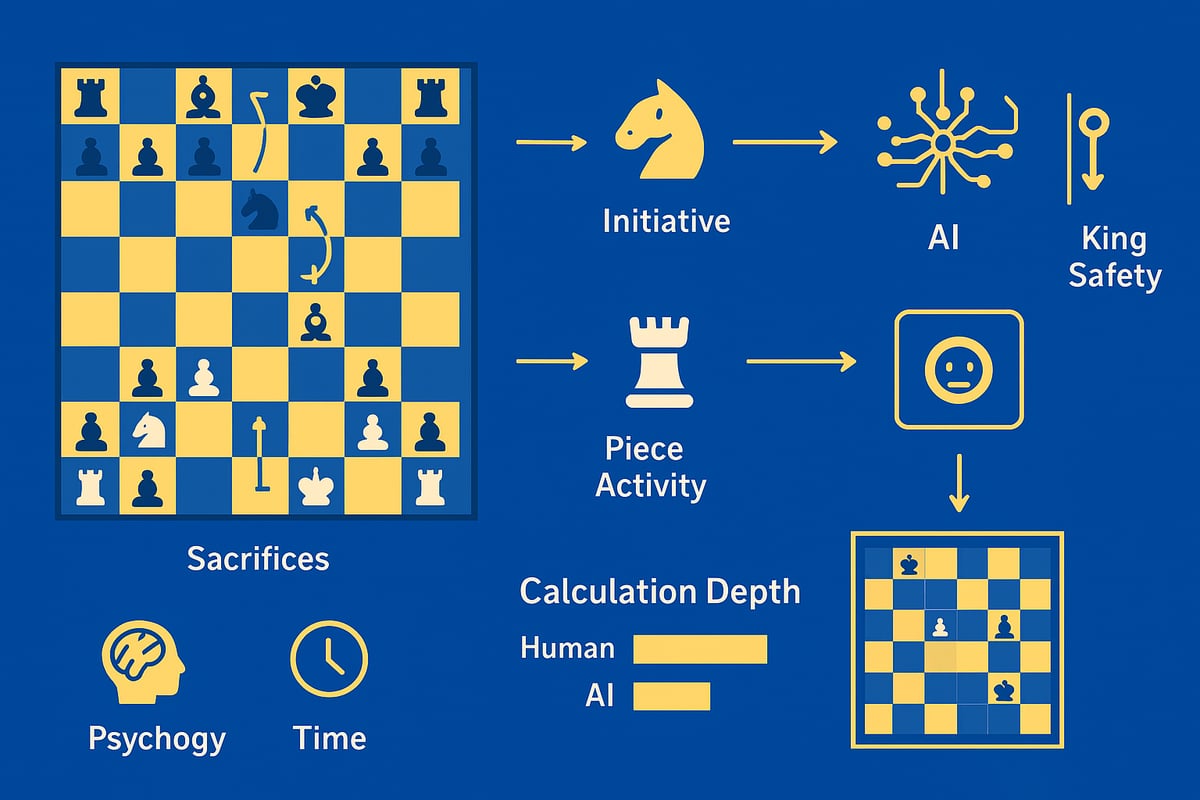
If you want to master game changer chess, you need to understand the new middlegame themes that AI has brought to the forefront. Engines like AlphaZero have shown that initiative often trumps material, and that imbalances can be used as powerful weapons.
What does this mean for your games? You should focus on:
- Initiative: Always strive to dictate the pace and force your opponent to respond.
- Piece Activity: Keep your pieces on their most effective squares, maximizing their influence.
- Dynamic Sacrifices: Sometimes giving up material creates unstoppable threats or long-term advantages.
- Imbalances: Learn to identify and exploit differences in pawn structure, piece quality, or king safety.
AI-inspired strategies in game changer chess have also popularized moves like early pawn storms and creative sacrifices. For example, AlphaZero often pushes flank pawns to gain space or open lines, even if it means sacrificing a pawn or two. This approach encourages you to play actively and look for opportunities to disrupt your opponent's plans.
A great way to see these themes in action is to review recent grandmaster games analyzed with AI. Notice how often the initiative is prioritized over material, and how sacrifices lead to lasting pressure.
Pattern Recognition and Calculation Skills
To thrive in the world of game changer chess, sharpening your tactical vision is essential. AI has shown that calculation depth and pattern recognition can turn a seemingly quiet position into a tactical minefield.
How can you train these skills? Here are some proven methods:
- Solve puzzles daily: Consistent practice with fresh positions helps you spot tactics quickly.
- Use spaced repetition: Reviewing motifs like forks, pins, and skewers at intervals boosts retention.
- Analyze your games: Look for missed opportunities and recurring tactical patterns.
Research shows that players who commit to regular puzzle training see measurable rating gains. If you want a modern approach, check out Chess puzzles for tactical mastery, which offers themed puzzle packs inspired by AI analysis and current trends.
Here’s a quick code example for training your calculation skills:
# Visualize this position: White to move
# r1bqkbnr/pppp1ppp/2n5/4p3/2B1P3/5N2/PPPP1PPP/RNBQK2R w KQkq - 2 4
# What is the best move for White?
Modern game changer chess emphasizes flexibility in calculation too. Instead of memorizing long lines, focus on understanding key tactical patterns and being ready to adapt when surprises arise.
Adapting to Opponent’s Play and Psychological Factors
No matter how sharp your tactics are, adapting to your opponent is crucial in game changer chess. AI has taught us to look beyond static plans and react dynamically to changing circumstances.
To exploit your opponent’s weaknesses, try these techniques:
- Profile their style: Notice if they prefer attacking or defensive positions, then steer the game accordingly.
- Manage your time: In rapid and hybrid events, pacing your decisions can make a big difference.
- Stay emotionally balanced: Learn to handle swings in fortune, whether you’re ahead or behind.
Top players emphasize the psychological side of game changer chess. For example, using a surprise move or shifting gears quickly can unsettle even experienced adversaries. Be prepared to switch plans if your opponent adapts, and always keep your cool under pressure.
As you gain experience, you’ll see how psychology and adaptability go hand-in-hand with tactical skill. The best middlegame players are those who combine calculation, intuition, and mental resilience.
Endgame Essentials: Winning with Precision in 2026
Chess endgames are no longer just about memorizing a few basic moves. In this game changer chess era, even club players are wielding the power of AI, transforming the way we approach those final, nerve-wracking moments. If you want to win more games and finish strong, it’s time to rethink your endgame strategy.
Modern Endgame Fundamentals
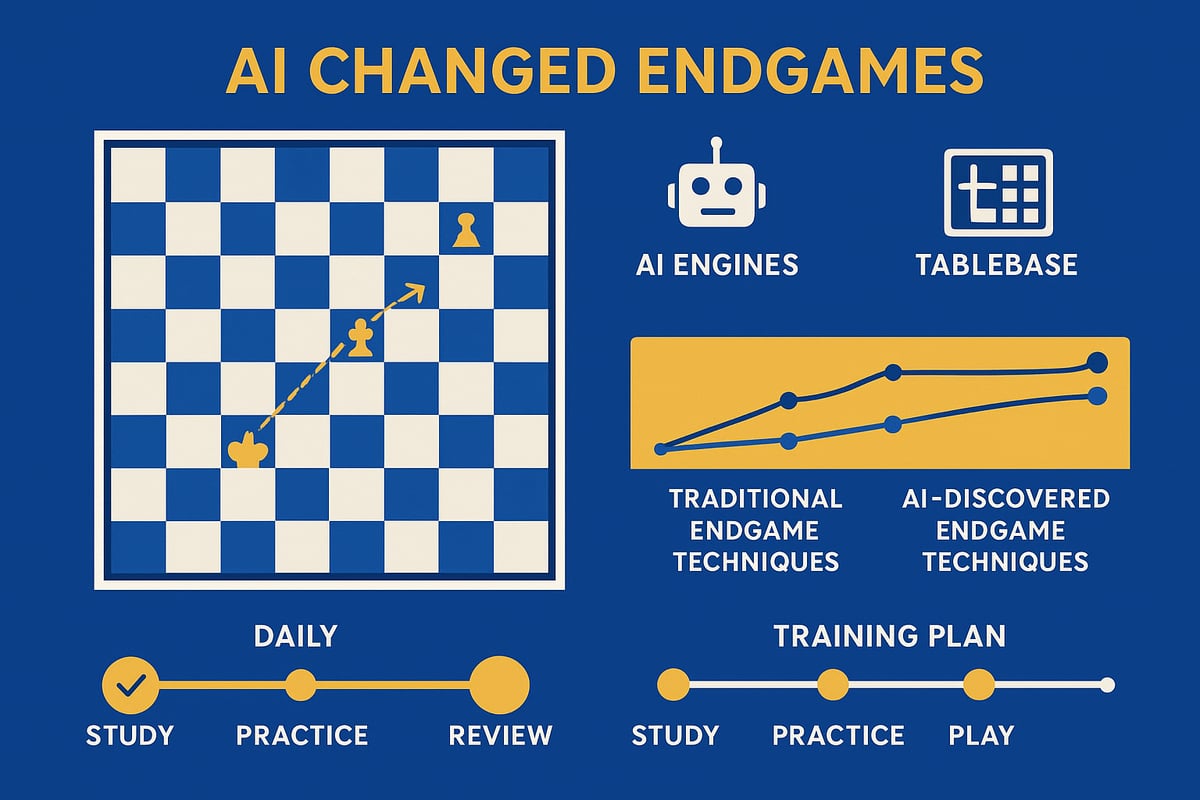
Let’s start with the basics. Some endgame principles have stood the test of time, while others have been reshaped by the game changer chess revolution. For example, the value of king activity and pawn promotion is as crucial as ever. But now, engines have revealed subtle nuances in positions we once thought were simple.
AI analysis has shown that practical endgames in faster time controls, like rapid and blitz, require a shift in mindset. Instead of aiming for textbook solutions, you need adaptability and quick decision-making. In the game changer chess world, even a half-point can come down to knowing when to push for a win or settle for a draw.
Recent studies highlight that mistakes in rook and pawn endgames remain the most common. Many players miss opportunities because they either rush or rely on outdated patterns. If you’ve ever felt lost in a supposedly “drawn” position, you’re not alone. AI engines have revealed hidden resources that were invisible just a few years ago.
Here’s a quick comparison of traditional vs. AI-redefined endgame principles:
| Principle | Traditional Approach | AI-Redefined Approach |
|---|---|---|
| King Activity | Always centralize | Sometimes flank is better |
| Passed Pawns | Push when safe | Evaluate dynamic counterplay |
| Fortress Building | Last resort | Proactive, creative setups |
| Exchanges | Simplify quickly | Keep tension when possible |
By understanding these shifts, you’ll position yourself ahead of the curve in game changer chess.
Key Endgame Techniques and Resources
Mastering endgames in 2026 means knowing more than just the basics. You should be comfortable with theoretical draws, like the Philidor and Lucena positions, as well as basic mates with king and queen or rook. But the real edge comes from embracing AI-discovered resources.
For instance, engines have uncovered new fortress ideas and complex pawn races that can turn a losing game into a miraculous save. It’s not just about calculation, but about spotting resources that used to be invisible to human eyes. If you’re curious about how AI maintains higher levels of strategic tension and creates practical chances, check out AI Sustains Higher Strategic Tension in Chess for a deep dive into this evolving landscape.
Endgame tablebases are another game changer chess tool. These databases offer perfect play for up to seven pieces, letting you check the truth of any position. Pair them with digital endgame trainers, which offer interactive drills and instant feedback. Here’s a quick comparison:
| Resource Type | Best For | Example Tools |
|---|---|---|
| Tablebases | Perfect theoretical knowledge | Lomonosov, Syzygy |
| Digital Trainers | Practice and pattern recognition | Chess.com, Lichess, Aimchess |
Incorporating these into your routine will help you spot hidden tactics and avoid blunders.
Step-by-Step Endgame Training Plan
Ready to bring your game changer chess skills to the next level? A structured endgame study plan is your secret weapon.
Start with the basics: daily review of fundamental mates and simple pawn endings. Once you’re comfortable, move on to more advanced positions, like tricky rook endgames and AI-discovered fortress defenses. Each week, challenge yourself with practical puzzles that mirror real-game scenarios.
Here’s a sample plan:
- Day 1-2: Practice basic mates (king and queen, king and rook).
- Day 3: Study theoretical draws and opposition in pawn endings.
- Day 4-5: Drill rook and pawn endgames, focusing on conversion techniques.
- Day 6: Explore AI-inspired fortress and stalemate ideas.
- Day 7: Review mistakes from your own games using a digital trainer.
Consistency is key. Integrate endgame practice into your overall study mix, and revisit tough positions regularly. Over time, you’ll notice fewer panicked moments and more confident finishes, all thanks to a game changer chess approach.
Step-by-Step Guide to Improving Your Chess in 2026
Ready to take your game changer chess journey to the next level? Let’s break down a modern, step-by-step path that’s tailored for 2026. Whether you’re aiming for your first tournament win or want to climb the online rating ladder, this plan is built for the new era of chess.
Chronological Plan for Skill Development
Start by assessing your current abilities. Use digital tools to review your games and pinpoint strengths and weaknesses. This first step lays the foundation for a true game changer chess experience.
Next, set clear, measurable goals. Maybe you want to boost your rapid rating by 200 points or master a specific endgame. Write these goals down and track your progress.
Build a balanced study plan. Divide your time between openings, tactics, strategy, and endgames. Don’t just memorize moves, focus on understanding ideas. For example, if you love solid positions, check out AI-driven guides like the Caro-Kann Defense strategy guide for modern insights.
Incorporate engine-assisted review. After each game, use AI analysis to reveal hidden mistakes and tactical shots. This is a real game changer chess advantage, as engines spot patterns you might miss.
Play regularly, both online and over the board. Each format sharpens different skills. After playing, analyze your games deeply, focusing on missed opportunities and critical moments.
Engage with the chess community. Join clubs, participate in forums, and watch top-level streams. Learning from others keeps your motivation high and exposes you to new trends.
Finally, reassess your training every month or two. As you improve, update your goals and study methods to keep the momentum going.
Leveraging Modern Chess Resources
To get the most from your game changer chess efforts, make smart use of today’s resources. There are more options than ever, so how do you choose?
Let’s compare some popular platforms:
| Platform Type | Free Options | Paid Options | Best For |
|---|---|---|---|
| AI Analysis Tools | Stockfish, Lichess | ChessBase, DecodeChess | Deep game review |
| Puzzle Packs | Lichess, Chess.com | Chessable, CT-ART | Tactical training |
| Video Courses | YouTube, Twitch | Chess.com Lessons, iChess | Visual learners |
| Opening Repertoires | Chessable Free | AI's Influence on Chess Openings | Building modern repertoire |
Studies show that users who follow structured online courses and regularly solve puzzles see up to 30% faster improvement than those who rely solely on traditional books.
Top-rated books, digital tools, and video series for 2026 are constantly updated. Try different formats to see what fits your learning style.
Remember, the real game changer chess habit is consistency. Mix up your resources, experiment with new platforms, and stay curious.
By following a step-by-step plan and leveraging the best modern tools, you’ll be prepared for whatever the chess world throws at you next.
Resources and Further Learning for the Modern Chess Player
Looking to take your game changer chess journey even further? The right tools and communities can accelerate your progress, no matter your current rating. Let’s dive into the best resources for learning, connecting, and staying ahead in the ever-evolving world of chess.
Curated List of 2026’s Best Chess Improvement Tools
When it comes to game changer chess, nothing beats having the right tools at your fingertips. AI-based engines like Stockfish and Leela Chess Zero have become essential for analysis and training. These engines not only provide deep calculation but also offer new perspectives on strategy, as highlighted in AI's Role in Chess Evolution.
Online platforms such as Chess.com and Lichess offer extensive tactical trainers, opening explorers, and endgame simulators. For tracking your progress, databases like ChessBase and OpeningTree are regularly updated with the latest games and trends.
Here’s a quick comparison of popular tools:
| Tool | Main Feature | Update Frequency | Best For |
|---|---|---|---|
| Stockfish | AI Engine Analysis | Weekly | All levels |
| Leela Chess Zero | Neural Net Analysis | Weekly | Advanced users |
| Chess.com | Tactics, Lessons | Daily | Casual to expert |
| ChessBase | Game Database | Monthly | Serious study |
| OpeningTree | Opening Exploration | Weekly | Opening prep |
With these resources, you can approach game changer chess with confidence and creativity.
Communities and Events to Join
You don’t have to master game changer chess alone. Joining active communities can make your journey more enjoyable and productive. Major online forums like Reddit’s r/chess, Chess.com’s forums, and Discord servers connect you with players worldwide.
Participate in online tournaments on platforms like Lichess and Chess.com, where hybrid events are also gaining popularity. These events blend online accessibility with the excitement of live competition. Local chess clubs and meetups are a great way to find in-person opponents and mentors.
Key communities and events:
- Chess.com Clubs and Tournaments
- Lichess Arenas and Study Groups
- Reddit r/chess discussions
- Discord chess study servers
- FIDE online and hybrid championships
The social side of chess keeps you motivated and exposes you to new game changer chess strategies from around the globe.
Staying Updated: News, Trends, and Innovations
Chess moves fast, and staying informed is crucial for anyone serious about game changer chess. Grandmaster commentary on YouTube channels, such as GothamChess and ChessNetwork, brings high-level insights right to your screen. Podcasts like Perpetual Chess and the Chicken Chess Club offer deep dives into the latest news and interviews with top players.
Subscribe to newsletters like ChessBase News or The Chess Circuit for curated updates on theory and tournaments. For those who prefer bite-sized content, Twitter and Instagram are packed with daily tactics, memes, and breaking news.
Staying plugged into these sources ensures you never miss a breakthrough or a new trend in game changer chess.
Practical Tips for Lifelong Chess Growth
Ready to future-proof your game changer chess improvement? Consistency is your best friend. Mix regular practice games with targeted study sessions. Review your games, noting both your strengths and areas to improve. Balance tactical drills, opening prep, and endgame studies for all-around advancement.
Experiment with different formats, such as blitz, rapid, or classical, to build adaptability. Reflect on your progress monthly and don’t hesitate to try new tools or join fresh communities. Remember, the landscape of game changer chess is always shifting, so stay curious and open to innovation.
By embracing these tips, you’ll keep your passion for chess alive and your skills sharp for years to come.
You’ve seen just how much chess is evolving—AI breakthroughs, new opening trends, smarter training routines. It’s a lot to take in, but honestly, you don’t have to tackle it all alone. If you want to put these strategies into action and really start seeing your chess improve, why not take the next step? You can get access to every cheat sheet, puzzle pack, and endgame guide you need—all in one place. Ready to boost your game and master the latest moves? Check out Get The FULL Chess Mastery Bundle and see how easy it is to level up.


