Chess has taken the world by storm, and now, more than ever, players like you are searching for the best chess resources to elevate their game. With so many new platforms and tools popping up, finding what actually works can feel overwhelming.
Whether you're just learning the basics or aiming to master advanced strategies, the right chess resources make all the difference in your progress and enjoyment. This guide cuts through the noise to spotlight the top 8 chess resources every player should know in 2026—each chosen for their cutting-edge features, proven results, and unique community value.
From interactive online platforms and mobile apps to expert guides and vibrant communities, you'll discover practical tips and inspiration for every stage of your chess journey. Ready to level up? Let’s dive in and explore the essentials you shouldn’t miss.
The Evolving Landscape of Chess Resources in 2026
The way you learn and experience chess has changed dramatically in recent years. In 2026, the chess world is more connected, innovative, and accessible than ever. Let’s explore how chess resources have evolved to meet the needs of players like you, whether you’re just starting out or chasing grandmaster dreams.
Digital Transformation of Chess Learning
Remember when chess improvement meant stacks of books and local clubs? Now, digital platforms and mobile apps put world-class chess resources at your fingertips. Interactive lessons, real-time analysis, and global play are just a click away.
Accessibility has skyrocketed, letting millions of players connect and learn regardless of location. User-friendly interfaces and AI-driven features make these tools approachable for all ages. Just look at the numbers: online platforms like Chess.com have seen explosive growth, recently reaching 200 million members worldwide, as highlighted in this Chess.com reaches 200 million members article. The digital transformation of chess resources means you’re never far from your next lesson or match.
The Importance of Choosing the Right Resource
With so many chess resources available, picking the right one can feel overwhelming. Not every tool fits every player. Beginners often thrive with guided lessons, while advanced players may prefer databases or deep analysis.
Curated, up-to-date content is key. Matching your learning style and goals to the right chess resources helps you improve faster and avoid information overload. For example, a newcomer gains more from interactive lessons than diving into raw game data. Choosing wisely keeps your study time focused and productive.
Integration of AI and Personalization
AI is transforming chess resources by making learning smarter and more adaptive. Modern platforms use AI to analyze your games, pinpoint weaknesses, and suggest personalized study plans. This means you get real-time feedback and tailored advice, whether you're a casual enthusiast or a competitive tournament player.
Features like adaptive puzzles and instant analysis help you target your unique challenges. Platforms such as Stockfish and ChessBase have introduced powerful AI tools, making advanced training accessible to everyone. The result? Chess resources that evolve with you as you grow.
Community and Social Learning
Chess resources in 2026 aren’t just about solo study. Online communities and forums have exploded, giving you access to peer support, mentorship, and collaborative study. Platforms like Reddit’s r/chess and Facebook chess groups connect players from around the globe.
Social media and online tournaments make it easy to find advice, share victories, and stay motivated. Participation in these communities is at an all-time high, proving that learning with others can be just as valuable as any lesson or puzzle set. Chess resources now build not just skills, but friendships.
Top 8 Chess Resources Every Player Should Know in 2026
Ready to step up your chess game? Whether you're a beginner learning your first moves or a seasoned competitor chasing mastery, the right chess resources can make all the difference. The chess world in 2026 is buzzing with platforms, apps, and communities that promise to accelerate your improvement. But with so many options, where should you begin? Let's break down the top 8 chess resources every player should know this year, each offering unique tools, guidance, and inspiration.
Chess.com
When you think of chess resources, Chess.com is likely the first name that comes to mind. This platform has grown into a true powerhouse, boasting over 100 million users and a staggering variety of features.
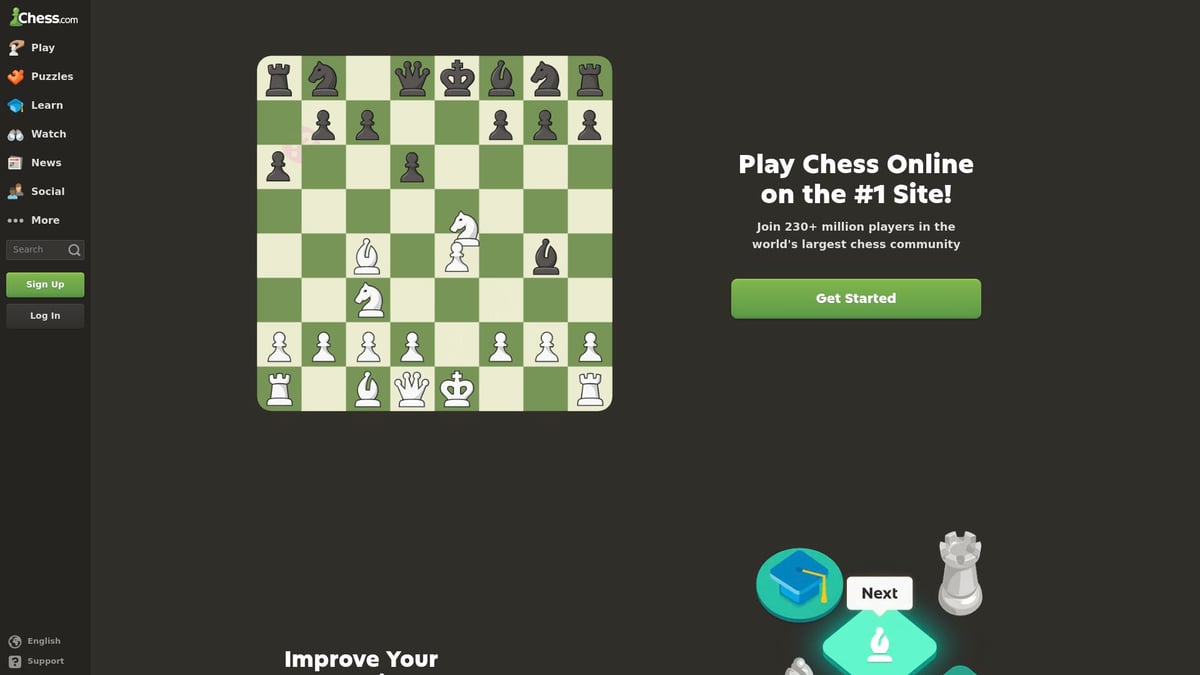
You can start for free, but premium plans unlock even more, ranging from $5 to $17 per month. At its core, Chess.com offers online play, in-depth lessons, daily puzzles, video courses, tournaments, and powerful analysis tools. The platform excels at blending community, competition, and learning under one roof.
What makes Chess.com stand out among chess resources is its constant innovation. Features like Puzzle Rush, personalized lessons, and regular live events keep things fresh and engaging. The mobile app ensures you can practice anywhere, anytime.
Beginners love the guided courses, while advanced players enjoy deep analysis and challenging tournaments. The large, active community means you'll always find an opponent or mentor.
Pros include a user-friendly interface, comprehensive features, and regular updates. On the flip side, some advanced tools sit behind a paywall, and free users may see ads.
If you're comparing chess resources, Chess.com is an all-in-one hub trusted by grandmasters and casual players alike. Want to see how it stacks up against other platforms? Check out this Best websites to learn chess guide for a deeper dive.
Chess Cheat Sheets
If you prefer to learn visually and want actionable shortcuts, Chess Cheat Sheets is a game-changer among chess resources. This site specializes in visual guides, opening toolkits, and endgame summaries designed for quick reference and practical improvement.

You can access several free resources, like the Scandinavian Defense Toolkit, or opt for paid bundles and lifetime VIP access. The core value lies in its plug-and-play approach—cheat sheets mean less memorization and more understanding.
Chess Cheat Sheets stands out for its all-in-one solutions, offering comprehensive libraries that cover every phase of the game. Visual learners, club players, and self-starters benefit most from these chess resources.
Pros: Easy to use, practical, and globally accessible. Thousands of players across 20+ countries rate these guides highly. The main con is a focus on practical play over deep theory, and some content requires purchase.
If you're just starting out or looking to reinforce your fundamentals, these chess resources can save you time and boost your confidence on the board.
Lichess.org
Lichess.org is a favorite for chess players who want high-quality chess resources without spending a dime. It's completely free, open-source, and supported by donations, making it accessible to everyone.
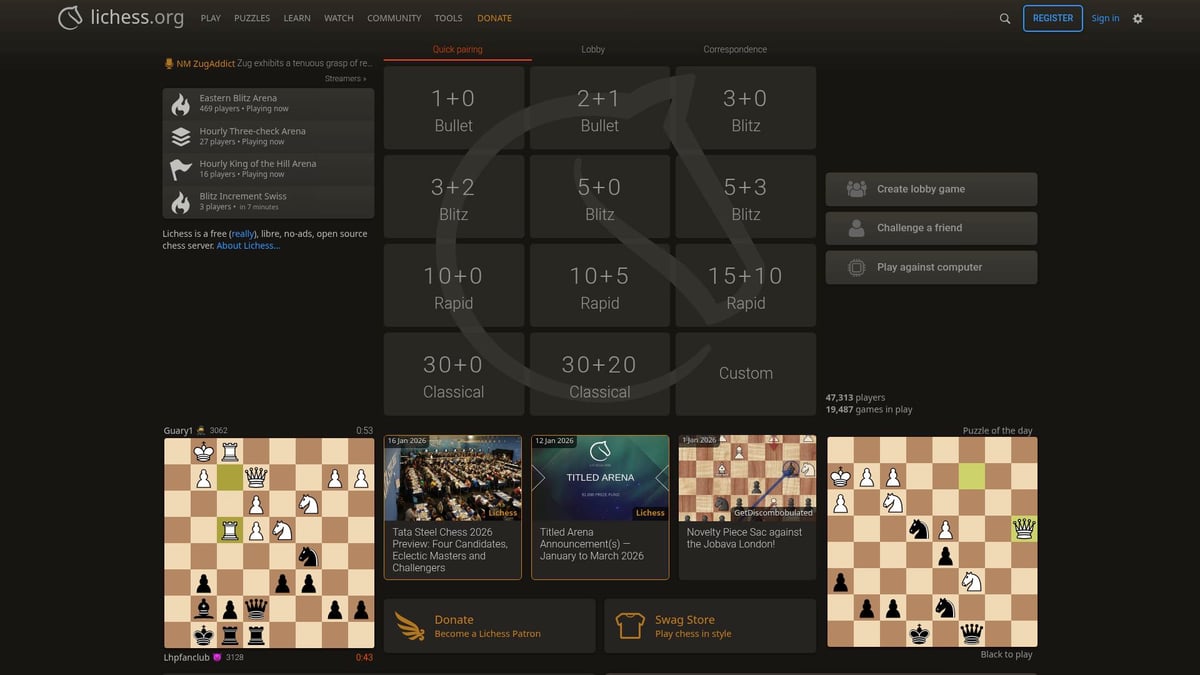
The platform offers online play, puzzles, studies, tournaments, and analysis with Stockfish. You'll find learning tools like opening trainers, as well as a seamless mobile app. Unlike many chess resources, Lichess.org is free of ads and paywalls.
A unique feature is its collaborative "studies" mode, perfect for group learning or coaching. The open-source nature means you can even customize your experience.
Lichess.org attracts players of all levels, especially those who value community-driven chess resources. Educators and clubs often use it for lessons and tournaments.
Pros: 100 percent free, powerful analysis tools, and frequent updates. The minimalist interface is fast, though some may find it less visually rich or structured than paid alternatives.
If you want to explore chess resources that prioritize accessibility and community, Lichess.org is tough to beat. Millions of games are played daily, making it a vibrant hub for global players.

Chessable
Chessable is the science-backed choice for players who crave structured, interactive chess resources. It offers a mix of free and premium courses (ranging from $10 to $300+) that use spaced repetition to help you remember what you learn.
The platform's MoveTrainer technology is at the heart of its appeal. It adapts to your progress, reinforcing tricky patterns until they stick. You'll find video lessons, opening repertoires, and courses authored by top grandmasters and coaches.
Chessable's massive course library covers everything from tactics to endgames. Community discussions let you connect with other learners and get feedback.
Pros: Highly effective for memorization, gamified learning experience, and a wide range of topics. The main drawbacks are the cost of some advanced courses and the fact that your progress is tied to the platform.
Players from beginner to advanced can benefit from these chess resources, especially if you want to build a deep, lasting understanding of key concepts. World champions and top trainers use Chessable, and thousands of positive reviews back up its effectiveness.
ChessBase
For serious study and deep analysis, ChessBase is the gold standard among chess resources. Starting at around $70 for the basic package, this desktop-focused tool is favored by professionals, coaches, and ambitious competitors.
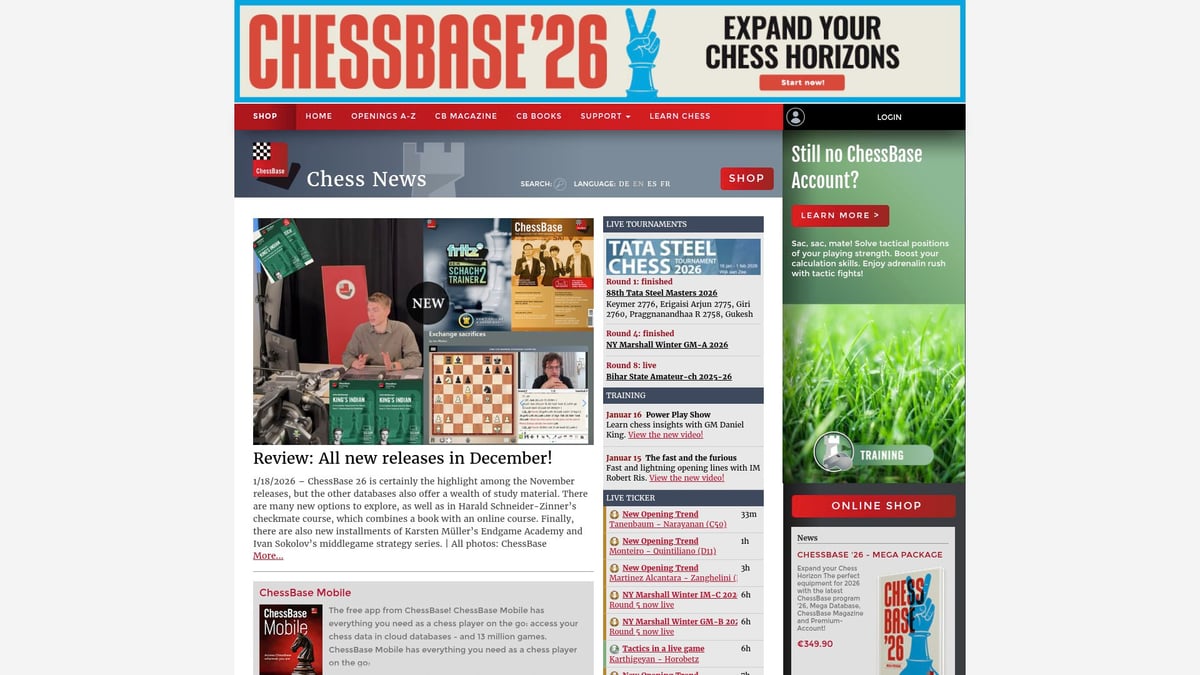
ChessBase offers a massive game database, advanced analysis engines, opening explorers, cloud storage, and custom training tools. It integrates with top engines like Stockfish, making it perfect for detailed preparation and post-game review.
The platform's search and filtering options are unparalleled, letting you study millions of games, spot trends, and prepare for specific opponents. This level of depth is unmatched among chess resources.
Pros: Comprehensive analysis, huge database, and professional-grade tools. The steeper learning curve and upfront cost are the main cons, and it's best suited for intermediate to advanced players.
If you're aiming for tournament success or coaching others, ChessBase provides chess resources that can elevate your preparation to the next level. Grandmasters worldwide rely on its insights.
ChessKid
ChessKid is the go-to choice for young learners and families seeking safe, engaging chess resources. The platform offers a free basic version, with Gold membership starting at $9.99 per month.
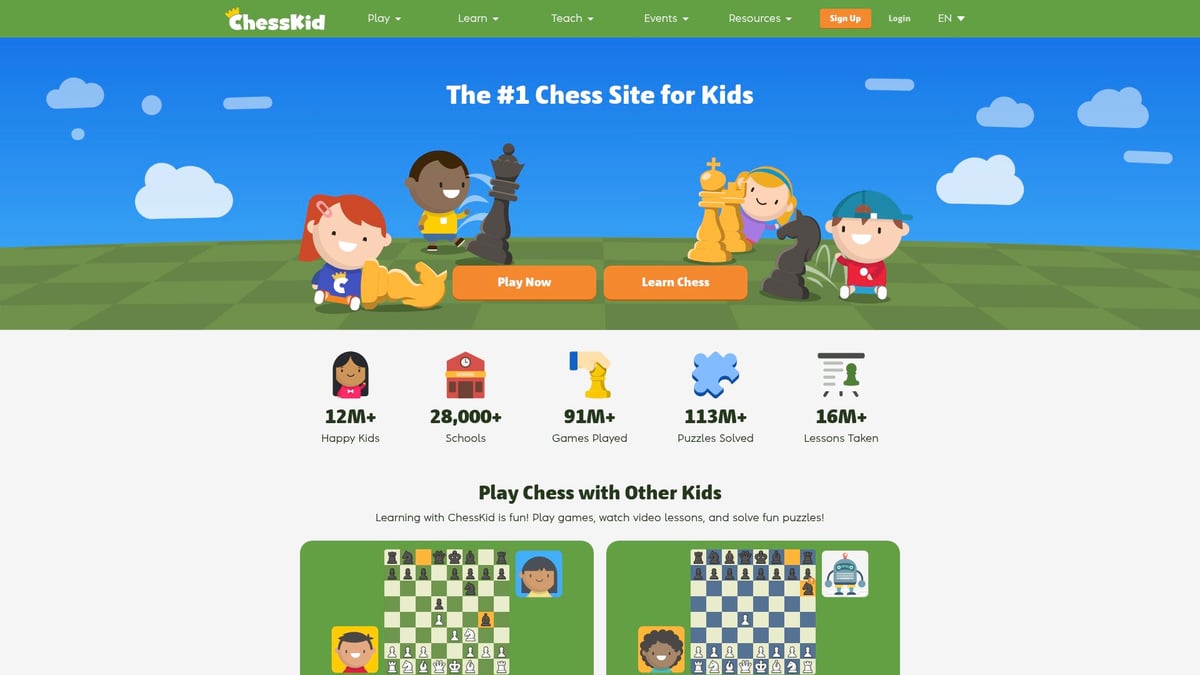
Designed for kids aged 5 to 12, ChessKid features kid-friendly lessons, interactive puzzles, and safe online play. Progress tracking and parental controls ensure a secure environment, while fun characters and games keep children motivated.
ChessKid's unique selling points include no open chat, classroom integration, and detailed progress reports for parents and teachers. These chess resources are trusted in thousands of schools worldwide and recommended by the US Chess Federation.
Pros: Safety-first design, age-appropriate content, and engaging learning paths. The main limitation is its focus on children, so adults may find it less useful.
If you're looking for chess resources that spark a lifelong love of the game in kids, ChessKid is a top contender, blending fun and education seamlessly.
Play Magnus App
Have you ever wondered what it would be like to face Magnus Carlsen at age 10, 15, or 25? The Play Magnus App lets you do just that, offering a unique twist among chess resources.
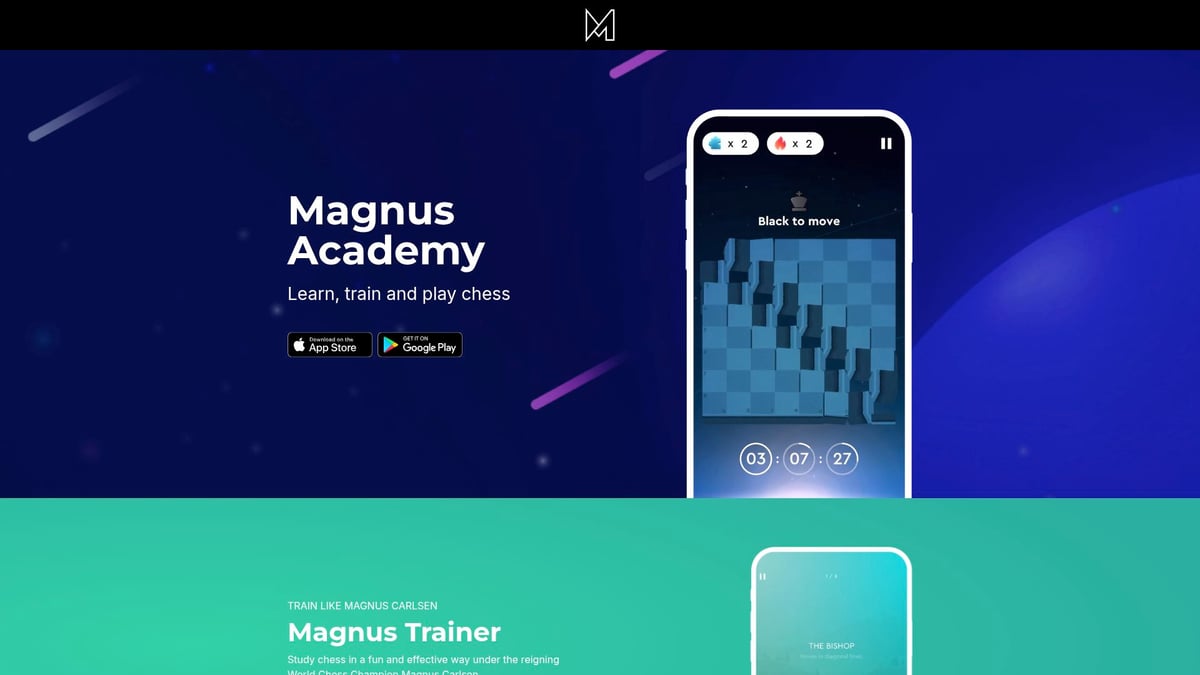
With free basic play and in-app purchases for advanced features, this app lets you challenge an AI modeled after Magnus at different stages of his chess journey. Training challenges and video lessons add to the experience.
Play Magnus's dynamic AI difficulty keeps things interesting, and the official endorsement by Magnus himself adds credibility. These chess resources are great for solo practice, motivation, and fun.
Pros: Entertaining, challenging, and unique. The main con is the lack of community features and limited multiplayer options.
With millions of downloads, Play Magnus has become a favorite for fans and players wanting to test their skills against a world champion's digital alter ego.
Reddit r/chess
Reddit's r/chess community is one of the largest and most active chess resources online, with over 800,000 members. It's completely free to join and participate, making it an accessible option for all.
The forum offers lively discussions, game analysis, news, memes, AMAs with grandmasters, and a wealth of resource sharing. You can ask questions, get rapid feedback, and interact with players from every skill level.
What sets r/chess apart from other chess resources is the diversity of perspectives and the direct interaction with titled players. Peer support, friendly debates, and real-time advice make it a valuable supplement to formal study.
Pros: Active, supportive, and full of real-world insights. The only downside is the occasional off-topic post and varying quality of advice, but the benefits far outweigh the drawbacks.
If you thrive on community and want to stay updated on the latest trends, r/chess is an essential stop among your chess resources.
How to Maximize the Value of Chess Resources
Want to get the most from your favorite chess resources? It’s not just about picking the right websites or apps. How you use them makes all the difference. Here’s how you can squeeze every drop of value from your chess resources and keep your improvement on track.
Building a Personalized Chess Study Plan
Start by setting clear chess goals. What do you want to achieve? Maybe you’re aiming for a rating milestone, or just want to beat your club rival. Next, identify your weak spots. Are openings tripping you up, or does your endgame need work?
Mix and match different chess resources for a balanced plan. For example, combine online lessons, puzzles, and even free chess books for improvement for extra depth. Schedule regular sessions, even if they’re short. Consistency is key.
Consider organizing your week: one day for openings, another for tactics, and a third for review. This way, you’ll avoid getting stuck in a rut and make steady progress using your chess resources.
Integrating Online and Offline Practice
Don’t underestimate the power of a real chess board. While digital chess resources are fantastic for drills and analysis, playing in person sharpens your instincts. Prepare for over-the-board games by practicing positions you’ve learned online.
Try this: study an opening with chess resources like cheat sheets or apps, then test it out in a club match. This hands-on approach builds confidence and adaptability.
Switching between online and offline formats also keeps your routine fresh. It helps you transfer skills from the screen to real-life chess boards, making your training more effective.
Leveraging Community and Social Learning
Chess isn’t a solo journey. Tap into communities, forums, and clubs to get advice, feedback, and motivation. Join online groups or local clubs where you can discuss strategies, share games, and learn from others' experiences.
Participate in online discussions or friendly tournaments. Peer review and group analysis can reveal blind spots you might miss alone. Social learning with chess resources also brings accountability—you’re more likely to stick with your goals when you’re part of a group.
Find a study buddy or join an online league. The energy and encouragement from others can make all the difference when using chess resources.
Tracking Progress and Staying Motivated
Use built-in analytics from your favorite chess resources to monitor your growth. Platforms like Chess.com and ChessKid let you track wins, losses, and puzzle streaks. Set small milestones, like solving 100 puzzles or reaching a new rating tier.
Celebrate achievements, no matter how minor. Earning badges or passing new levels keeps you engaged. Gamified features, such as leaderboards and progress bars, make improvement feel like a fun challenge.
Remember, tracking your journey with chess resources isn’t just about numbers—it’s about seeing how far you’ve come and keeping your passion alive.
Future Trends in Chess Education and Technology
Chess is evolving faster than ever, and if you are curious about where chess resources are headed, you are in for a treat. The future is bright, packed with innovation, and designed to help you improve no matter where you start. Let us explore the most exciting trends shaping chess resources in 2026.
AI and Adaptive Learning
Imagine a chess coach that never sleeps and knows your every strength and weakness. That is what AI-powered chess resources offer today. Platforms now use adaptive learning to create custom study plans, giving you feedback as you play and learn.
Recent advancements mean you can get real-time analysis and mistake correction instantly. Curious how this impacts your progress? Studies show that players training with AI see faster improvement. If you want to dive deeper, check out Training With AI: Evidence From Chess Computers for insights on how technology is changing chess education.
Whether you are a casual player or aiming for tournaments, AI-driven chess resources help you level up efficiently.
Gamification and Engagement
Let us face it, learning is more fun when it feels like a game. Modern chess resources have embraced gamification, turning study into an engaging experience. Think badges, leaderboards, and achievement systems that keep you coming back for more.
Have you ever tried a Puzzle Rush challenge or competed for a top spot in your favorite app? These features boost motivation and make improvement feel rewarding. Gamification is not just for kids, either. Adults love the friendly competition and sense of accomplishment.
Chess resources that use gamification are proven to increase retention, so you stick to your goals without it feeling like a chore.
Virtual and Augmented Reality in Chess
Ready to step inside the board? Virtual and augmented reality are bringing chess resources into a new dimension. Imagine wearing a headset and facing opponents from around the world in a lifelike, immersive setting.
VR chess tournaments and training simulations are already gaining traction, offering realistic practice that traditional screens just cannot match. These innovations make learning even more interactive and accessible.
For tech-savvy players, VR and AR chess resources promise an experience that feels as close to over-the-board play as possible, no travel required.
Expanding Inclusivity and Accessibility
The chess world is opening up to everyone, thanks to inclusive and accessible chess resources. Platforms now cater to kids, adults, and underrepresented groups, making sure everyone has a seat at the table.
Kid-friendly tools, parental controls, and school programs are on the rise. The numbers back it up: the Global Chess Market Size to Reach $3.3 Billion by 2030 shows just how popular and accessible chess has become.
No matter your background or skill level, there are chess resources built just for you, making the game more welcoming than ever.
Choosing the Best Chess Resource for Your Needs
Choosing the right chess resources can feel overwhelming with so many options in 2026. Your decision will shape how quickly you improve, how much you enjoy learning, and even how long you stick with the game. So, how do you pick the chess resources that match your goals and style?
Let’s start with a quick self-assessment. Are you a beginner looking for step-by-step guidance, or an advanced player chasing deep analysis? Maybe you love learning visually, or you crave community interaction. Defining your skill level, learning style, and personal objectives is the first step in narrowing down the best chess resources for your journey.
Free vs. Paid Chess Resources: A Quick Comparison
| Feature | Free Resources | Paid Resources |
|---|---|---|
| Cost | $0 | Varies ($5–$300+) |
| Content Depth | Basic to intermediate | Intermediate to advanced |
| Access to Features | Limited or ad-supported | Full, often ad-free |
| Community Support | Often strong | Usually includes premium forums |
| Ideal For | Beginners, casual players | Serious learners, competitors |
If you’re just starting, free guides like the Learn to play chess free guide can help you build a solid foundation before investing in premium tools. For visual learners, resources with diagrams and cheat sheets make complex ideas easier to digest. Competitive players might prefer platforms with in-depth databases and advanced analysis.
Trying out several chess resources is a smart move. Most platforms offer free trials or sample lessons, so you can see what fits best. Don’t hesitate to mix and match—combine interactive lessons with community forums or supplement theory with hands-on practice. This blend often leads to faster, more enjoyable progress.
As your skills grow, your needs will change. Revisit your resource choices every few months to ensure they still align with your goals. The best chess resources are the ones you’ll actually use, so keep experimenting and adjusting until your toolkit feels just right.
So now that you’ve seen how the right chess resources can make all the difference, why not take the next step and really level up your openings? I know how overwhelming it can be to sift through endless theory, especially when you just want practical tools you can use right away. If you’re curious to see how much your opening play can improve with a little guidance, I’ve got something for you—grab your FREE Scandinavian Defense Opening Toolkit (worth £30). It’s a great way to experience streamlined, actionable learning and kick off your journey with one of 2026’s must-have resources.