Mastering chess in 2026 isn’t just about knowing how the pieces move—it’s about finding the smartest chess pieces order to outplay your competition every time.
In this guide, you’ll discover the proven strategies and step-by-step approaches that make modern chess both challenging and rewarding. We’ll break down the unique roles of each piece, reveal the best move sequences, and show you how updated opening principles can transform your game.
Ready to play smarter, avoid costly mistakes, and take your skills to the next level? Dive in for practical advice, fresh tactics, and easy-to-follow steps that will change the way you approach every match.
Understanding Chess Pieces and Their Roles
Grasping the unique roles and value of chess pieces is the first step to mastering chess pieces order. Each piece has a specific job on the board and knowing how they interact can transform your strategy from random moves to a well-oiled machine. If you’re just getting started, or want a refresher on the basics, check out this helpful guide to learn to play chess free, which covers every piece’s function and how to sequence their development.
Overview of Each Piece’s Purpose
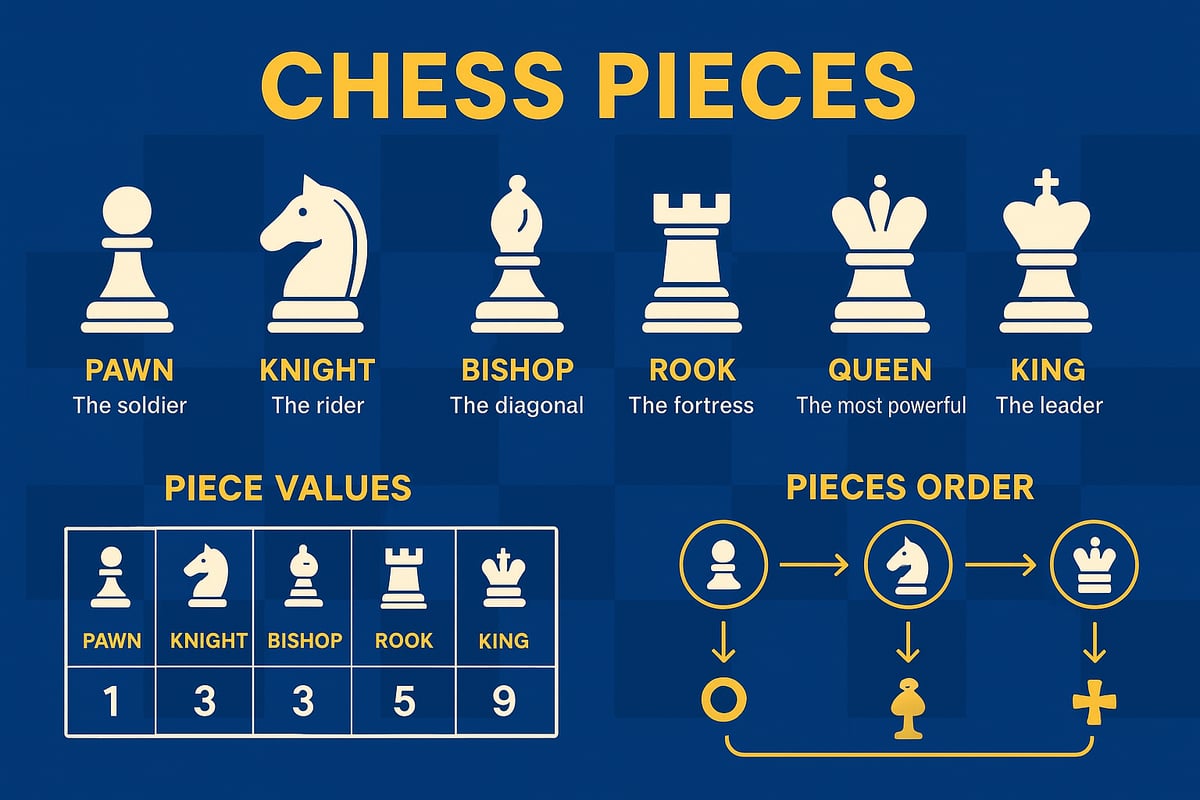
Let’s break down the lineup. The pawn forms the backbone of your position, controls key squares, and often starts attacks. Knights leap over pieces and create early threats, especially forks. Bishops shine on long diagonals, working best with supportive pawns and focusing on color complexes. Rooks rule open files and dominate in the endgame, while also playing a key role in castling. The queen is your most versatile attacker but usually waits to enter the fray. The king demands protection early, then becomes powerful in the endgame.
Understanding these roles is essential for deciding the right chess pieces order in any situation.
Piece Value and Strategic Implications
Chess pieces order is often shaped by the value of each piece. Here’s a quick snapshot:
| Piece | Value |
|---|---|
| Pawn | 1 |
| Knight | 3 |
| Bishop | 3 |
| Rook | 5 |
| Queen | 9 |
Because pawns and minor pieces are less valuable, they come out first, setting up stronger pieces for action. For example, trading a bishop for a knight is usually equal, but giving up a rook for a pawn is rarely worth it. Good chess pieces order avoids early queen moves and risky exchanges, keeping your army coordinated and ready for the next phase.
Piece Coordination and Harmony
Strong chess players don’t just develop pieces, they make them work together. Good chess pieces order means your knights and bishops support each other, rooks connect smoothly, and the queen waits for her moment. If your pieces are cramped or block each other, you’ll struggle to find good moves.
Classic games show how a harmonious setup leads to smooth attacks, while poor order leaves pieces out of play. Always aim to avoid congestion and use each piece’s strength to help the team.
Modern Trends in Piece Utilization (2026)
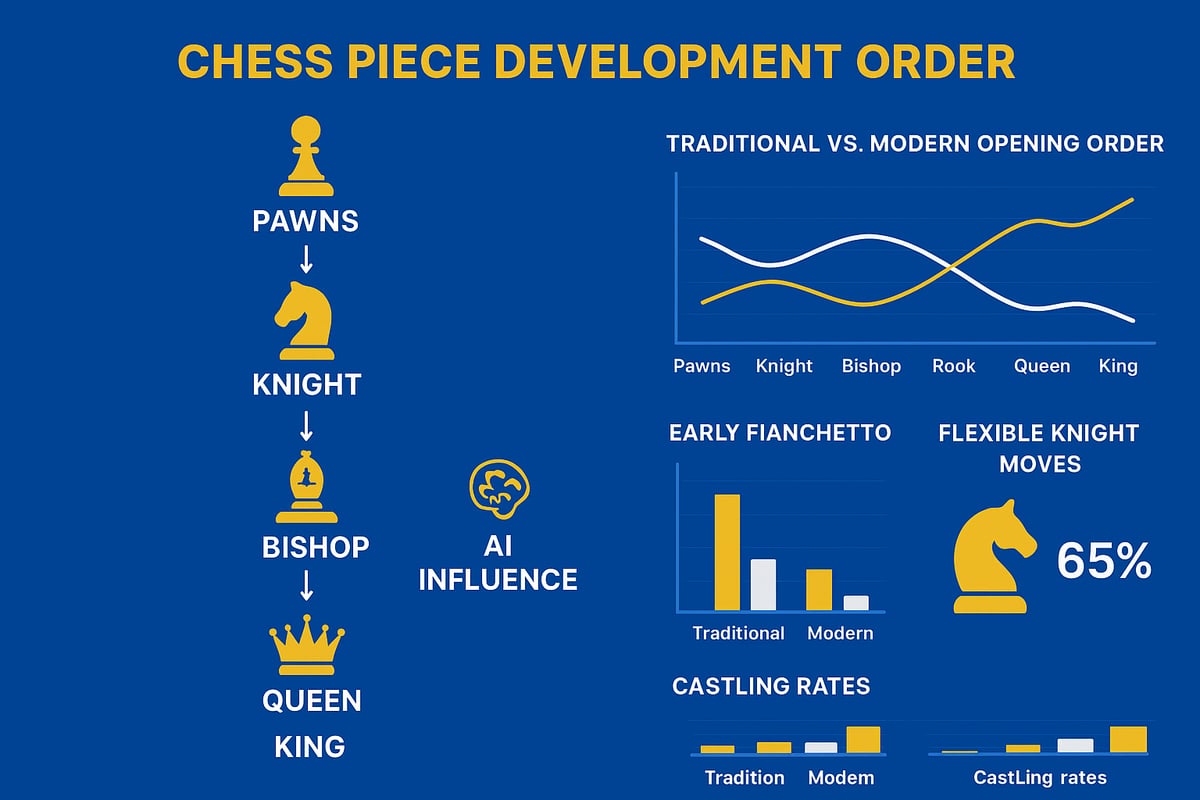
The chess pieces order you choose today is shaped by modern trends. AI tools have shown the value of flexible openings, with more players fianchettoing bishops and delaying certain moves. Recent grandmaster games reveal a shift toward hypermodern strategies, letting opponents take the center before counterattacking.
Engine recommendations often suggest subtle move orders that keep your options open. In 2026, the best players study these trends, using updated chess pieces order to stay ahead of the curve and catch their opponents off guard.
Step-by-Step Guide: Optimal Order for Developing Chess Pieces
Setting up your chess pieces order in the opening can feel a bit like laying out the perfect breakfast—each move has its place and purpose, and a misstep early on can throw off the whole meal. In 2026, the right chess pieces order is more crucial than ever, with engines and top players alike stressing precision from move one. Let's break down each stage so your games start strong every time.
The Importance of Piece Order in the Opening
Why does chess pieces order matter so much? It’s all about control, tempo, and keeping your king safe. Imagine building a house—you wouldn’t start with the roof, right? The same goes for chess. Studies show that 80 percent of club-level games are decided by missteps in the opening (Chess.com, 2023). If you get your chess pieces order right, you’ll have more influence over the board and fewer headaches later.
Developing your pieces in the right order helps you seize the center, avoid traps, and set up for a smooth transition into the middlegame. When you rush or skip steps, you can quickly lose your footing. Think of it as building a solid foundation, one move at a time.
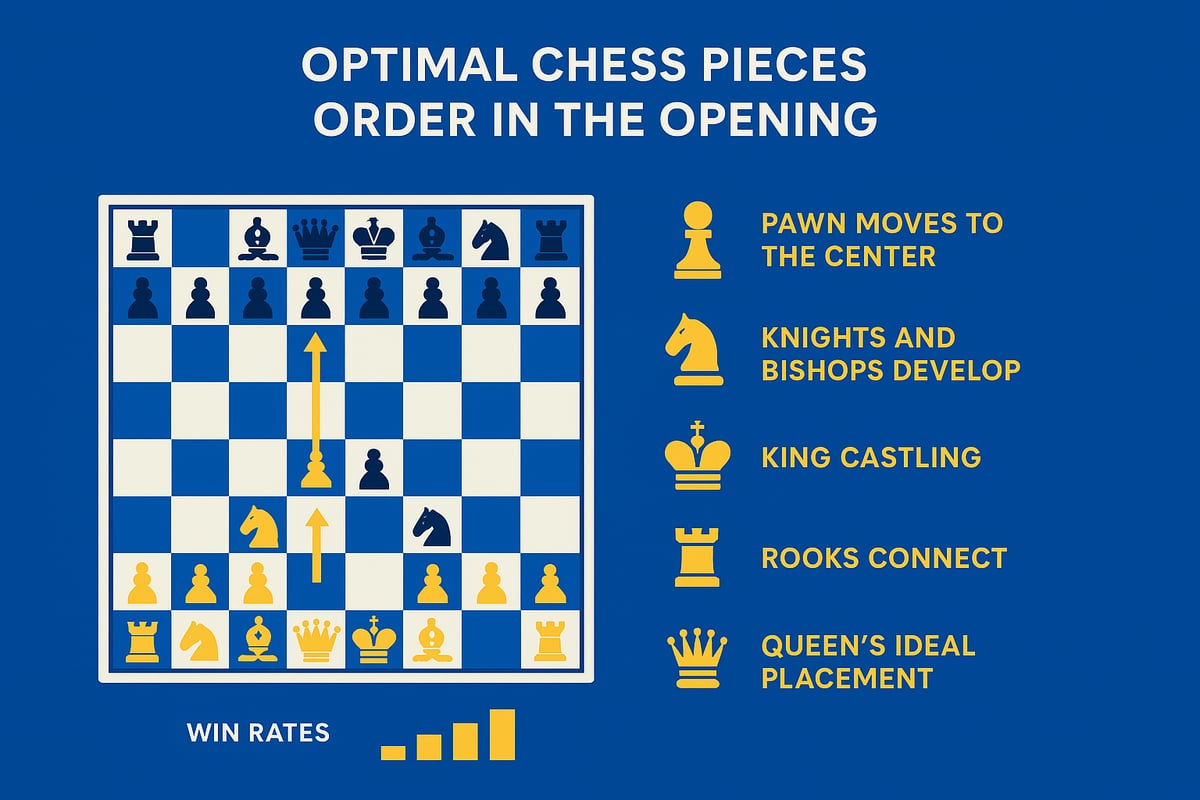
Step 1: Controlling the Center with Pawns
The first move in mastering chess pieces order is almost always about staking a claim in the center. Moves like e4, d4, c4, and Nf3 dominate club and master play for good reason. Statistically, these central pawn advances have the highest win rates, setting up safe lanes for your other pieces.
By pushing your central pawns, you open lines for your bishops and queen, and you limit your opponent’s options. Setting your pawns up early isn’t just tradition, it’s proven to give you the upper hand. If you’ve ever felt cramped in a game, chances are you skipped this step.
Step 2: Developing Minor Pieces (Knights before Bishops)
You’ve moved your pawns—now what? The classic chess pieces order advice is “knights before bishops.” Why? Knights are less flexible than bishops, so getting them out first prevents blocking your own pieces and keeps your options open.
For example, in the Italian Game, both knights are developed before bishops, allowing you to adjust based on your opponent’s responses. In the Queen’s Gambit, the same principle often applies. This order creates tactical chances and avoids awkward piece placement.

Step 3: King Safety and Castling
Once your minor pieces are out, it’s time to think about your king. Castling is a key part of chess pieces order, and it’s not just for beginners. Statistics show that 92 percent of master games feature castling within the first 12 moves (Lichess, 2023).
Castling gets your king to safety and brings a rook toward the center. Delaying this can leave you exposed to nasty attacks. If you’ve ever lost a game to a sudden checkmate, late castling might be the culprit.
Step 4: Connecting Rooks and Centralizing Them
After castling, focus on connecting your rooks by moving your queen off the back rank. This step in chess pieces order lets your rooks support each other and control open or semi-open files.
Modern play often features rook lifts, where a rook is brought up and over to join the attack. Placing your rooks on open files not only increases their power but also helps dominate the middlegame.
Step 5: Queen Development—Timing and Cautions
It’s tempting to bring your queen out early, but in chess pieces order, patience pays off. Premature queen moves are often punished by developing pieces and pawn attacks. The best squares for your queen depend on the position, but centralizing her only after your other pieces are out is usually safest.
Early queen attacks often backfire, leaving you behind in development. Watch top-level games and you’ll notice the queen waits her turn, joining the action only when it’s safe and impactful.
Step 6: Adjusting Order Based on Opponent’s Responses
Chess isn’t played in a vacuum. Sometimes, your opponent throws you a curveball, and you need to adapt your chess pieces order on the fly. Flexibility is essential. For instance, if your opponent tries an anti-Sicilian or anti-London setup, you may need to adjust your move order to avoid falling into a trap.
Being alert and ready to switch gears keeps your position solid and lets you capitalize on your opponent’s mistakes. Don’t stick to a rigid plan if the board calls for change.
Common Opening Systems and Their Piece Orders
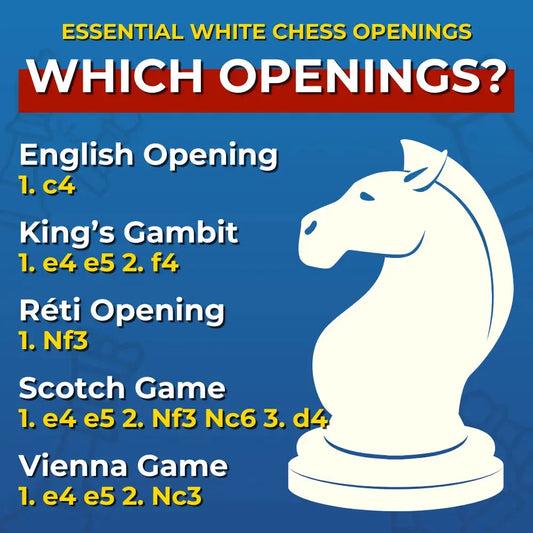
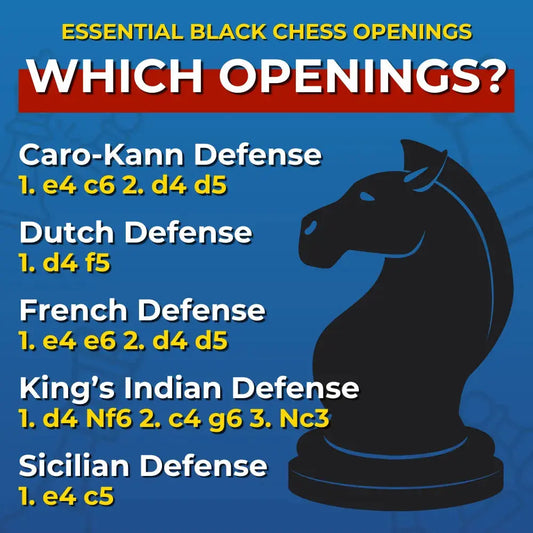
Let’s look at some popular openings and how chess pieces order plays out:
| Opening | Typical Order | Key Moves |
|---|---|---|
| Italian Game | Knights, Bishops, Castle | e4, Nf3, Nc3, Bc4, O-O |
| Sicilian Defense | Knights, Pawns, Bishops | e4, c5, Nf3, d6, Nc6 |
| Queen’s Gambit | Pawns, Knights, Bishops | d4, d5, c4, Nc3, Nf3 |
| London System | Pawn, Bishop, Knights | d4, Nf3, Bf4, e3, Bd3 |
If you want ready-made resources to master the chess pieces order in your favorite openings, check out this Chess opening toolkits collection for practical guides and drills. These toolkits are a shortcut to consistent, strong development—no guesswork required.
Essential Chess Piece Order Strategies for 2026
Chess has evolved rapidly in recent years, and so has the approach to chess pieces order. If you want to keep up in 2026, you need to stay ahead of the trends, adapt your play, and avoid the classic pitfalls. Let’s explore the strategies that will help you master chess pieces order and take your game to the next level.
Updated Opening Principles for Modern Play
Have you noticed how opening theory has changed lately? Chess engines and databases now influence every move, and the chess pieces order you choose can decide the game before you even reach the middlegame. Modern play often favors hypermodern setups, like fianchettoing bishops or delaying the queen’s development, to keep your opponent guessing.
According to FIDE 2024 data, there’s a noticeable shift toward unconventional piece orders in top-level tournaments. Flexibility and understanding of move order nuances are now more important than memorizing old lines. For a deeper dive into these trends and practical tips, check out Efficient Piece Development Strategies.
Adapting Piece Order to Your Playing Style
Do you prefer wild attacks or slow, positional squeezes? Your chess pieces order should reflect your personality. Aggressive players might develop knights and bishops quickly, launch early pawn storms, or castle on opposite sides for sharp battles. Positional players, on the other hand, often stick to solid pawn structures and careful coordination before launching any major operations.
Try this self-assessment: Are you comfortable with open positions, or do you thrive in closed ones? The King’s Indian Attack and English Opening demand different development orders, so experiment and find what feels natural. Tailoring chess pieces order to your style builds confidence and consistency in every game.
Handling Opponent’s Unorthodox Moves
What do you do when your opponent throws an early queen sortie or an odd knight move at you? Unusual openings like the Orangutan can disrupt your ideal chess pieces order if you’re not prepared. The best response is to stick to fundamentals—control the center, develop pieces harmoniously, and keep your king safe.
Look for chances to punish premature attacks. If your opponent neglects development, seize the initiative by gaining tempi and occupying key squares. Recognizing common traps and refutations will help you turn their creative ideas into your advantage, keeping your chess pieces order on track no matter what you face.
Balancing Piece Activity and Pawn Structure
Finding the right balance between piece activity and pawn structure is vital for proper chess pieces order. If you push pawns too early, your pieces might get stuck behind them. On the flip side, developing pieces without considering your pawn setup can leave you overextended and vulnerable to counterattacks.
Classic games, such as Botvinnik vs Capablanca, show how strong players coordinate piece development with well-timed pawn moves. Always ask yourself: Is my bishop blocked by my own pawns? Are my rooks connected and active? Keeping this balance ensures your chess pieces order stays efficient and effective throughout the opening.
Transitioning from Opening to Middlegame
How do you know when your development is complete? The key sign is when all your minor pieces are active, your rooks are connected, and your king is safe. Once you reach this stage, it’s time to shift focus from chess pieces order to coordination and tactics.
Typical middlegame plans include launching attacks, targeting weak pawns, or repositioning pieces for greater activity. Review your own games to see how your opening choices set up your middlegame opportunities. Smoothly transitioning from one phase to the next is a hallmark of strong chess pieces order.
Mistakes to Avoid in Piece Development Order
Even experienced players fall into common traps with chess pieces order. Overdeveloping one side, repeating moves in the opening, or neglecting king safety can cost you the game. ChessBase 2023 reports that most beginner blunders come from poor development order.
Stay alert for these pitfalls:
- Moving the queen out too early
- Forgetting to castle
- Ignoring the center
By reviewing model games and practicing disciplined development, you can sidestep these errors and ensure your chess pieces order leads to consistent improvement.
Advanced Piece Order Tactics and Move Sequences
Unlocking the secrets of advanced chess pieces order can transform your game, especially as you move into club and tournament play. Let’s break down the tactical layers of move sequences, tempo, sacrifices, and how world-class players use these concepts for victory.
Move Order Nuances and Transpositions
Understanding move order nuances is crucial for mastering chess pieces order. Often, the same position is reached through different move sequences, which is called a transposition. This flexibility can catch your opponent off guard or steer the game into your preferred territory.
For example, the Queen’s Gambit and the Catalan can transpose depending on when and how you develop your bishop and knight. If you want to explore these shifts and how modern theory has evolved, check out the Evolution of Chess Openings. Being aware of these subtleties helps you memorize less and understand more, making your chess pieces order both dynamic and unpredictable.
The Power of Tempo: Gaining and Losing Moves
Tempo is the currency of chess, and your chess pieces order determines if you’re spending or earning it. Every time you develop a piece with a threat, you force your opponent to react, gaining a tempo. Conversely, wasted moves, like moving the same piece twice early on, lose tempo and hand over the initiative.
Take the Scandinavian Defense: if your queen is chased around, you fall behind in development. But if you use your chess pieces order to develop with threats, you gain control. Recognizing when to seize or save tempo can be the difference between a smooth opening and a tough defense.
Sacrifices and Tactical Piece Order Tricks
Sometimes, the right chess pieces order opens up devastating tactical opportunities. Famous examples include the Greek Gift Sacrifice (Bishop takes h7+) and the Fried Liver Attack, where precise development lets you launch a rapid assault.
These tactics rely on bringing your pieces out in a way that maximizes attacking potential. In recent games, players who understood the ideal chess pieces order created threats that overwhelmed even experienced opponents. Watching out for these tactical shots, and knowing when to set them up, gives you a real edge.
Piece Order in Endgames: Activating the King and Rooks
As the game transitions into the endgame, chess pieces order shifts focus. Now, activating your king and rook becomes a top priority. Getting your king to the center and your rooks to open files can decide the outcome.
Classic examples like the Lucena and Philidor positions show how the correct chess pieces order—king first, then rook to support or cut off—can secure a win or draw. Remember, in endgames, piece activity often outweighs material, so bring your king and rooks into play as soon as it’s safe.
Case Studies: Grandmaster Games and Analysis
Let’s see how elite players use chess pieces order for victory. In 2025-2026, grandmasters often optimized their move sequences to outmaneuver rivals. For instance, games featuring the Queen’s Gambit highlight the importance of developing minor pieces before launching central pawn breaks. If you’re curious about the pros and cons of this opening and how piece order shapes the strategy, check out the Queen's Gambit pros and cons.
Studying annotated games from recent tournaments reveals how flexible, harmonious chess pieces order leads to strong positions and tactical opportunities. By analyzing these case studies, you’ll internalize advanced techniques and make smarter choices in your own games.
Common Mistakes and How to Fix Them
It's easy to stumble when learning the right chess pieces order. Even experienced players fall into common traps that stall development and hand the advantage to their opponents. Want to sidestep these pitfalls? Let’s explore the most frequent errors and how you can fix them for good.
Most Frequent Errors in Piece Development
Have you ever found your queen chased around the board in the first few moves? That’s a classic mistake in chess pieces order. Here are the most frequent errors players make:
- Early queen moves: Bringing out your queen too soon makes her a target and wastes time.
- Ignoring the center: Skipping central pawns (like e4 or d4) weakens your control and limits your pieces.
- Delayed minor piece development: Keeping knights and bishops on the back rank slows your entire plan.
- Repeating moves: Moving the same piece twice wastes valuable tempo.
Statistics show that most beginner blunders come from these basic missteps. Fixing your chess pieces order often starts with simply recognizing these patterns in your own games.
Recognizing and Correcting Bad Habits
How do you know if you’re developing bad habits in your chess pieces order? Start by reviewing your games. Look for moves where you developed only one side, left your king exposed, or moved the same piece repeatedly. Here are some practical ways to break the cycle:
- Self-assessment: After each game, ask yourself which pieces you developed first and why.
- Drills and exercises: Practice classic opening sequences to build muscle memory.
- Pattern spotting: Compare your games to model openings and note any deviations.
If you want a structured approach, check out resources like annotated game collections or even the Best website to learn chess for targeted improvement drills. Small adjustments can make a huge difference in your results.
Learning from Model Games and Resources
Studying great games is one of the fastest ways to master chess pieces order. Focus on annotated classics and recent grandmaster battles. These resources help you internalize good habits and spot where top players place their pieces.
- Visual guides: Use diagrams and cheat sheets to memorize key development orders.
- Game databases: Explore openings and see how elite players sequence their moves.
- Video lessons: Watch breakdowns of both classic and modern games to reinforce concepts.
Many players benefit from interactive tools and curated collections that spotlight the best practices in chess pieces order. Consistent study will help you avoid repeating common mistakes and sharpen your intuition.
Chess Cheat Sheets: Visual Resources for Chess Piece Order Mastery
If you’re looking for a shortcut to mastering chess pieces order, visual resources can be a game-changer. Chess Cheat Sheets provide plug-and-play guides that map out ideal piece development for dozens of popular openings.

- Opening toolkits: Step-by-step visual guides for every major system.
- Endgame resources: Quick references to activate your pieces in the late game.
- 1.5 million+ puzzles: Practice common patterns and avoid frequent slip-ups.
These cheat sheets are especially helpful if you want to avoid memorizing thick theory books. Free samples and visual guides make learning chess pieces order approachable for any skill level.
You’ve made it this far, so you’re clearly serious about leveling up your chess game in 2026. We’ve talked about piece order, smart openings, and how just a few tweaks can totally change how you play. But let’s be honest—knowing what to do is one thing, actually putting it into practice is another. If you’re ready to turn all these strategies into real, lasting improvements, why not take the next step? You can dive into step by step visual guides tailored to your favorite openings and finally stop getting stuck in the opening phase. Ready to start? Start Improving Your Openings