

If you've ever walked into a dedicated chess house, you'll know the feeling immediately. The scent of wooden pieces, the sight of beautifully crafted boards, and the quiet hum of players testing sets before purchase. These specialized retailers have been the backbone of the chess community for decades, providing not just equipment but also a gathering place for enthusiasts. In 2026, the chess house concept has evolved significantly, blending traditional retail with modern e-commerce and educational resources to serve players better than ever before.
The Evolution of the Chess House Concept
The modern chess house represents much more than a simple retail operation. These businesses have transformed from dusty corner shops into sophisticated hubs that cater to every aspect of chess improvement and enjoyment.
What defines a chess house today?
It's not just about selling boards and pieces anymore. A comprehensive chess house in 2026 typically offers:
- Premium and budget-friendly chess sets for all skill levels
- Educational materials including books, videos, and digital resources
- Tournament-grade equipment meeting official standards
- Custom and themed sets for collectors
- Digital integration with online learning platforms
- Community support through events and workshops
Chess House established itself as a pioneer in this space, having operated since 1972 and continuously adapting to meet players' changing needs.
From Physical Stores to Hybrid Models
The journey of the chess house business model mirrors broader retail trends. Originally, these establishments were purely physical locations where players could touch, feel, and test products before purchasing. That tactile experience remains valuable, but the digital revolution has expanded what's possible.
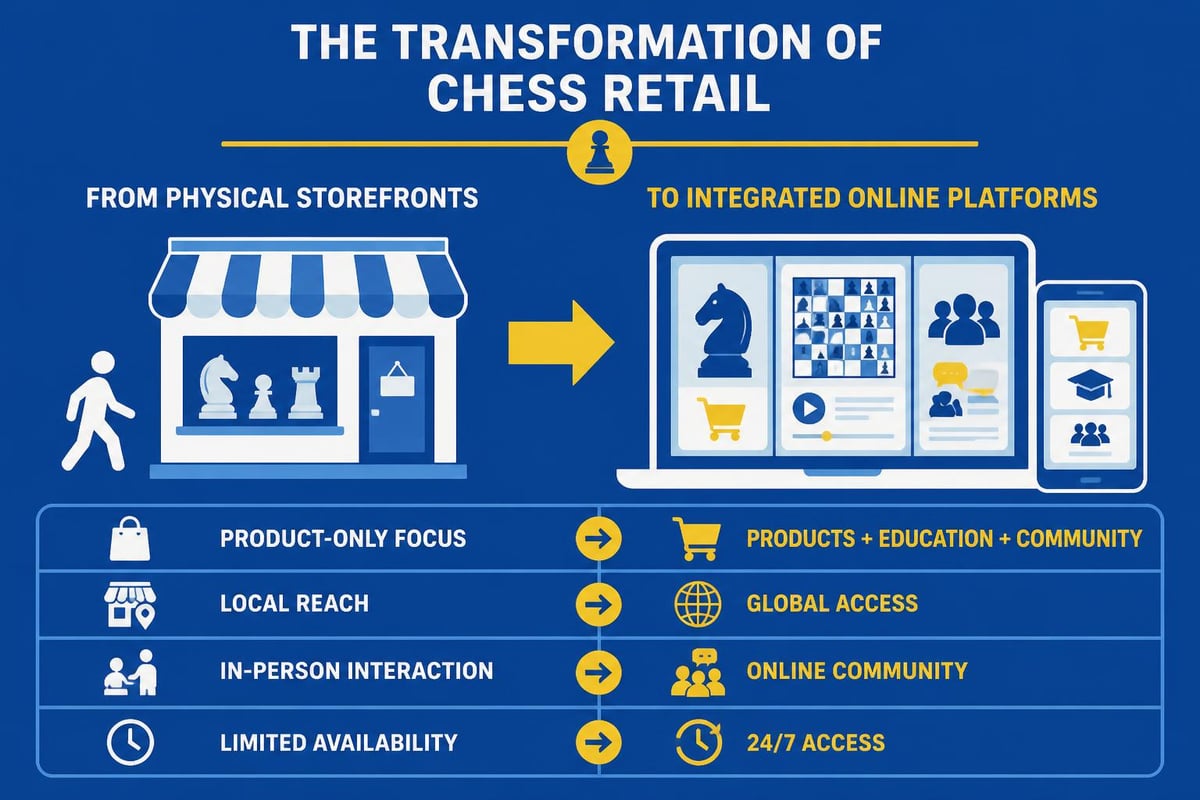
Modern chess houses now operate sophisticated websites alongside physical locations, creating a hybrid shopping experience. You can browse extensive catalogs online, read detailed product descriptions, and watch demonstration videos before making decisions. This approach removes geographical limitations that once restricted access to quality chess equipment.
What Makes a Chess House Different from General Retailers
Have you ever tried buying a chess set from a department store? The experience rarely compares to shopping at a dedicated chess house. The difference lies in specialization and expertise.
Expertise and Curation
Staff members at a proper chess house understand the game intimately. They can explain why one board material suits tournament play better than another, or how piece weight affects gameplay. This knowledge translates into carefully curated product selections.
When you're exploring best openings for Black, you want equipment that supports serious study. A chess house ensures every product meets quality standards that casual retailers often overlook.
Key differentiators include:
- Quality Assurance: Every set undergoes inspection to ensure pieces are properly weighted and balanced
- Tournament Compliance: Access to FIDE-approved equipment for competitive players
- Educational Integration: Products paired with learning resources to accelerate improvement
- Customization Options: Ability to mix and match boards, pieces, and accessories
- After-Sales Support: Expert advice continues long after purchase
| Feature | Chess House | General Retailer |
|---|---|---|
| Product Knowledge | Expert-level understanding | Basic product specs |
| Quality Range | Budget to premium | Limited selection |
| Educational Support | Comprehensive resources | None or minimal |
| Community Connection | Events and tournaments | Transactional only |
| Customization | Extensive options | Pre-packaged only |
The Educational Component of Modern Chess Houses
Here's where things get really interesting. The best chess houses have recognized that their mission extends beyond commerce. Chess House's commitment to bringing chess into every home reflects this broader vision of intellectual growth through the game.

Integration with Learning Resources
Modern players don't just need equipment. They need guidance on how to improve. Progressive chess house businesses have responded by creating or partnering with educational platforms.
Think about your own chess journey. You probably started with basic piece movements, then progressed to understanding openings, tactics, and endgames. A comprehensive chess house supports every stage of this development.
- Beginner materials explaining fundamental concepts
- Intermediate resources covering opening theory
- Advanced analysis tools for serious students
- Puzzle collections for tactical training
- Endgame databases and guides
This educational focus creates a natural synergy with resources like opening guides that help players develop comprehensive repertoires without overwhelming study requirements.
Supporting Different Learning Styles
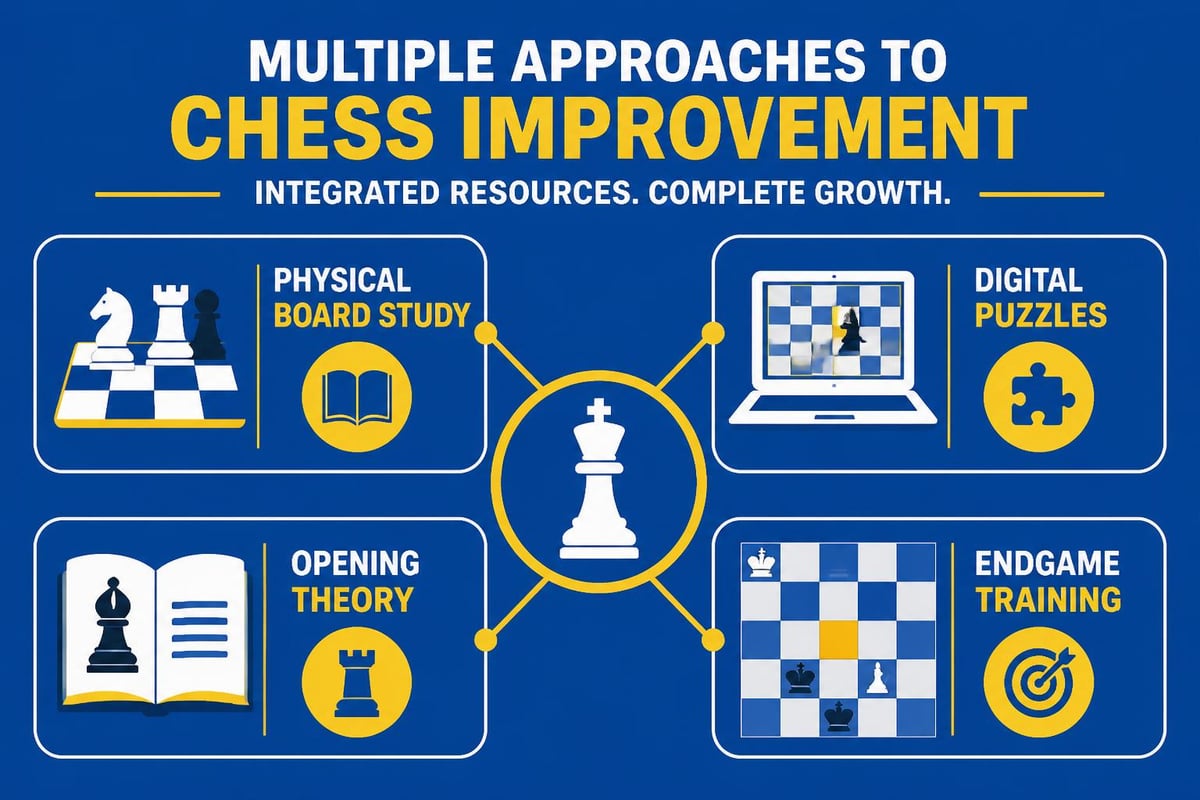
Not everyone learns chess the same way. Some players thrive with books, others prefer video content, and many benefit from hands-on practice with physical sets.
A quality chess house recognizes these differences and provides multiple pathways to improvement. You might purchase a beautiful wooden set for over-the-board practice while also accessing digital puzzle collections through the same retailer.
Product Categories That Define a Complete Chess House
Walk into any established chess house, physical or virtual, and you'll encounter several distinct product categories. Each serves specific needs within the chess community.
Chess Sets and Boards
This remains the core offering. But there's remarkable diversity within this category:
Tournament Sets: Regulation-size boards with properly weighted plastic pieces, designed for serious competitive play. These sets prioritize functionality and durability over aesthetics.
Wood Sets: Ranging from affordable wooden pieces on mousepad boards to handcrafted masterpieces using exotic woods. These appeal to players who value tradition and craftsmanship.
Themed Sets: Medieval battles, historical conflicts, fantasy worlds. These sets attract collectors and make excellent gifts for enthusiasts.
Travel Sets: Compact, magnetic sets designed for portability without sacrificing playability.
Clocks and Timers
Time management separates casual play from serious competition. A proper chess house stocks various timing solutions:
- Digital clocks with multiple time control options
- Analog clocks for traditional tournament feel
- Smartphone-compatible timers for casual games
- Specialty clocks for variants like Fischer Random
Educational Materials
This category has exploded in recent years. Advanced chess books form just one segment of the educational offerings available through modern chess houses.
You'll also find:
- Opening repertoire guides
- Tactical puzzle books
- Endgame manuals
- Game collection annotated by masters
- Training software and databases
The Community Aspect of Chess Houses
Perhaps the most valuable aspect of a dedicated chess house isn't tangible at all. It's the community connection these businesses foster.
Creating Gathering Spaces
Physical chess house locations often include playing areas where customers can test equipment, meet fellow enthusiasts, or participate in casual games. These spaces serve multiple functions:
- Product demonstration and comparison
- Informal instruction and mentoring
- Social connection among players
- Tournament hosting and organization
- Book clubs and study groups
Even online-focused chess houses cultivate community through forums, social media engagement, and virtual events. Chess House's approach to customer engagement demonstrates how retailers can maintain personal connections despite digital distance.
Supporting Tournament Infrastructure
Serious chess houses understand their role in competitive chess ecosystem. They supply equipment for local tournaments, sponsor events, and often employ strong players who can offer coaching services.
This investment in competition benefits everyone. Beginners gain access to organized play, intermediates find opportunities to test skills, and advanced players enjoy well-run events with quality equipment.
| Community Service | Benefits | Example Activities |
|---|---|---|
| Tournament Hosting | Competitive experience for all levels | Monthly rapid tournaments, annual championships |
| Educational Workshops | Structured improvement opportunities | Opening theory classes, endgame seminars |
| Social Events | Community building | Simultaneous exhibitions, chess movie nights |
| Youth Programs | Next generation development | School clubs, youth championships |
How Chess Houses Adapt to Digital Trends
The chess boom during the early 2020s, accelerated by pandemic lockdowns and popular streaming content, forced chess houses to innovate rapidly. Those that succeeded embraced digital transformation while maintaining their core identity.
E-Commerce Excellence
Modern chess house websites offer sophisticated shopping experiences. Detailed product photography shows sets from multiple angles. Video demonstrations reveal how pieces feel in hand and sound on the board. Customer reviews provide real-world feedback.
The Stack chessboard exemplifies how chess houses showcase innovative products through compelling digital content, helping customers understand unique features before purchase.
But it's not just about selling. The best chess house platforms integrate educational content alongside products. You might read about the Queen's Gambit opening while browsing sets suitable for serious study.
Hybrid Shopping Experiences
Smart chess houses have created seamless experiences across channels. You can:
- Research products online, then examine them in-store
- Order online with local pickup options
- Return online purchases to physical locations
- Access expert consultations via video chat
- Participate in virtual events using purchased equipment
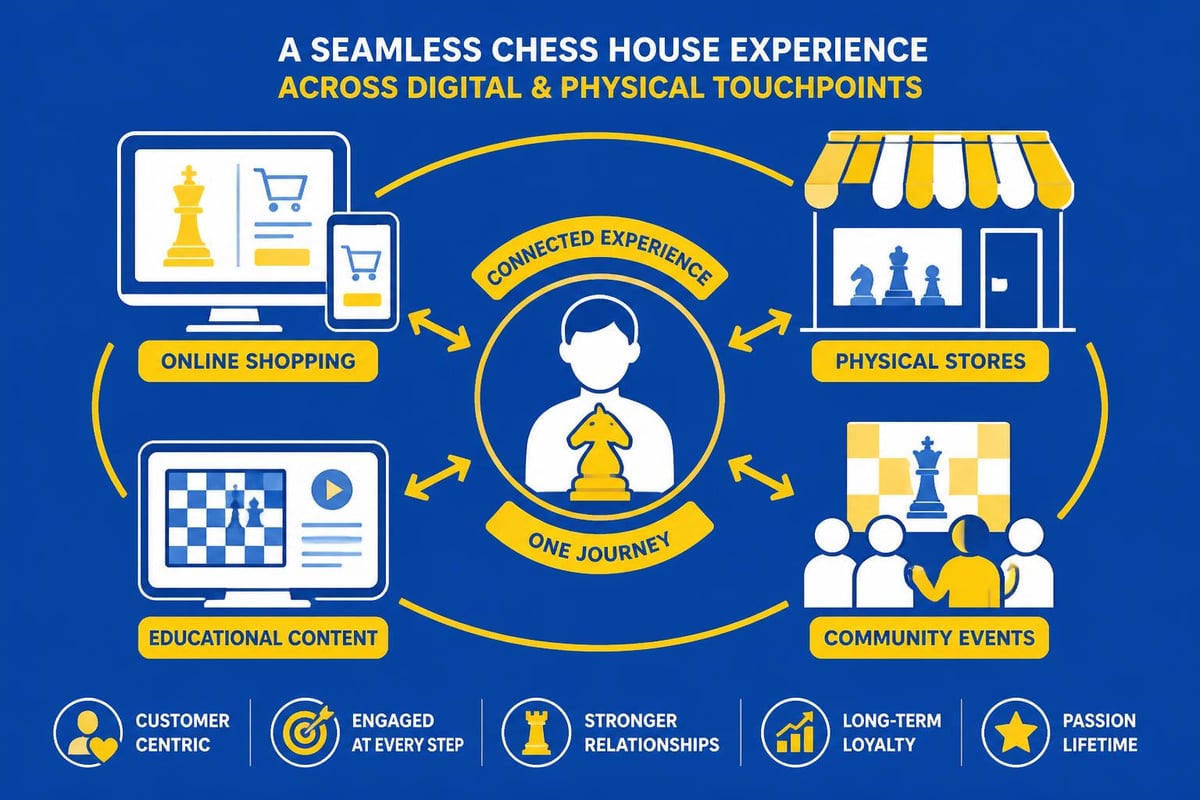
This flexibility serves diverse customer preferences. Some players always want hands-on evaluation before purchase. Others value the convenience of doorstep delivery. Modern chess houses accommodate both approaches.
Selecting the Right Chess House for Your Needs
Not all chess houses serve identical purposes. Your ideal choice depends on your specific requirements and circumstances.
Questions to Consider
What's your skill level? Beginners need different support than tournament players. Some chess houses specialize in introductory materials and affordable sets, while others cater primarily to serious competitors.
What's your budget? Quality chess equipment spans enormous price ranges. A good chess house offers options across this spectrum, helping you find the best value at your price point.
Do you prefer physical or online shopping? If you value seeing products before purchase, proximity to a physical chess house matters. For purely online shopping, selection and shipping speed become more important.
What educational support do you need? If you're working on specific aspects of your game, look for chess houses that provide relevant learning resources. Perhaps you're studying Sicilian Defense theory and want equipment suited to serious opening preparation.
Evaluating Quality and Service
Strong chess houses distinguish themselves through:
- Product guarantees: Satisfaction commitments that protect your investment
- Expert staff: Knowledgeable team members who play and understand chess
- Educational content: Resources that help you improve, not just sell products
- Community involvement: Active participation in local and online chess scenes
- Customer service: Responsive support before and after purchase
Chess House's welcome message highlights these commitments, offering insights into what makes a retailer trustworthy.
The Future of Chess House Retail
Where is the chess house concept heading? Several trends suggest exciting developments ahead.
Increased Personalization
Expect chess houses to offer more customized experiences. Advanced algorithms might recommend specific sets based on your playing style and preferences. Custom piece and board combinations could become more accessible through digital visualization tools.
Enhanced Digital Integration
The line between physical and digital chess will continue blurring. Chess houses might offer sets with embedded sensors that transmit moves to analysis software. Augmented reality could let you visualize how different boards would look in your home before purchase.
Sustainability Focus
Environmental consciousness is reshaping retail across industries. Forward-thinking chess houses are sourcing sustainable materials, reducing packaging waste, and offering repair services that extend product lifespans rather than encouraging replacement.
Global Accessibility
International shipping has improved dramatically, but language barriers and regional preferences still matter. Successful chess houses will increasingly localize their offerings while maintaining global reach, serving diverse chess cultures with appropriate products and content.
Supporting Your Chess Journey Through Specialized Retailers
The value of a dedicated chess house extends far beyond the transaction. These businesses serve as custodians of chess culture, connecting generations of players and preserving the game's rich heritage.
When you purchase from a chess house rather than a generic retailer, you're supporting:
- Employment for chess players and enthusiasts
- Sponsorship of tournaments and events
- Development of educational resources
- Preservation of traditional craftsmanship
- Growth of local chess communities
Your equipment choices matter more than you might think. The right board can make daily practice more enjoyable. Properly weighted pieces improve your physical game. Quality clocks ensure fair competition.
But beyond the products themselves, connecting with a knowledgeable chess house gives you access to expertise that accelerates improvement. Whether you're exploring free online chess courses or investing in premium equipment, having expert guidance makes the journey smoother.
Making the Most of Your Chess House Relationship
Think of your chosen chess house as a long-term partner in your chess development. Here's how to maximize that relationship:
Engage with educational content: Don't just buy products. Consume the learning resources your chess house provides. Many offer blogs, videos, and guides that complement their physical offerings.
Participate in community events: Whether online or in-person, take advantage of tournaments, workshops, and social gatherings. These experiences enrich your chess life beyond individual study.
Provide feedback: Quality chess houses genuinely want to serve you better. Share your experiences, both positive and negative, to help them improve.
Explore beyond the obvious: Don't limit yourself to the most popular products. Ask staff about hidden gems or new arrivals that might suit your needs.
Support their mission: When you find a chess house that aligns with your values, become an advocate. Recommend them to fellow players, leave honest reviews, and contribute to their community initiatives.
The relationship between players and their chess house should be mutually beneficial. You gain access to quality products and expertise. They build a sustainable business that can continue serving the chess community for years to come.
Remember that improvement requires the right tools combined with effective learning strategies. While a beautiful set enhances your practice environment, understanding opening principles through resources like common chess openings guides provides the knowledge that translates to better results.
The chess house concept has proven remarkably resilient, adapting to technological change while maintaining its core mission of serving chess enthusiasts. By combining quality products with educational support and community building, these specialized retailers create value that extends far beyond simple commerce. Whether you're just beginning your chess journey or refining advanced skills, Chess Cheat Sheets offers the streamlined guides and practical resources you need to improve efficiently, complementing the equipment you acquire from trusted chess retailers with actionable knowledge that accelerates your development at the board.


