

Imagine sitting across the board in 2026, confidently navigating every move with a trusted companion by your side. Chess is more popular than ever, with new strategies and challenges emerging every season.
If you want to thrive in this dynamic landscape, a chess guide book is your ultimate ally. It gives you the structure, insights, and confidence to master both classic and cutting-edge play.
In this article, you'll discover how chess guide books have evolved, what essential content you should look for, practical strategies for improvement, top digital resources, and tips for choosing the perfect guide for your skill level.

The Evolution of Chess Guide Books: From Classic Manuals to 2026
Ever wondered how your favourite chess guide book became such a powerful learning tool? The journey from dusty classics to interactive digital companions is nothing short of fascinating. Let’s explore how these guides have evolved to keep you ahead in the ever-changing chess world.

The Early Foundations: Classic Chess Literature
Let’s turn the clock back to the days when a chess guide book meant a hefty volume packed with timeless wisdom. Titles like “My System” by Nimzowitsch and “Chess Fundamentals” by Capablanca set the gold standard for chess education. These books introduced structured thinking, pattern recognition, and strategic planning.
Chess lovers would pore over annotated games, learning the art of calculation move by move. Early guide books made chess accessible, shaping study habits for generations. Yet, as the chess world became faster and more dynamic, these classics started to show their age. They struggled to keep up with new opening ideas and the explosion of online play.
Despite their limitations, every chess guide book today owes a debt to these trailblazers. Their influence is woven into the fabric of modern guides.
The Digital Revolution in Chess Learning
Fast forward to the 21st century. Suddenly, a chess guide book could live in your pocket, updated at the tap of a button. The arrival of computer analysis, vast online databases, and mobile apps forever changed chess study.
With engines like Stockfish and AlphaZero, players gained instant feedback, uncovering tactical motifs and strategic plans that old books never imagined. Interactive eBooks, embedded videos, and real-time analysis became the new normal.
If you want to see how digital resources have expanded your options, check out the Best Websites for Chess Study for a snapshot of today’s top online learning platforms.
Now, a chess guide book is about more than just reading. It’s about engaging, exploring, and adapting to your unique learning style.
Current Trends and Innovations in 2026 Chess Guides
So, what does a cutting-edge chess guide book look like in 2026? Imagine opening your guide and finding not only clear diagrams but also video tutorials and interactive puzzles. Mobile apps now offer adaptive learning, tracking your progress and tailoring lessons to your strengths and weaknesses.
Hybrid guide books blend print and digital, giving you the best of both worlds. For instance, you might start a lesson in a physical book, then scan a QR code to unlock extra online content.
Data from a 2024 Chess.com survey reveals over 70% of learners now prefer digital or hybrid resources. This shift reflects the modern player’s need for flexibility, personalisation, and up-to-date content in every chess guide book.
Why Modern Guide Books Matter
You might ask, “Why does any of this matter to me?” In today’s chess landscape, a chess guide book must keep pace with rapid changes in opening theory and playing styles. Modern guides provide targeted advice for every skill level, from absolute beginners to ambitious club players.
They offer practical strategies for both online and over-the-board play. With regular updates, you’re never left behind. The best chess guide book becomes your coach, mentor, and training partner, all rolled into one.
By choosing the right guide, you’re not just learning the game. You’re preparing to thrive in the world of chess, no matter how it evolves next.
Key Components of an Effective Chess Guide Book
Looking for the perfect chess guide book? Let’s break down what truly makes a guide stand out. Whether you’re just starting or aiming for mastery, knowing what to expect inside a modern chess guide book can save you time and boost your results.
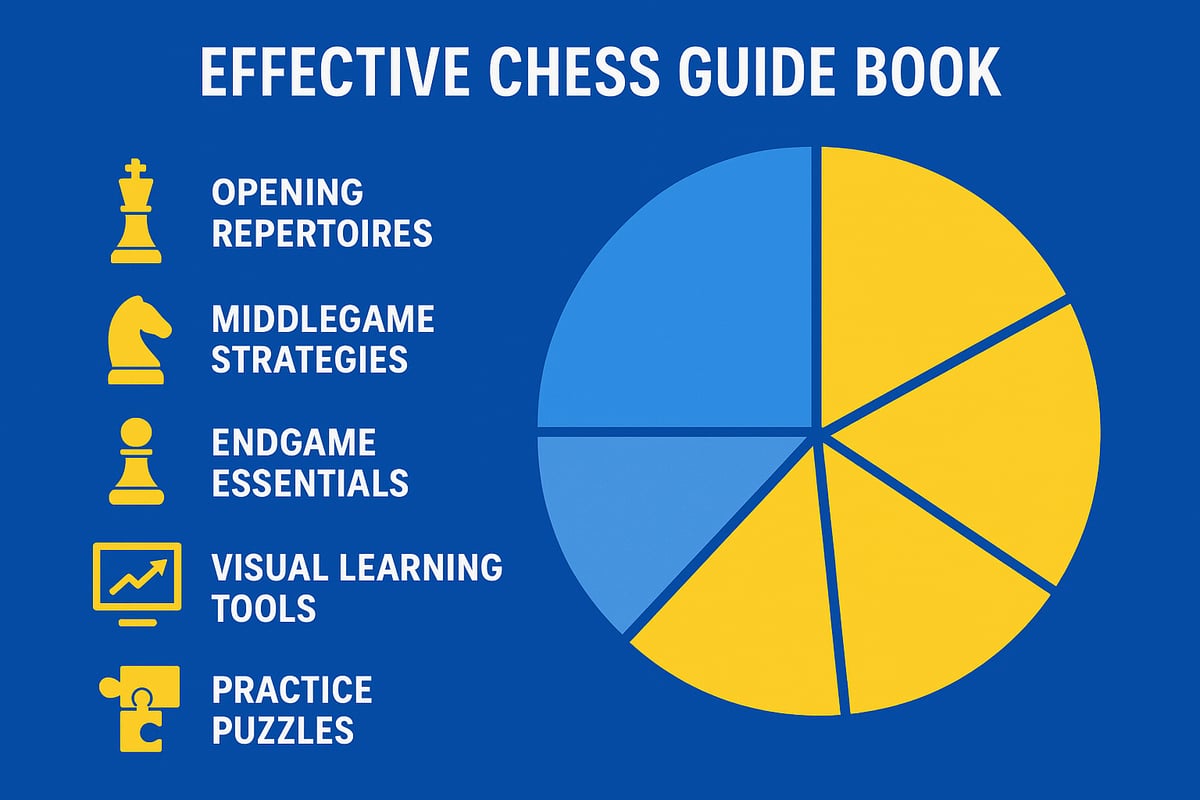
Comprehensive Opening Repertoires
A well-structured chess guide book always starts with clear opening repertoires. You’ll find both white and black openings, explained step by step so you can build a solid foundation. The best guide books organise openings logically, often starting with popular choices like the Scandinavian Defence, then moving to more advanced systems.
Look for summary tables and diagrams to help you remember key moves. Good guides make it easy for you to choose openings that suit your style, whether you love tactical battles or quiet positional play.
In-Depth Middlegame Strategies
Ever wondered what separates club players from strong competitors? It’s usually middlegame understanding. A quality chess guide book will teach you how to recognise patterns, spot tactical motifs, and plan ahead.
Expect to see annotated games breaking down common pawn structures and piece activity. Many guides offer step-by-step instructions so you can apply these strategies in your own games. Real-life examples help you connect theory with practice, making your learning journey smoother.
Endgame Essentials
Most games are decided in the endgame, yet this phase is often overlooked. A top chess guide book gives you the must-know endgame concepts, such as king and pawn endings or rook versus rook.
You’ll benefit from clear diagrams and tables that summarise key positions. These tools make it easy to review and remember what to do in practical situations. By focusing on endgame essentials, you’ll convert more advantages and save tricky positions.
Visual Learning and Accessibility
Do you learn better with pictures than words? Modern chess guide books use visual aids like annotated diagrams, summary charts, and colour coding to make tough ideas stick. These features help you grasp complex positions quicker.
Accessibility is crucial, too. The best guide books offer large fonts, easy-to-navigate digital versions, and sometimes even multi-language support. This ensures you can learn comfortably, however you prefer.
Practice Resources: Puzzles and Drills
If you want to sharpen your tactical skills, look for a chess guide book packed with puzzles and drills. The most effective guides include graded puzzles, end-of-chapter quizzes, and tools for self-assessment.
For even more practice, check out Chess Puzzles for Practice, which provides a range of exercises that complement your study routine. Regular practice with these resources turns theory into habit, helping you spot tactics quickly in your games.
Up-to-Date Theoretical Content
Chess evolves fast, and so should your chess guide book. The best guides are updated regularly to reflect new opening trends and discoveries from computer analysis. They often cite recent grandmaster games and provide fresh insights each year.
Staying current is key. Make sure your guide includes the latest theory, so you’re never caught off guard by new lines or popular traps. This keeps your preparation sharp and your confidence high.
Step-by-Step: How to Use a Chess Guide Book for Maximum Improvement
Mastering chess in 2026 requires more than just casual play. A thoughtfully chosen chess guide book can turn your daily study into a structured journey. Let’s break down, step by step, how to get the most from your chess guide book and transform your improvement path.
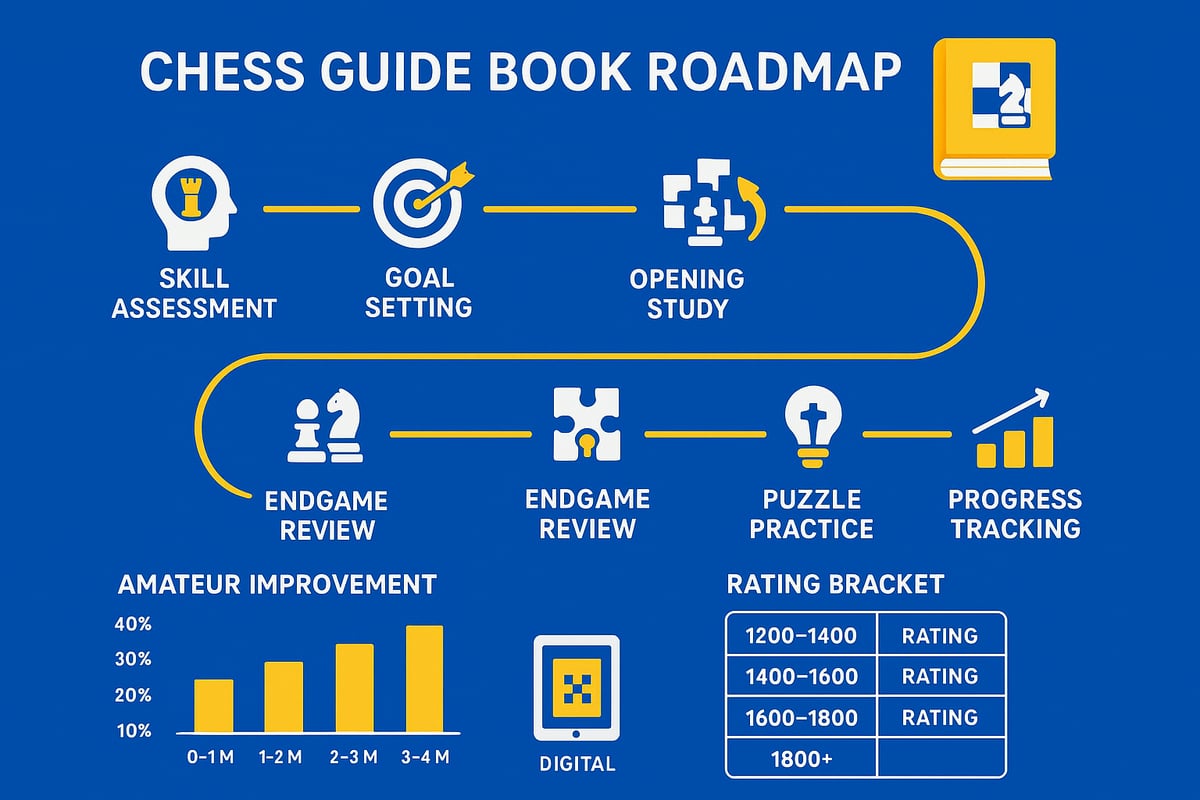
Step 1: Assess Your Current Skill Level
Before diving into any chess guide book, you need to know where you stand. Are you just starting, or have you already played hundreds of online games? Check your online ratings on platforms like Chess.com or Lichess, review your club performance, and track your puzzle-solving scores.
A good chess guide book will often provide rating brackets or self-evaluation checklists. For beginners, resources like the Free Chess Learning Guide can help you understand foundational skills and identify gaps in your knowledge.
| Rating Bracket | Recommended Focus |
|---|---|
| 0-800 | Rules, tactics, basics |
| 800-1400 | Openings, strategy |
| 1400+ | Advanced concepts |
Knowing your level ensures you pick a chess guide book that matches your needs.
Step 2: Set Clear Chess Goals
What do you want to achieve with your chess guide book? Maybe you want to learn a new opening, reach a higher rating, or simply win more club games. Setting both short-term and long-term goals gives your study direction.
Many modern chess guide books include goal-setting templates and progress trackers. Write down your objectives, such as “increase my rapid rating by 100 points” or “master the London System.” Review these goals regularly and adjust as you grow.
Clear goals help you measure progress and keep motivation high. Remember, improvement is a marathon, not a sprint.
Step 3: Build Your Opening Repertoire
Openings can feel overwhelming, but your chess guide book is designed to break them down into manageable steps. Start with simple, solid systems that match your current level. As you gain confidence, expand your repertoire to include more complex lines.
Use chapter layouts, summary sheets, and annotated games in your chess guide book for faster learning. For example, following a chronological approach—studying one opening at a time—can boost your win rate. Data from Lichess.org in 2025 showed that structured opening study improved players’ success by 20 percent.
Keep a notebook or digital file to track your favourite lines and frequent mistakes.
Step 4: Master Middlegame Concepts
The middlegame is where your understanding of chess truly shines. Your chess guide book will feature annotated games, pattern recognition drills, and tactical motifs. Schedule regular study sessions to absorb these concepts.
Apply the annotated examples to your own games. After playing, compare your moves to those in the chess guide book. Many guide books include puzzles and self-assessments to help track your progress.
Focus on themes like pawn structures, piece activity, and planning. Over time, you’ll start spotting tactical shots and strategic plans during your own games.
Step 5: Strengthen Endgame Technique
Endgames often decide the outcome of your games, especially as you improve. A quality chess guide book will highlight practical endgames, such as king and pawn or rook endings, with diagrams and summary tables for easy reference.
Review the most common endgames regularly. Use checklists and quick-reference tables to reinforce your knowledge. Knowing even a few key endgames can help you save lost positions or convert small advantages into wins.
Remember, 60 percent of amateur games are decided in the endgame phase, so this step is crucial for overall improvement.

Step 6: Practise with Puzzles and Quizzes
Consistency is key. Most chess guide books include tactical puzzles and quizzes at the end of chapters. Set aside time daily or weekly to solve these exercises, starting with easier ones and progressing to harder challenges.
Track your success rate and note which tactics or motifs you miss most often. Players who solve 10 or more puzzles per day have been shown to improve twice as fast, according to ChessBase 2024 analysis.
Self-assessment tools in your chess guide book help spotlight your weaknesses, allowing you to focus your efforts efficiently.
Step 7: Review and Update Your Study Plan
Improvement in chess is never static. Regularly revisit your goals and study habits. Many chess guide books release annual or biannual editions to keep you updated with the latest trends and discoveries.
Use progress trackers and reflect on your results every few weeks. If you hit a plateau, adjust your focus or try a new section of your chess guide book. Stay flexible and celebrate your milestones along the way.
By consistently reviewing and updating your plan, you’ll ensure sustained improvement and keep your chess journey engaging.
Choosing the Best Chess Guide Book for Your Needs in 2026
Choosing the right chess guide book in 2026 can feel a bit like picking the perfect chess move – you want confidence, clarity, and a resource that matches your ambitions. With so many options and formats available, how do you make the best choice for your personal journey? Let’s break down the essentials so you can find a guide that feels like it was written just for you.
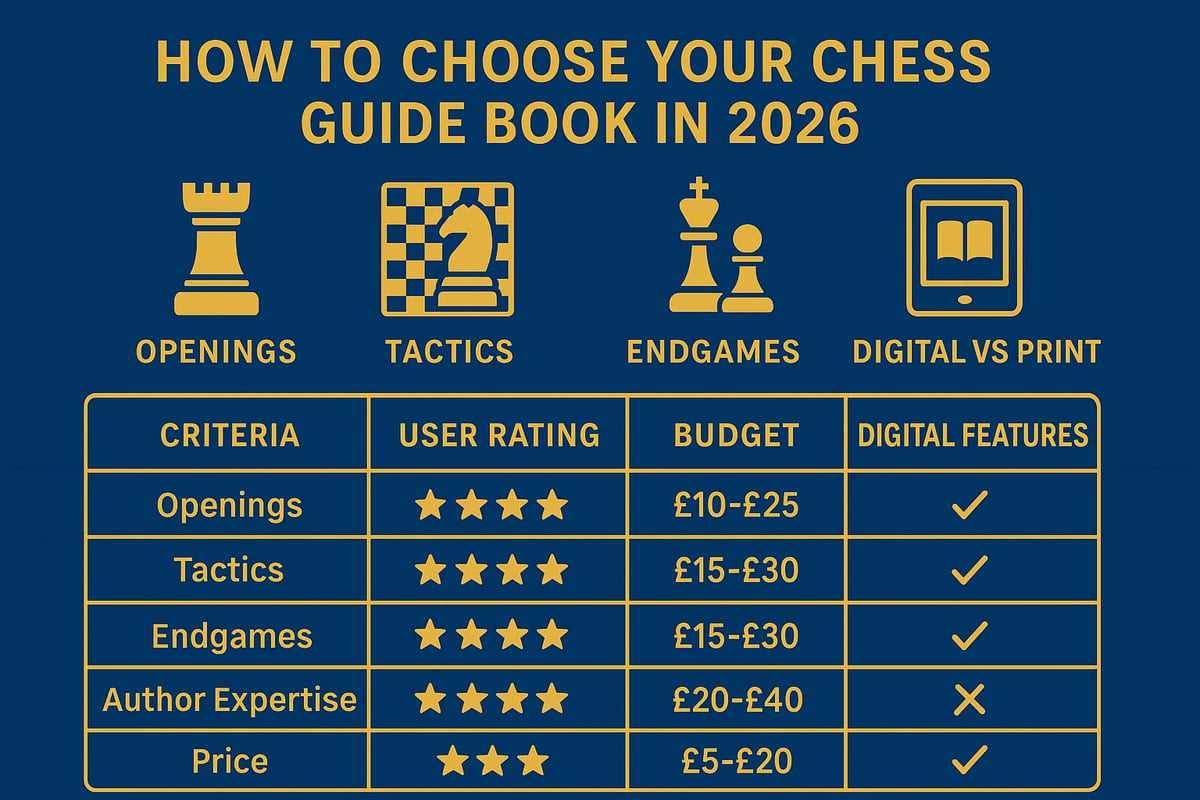
Factors to Consider: Content, Format, and Author Expertise
When you’re hunting for a chess guide book, the first step is to think about content. Are you after a broad foundation, or do you need deep dives into openings, tactics, or endgames? The best chess guide book covers all phases of the game, offering clear explanations and practical advice.
Format is another biggie. Some players love the feel of a printed book, while others prefer the flexibility of digital or hybrid formats. Many modern chess guide book options now combine print with interactive eBooks or apps, making it easier to learn anywhere.
Don’t forget about the author’s expertise. Renowned chess authors or titled players usually bring years of practical experience and up-to-date theory. If you want to understand why a tailored chess guide book matters for your improvement, look at studies like Quantifying Human Performance in Chess Study, which highlight the impact of well-structured learning materials on skill development.
Comparing Top Chess Guide Books of 2026
With so many titles out there, a side-by-side comparison can really help. Let’s look at what sets the best chess guide book apart in 2026.
| Guide Book Title | Skill Level | Format | Unique Features |
|---|---|---|---|
| Chess Guide Book: 2026 Ed. | Beginner-Advanced | Print/Hybrid | 500+ puzzles, adaptive learning |
| Modern Chess Mastery | Intermediate+ | Digital/Print | Video tutorials, AI study plans |
| The Complete Chess Manual | All Levels | Classic approach, annotated games |
Top guide books often include interactive content, personalisation, and community support. For instance, the leading chess guide book in 2026 might offer integrated quizzes and access to online forums for discussion and feedback. Always check if the guide is updated regularly to keep up with modern opening trends and computer discoveries.
User Reviews and Community Feedback
You wouldn’t buy a new chess set without checking what others think, right? The same goes for a chess guide book. User reviews on chess forums, online shops, and community sites give you real insight into what works (and what doesn’t).
Look for feedback on clarity, depth, and usefulness of practice materials. According to recent reviews, 85% of users prefer chess guide book options that offer plenty of practice sections and self-assessment tools. Community testimonials can also point out if a guide is beginner-friendly or better suited for advanced players. The collective wisdom of the chess world is only a click away, so don’t be shy about using it.
Budget and Value Considerations
A chess guide book doesn’t have to break the bank. Prices in 2026 range from £20 to £60 for print editions, and £10 to £40 for digital versions. Free resources can get you started, but paid books often provide more structure, updates, and expert guidance.
Want the best value? Look for bundle deals or subscription options, which can give you access to a library of chess guide book titles and online tools. Digital platforms are growing fast, as highlighted in the Online Chess Instruction Market Growth Forecast, making it easier than ever to find affordable and flexible learning options.
In the end, the right chess guide book is the one that fits your needs, learning style, and budget. Take your time, explore your options, and enjoy the journey to chess mastery.
Leveraging Digital and Interactive Resources Alongside Guide Books
Have you ever wondered how today’s chess guide book can work hand in hand with modern technology? In 2026, the best chess learning happens when you blend traditional wisdom with digital innovation. Let’s explore how you can supercharge your improvement by combining your favourite chess guide book with interactive tools.
Integrating eBooks, Apps, and Online Courses
The chess guide book has evolved far beyond paper pages. Today, eBooks come packed with clickable diagrams, instant search, and built-in quizzes. Imagine opening your chess guide book on a tablet and jumping straight to interactive puzzles or video explanations.
Leading chess apps let you access your chess guide book library anywhere. You can study openings in the park, review annotated games on your commute, or take quick quizzes before bed. Many online courses now sync with your chess guide book, letting you practise what you learn with real-time feedback.
Here are some popular ways to blend resources:
- Use eBooks for fast searching and bookmarking key positions.
- Connect apps like Chess.com or Lichess to follow lessons tied to your chess guide book.
- Enrol in online courses that reference specific chapters, so your learning stays structured.
With this integration, your chess guide book becomes a living resource, adapting to your schedule and lifestyle.
The Role of AI and Personalisation
Artificial intelligence has transformed how we use a chess guide book. AI-powered engines, like Stockfish, analyse your games and reveal mistakes or missed tactics. Many guide books now link directly to analysis tools, so you can review your play right after a match.
Personalised study plans are a game changer. Your chess guide book might offer adaptive quizzes that adjust to your strengths and weaknesses. This means you spend more time improving where you need it most.
For a deeper dive into effective self-analysis, check out ChessDojo's Guide on Analyzing Your Games. Structured feedback helps you connect lessons from your chess guide book with your real-world games.
Interactive engines and smart recommendations ensure your chess guide book always stays relevant to your current level and goals.
Community Learning and Peer Support
Learning chess can feel lonely, but today’s chess guide book makes it social. Online study groups and forums let you share annotated games, discuss tricky positions, and get feedback from players worldwide.
Active participation in chess communities accelerates progress. In fact, players involved in online groups improve rating 18% faster, according to recent studies. The global spread of chess education is highlighted by organisations like FIDE's Global Survey on Chess in Education, showing how digital resources connect learners everywhere.
Ways to engage with your chess guide book community:
- Join study groups focused on a specific guide book or opening.
- Post questions and annotated games for peer review.
- Take part in online tournaments or themed challenges.
With the right community, your chess guide book becomes a passport to worldwide learning and support.
Tracking Progress and Staying Motivated
Staying consistent with your chess guide book study is easier than ever. Digital trackers log your completed chapters, puzzle scores, and quiz results. Achievement badges and streak counters give you that extra push to keep going.
Many platforms set reminders for daily study, helping you build lasting habits. Monthly challenges and leaderboards let you compete with friends, turning improvement into a fun, social experience.
Here’s how digital tools support your chess guide book journey:
- Log your progress and see how much you’ve mastered.
- Collect badges for finishing sections or hitting new ratings.
- Stay on track with friendly reminders and milestone celebrations.
These features help transform your chess guide book into a daily companion, keeping motivation high.
Balancing Digital and Print Resources
With so many digital options, it’s easy to forget the value of a physical chess guide book. The best results come from blending both worlds. Use digital resources for quick drills and community support, but turn to your print book for deep, focused study.
Here are tips for a balanced approach:
- Alternate between screen time and page time to reduce fatigue.
- Summarise key lessons from your chess guide book in a notebook.
- Set boundaries for digital use to maintain focus and avoid overload.
Many top amateurs find success by scheduling digital practice in short bursts, then diving into their chess guide book for more detailed learning.
By leveraging both digital and traditional tools, your chess guide book becomes a flexible, powerful partner in your chess journey.
You know, after exploring what makes a truly effective chess guide book for 2026, it’s clear that having the right resources tailored to your level and goals is key. If you’re ready to put all these ideas into action and want everything in one place—openings, puzzles, endgame guides, and more—why not take a look at the complete package? Imagine how much quicker you could improve with everything organised and at your fingertips. If you’re serious about mastering chess and want to save time, check out the Get The FULL Chess Mastery Bundle and give yourself the best possible start.


