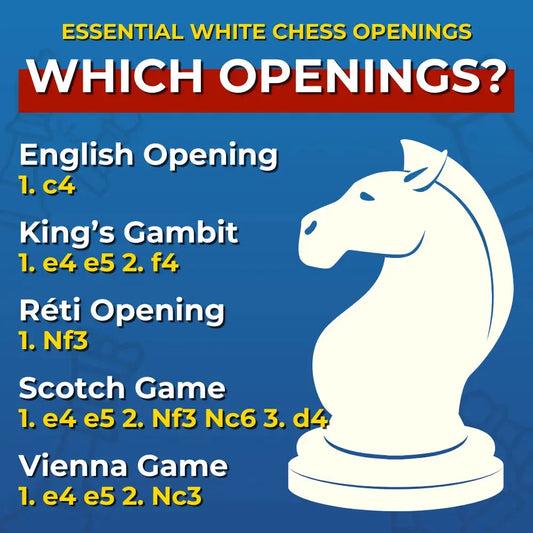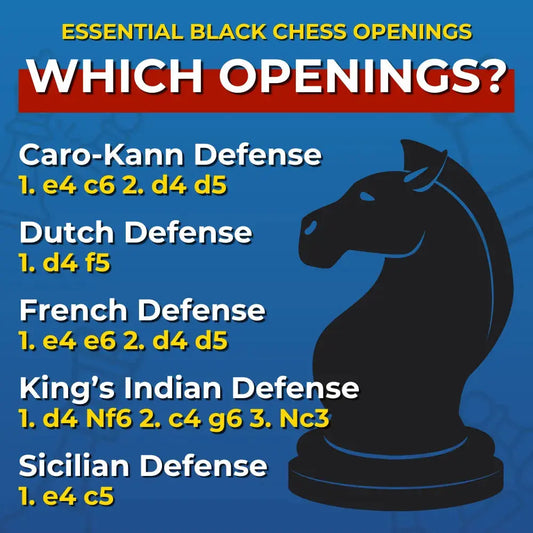
Are you ready for the next level of chess advanced play? The chess world is evolving faster than ever, thanks to powerful engines, new theories, and innovative training tools. To stay ahead in 2026, you need more than just basic tactics—you need a chess advanced roadmap to outthink and outplay the competition.
This guide is your expert companion, packed with strategies drawn from the latest trends in opening theory, middlegame mastery, and engine-driven endgame techniques. We’ll explore how technology shapes modern chess, reveal practical improvement plans, and help you adapt to the cutting edge.
Curious about what it takes to dominate the board in the future? Dive in and discover the tools, insights, and actionable steps to master chess advanced strategies and secure your place at the top.
The Evolution of Advanced Chess Strategy
If you’ve followed top-level chess over the past few decades, you know the game is hardly the same as it once was. The rise of chess advanced techniques, fueled by both human ingenuity and technological leaps, has transformed what mastery looks like. Let’s walk through how we got here and where the future is heading.
The Roots: Advanced Chess and Human-Computer Collaboration
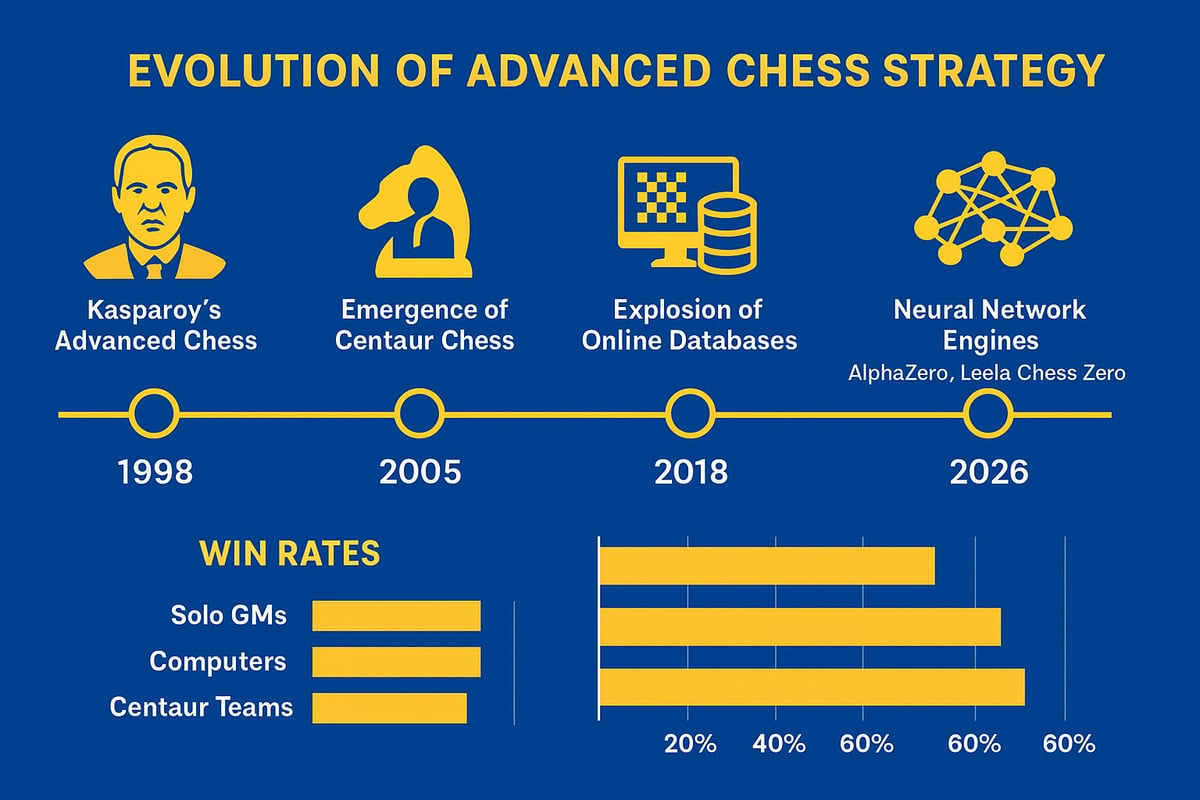
Back in 1998, Garry Kasparov introduced “Advanced Chess” at León, Spain, inviting players to partner with computers. This marked the birth of chess advanced collaboration. Suddenly, the focus shifted from memorizing lines to combining human intuition with silicon precision. Players discovered that working with engines led to fewer blunders and deeper strategic insights.
The concept evolved into centaur and freestyle chess. Here, teams of humans and computers competed against both pure GMs and pure machines. Remarkably, centaur teams began outperforming both solo grandmasters and computers in some events. The synergy between human creativity and computational power set a new standard for chess advanced play.
The Data-Driven Revolution
Preparation for chess advanced players completely changed with the explosion of online databases and real-time analysis tools. Where grandmasters once relied on hand-annotated books and physical notebooks, now they could access millions of games, instant engine evaluations, and statistical breakdowns at the click of a button.
Let’s compare how things have shifted:
| Preparation Aspect | Traditional Approach | Modern Chess Advanced Approach |
|---|---|---|
| Opening Study | Books, hand notes | Databases, cloud engines, video courses |
| Game Analysis | Manual, slow | Real-time engine analysis, online tools |
| Opponent Prep | Word-of-mouth, archives | Massive, searchable databases |
| Trend Tracking | Magazines, slow updates | Instant, data-driven, global |
Suddenly, even average players could access resources once reserved for elite circles.
AI and Neural Networks: The Deep Learning Era
The real game-changer for chess advanced strategy came with neural network engines like AlphaZero and Leela Chess Zero. Unlike traditional engines, these AIs learned the game from scratch, developing unique styles that stunned even the world’s best players. Concepts like dynamic piece sacrifices, subtle king walks, and creative pawn breaks became mainstream.
Recent studies, such as AI sustains higher strategic tension than humans in chess, reveal that AI not only calculates deeper but maintains complex, strategically tense positions longer than humans. This forces chess advanced players to rethink risk, defense, and initiative in positions once considered “quiet.”
From Kasparov vs. Topalov to Online Freestyle Tournaments
If you look back at Kasparov’s legendary 1999 brilliancy against Topalov, it’s clear how much human imagination shaped the game. Yet, today’s chess advanced competitions often feature centaur teams leveraging both human ideas and engine precision. Online freestyle tournaments have become arenas where teams use real-time engine support, databases, and collaborative analysis to produce near-perfect games.
Notably, data shows centaur teams and even average players using engine support have outperformed both solo grandmasters and computers in select events. The lines between human and machine expertise are blurring.
What 2026 Demands from Chess Advanced Players
So, what does all this mean for you as a chess advanced competitor in 2026? To thrive, you need to:
- Embrace human-computer collaboration in both study and play
- Master the use of databases, engines, and online resources
- Stay current with neural network discoveries and fresh theoretical ideas
- Balance intuition with data-driven decision making
The chess advanced landscape is evolving faster than ever. Those who adapt, innovate, and combine the best of both worlds will set the standard for the next generation of champions.
Opening Preparation: Mastering 2026’s Cutting-Edge Theory
If you’ve played chess advanced enough to notice, the opening landscape in 2026 looks nothing like it did even five years ago. Why? Because the explosion of theory, databases, and engines has shifted everything. Let’s break down exactly how you can master this modern jungle and stay ahead of the pack.
Understanding the Modern Opening Landscape
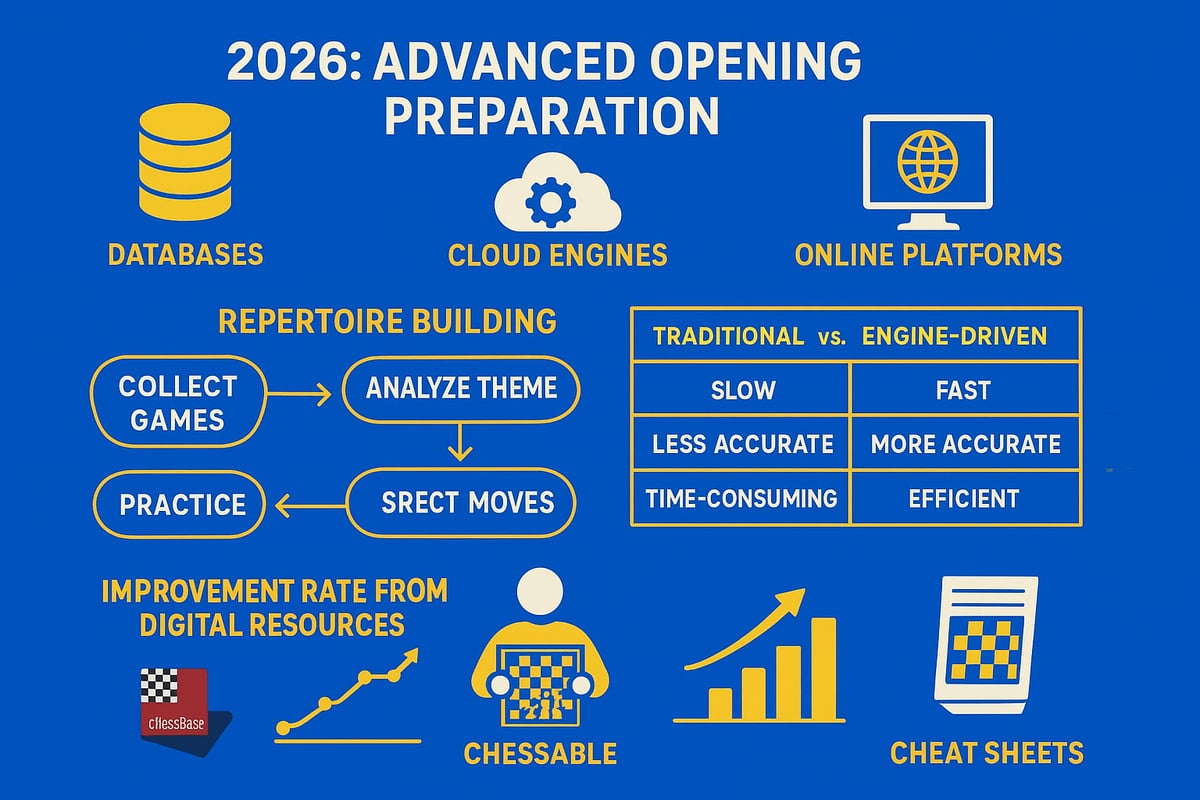
Have you noticed how every serious chess advanced player now lives in a world of endless opening theory updates? The growth of online databases, platforms like Chessable, and live-streamed lessons has made opening knowledge a moving target. If you want to thrive, you need to customize your approach.
Every chess advanced competitor has a unique style. Some love wild attacks, others are patient strategists, and some improvise. Grandmaster Arturs Neiksans often stresses that your opening choices should reflect your personal strengths. The days of memorizing endless mainlines blindly are over.
Thanks to engine analysis, opening trends change almost overnight. New novelties pop up all the time. In 2026, you’ll see both deep mainline battles and creative anti-mainline systems designed to sidestep heavy preparation. Offbeat openings, like the Jobava London or even the Scandinavian with early queen sorties, are more common now as players seek to surprise their rivals.
Want a shortcut to understanding a wide range of openings? Check out the Chess Opening Mastery Guide, which covers everything from trendy mainlines to tricky sidelines. It’s a great way to anchor your chess advanced journey in quality resources.
Building an Elite Opening Repertoire
Ready to build your chess advanced opening toolkit? Start with honest self-assessment. Identify your playing style by reviewing your games. Are you an aggressive tactician, a slow builder, or do you thrive in chaos?
Once you know yourself, pick main openings that fit your style. Combine them with backup lines to avoid getting caught off guard. Use tools like Lifetime Repertoires, modular courses, and PGN downloads from platforms such as Chess.com, Chessable, and Modern Chess. Mixing these resources gives your repertoire real depth.
Regularly update your chess advanced openings. Theory shifts quickly, and what worked last year might be outdated now. Use cheat sheets and toolkits for quick recall, especially before games. This way, you’re always prepared to face the latest trends, no matter how your opponent prepares.
Practical tip: Keep a digital notebook or spreadsheet tracking your chosen lines, novelties you want to test, and opponent tendencies. This habit makes your study more focused and efficient.
Opening Preparation Tools and Best Practices
Every chess advanced player needs the right tools. ChessBase remains the gold standard for managing large databases and preparing for specific opponents. Cloud engines let you analyze critical lines deeply without hardware limits. Online databases like Lichess and Chess.com keep you updated with fresh games.
Here’s a simple workflow for opening study:
- Review your recent games and identify problem areas.
- Check your lines with a strong engine for tactical and positional soundness.
- Drill your lines using spaced repetition tools or vision trainers.
Top players track their success with novelties and analyze how often opponents repeat certain lines. Structured digital resources, like Chessable and Chess.com lessons, help chess advanced practitioners improve opening outcomes by up to 20 percent compared to just reading books.
Want some inspiration? Many elite grandmasters share their study routines in interviews and online classes. They often blend engine prep with practical drills, making sure their knowledge translates to the board.
By using these best practices and tools, you’ll ensure your chess advanced repertoire is always one step ahead.
Middlegame Mastery: Advanced Strategic and Positional Play
The heart of chess advanced play lies in the middlegame. This is where creativity meets calculation, and where modern strategy is truly tested. As you face tougher competition in 2026, mastering middlegame concepts will separate you from the pack.
Key Middlegame Themes for Modern Chess
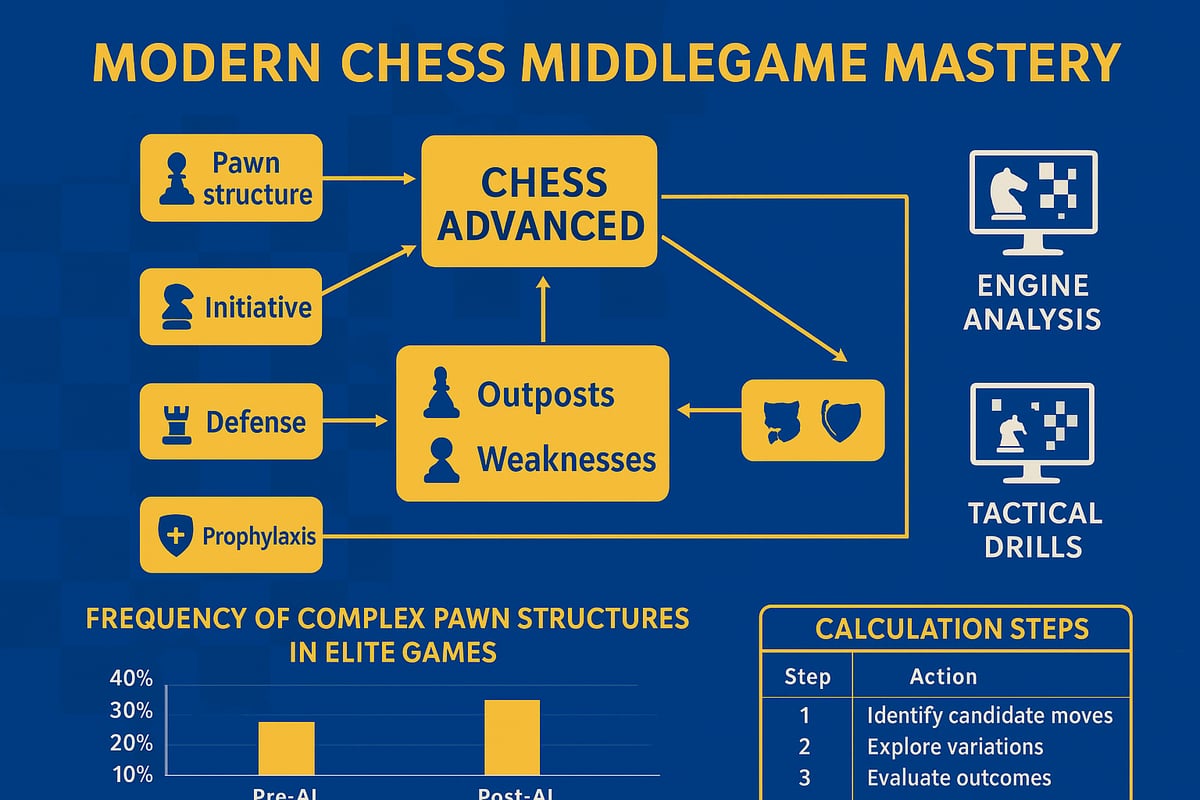
Modern middlegame play has evolved dramatically. Old-school ideas like simple outpost control or routine pawn breaks just scratch the surface. Now, chess advanced players must juggle:
- Dynamic pawn structures that shift quickly due to engine-influenced openings.
- Space advantage and initiative, often prioritized over static material.
- Defensive resources and creative, engine-inspired exchange sacrifices.
- Prophylaxis and subtle maneuvering in positions with deep hidden threats.
A key stat: In recent years, over 60% of elite games feature complex pawn structures, a direct result of engine-prepared openings. Chess advanced competitors must adapt by understanding these new patterns.
| Classic Concept | Modern Engine Twist |
|---|---|
| Outposts | Dynamic, shifting outposts |
| Material Imbalance | Prioritizing activity and space |
| Weaknesses | Temporary, often illusory |
Want to dive deeper into how AI is shaping these themes? Check out The Impact of AI on Chess: A Double-Edged Sword for a fascinating perspective.
To stay ahead, review recent elite tournaments and note how chess advanced play now thrives on flexibility and creative risk-taking.
Advanced Calculation and Tactical Vision
Calculation is the engine of chess advanced play. With sharp openings and tactical traps lurking in every line, you need a system for training your mind.
Start with visualization drills. Imagine key positions and play them out mentally, move by move. Next, practice generating candidate moves—write them down, then calculate each line in detail. Use engine-assisted training to check your accuracy and spot missed tactics.
Top tools for chess advanced calculation include:
- Puzzle vaults on major platforms
- Online calculation trainers with timed drills
- Custom positions from recent grandmaster games
Daily tactical training pays off. Chess.com reports that users dedicating 20 minutes a day to tactics see rating jumps of up to 200 points in a year. This improvement is especially pronounced in chess advanced players who combine tactical work with opening study.
Here’s a quick calculation routine:
- Visualize the position for 30 seconds.
- List 3 candidate moves.
- Calculate each 4-5 moves deep.
- Check with an engine.
- Review missed ideas and repeat.
Mastering calculation transforms your middlegame, making you a threat in any position.

Positional Decision-Making and Transition to Endgame
All the tactics in the world mean little if you cannot convert your advantage. Chess advanced mastery includes knowing when to simplify, transition, or push for a win.
Key skills to sharpen:
- Recognize when to trade pieces and head for a favorable endgame.
- Use pattern recognition to spot recurring positional sacrifices.
- Apply prophylactic thinking—anticipate your opponent’s plans and shut them down before they start.
Grandmaster boot camps and online masterclasses stress the value of intuition. Trust your gut, but always double-check with concrete calculation. The best chess advanced players blend instinct and analysis, especially when converting small advantages.
Here are practical exercises to build these skills:
- Analyze classic conversions from world championship games.
- Practice “convert the advantage” drills with set positions.
- Join online study groups where feedback and discussion refine your thinking.
Remember, the transition from middlegame to endgame is often where games are won or lost. Consistent practice in these scenarios will strengthen your chess advanced toolkit and help you outmaneuver even the toughest rivals.
Endgame Excellence: Modern Techniques for 2026
Mastering the endgame is where chess advanced players truly set themselves apart. In today’s chess landscape, endgame technique goes far beyond knowing a few checkmate patterns. If you want to convert more games and avoid heartbreaking slips, you need to embrace both classic fundamentals and the latest innovations.
Essential Endgame Concepts Every Advanced Player Must Know
In the chess advanced world, endgame basics are your bread and butter. King activity, opposition, and pawn races decide countless games. Even now, the difference between a win and a draw often comes down to who understands these core ideas better.
Let’s break it down:
- King Activity: Your king is a fighting piece in the endgame. The more central it is, the more power you have.
- Opposition & Zugzwang: Forcing your opponent into a corner is a timeless weapon.
- Pawn Races: Calculating who queens first is a must-have skill for any chess advanced competitor.
- Fundamental Checkmates: From king and queen to tricky bishop and knight mates, these patterns are nonnegotiable.
Modern discoveries, powered by engines, have revealed new twists on these classics. Yet, practical drills and pattern recognition remain crucial. Did you know that endgame errors still account for a huge percentage of lost points, even among chess advanced players? This is your reminder: never skip endgame training.
Engine-Era Endgames: New Patterns and Practical Study
The rise of neural network engines has revolutionized the chess advanced endgame. Tools like AlphaZero and Leela Chess Zero have uncovered resources that would have been considered science fiction a decade ago. Now, fortress constructions, underpromotions, and surprising defensive ideas are part of the chess advanced toolkit.
What’s changed?
- New Defensive Resources: Engines teach us how to hold positions that once seemed hopeless.
- AlphaZero-Inspired Endgames: Creative pawn sacrifices and king marches are now mainstream.
- Tablebases: You can check any theoretical position for perfect play, a game-changer for chess advanced study.
If you’re looking to master these breakthroughs, interactive trainers and video courses are your best friend. Puzzle collections focused on AI-inspired endings sharpen your instincts. For a deep dive, check out Modern Endgame Training Tools, which brings together cutting-edge techniques and practical resources for chess advanced learners.
Practical Endgame Training for 2026
So, how do you actually get better at chess advanced endgames? Start with a focused plan:
- Prioritize Key Positions: Build your foundation with king and pawn, rook, and minor piece endings.
- Use Digital Trainers: Apps and online tools let you drill patterns, track progress, and get instant feedback.
- Cheat Sheets & Visual Guides: Quick references help you remember complex techniques under pressure.
- Daily Puzzles: Just 10 minutes a day can boost your conversion rate noticeably.
Success stories abound—players who dedicated time to endgame work often see rating jumps and more confident play. Try setting a weekly schedule: three days on fundamentals, two days on engine-inspired studies, and one day for review. In the chess advanced arena, this kind of consistency makes all the difference.
Leveraging Technology and Chess Engines for Competitive Edge
Are you ready to see how technology is revolutionizing chess advanced training in 2026? The digital chess world is full of powerful tools and engines that can supercharge your progress if you know how to use them. Let’s explore how you can leverage these innovations to gain a real competitive edge.
Integrating AI and Engine Analysis into Your Training
Today's chess advanced landscape is shaped by AI engines like Stockfish, Leela Chess Zero, and AlphaZero-inspired tools. Each engine offers unique insights: Stockfish excels at deep calculation, Leela brings creative, pattern-based suggestions, and AlphaZero-style engines reveal new positional ideas.
For your own training, use these engines to analyze your games right after playing. This helps you spot missed tactics, blunders, and strategic improvements. When preparing openings, engines can uncover surprising novelties or reinforce your favorite lines.
It’s important to balance engine recommendations with your own intuition. Don’t blindly follow every suggestion. Instead, ask yourself why the engine prefers a certain move and try to understand the underlying ideas. Many chess advanced players, including grandmasters, review their games with both engine analysis and personal reflection, blending the best of human and machine insight.
If you’re interested in the cutting edge, research like the Quantum King-Ring Domination in Chess: A QAOA Approach shows how quantum algorithms might soon unlock even deeper levels of chess analysis. The future of chess advanced preparation is both exciting and full of potential.
Online Resources and Digital Study Tools
You have access to an amazing ecosystem of online platforms that cater to chess advanced improvement. Chess.com, Chessable, Modern Chess, and Lichess offer interactive lessons, vision trainers, and practice drills tailored to advanced players. YouTube channels and live masterclasses provide fresh perspectives and expert commentary.
Curating a list of trusted authors and coaches is essential. Not all resources are created equal, so look for highly rated courses, well-reviewed content, and recommendations from top players. Many advanced players benefit from structured digital resources, which have been shown to improve opening performance and overall rating gains.
For those looking to boost their chess advanced skills without breaking the bank, check out Free Chess Improvement Resources for a curated list of free books and PDFs. These can complement your digital toolkit and provide a cost-effective boost to your study routine.
Here's a quick table summarizing top platforms:
| Platform | Key Features | Best For |
|---|---|---|
| Chess.com | Lessons, drills, analysis tools | All-around training |
| Chessable | Spaced repetition, opening courses | Opening mastery |
| Lichess | Free puzzles, cloud analysis | Tactics, practice |
| Modern Chess | Advanced PGNs, GM insights | Deep theory |
Streamlining Advanced Study with Visual Resources
Visual learning is transforming chess advanced study in 2026. Tools like Chess Cheat Sheets offer concise, actionable guides for complex openings, tactical motifs, and tricky endgames. These visual resources help you recall key positions quickly and reduce prep time.

Many advanced players report that integrating visual aids with engine prep leads to more efficient study and better game-day performance. With a plug-and-play approach, you can reinforce deep engine analysis with easy-to-review diagrams and flowcharts.
Chess Cheat Sheets has gained global traction, with users in over 20 countries sharing positive results. Visual tools are especially effective for chess advanced learners who want to optimize their routines and minimize wasted effort. By combining these resources with your favorite engines and online platforms, you’ll be ready to tackle the challenges of 2026 head-on.
Practical Improvement Plan: Steps to Reach Mastery in 2026
Ready to take your chess advanced journey to the next level? A practical improvement plan is your roadmap to real progress. Let’s break it down step by step so you can move forward confidently, no matter where you are in your chess advanced development.
Step 1: Assess Your Current Strengths and Weaknesses
Before you can improve, you need to know where you stand. Start your chess advanced self-assessment by reviewing your rating history and game outcomes. Use platforms like Chess.com or Lichess for detailed performance metrics.
Ask yourself: Which openings are you most comfortable with? Do you struggle in certain endgames or middlegames? For objective feedback, consider online tools or a coach who can pinpoint technical and psychological gaps.
Try using a checklist or template to record your strengths and weaknesses. This honest review sets the foundation for your chess advanced progress. If you’re aiming for big events like the Total Chess World Championship 2026, knowing your baseline is even more crucial.
Step 2: Set Clear, Measurable Goals
How will you know if your chess advanced training is working? Set SMART goals: Specific, Measurable, Achievable, Relevant, and Time-bound. Maybe you want to reach a 2200 rating, win a local tournament, or master a new opening by June.
Here’s a sample goals table:
| Goal Type | Example | Timeframe |
|---|---|---|
| Rating | Reach 2000 blitz | 3 months |
| Tournament | Score 4/5 in club event | Next event |
| Opening Mastery | Learn Najdorf mainline | 6 weeks |
| Endgame Skill | Solve 50 pawn endgames | 1 month |
Studies show chess advanced players with defined goals hit milestones more often. Write your goals down and check them weekly.
Step 3: Craft a Balanced Study Routine
Ever feel lost in a sea of chess advanced resources? A balanced weekly schedule can help. Divide your study into openings, middlegame strategy, tactics, and endgame practice.
Try this sample plan:
| Day | Focus | Time (min) |
|---|---|---|
| Monday | Openings | 30 |
| Tuesday | Tactics | 30 |
| Wednesday | Middlegame | 30 |
| Thursday | Endgames | 30 |
| Friday | Review Games | 30 |
| Weekend | Play & Analyze | 60 |
Use spaced repetition and active recall for best results. Adapt your routine based on progress, and don’t be afraid to tweak as you go. The secret sauce? Consistency in your chess advanced study.
Step 4: Leverage Technology and Community Support
Modern chess advanced improvement thrives on digital tools and a supportive community. Use engines for analysis, online lessons for targeted learning, and discussion forums for fresh ideas.
Join online clubs, improvement challenges, or Discord groups. Many top players attribute breakthroughs to regular community interaction. Stay updated on new theory, resources, and competitive formats by following news about major events.
For example, watching streams from titled players or participating in themed tournaments keeps your chess advanced knowledge fresh and relevant.
Step 5: Practice, Play, and Analyze Consistently
Theory is great, but practice makes perfect. Play online or over-the-board games regularly to test your chess advanced strategies. Each game is a chance to apply what you’ve studied.
After each session, analyze your games using engines and, if possible, discuss with peers. Focus on identifying missed tactics, poor time management, or recurring mistakes. Tournament play builds resilience and sharpens your competitive instincts.
Remember, improvement comes from the feedback loop between practice and analysis in your chess advanced journey.
Step 6: Seek Feedback and Continuous Improvement
Stuck on a plateau? That’s normal in chess advanced training. Seek regular feedback from coaches, mentors, or study groups. They can spot blind spots you might miss.
Participate in group lessons or masterclasses, and don’t shy away from tough criticism. Players who actively seek feedback improve faster than those who study solo. Use feedback loops to track persistent issues and adjust your training.
Continuous improvement is the hallmark of every top chess advanced player.
Step 7: Maintain Motivation and Prevent Burnout
Long-term progress in chess advanced play depends on motivation. Track your progress, celebrate small wins, and switch up your study topics to keep things fresh.
When you hit a setback, take a short break or try a new training method. Top players use routines like meditation, exercise, or journaling to stay mentally resilient. Find what keeps you inspired, and remember—chess advanced mastery is a marathon, not a sprint.
Stay curious, stay motivated, and enjoy the journey!
So, after diving into these advanced strategies and seeing how much the chess world is evolving, you might be thinking, “Okay, where do I actually start putting all this into practice?” Honestly, it can feel overwhelming with so many openings, tactics, and endgames to master—but you don’t have to do it alone. If you want an all-in-one shortcut to the concepts we just covered (and more), why not check out Get The FULL Chess Mastery Bundle? It’s like having a personal roadmap for your chess improvement—packed with cheat sheets, puzzles, and guides—so you can level up your game with confidence.