

Imagine sitting across from your next opponent, knowing you have every tool to outplay them. The best way to win chess in 2026 is not just about memorizing old moves but mastering new strategies as the game evolves. This guide gives you expert, step-by-step methods, blending classic principles with the latest trends and tools.
Whether you are starting out or aiming for mastery, you will find practical advice, proven tactics, and up-to-date resources to sharpen your skills. We will walk through fundamentals, openings, middlegame strategy, tactical brilliance, endgame mastery, and the modern resources that set champions apart.
Get ready to unlock expert secrets, fuel your desire to improve, and take actionable steps toward victory. Let’s dive in and make your next game your best yet.

Understanding Chess Fundamentals: Building a Winning Foundation
Mastering the basics is your launchpad for finding the best way to win chess. No matter your level, a solid foundation lets you build winning strategies with confidence. Are you ready to lay the groundwork for chess success?
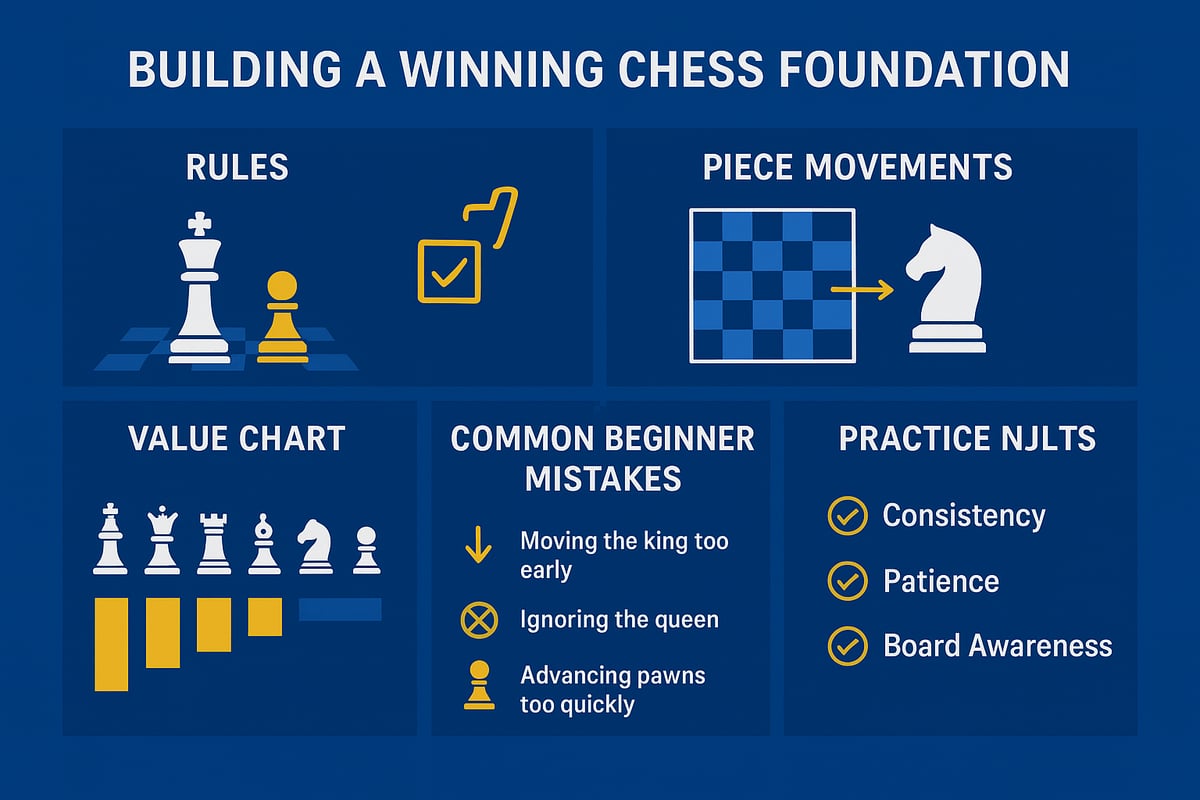
The Importance of Chess Rules and Piece Movements
You can't find the best way to win chess without first understanding the rules and how pieces move. Each piece has its own strengths, weaknesses, and unique moves. For example, pawns move forward but capture diagonally, and can promote to any piece upon reaching the far rank.
Take note of special moves like castling, pawn promotion, and en passant. Knowing these can change the outcome of a game in an instant. Understanding piece value is also vital. Here's a quick reference:
| Piece | Value |
|---|---|
| Pawn | 1 |
| Knight | 3 |
| Bishop | 3 |
| Rook | 5 |
| Queen | 9 |
For a deep dive into these foundations, check out Learn to Play Chess Free, a resource packed with essentials that every player should master.
Core Principles for Beginners and Intermediates
Central control, piece development, and king safety are at the heart of the best way to win chess. Always aim to control the center squares, develop your minor pieces early, and keep your king protected.
Why do so many games slip away? Most blunders happen when these principles are ignored. Make developing pieces and safeguarding your king a habit, and you'll find yourself ahead more often than not.
Recognizing Common Mistakes and How to Avoid Them
It's easy to fall into traps like moving the same piece repeatedly or leaving your pieces undeveloped. Did you know that studies show 60% of beginner losses are due to early-game mistakes?
Keep a checklist in your mind before every move:
- Are all your pieces working together?
- Is your king safe?
- Have you developed rather than just pushed pawns?
Spotting these errors quickly helps you find the best way to win chess more consistently.
Visualization and Board Awareness
Strong players see multiple moves ahead, picturing different possibilities as if playing out a movie in their mind. Visualization is a superpower for finding the best way to win chess.
Consider the famous Fischer vs. Spassky game, where deep calculation led to a stunning victory. Practicing visualization lets you spot threats and opportunities before they even appear on the board.
The Role of Consistent Practice
Practice really does make perfect in chess. Grandmasters recommend daily routines, reviewing your own games, and studying classic positions. This repetition cements the best way to win chess into your muscle memory.
Mix up your training: play slow games, solve puzzles, and analyze your mistakes. Consistency is what separates the casual player from the rising star.
Psychological Readiness and Patience
Chess is as much a mental game as it is a battle of pieces. Staying calm under pressure and being patient are marks of a strong player.
If things look tough, take a breath. Rushed decisions often lead to blunders. Patience lets you wait for your opponent's mistake, which is often the best way to win chess.
Example Games Illustrating Fundamental Mastery
Annotated games show how mastering the basics leads to victory. For example, see how a player develops all their pieces, controls the center, and then wins with a simple tactic.
Watching these games or replaying them yourself helps you absorb the patterns and logic behind the best way to win chess.
Mastering Openings: Setting the Stage for Victory
Ever wondered how grandmasters set themselves up for victory right from the first moves? If you want the best way to win chess in 2026, it all begins with mastering your openings. The opening phase is where you plant the seeds for your game plan. Let’s break down what you need to know to get ahead early, avoid common pitfalls, and make your next chess game your best yet.
Popular Opening Systems and Their Strengths
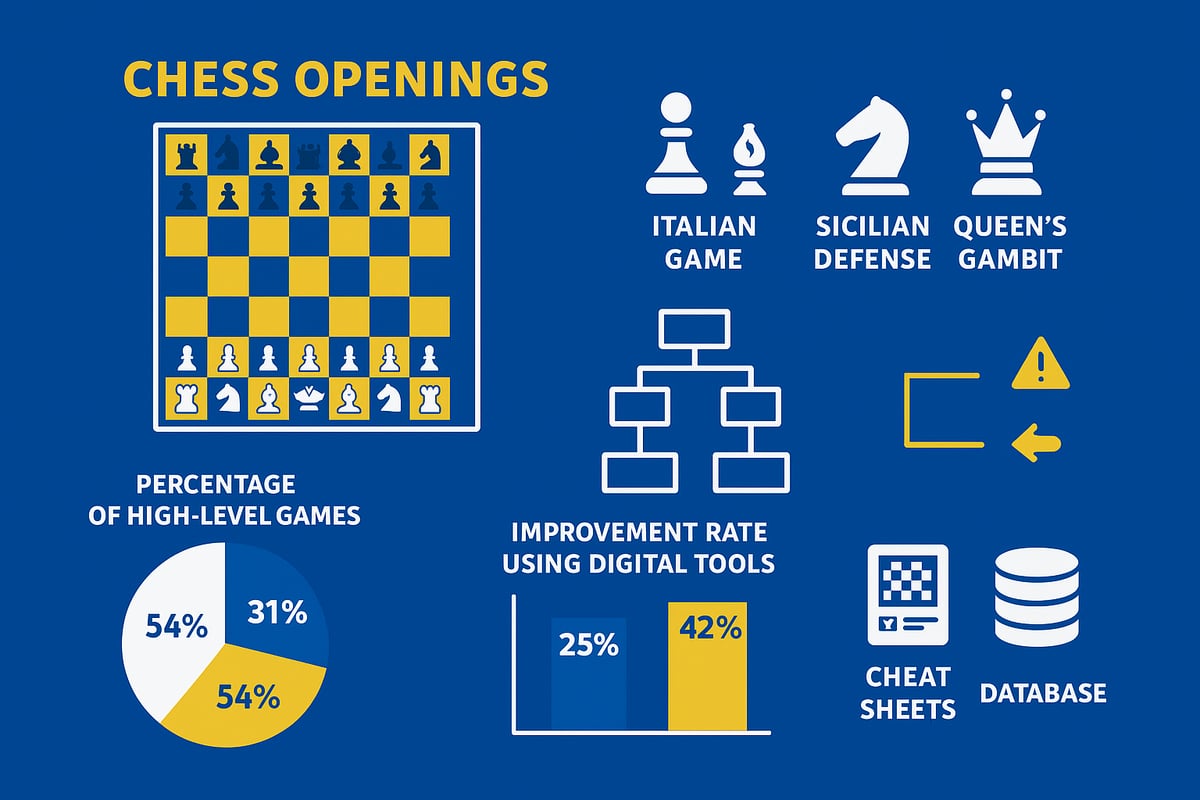
In 2026, certain openings remain favorites among top players. The Italian Game, Sicilian Defense, and Queen’s Gambit dominate the landscape for both White and Black. Did you know that 70% of high-level games begin with these openings? These systems are popular because they help you control the center, develop pieces quickly, and keep your king safe.
Here’s a quick table comparing popular choices:
| Opening | Who Plays It? | Main Strength |
|---|---|---|
| Italian Game | White | Fast development, center |
| Sicilian Defense | Black | Counterattack, imbalance |
| Queen’s Gambit | White | Solid, flexible, strategic |
Choosing the right opening is the best way to win chess, especially if you want a strong start every time.
Understanding Opening Principles Over Memorization
It’s tempting to try and memorize long strings of moves, but the best way to win chess is by understanding the "why" behind each move. Focus on central control, piece activity, and king safety rather than rote memorization.
For example, if your opponent plays something unexpected, understanding principles lets you adapt. Flexibility is your secret weapon. Remember, even grandmasters rarely memorize every line—they rely on a deep grasp of opening concepts.
Avoiding Opening Traps and Pitfalls
Opening traps catch even experienced players off guard. Scholar’s Mate and Fool’s Mate are classic examples, but there are more advanced snares lurking in modern lines.
Common traps to watch for:
- Scholar’s Mate: Quick mate threat on f7/f2.
- Fool’s Mate: Fastest mate in chess, but rare.
- Poisoned Pawn: Grabbing material can backfire.
Staying alert to these traps is the best way to win chess, helping you avoid quick losses and keeping your focus on the game ahead.
Building a Repertoire Suited to Your Style
Every player has a unique approach. Are you aggressive, or do you prefer slow, strategic battles? Building an opening repertoire that matches your style is key.
Grandmasters recommend experimenting with different systems until you find what feels natural. Aggressive players might try the King’s Gambit, while positional players often thrive with the Queen’s Gambit or Caro-Kann Defense.
Make a list of your favorite openings and study games played by top players who share your style. This tailored approach is the best way to win chess consistently.
Leveraging Opening Preparation Tools
Digital tools are revolutionizing chess preparation. Databases, engines, and online resources give you access to millions of games and instant feedback. Statistics show that players who use digital tools improve their opening performance by 30%.
If you want detailed resources, the Chess Openings Guide offers in-depth analysis of popular systems. These tools can help you spot trends and prepare for anything your opponent throws at you.
Chess Cheat Sheets: Visual Learning for Opening Mastery
Visual learners thrive with cheat sheets and guides. Chess Cheat Sheets provide colorful diagrams, move orders, and key ideas at a glance. They’re perfect for beginners and intermediates aiming to learn openings efficiently.
How do cheat sheets help?
- Quick reference during study sessions
- Boost confidence before games
- Reinforce memory with visual cues
Using cheat sheets is often the best way to win chess for players who want to make opening study less overwhelming.

Adapting to Opponents’ Responses
Even the best-planned opening can meet resistance. Flexibility is crucial. If your opponent surprises you, don’t panic—fall back on your understanding of principles and adjust your plan.
Famous games often feature players shifting gears in response to unexpected moves. Stay calm, keep your pieces active, and always look for opportunities to improve your position. Adapting on the fly is the best way to win chess when the board takes an unexpected turn.
Middlegame Strategies: Turning an Advantage into a Win
The middlegame is where your chess skills truly get tested. This phase bridges your opening preparation and the final sprint to victory. If you want the best way to win chess, you must master middlegame strategies that help you convert small edges into decisive wins. Let’s break down the secrets that top players use to dominate this critical stage.
Identifying and Creating Imbalances
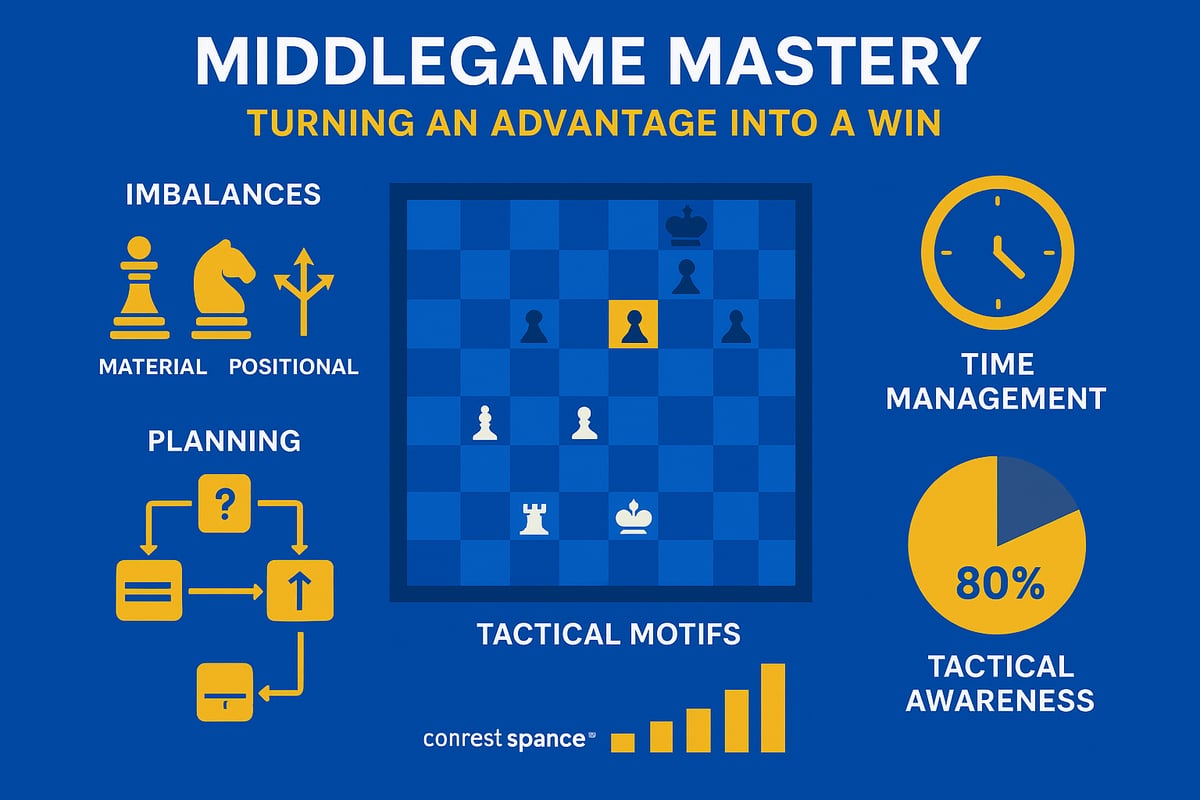
In the middlegame, recognizing imbalances is often the best way to win chess. Imbalances are differences in material, pawn structure, piece activity, or king safety. Spotting these lets you create plans that play to your strengths.
- Material imbalances: Are you up a pawn or piece?
- Positional imbalances: Do you have a better pawn structure or more space?
- Dynamic imbalances: Do you have an initiative or attacking chances?
By identifying these factors, you can steer the game toward positions that favor you. Top players often sacrifice material for long-term pressure, showing that the best way to win chess is to actively seek and exploit these differences.
Planning and Prophylaxis
Planning is your roadmap in the middlegame. The best way to win chess is to create both short-term and long-term plans based on the unique features of your position. Ask yourself: What is my opponent trying to do? How can I disrupt their ideas?
Prophylactic moves—those that prevent your opponent’s plans—are a hallmark of strong play. For example, moving a pawn to stop a knight jump or doubling rooks to control an open file. Regularly reassessing your plan keeps you flexible and ready for surprises, ensuring you stay on the path to victory.
Tactical Awareness and Calculation
Tactics are the heartbeat of the middlegame. The best way to win chess often comes down to spotting combinations like forks, pins, and discovered attacks. Practicing calculation helps you see hidden threats and opportunities.
If you want to sharpen this skill, try daily puzzle training. Tools like Improve Positional Skills with Puzzles offer targeted exercises that boost both tactical and positional understanding. Remember, 80 percent of decisive middlegame outcomes are determined by tactical vision, so make tactics part of your daily routine.
Effective Piece Coordination
Coordinating your pieces is essential for both attack and defense. The best way to win chess is to ensure your pieces work together, not in isolation. Rooks belong on open files, bishops thrive on long diagonals, and knights love outposts.
- Bring all your pieces into the game.
- Avoid blocking your own pieces.
- Support your attacking and defensive plans with multiple pieces.
Studying annotated master games can reveal how good coordination leads to unstoppable attacks or solid defenses. Always look for ways to improve harmony among your forces.
Exploiting Weaknesses in Your Opponent’s Position
Every position has weaknesses, and the best way to win chess is to identify and attack them. Look for weak squares, backward pawns, exposed kings, or poorly defended pieces.
Case studies from recent tournaments show how top players relentlessly target these flaws. Sometimes, a simple pawn push or piece exchange can turn a small edge into a lasting advantage. Stay alert—capitalizing on your opponent’s slip-ups often decides the outcome.
Transitioning from Middlegame to Endgame
Recognizing when the middlegame is ending is key. The best way to win chess is to know whether to simplify into a winning endgame or keep tension on the board. If you hold a material lead, trading pieces can make your path to victory smoother.
On the flip side, if you need complications, keep more pieces to create chances. Watch for signs like mass exchanges or reduced attacking potential—these indicate it’s time to shift gears. Mastering this transition ensures you don’t lose your hard-earned advantage.
The Role of Time Management
Time pressure can ruin even the best plans. Managing your clock is a crucial part of the best way to win chess in modern play. Don’t spend all your time on one move—balance deep calculation with practical decision-making.
- Use your opponent’s time to plan.
- Set a pace early in the game.
- Stay calm if the clock ticks down.
Blitz and rapid games train you to think efficiently. Remember, many middlegame mistakes happen when players rush, so keep your cool and make every second count.
Tactical Brilliance: Developing Winning Combinations
Chess is a game of creativity and calculation. If you are looking for the best way to win chess, mastering tactics is non-negotiable. Tactics are the fireworks of the game, turning quiet positions into instant wins. Let’s break down how you can sharpen your tactical edge and turn opportunities into victories.
The Power of Calculation and Visualization
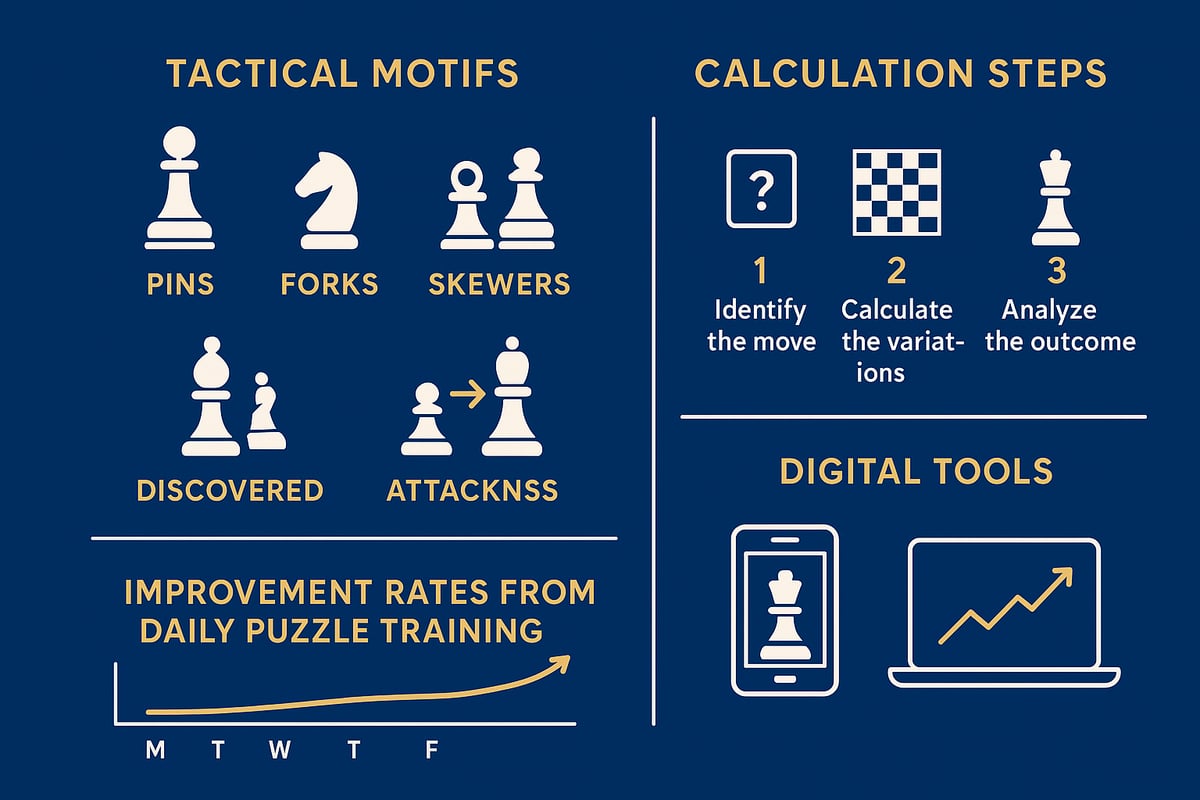
Have you ever stared at a board, wondering what comes next? Calculation is at the heart of the best way to win chess. It is about looking ahead, visualizing possible moves and countermoves before making your choice. Start by examining forcing moves, like checks or captures, and follow each branch as far as you can.
Try solving famous puzzles, such as the “Legall’s Mate” or “Smothered Mate.” These exercises train your mind to see patterns and anticipate surprises. Remember, it is not just about seeing one move ahead but building a mental map of the position several moves deep. The more you practice, the clearer the board becomes in your mind’s eye.
Pattern Recognition and Tactical Motifs
Pattern recognition is your tactical secret weapon. When you know motifs like forks, pins, and skewers, you spot opportunities faster. Studies show players who practice motif recognition improve their tactical strength by up to 40 percent. This is a huge edge if you want the best way to win chess.
Make a habit of reviewing master games and highlighting recurring themes. Ask yourself, “Where have I seen this before?” Over time, you will build a mental library of tactical ideas. This is what separates instinctive players from those who struggle to find the right move under pressure.
Training with Chess Puzzles and Exercises
Consistent puzzle training is a shortcut to tactical mastery. Set aside time each day for solving puzzles, starting with simple two-move tactics and progressing to complex combinations. This is one of the best ways to win chess, especially for improving your calculation speed and accuracy.
Use online platforms or classic puzzle books to keep your training fresh. Track your progress and revisit old mistakes regularly. The key is to challenge yourself but also review solutions to understand why certain moves work. Think of puzzles as the gym for your chess brain.
Recognizing and Setting Tactical Traps
Chess is not just about spotting tactics but also creating them. Setting traps can force even strong opponents into blunders. Look for overloaded pieces, unprotected pawns, or awkward piece placements. These are signals that a tactical opportunity might be lurking.
Master-level games are full of instructive traps, from the famous “Poisoned Pawn” to subtle queen sacrifices. When you set a trap, always double-check your own position. The best way to win chess often involves a bit of cunning, but never at the expense of your own safety.
Balancing Tactics with Strategy
Tactics and strategy go hand in hand. Sometimes the board calls for fireworks, but other times, restraint is the best way to win chess. Strong players know when to go all-in for a tactical strike and when to maintain positional control.
Listen to the advice of top coaches: if you do not see a clear tactical win, improve your worst-placed piece or reinforce your position. Patience will help you avoid overreaching and keep your advantage intact. The art lies in knowing when to shift gears and how to blend both approaches seamlessly.
Common Tactical Mistakes and How to Avoid Them
Mistakes happen, even to experienced players. Overlooking your opponent’s threats or miscalculating a sequence can turn a winning game upside down. If you are searching for the best way to win chess, learn from classic blunders and always check for counterplay before executing your plan.
A simple checklist can help: Before each move, ask yourself, “What is my opponent threatening? What changes if I play this?” Reviewing annotated games and solving blunder-check puzzles will train you to catch mistakes before they become costly.
Using Software and Apps for Tactical Improvement
Technology has transformed chess training. Today, you can boost your tactics using apps and advanced engines. Many platforms offer daily puzzles, motif trainers, and progress tracking, speeding up your learning curve. Some even use AI, like DeepChess: End-to-End Deep Neural Network for Automatic Learning in Chess, to adapt training to your strengths and weaknesses.
App-based learners often see faster progress compared to traditional study alone. Integrate these digital tools into your routine for a modern approach to finding the best way to win chess. Remember, the smartest players use every resource at their disposal.
Endgame Mastery: Converting Advantages into Victory
Mastering the endgame is often the best way to win chess, especially when both players have navigated the opening and middlegame with skill. In this phase, precision, patience, and deep understanding separate winners from those who let victory slip away. Let’s break down the key elements that will help you convert small advantages into a checkmate or a decisive point.
Essential Endgame Principles
Understanding foundational endgame concepts gives you a huge edge over opponents who rely on hope or luck. The most crucial principles include opposition (outmaneuvering the enemy king), triangulation (gaining tempo to force zugzwang), and activating your king early.
For example, in king and pawn endings, knowing how to use opposition turns a draw into a win. Triangulation lets you force your opponent into a losing position when both sides are low on material. If you want a quick, visual overview, check out this Top 10 Chess Endgame Principles (Crash Course) video for practical tips.
Most Common Endgame Scenarios
Certain endgame types appear far more often than others. Rook and pawn endgames are the most frequent, occurring in about 60% of games that reach the endgame stage. Minor piece endings, like bishop versus knight, also pop up regularly.
If you’re aiming for the best way to win chess, focus on mastering these scenarios first. Learn the Lucena and Philidor positions, as these are building blocks for converting a small pawn advantage into a win. Here’s a quick table to summarize:
| Endgame Type | Frequency | Key Skills |
|---|---|---|
| Rook and Pawn | 60% | Lucena, Philidor, Cutting Off King |
| King and Pawn | Common | Opposition, Promotion |
| Minor Piece Endings | Regular | Maneuvering, Activity |
The Importance of Calculation in the Endgame
With fewer pieces on the board, each move carries more weight. Calculation becomes vital. In grandmaster games, you’ll often see players spending minutes on one move, working through all possible pawn races and king maneuvers.
For instance, a single tempo can make the difference between promoting your pawn or watching your opponent’s pawn queen first. Case studies from elite tournaments show that precise calculation is often the deciding factor in these tense moments.
Practical Endgame Techniques
Knowing techniques like building a bridge in rook endings or cutting off the enemy king transforms theoretical knowledge into practical wins. Practice creating and using passed pawns, and learn how to shepherd them safely to promotion.
If you want the best way to win chess in the endgame, follow these steps:
- Activate your king early.
- Use opposition to gain key squares.
- Build bridges in rook endings.
- Cut off the opponent’s king to limit their options.
These small details add up and often decide the outcome in tight games.
Avoiding Draws and Capitalizing on Small Advantages
Strong players squeeze out wins from tiny advantages. Turning a single extra pawn or slightly better king position into a full point is a hallmark of endgame mastery.
Avoid premature trades that lead to drawn positions. Instead, keep pressure on your opponent, look for ways to create passed pawns, and patiently improve your position. Even a small edge can often be converted with accurate play and a bit of creativity.
Endgame Resources and Study Methods
To truly master endgames, you’ll need the right tools and study habits. Use annotated books, online videos, and digital tools to reinforce your learning. Many players recommend the Endgame Expertise Collection for its visual guides and step-by-step breakdowns.
Set aside time each week for endgame studies. Focus on solving practical positions, reviewing classic games, and challenging yourself with endgame puzzles. Insights from endgame experts can dramatically speed up your progress and confidence.
Time Pressure in the Endgame
Many games are decided when both players are low on time. In fact, about 25% of endgame errors happen under time pressure. To avoid blunders, practice common patterns until they become second nature.
Keep your moves simple and trust your training. If you’ve studied the best way to win chess endgames, you’ll stay calm and make confident decisions, even when the clock is ticking.
Leveraging Modern Chess Tools and Resources for 2026
Are you ready to discover how modern technology is reshaping the best way to win chess in 2026? Today, the digital chess landscape is more dynamic than ever, offering tools and resources that can sharpen your edge, whether you are a casual player or aiming for grandmaster status.
The Impact of Chess Engines and AI
Chess engines like Stockfish and Leela Chess Zero are now essential for anyone serious about finding the best way to win chess. These AI tools analyze positions with superhuman accuracy, revealing hidden tactics and strategies you might miss. In fact, 90 percent of top tournament players rely on engine analysis to prepare for critical matches.
With engines, you can replay your games, spot mistakes instantly, and even simulate alternative outcomes. This is like having a world-class coach available 24/7. If you are aiming to improve, regularly checking your games with an engine is a must.
Online Platforms for Play and Improvement
If you want to practice the best way to win chess, online platforms are your go-to training ground. Sites like Chess.com and Lichess offer live games, puzzles, and video lessons for every skill level. You can play against people from all over the world, join tournaments, or review your games with built-in analysis tools.
These platforms also provide leaderboards and achievement badges, making learning fun and motivating. Plus, with mobile apps, you can squeeze in a quick blitz game or tactics puzzle whenever you have a few spare minutes.
Digital Databases and Game Analysis
Studying master games is one of the best ways to win chess consistently. Digital databases now give you access to millions of historical and recent games, letting you explore openings, middlegame plans, and endgame techniques. The Opening Master January 2026 Chess Database Release offers more than 10 million human chess games, an invaluable resource for serious study.
You can filter games by player, opening, or result, and use powerful search tools to find instructive patterns. Analyzing how top players handle specific positions helps you avoid common mistakes and refine your own approach.
Personalized Training Plans and Coaching
Every player’s journey to finding the best way to win chess is unique. Personalized training plans help you focus on your weaknesses, whether that is tactics, openings, or endgames. Many online services now offer AI-driven assessments, pinpointing areas for improvement and recommending targeted exercises.
Working with a coach, either virtually or in person, can accelerate your learning. Coaches provide feedback, set goals, and keep you accountable. Even top grandmasters rely on structured plans to stay sharp.
Community Engagement and Competitive Play
Chess is not just about solitary study. Engaging with the community is a key part of the best way to win chess. Joining online clubs, local tournaments, or global leagues exposes you to different playing styles and new friends.
You can participate in themed events, team matches, or even casual chat groups. Many players find that sharing ideas, analyzing games together, and celebrating victories boosts motivation and makes improvement more enjoyable.
Staying Updated with Trends and Innovations
Staying informed about the latest chess trends is crucial if you want to keep up with the best way to win chess. New opening ideas, AI developments, and tournament innovations are constantly shaping the game. For example, the FIDE Freestyle Chess World Championship 2026 showcases how top players adapt to evolving formats and strategies.
Follow chess news sites, social media channels, and YouTube commentators to stay ahead of the curve. Adapting quickly to new patterns and ideas can give you a real competitive advantage.
Balancing Technology with Human Intuition
While digital tools are powerful, the heart of the best way to win chess still lies in your own intuition and creativity. Engines can suggest moves, but only you can decide when to take risks or trust your gut. Learning to blend technology with your personal style is what separates good players from the truly great.
Remember, sometimes the most memorable victories come from following your instincts, not just the computer’s advice.
So, after diving into all these step by step strategies—from mastering the basics to using cutting edge chess tools—you might be wondering, “Okay, what’s my next move if I actually want to win more games?” If you’re serious about taking your chess to the next level (without drowning in endless study), why not get every resource you need in one place? Imagine having opening cheat sheets, tactical puzzles, and endgame guides all ready to go whenever you need them. If that sounds helpful, you’ll want to Get The FULL Chess Mastery Bundle. Let’s make your next game your best yet!


