

Have you noticed how many people seem to want to play chess these days? Chess is booming in 2026, with millions of new fans joining the fun both online and in person. It is a game that is everywhere, from viral social media clips to packed local clubs.
If you want to play chess but do not know where to start, you are in the right place. This essential guide will walk you through the basics, show you how to master your first game, and reveal the smartest ways to improve quickly.
We will cover everything from setting up the board to learning modern strategies, exploring the best tools, and even tips for advancing to the next level. Whether you are brand new or looking to sharpen your skills, your chess journey starts here.
Understanding the Basics of Chess
Are you curious about where to begin if you want to play chess? Let’s break down the essentials, so you can feel confident every time you sit at the board or log into an app.
The Chessboard and Pieces
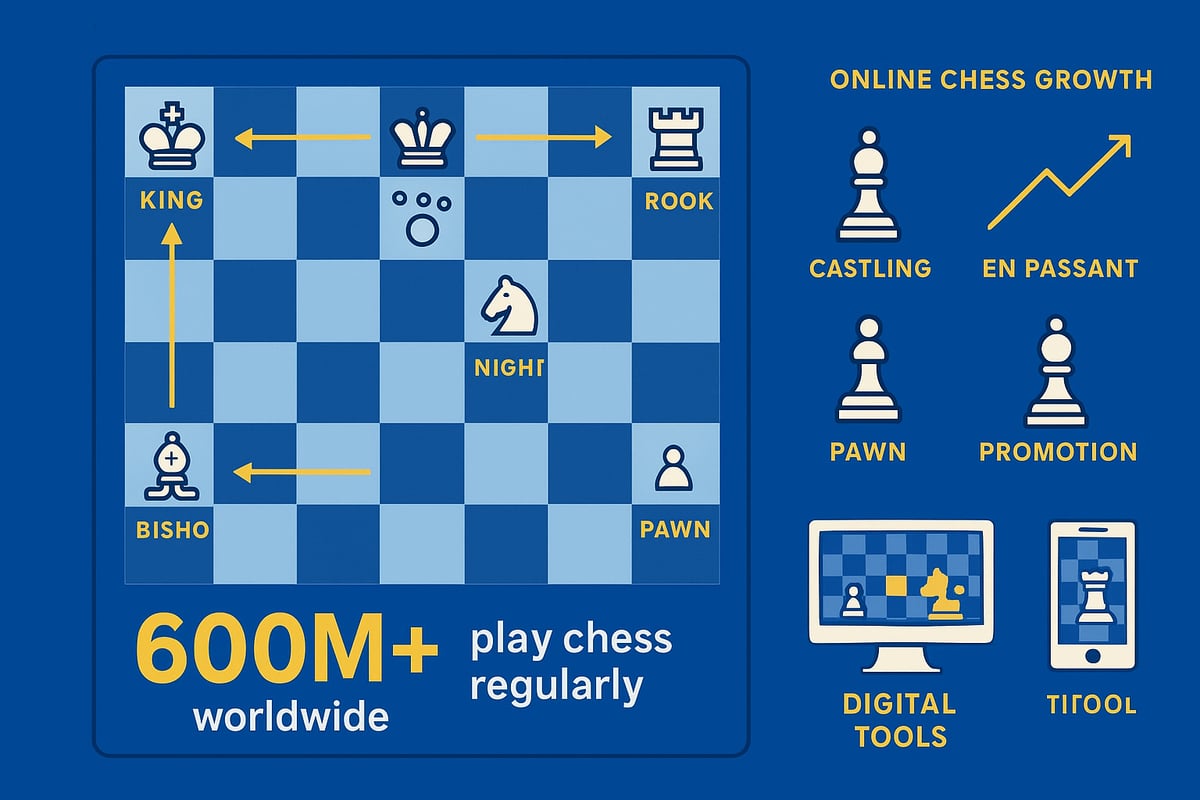
When you want to play chess, you’ll start with an 8x8 board, alternating light and dark squares. The bottom right square should be white, which is a classic setup tip. Each player begins with 16 pieces: one king, one queen, two rooks, two bishops, two knights, and eight pawns.
Every piece moves in its own unique way. The queen covers any direction, the rook moves straight, the bishop goes diagonally, knights jump in “L” shapes, and pawns advance one square but capture diagonally. Special moves like castling, en passant, and pawn promotion add depth. When a pawn reaches the far side, it can promote to a queen or another piece, which can change the game instantly.
If you prefer visual summaries, chess cheat sheets for learning are a great way to quickly grasp piece movement and board setup. Did you know over 600 million people worldwide want to play chess regularly? That’s a huge global community waiting for you.
Chess Rules and Objectives
The main goal when you want to play chess is simple: checkmate your opponent’s king. This means the king is under threat and can’t escape capture. Games unfold in three phases: the opening (developing your pieces), middlegame (planning attacks and defenses), and endgame (few pieces left, racing to checkmate).
Draws can happen by stalemate, repetition, or insufficient material. If you touch a piece during a tournament, you must move it, which is called the touch-move rule. Chess etiquette matters too—shake hands, respect your opponent, and play fairly. These traditions make the game welcoming for everyone who wants to play chess.
| Phase | Goal |
|---|---|
| Opening | Develop pieces, control center |
| Middlegame | Attack, defend, create plans |
| Endgame | Checkmate or draw tactics |
Chess Notation and Communication
If you want to play chess and join games online or in clubs, you’ll need to understand chess notation. Most players use algebraic notation, where each square is labeled (a1 to h8) and moves are recorded like this: 1.e4 e5 2.Nf3 Nc6.
A plus sign (+) means check, and a hash (#) means checkmate. You’ll see this notation in books, apps, and during tournaments. Recording moves helps you review games and share them with friends. It’s a universal chess language, connecting everyone who wants to play chess.
Example game start:
1.e4 e5
2.Nf3 Nc6
Chess in the Digital Age
The landscape has transformed for anyone who wants to play chess. Since 2020, platforms like Chess.com and Lichess have exploded in popularity. You can play with anyone in the world, join tournaments, or analyze your games with AI-powered tools.
Streaming and social media have brought chess to millions, making learning fun and interactive. Online participation doubled from 2020 to 2025 according to Chess.com. Whether you’re watching a grandmaster on Twitch or solving puzzles on your phone, the digital age has made it easier than ever for people who want to play chess to connect, learn, and improve.
Step-by-Step: How to Start Playing Chess in 2026
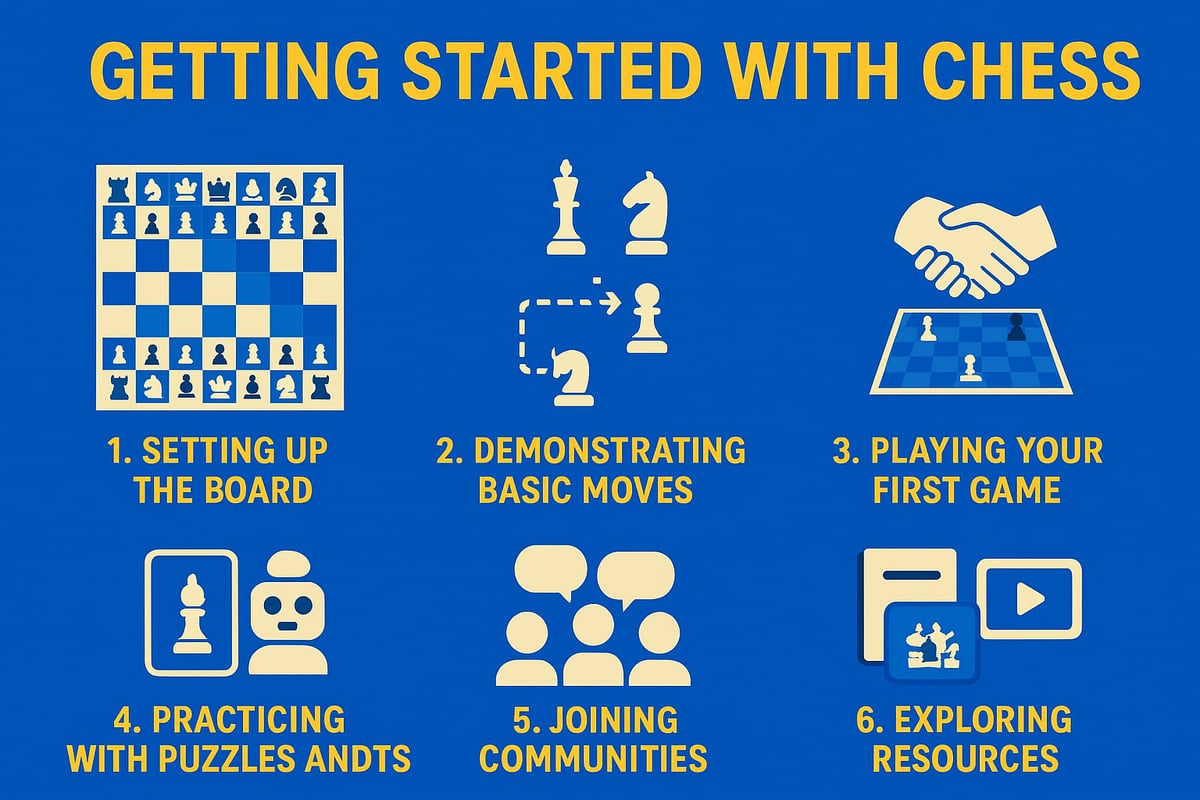
Ready to make your first move? If you want to play chess in 2026, you’re joining millions of new players starting their journey this year. Let’s walk through the essential steps together, so you can set up a board, learn the rules, and jump into your first game with confidence.
Setting Up the Board Correctly
If you want to play chess, your journey starts with the board. Place the board so the bottom-right square is white for both players. Each player lines up their pieces on the two nearest rows. Rooks go in the corners, then knights, bishops, queen (on her own color), and king beside her. The row in front is filled with pawns.
Here’s a checklist to avoid common mistakes:
- Always place the queen on her color.
- Double-check the orientation: white square on your right.
- Make sure each piece is on the correct starting square.
A handy mnemonic: “Queen on her color, white on right.” Take a moment to get comfortable with the setup. If you want to play chess smoothly, mastering this simple step helps every game feel familiar.
Learning the Basic Moves
Now, let’s explore how each piece moves. If you want to play chess, learning these moves is essential. Pawns move forward one square, but capture diagonally. Knights jump in an “L” shape. Bishops glide diagonally, while rooks travel in straight lines. The queen combines the powers of rook and bishop. The king moves one square in any direction.
Special moves include:
- Castling: Move the king and rook for safety.
- Pawn promotion: Reach the last rank, and your pawn turns into any piece except a king.
- En passant: A special pawn capture that surprises beginners.
Practice these moves with online tutorials or by playing against a bot. If you want to play chess well, repetition is your friend.

Playing Your First Game
You’ve set up the board and learned the moves—now it’s time to play! If you want to play chess, start by deciding who moves first. White always goes first, then players alternate turns. Announce your move, check if it’s legal, and press your clock if you’re using one.
Keep these basics in mind:
- The aim is to checkmate your opponent’s king.
- If your king is attacked, you must move out of check.
- If you can’t make a legal move but aren’t in check, it’s a stalemate—a draw.
Play your first game with a friend, online, or against a computer. Each match will help you discover new patterns. If you want to play chess regularly, this hands-on experience is the best way to learn.
Practicing with Puzzles and Bots
Want to play chess and get better fast? Practice is your secret weapon. Chess puzzles help you recognize patterns, spot tactics, and sharpen your instincts. Try daily puzzles or tactics trainers designed for beginners.
Playing against bots can build your skills at your own pace. Adjust the difficulty so you’re challenged but not overwhelmed. For a helpful guide on this, check out How to solve chess puzzles to learn practical techniques for solving and improving.
Whether you want to play chess for fun or to compete, consistent practice with puzzles and bots helps you improve quickly.
Joining Chess Communities and Clubs
If you want to play chess and stay motivated, joining a community is a game changer. Search for local chess clubs, school groups, or online communities in 2026. Many platforms host beginner tournaments, friendly matches, and social events.
Benefits include:
- Meeting fellow chess enthusiasts.
- Getting advice from more experienced players.
- Enjoying the social side of chess, both online and offline.
You’ll find that when you want to play chess, having a supportive community keeps you inspired and learning.
Exploring Chess Resources for Beginners
As you want to play chess and grow, explore resources made for beginners. Choose from books, apps, or video tutorials. Some are free, while others offer premium features. Pick what matches your learning style and goals.
If you want to play chess and improve, the right resources make all the difference.
Modern Strategies for Rapid Chess Improvement
Are you eager to level up quickly if you want to play chess? The modern chess world offers more strategies and tools than ever before. Let’s break down exactly how you can accelerate your progress and make the most of your practice time.
Building a Solid Opening Repertoire
If you want to play chess and win more games, start by building a solid opening repertoire. Openings are like your chess “first impression”—they set the stage for everything that follows. For beginners, it’s best to learn just a few reliable openings rather than trying to memorize dozens.
Popular choices include the Italian Game and the Queen’s Gambit. These openings teach you core principles like controlling the center and developing your pieces efficiently. Curious about more? Check out Chess openings for beginners for a practical guide.
A simple opening plan helps you avoid early mistakes. As you grow, you’ll recognize patterns and understand why certain moves are played. Remember, if you want to play chess confidently, mastering a few openings is the fastest way to start strong.
Mastering Tactics and Patterns
Want to play chess at a higher level? Tactics are your secret weapon. Tactics are short-term maneuvers that win material or deliver checkmate. They’re the “magic tricks” that can turn a losing position into a win.
Focus on learning patterns like pins, forks, skewers, and discovered attacks. These motifs appear in nearly every game, and spotting them quickly is a game-changer. Use puzzle trainers or mobile apps to sharpen your tactical vision.
Magnus Carlsen, the world champion, practices tactics daily. If you want to play chess like the best, make tactics a regular part of your study. Even 10 minutes a day solving puzzles can boost your skills and confidence.
Understanding Middlegame Principles
The middlegame is where most players who want to play chess get stuck. It’s less about memorized moves and more about understanding plans. Here, you need to consider piece activity, pawn structure, and king safety.
Ask yourself: Are my pieces working together? Is my king safe from threats? Should I attack or defend? Classic games from top players are great study material. Try to guess the next move and compare your ideas with the masters.
Common mistakes in the middlegame include neglecting development or launching attacks without enough support. If you want to play chess well, focus on making every piece count and always have a plan.
Endgame Fundamentals Every Player Should Know
You might not always reach the endgame, but if you want to play chess seriously, knowing basic endgames is essential. The endgame is where small advantages become wins.
Start with king and pawn endings, and learn how to checkmate with a king and queen versus king. Interactive trainers make learning these endings fun and memorable. Don’t worry about memorizing every detail—focus on understanding key ideas like opposition and promotion.
Knowing endgame fundamentals gives you confidence. You’ll convert more games and avoid those last-minute blunders. If you want to play chess and finish strong, a little endgame knowledge goes a long way.
Analyzing Your Games for Growth
If you want to play chess and keep improving, reviewing your games is a must. After each game, take a few minutes to look for mistakes and missed opportunities. Online platforms offer built-in analysis tools that highlight blunders and suggest better moves.
Set small improvement goals, like “avoid hanging pieces” or “review every loss.” Keep a chess journal or use digital logs to track your progress. Players who regularly analyze their games often see their ratings jump by 200 points or more each year.
Game analysis isn’t just for advanced players. Even beginners who want to play chess can benefit. You’ll spot patterns, correct bad habits, and see steady progress over time.
How Chess Cheat Sheets Can Accelerate Your Learning
Ever wish you had a shortcut when you want to play chess and learn faster? Chess cheat sheets are your new best friend. These visual guides break down openings, tactics, and endgames into easy-to-remember chunks.
Cheat sheets reduce the need for heavy memorization. Instead, you get clear diagrams and step-by-step instructions. This is especially helpful if you want to play chess without feeling overwhelmed by theory.
Many cheat sheet toolkits offer thousands of puzzles tailored to your repertoire. Beginners and intermediates find they win more games and understand the “why” behind each move. Try a free sample and see how much faster you improve when you want to play chess.
Essential Chess Resources and Tools for 2026
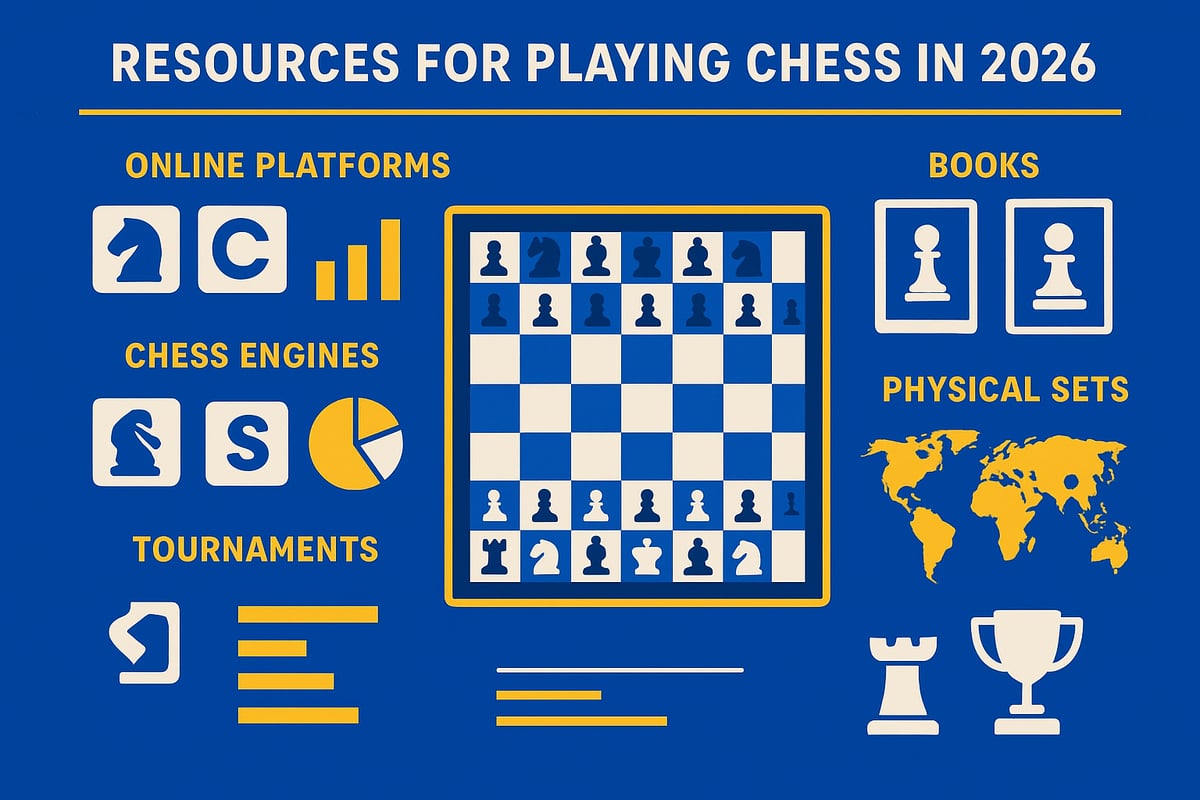
Ready to take your skills to the next level? If you want to play chess in 2026, the right tools and resources will make your journey smoother and more enjoyable. Let’s break down the modern essentials you need to get started and keep improving in the vibrant chess world of today.
Top Online Platforms and Apps
When you want to play chess online, you have some fantastic options. The top platforms—Chess.com, Lichess, and Chess24—are packed with features for players of all levels. In 2026, new platforms are emerging, but these three remain the backbone for most enthusiasts.
Here’s a quick comparison to help you choose:
| Platform | Features | User Base (2026) |
|---|---|---|
| Chess.com | Live games, lessons, analysis | 140M+ |
| Lichess | Free puzzles, open-source, events | 80M+ |
| Chess24 | Video series, tournaments, streams | 25M+ |
Each offers mobile apps, daily puzzles, and tournaments. If you want to play chess casually or competitively, you’ll find a welcoming community and plenty of learning tools on these platforms.
Recommended Books and Courses
If you want to play chess and really understand the game's core, books and courses are your best friends. Some classics like “Bobby Fischer Teaches Chess” and “Chess Fundamentals” remain favorites for beginners. For a more interactive experience, modern video courses and online lessons are booming in 2026.
Consider this list to get started:
- Books: “Bobby Fischer Teaches Chess,” “Chess Fundamentals,” “The Complete Chess Course”
- Courses: Interactive lessons on Chess.com, Lichess study modules, and YouTube masterclasses
Pick resources that match your learning style. Whether you prefer reading, watching, or hands-on practice, there’s something for everyone who wants to play chess today.
Chess Engines and Analysis Tools
Chess engines have become must-have companions if you want to play chess and improve fast. Tools like Stockfish and Leela Chess Zero analyze your games, spot mistakes, and suggest better moves. In 2026, cloud-based analysis and AI-powered blunder detection are standard features.
A great way to deepen your opening and endgame knowledge is by studying real games. For this, the Comprehensive Chess Game Database gives you access to 9.8 million games. Explore openings, tactics, and famous battles to sharpen your skills.
Modern engines now offer instant feedback, visual blunder highlights, and move-by-move guidance, making them essential if you want to play chess with confidence.
Physical Chess Sets and Boards
While online play is huge, many who want to play chess still love the feel of a real board. In 2026, your options include classic wooden sets, travel boards, magnetic pieces, and sleek electronic boards that sync with apps.
Consider these choices:
- Wooden Sets: Traditional, durable, and beautiful
- Magnetic Sets: Perfect for travel and outdoor play
- Electronic Boards: Connect to online games, track moves, and analyze positions
Smart boards are especially popular now, letting you play live games with friends worldwide. No matter your style or budget, you can find the perfect chess set to match your passion if you want to play chess anywhere.
Joining Tournaments and Events
Tournaments are the heartbeat of the chess community. If you want to play chess at a higher level or simply meet fellow enthusiasts, joining local or online events is a great move. Sign up through Chess.com, Lichess, or your national federation.
To keep up with the world’s best and track your own progress, check the FIDE World Chess Rankings. This site lists top players and their ratings, giving you inspiration and goals to aim for.
Whether you’re entering your first club tournament or following the World Chess Championship, tournaments offer excitement, motivation, and a sense of belonging for everyone who wants to play chess.
Advancing Your Chess: From Beginner to Intermediate and Beyond
Ready to take your skills to the next level? If you want to play chess confidently and see your efforts pay off, it's time to focus on what works for steady improvement. Let's walk through the habits, resources, and mindsets that help you level up, one smart step at a time.
Developing a Training Routine
If you want to play chess well, consistency is your best friend. Setting aside time every week, even just 30 minutes a day, can make a huge difference. Most successful players balance tactics, strategy, and review, instead of cramming everything at once.
Here’s a sample weekly plan:
- Tactics: 3 days, 20 minutes each
- Opening study: 2 days, 15 minutes each
- Endgames: 1 day, 20 minutes
- Game review: 1 day, 20 minutes
Mix it up if you get bored, but always track your progress. A routine helps you stay motivated, especially when you want to play chess and actually see yourself improving.
Learning from Masters and Streamers
Ever watched a grandmaster explain their thought process live? If you want to play chess like the best, following top streamers and champions is a game-changer. Platforms like Twitch and YouTube are packed with lessons, blitz games, and commentary, making learning feel like hanging out with a friend.
Check out streamers such as Hikaru Nakamura or Anna Cramling. They break down games, answer questions, and even laugh at their own mistakes. Curious about openings? Dive into the pros and cons of the Queen's Gambit to see why it's a favorite for many new players who want to play chess with style.
Overcoming Common Beginner Mistakes
It’s easy to fall for traps or leave pieces hanging when you first want to play chess. Most beginners lose games by not spotting threats or forgetting to develop their pieces. The good news? These mistakes are completely normal.
Some common blunders:
- Moving the same piece too many times early
- Ignoring checks or threats
- Forgetting to castle for king safety
The trick is to pause before each move and ask, “What changed?” By reviewing your own games and learning from annotated examples, you'll notice patterns and improve faster, especially if you want to play chess with fewer headaches.
Building Mental Toughness and Focus
Chess isn’t just about the pieces, it’s about your mind. If you want to play chess better, focus and resilience are key. You’ll face tough losses, time trouble, and moments when your brain just wants to give up.
Try mindfulness exercises before games, and set a timer so you don’t rush moves. Take breaks, breathe, and remind yourself that growth comes with every mistake. In fact, studies show that chess training improves cognition and sharpens your brain, especially as you get older. So, even when the going gets tough, remember your mind is getting stronger every time you want to play chess.
Tracking Your Progress and Setting Goals
If you want to play chess and keep improving, tracking your progress is essential. Most online platforms offer rating systems and achievement badges, which make it easy to see how far you've come.
Try setting short-term goals, like solving five more puzzles this week, or playing three longer games without blundering a piece. Use a digital log or simple notebook to jot down what you learned each session. Seeing your growth in black and white will keep you motivated and help you celebrate every win, big or small.
Exploring Chess Variants and Expanding Horizons
Sometimes, the best way to grow is to try something new. If you want to play chess and boost your creativity, give variants like Chess960, Bughouse, or King of the Hill a shot. These formats twist the rules just enough to keep things fresh and test your adaptability.
Many players find that variants teach them to think outside the box and spot patterns faster. Plus, with the rise of online tournaments for these unique games, you can challenge yourself and meet fellow enthusiasts who also want to play chess in new and exciting ways.
Now that you’ve got the basics down and know how to start your chess journey, isn’t it exciting to imagine how quickly you could level up with the right tools? Whether you’re aiming to play your first games or climb up the ranks, having all the essential resources in one place can make a world of difference. If you want to skip the endless searching and focus on learning, why not check out the complete bundle of guides, cheat sheets, and puzzles I mentioned earlier? You can get everything you need to master chess, all in one spot—Get The FULL Chess Mastery Bundle.


