

Are you tired of seeing the same chess rating no matter how much you study? You’re not alone. Many passionate players hit a wall, but what if you could break through and reach your next level chess goals in 2026?
This guide is your roadmap to advanced strategies that separate club players from true masters. You’ll learn how to train smarter, not just harder, and build habits that create real progress.
Imagine outplaying your rivals with confidence and precision. Ready to transform your chess journey? Dive in and discover the secrets to unlocking your full potential.

The Foundation: Mindset and Structured Training
Unlocking your next level chess journey starts before you even move a piece. The real difference between a club player and a master is not just what they know, but how they think, train, and build habits. Let’s break down the essentials that form the bedrock of breakthrough improvement.
The Power of a Growth Mindset in Chess
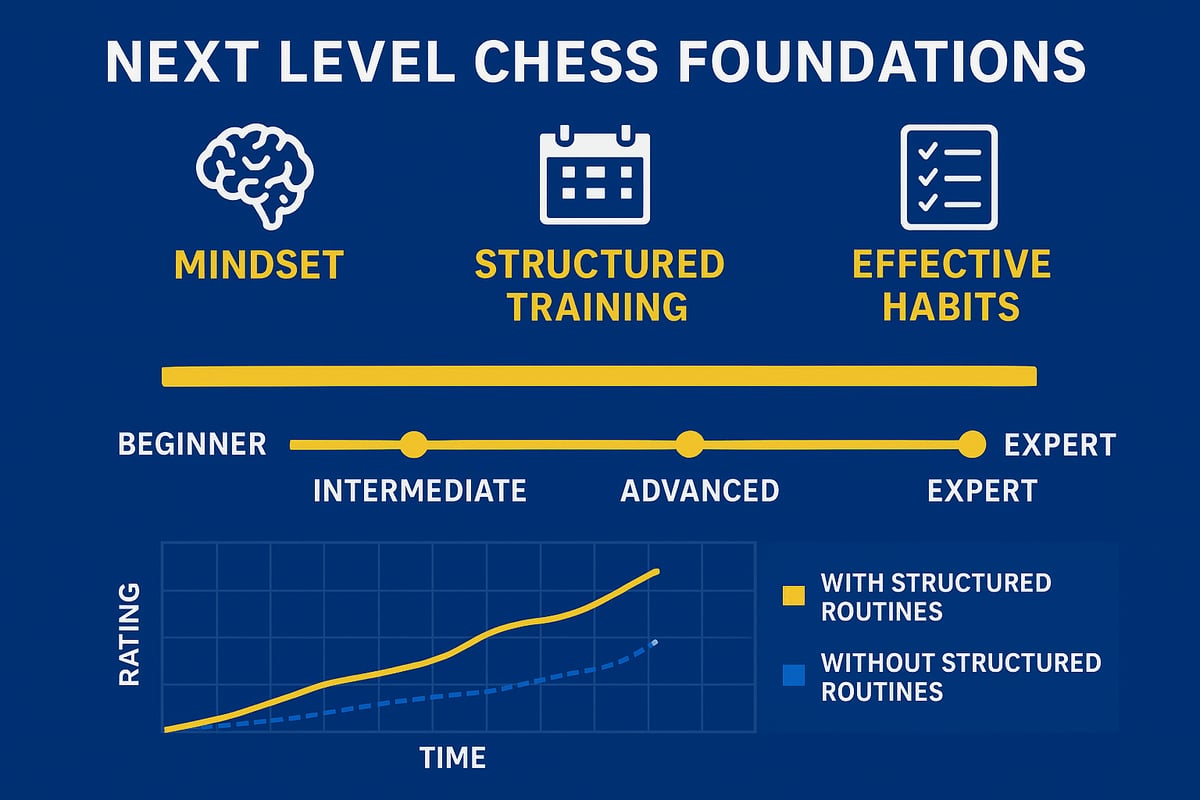
Ever feel like you’ve hit a wall in your chess progress? That’s where mindset comes in. At the next level chess stage, your attitude toward mistakes and setbacks becomes your secret weapon. Grandmasters like Noël Studer swear by the growth mindset, which means seeing every loss as a lesson, not a defeat.
Think about players who finally broke through their rating plateau. What changed? Often, it was their willingness to review painful losses, ask tough questions, and keep learning. Instead of dreading mistakes, they embraced them as fuel for growth.
There are four stages in chess improvement:
- Unconscious incompetence: You don’t know what you don’t know.
- Conscious incompetence: You recognize your gaps.
- Conscious competence: You apply new skills deliberately.
- Unconscious competence: Skills become second nature.
The psychological impact at each stage can be tough. You may feel stuck or frustrated, but that’s normal. The key is to stay focused on real improvement, not just passive study. Watching videos or reading without practice feels good, but it won’t push your next level chess skills forward.
Building a Structured Chess Training Routine
Randomly jumping from openings to endgames to tactics is a recipe for stagnation. Most players plateau because their training lacks structure. The next level chess approach flips this by following a logical, step-by-step plan tailored to your needs.
Start by deciding what to study. Is calculation your weakness, or do you struggle with positional play? Once you know, break your week into focused segments. For example:
- Monday: Tactics drills
- Wednesday: Opening review
- Friday: Annotated master games
- Weekend: Endgame practice
Regular review is essential. As your strength grows, update your plan. A training blueprint saves time and gives you a clear sense of progress. According to this Structured Chess Training Benefits article, daily routines are proven to help players improve faster and more consistently.
Imagine having a checklist for your sessions. You sit down, know exactly what to work on, and finish with a sense of accomplishment. That’s how next level chess players turn effort into results.
Creating Effective Study Habits
Ever wonder why some players make steady gains while others drift? It comes down to habits. The science of improvement shows that consistent routines beat sporadic bursts of effort every time in next level chess.
To build better habits:
- Set a regular study time—same place, same hour.
- Eliminate distractions: phone off, browser tabs closed.
- Break study blocks into 30–45 minute sessions with short breaks.
Here’s a sample routine for advanced players:
| Day | Focus Area | Duration |
|---|---|---|
| Monday | Tactics Puzzles | 45 mins |
| Tuesday | Opening Drills | 30 mins |
| Wednesday | Game Analysis | 45 mins |
| Thursday | Endgame Training | 30 mins |
| Friday | Master Game Review | 45 mins |
According to a Chess.com study, players who follow structured routines improve their rating 30% faster. Track your progress in a journal or app, celebrate small wins, and remember: next level chess is as much about persistence as it is about knowledge.
Mastering Advanced Tactics and Calculation
Unlocking next level chess means turning tactical sharpness into your secret weapon. Even if you’ve already outgrown basic pins and forks, the journey doesn’t stop there. Advanced tactics and calculation are what separate the good from the truly great.
Let’s break down how you can transform your tactical vision, calculation, and training routine to reach your next level chess goals.
Deepening Tactical Vision
Ask yourself, how often do you spot a game-changing tactic after it’s too late? At the next level chess stage, tactical vision is your radar for hidden opportunities. It’s not just about seeing threats, but anticipating complex motifs before your opponent does.
Here’s a proven five-step approach to mastering advanced tactics:
- Identify all checks, captures, and threats on every move.
- Visualize forcing lines two or three moves deeper than you think you need.
- Categorize mistakes after each session to reveal recurring blind spots.
- Practice with targeted puzzle sets, not just random ones.
- Review solutions actively—don’t just glance at the answer.
Top players use platforms like Chess Puzzles Collection for Tactics to focus on motifs they actually struggle with. Setting up custom puzzle sets lets you drill your weaknesses, not just your strengths. This targeted approach is at the heart of next level chess improvement.
Advanced Calculation Techniques
Calculation is the engine under the hood of next level chess. It’s more than brute force—it’s about visualizing, evaluating, and using logic to prune bad ideas. The right process makes all the difference.
Try this routine:
1. List all candidate moves.
2. Visualize each line, move by move, in your mind.
3. Eliminate options that fail tactically or positionally.
4. Re-evaluate after each defensive resource.
5. Double-check for missed tactics before committing.
Blindfold or visualization drills can supercharge this process. Did you know that grandmasters spend about 40% of their training on calculation and tactics? Whether you’re prepping for classical, rapid, or blitz, tailor your calculation speed and depth to the format.
A quick table for reference:
| Format | Depth Needed | Time per Move | Focus |
|---|---|---|---|
| Classical | 4-8 moves | 3-10 min | Accuracy |
| Rapid | 3-5 moves | 1-3 min | Balance |
| Blitz | 2-3 moves | 10-30 sec | Speed |
Building calculation muscle is a core pillar of next level chess.
Avoiding Common Tactical Pitfalls
Even advanced players fall into familiar traps—overconfidence, “hope chess,” or relying too much on pattern recognition. The next level chess approach is about turning every missed tactic into a lesson.
Here’s how to avoid common pitfalls:
- Recognize when you’re guessing instead of calculating.
- After each game, analyze missed tactics and ask, “Why did I overlook this?”
- Use chess engines wisely. Check key moments, but don’t let Stockfish do all the thinking for you.
- Balance intuition with logic. Patterns help, but calculation confirms.
Remember, improvement isn’t about never missing tactics. It’s about learning from each mistake and steadily raising your floor. That’s the mindset needed for next level chess.
Streamline Your Tactics Training with Chess Cheat Sheets
If you’re serious about next level chess, efficient tactical training is non-negotiable. Chess Cheat Sheets offers visual, plug-and-play guides and over 1.5 million puzzles, all designed for rapid improvement.

Instead of memorizing endless theory, you’ll master advanced motifs through practical repetition. With resources tailored to ambitious players, you can reinforce new patterns without burning out.
Imagine logging in, drilling the exact motifs you missed last week, and seeing your tactical accuracy jump. That’s the power of a smart, streamlined approach—one that fuels your next level chess journey every day.
Advanced Positional Play and Strategic Planning
Unlocking the secrets of advanced positional play is what truly sets apart players reaching for next level chess. If you have ever felt lost in complex middlegames, or unsure how to convert a slight advantage, mastering these concepts will transform your results. Let’s break down the core ideas and practical steps to make your next level chess journey both strategic and rewarding.
Core Principles of Positional Mastery
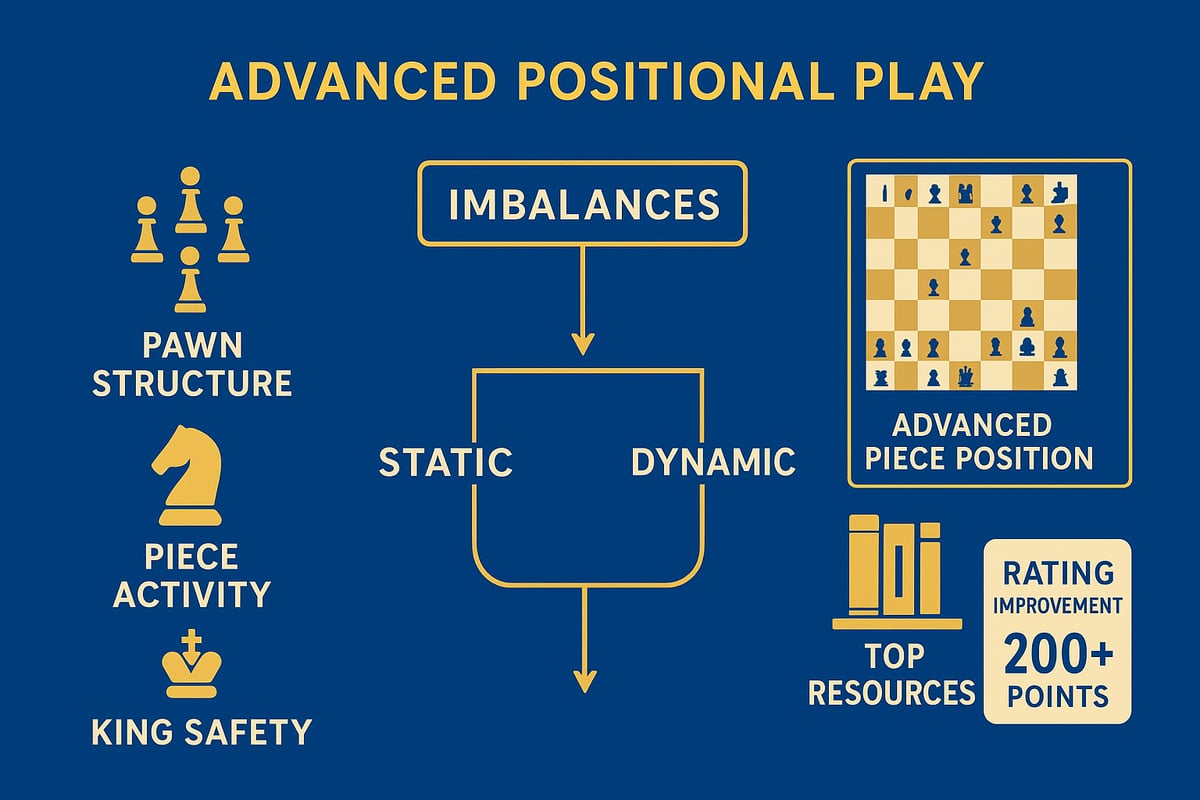
At next level chess, understanding positional principles is like having a roadmap through every stage of the game. You’ll want to internalize concepts such as pawn structure, open files, strong outposts, and the importance of space. Rather than memorizing endless variations, ask yourself during each move: “What does this position need?”
A champion approach involves looking for small, cumulative advantages. For instance, placing a knight on an outpost where it can’t be challenged, or doubling rooks on an open file to increase pressure. These simple ideas underpin next level chess, letting you outmaneuver opponents who rely only on tactics.
Don’t fall into the trap of overcomplicating things with long engine lines. Instead, focus on the logic behind plans. If you’re unsure what to do, pause and identify the least active piece or the weakest pawn. The habit of asking the right questions will guide your next level chess growth far more than memorizing computer moves.
Strategic Imbalances and Dynamic Play
Next level chess demands that you recognize and use imbalances to your advantage. Imbalances are the differences between the two positions—like pawn structure, piece activity, or king safety—that determine what kind of plan you should pursue.
Do you have a better pawn structure? Then you might aim for slow maneuvering. Are your pieces more active? Perhaps it’s time to initiate dynamic play and open the position. Knowing when to play for static advantages, such as a strong bishop or a weak pawn, versus when to push for dynamic opportunities, like a kingside attack, is the hallmark of next level chess.
Classic games show how strategic sacrifices, like giving up a pawn for piece activity, can lead to long-term dominance. Always be ready to shift gears—from defense to counterplay—when the balance of imbalances changes. This flexibility is what keeps your next level chess unpredictable and powerful.
Practical Application in Real Games
How do you transfer all this theory into your actual games? The answer: deliberate practice and routine self-questioning. During a real game, try to pause at key moments and ask what your opponent’s threats are, what your pieces are doing, and what long-term weaknesses exist.
Avoid “paralysis by analysis” by trusting your preparation and intuition. Studying annotated master games is a proven way to sharpen your strategic sense for next level chess. Focus on understanding the reasoning behind each move, not just the move itself.
Data shows that players who regularly study annotated games gain rating points faster. The more you practice applying positional ideas, the more natural and automatic they become, especially under time pressure.
Resources and Study Tools for Strategic Growth
Building a personal library of concise, curated resources is essential for next level chess improvement. Rather than drowning in theory tomes, seek out books and courses that focus on practical decision-making and pattern recognition.
If you’re looking for actionable guidance, check out How to Improve Your Positional Skills, which offers advanced advice and puzzle-based training to reinforce key ideas.
Set aside time each week to review classic games, solve positional puzzles, and reflect on your own play. By consistently using high-quality tools, you’ll ensure your next level chess journey is structured, efficient, and enjoyable.
Opening Preparation for the Modern Era
Are you tired of memorizing endless opening lines only to forget them at the board? In next level chess, opening preparation is about understanding, not rote learning. Let's explore how modern players build practical repertoires and connect their openings with their overall strategy for real results.
The Modern Opening Mindset
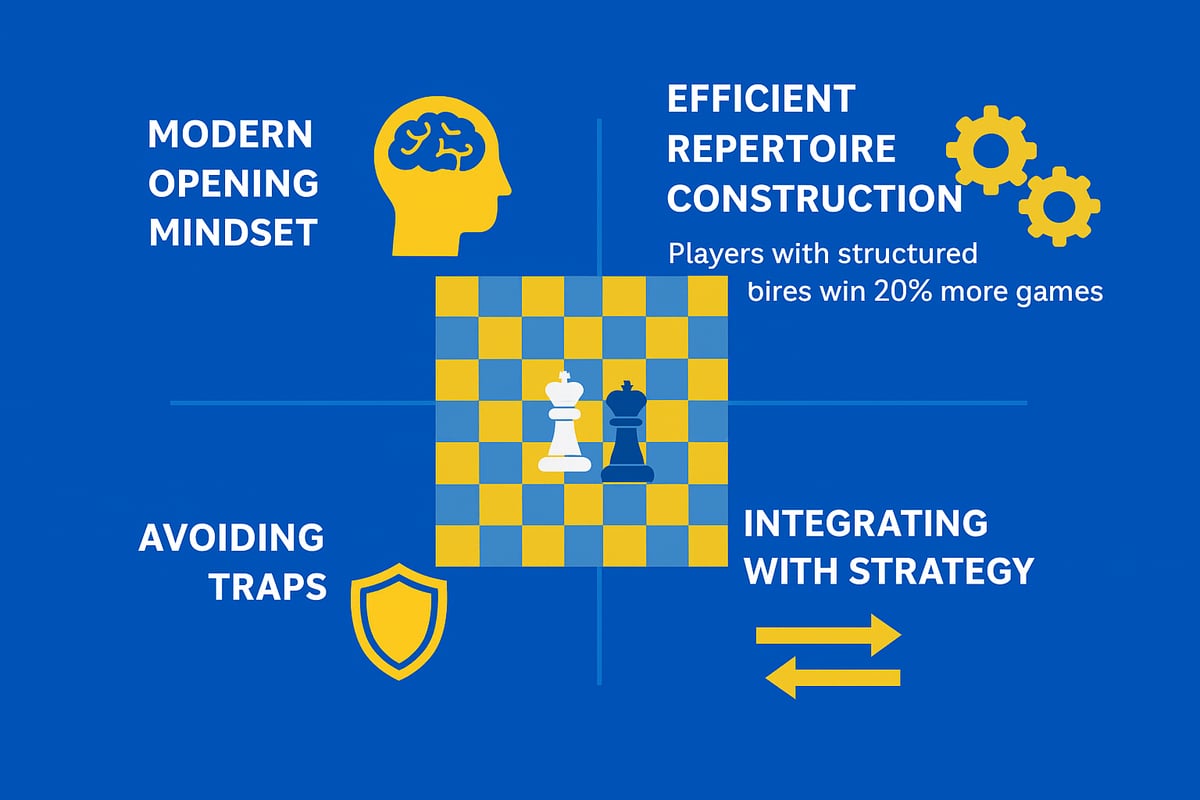
In next level chess, your mindset toward openings can make or break your progress. Gone are the days when memorizing dozens of sharp variations was the only way to succeed. Now, strong players focus on understanding the ideas behind their openings, so they can adapt to any surprise over the board.
Ask yourself, "What is my plan in this position?" rather than "What is the next move in the book?" This shift helps you play confidently even if your opponent leaves theory early. Free online tools, like Lichess studies and interactive courses, put a world of opening knowledge at your fingertips. The goal is to build a foundation that supports your style, whether you prefer attacking, positional, or universal chess.
If you want to break through plateaus, start seeing openings as part of your larger next level chess journey, not just isolated chunks of theory.
Efficient Repertoire Construction
Building an opening repertoire for next level chess is like crafting a personalized toolkit. Begin by choosing openings that fit your strengths and practical needs. For example, if you like tactical play, pick sharp lines. Prefer strategy? Choose solid systems.
Follow these steps:
- Select core openings for White and Black.
- Build digital files or use online tools for easy review.
- Drill key lines using quizzes or flashcards.
- Regularly update your files with new ideas from your own games or top tournaments.
Quick-reference resources, such as the Master Chess Openings Guide, can save you hours and keep your study focused. Remember, the key is efficiency, not volume. With a streamlined approach, your next level chess preparation becomes both enjoyable and effective.
Avoiding Common Opening Traps
Falling into opening traps can be a frustrating setback, especially when you have worked hard on your next level chess repertoire. The secret is to know the most typical tricks and to train your awareness, not just your memory.
Here are some tips to stay safe:
- Review the most popular traps in your favorite lines.
- Practice defending against gambits and offbeat moves.
- Use rapid games as a testing ground for new weapons.
Balance is important. Surprise weapons can score quick wins, but solid mainlines provide long-term stability. Analyze recent innovations from top tournaments to keep your repertoire fresh. By focusing on understanding, you will spot traps before they happen and play with more confidence.
Integrating Openings with Overall Strategy
Your next level chess openings should not exist in a vacuum. Every choice you make in the opening shapes your middlegame plans and even endgame prospects. Think about the pawn structures and piece placements that arise from your favorite lines.
Build your opening choices around your strengths. For example, if you excel in closed positions, choose openings that lead to strategic battles. After each game, review your opening phase to identify what worked and what needs improvement.
Connecting openings with your overall game plan means you will always know what to aim for, even if your opponent surprises you. Consistent post-game review and adaptation are the keys to refining your repertoire and reaching the next level chess standard.
Endgame Mastery: From Fundamentals to Advanced Techniques
Endgame mastery is what truly separates strong players in next level chess from those who plateau at advanced levels. If you want to consistently convert advantages and save tough games, you need to focus on the right endgame knowledge and practical skills. Let’s break down what matters most for your next leap forward.
Essential Endgame Knowledge for Advanced Players
When it comes to next level chess, you do not need to memorize every obscure endgame position. Instead, focus on mastering the essential theories that matter up to the 2200+ rating range. Think king and pawn endings, basic rook endings, and a handful of practical checkmating patterns.
Here is a quick table of must-know endings:
| Endgame Type | Why It Matters |
|---|---|
| King & Pawn | Foundation of all endings |
| Rook & Pawn | Most common practical ending |
| Minor Piece | Key for converting edges |
| Simple Mates | Confidence in tight spots |
Many top coaches recommend a “one book” approach for next level chess, meaning you deeply understand a single, trusted resource rather than spreading yourself thin.
Practical Endgame Training Methods
How should you actually train endgames for next level chess results? The most effective way is to combine focused puzzle practice with real game application. Set up practical positions, play them out against friends or engines, and then review your decisions.
Using modern tools like Endgame Tablebase Insights can help you check your solutions and understand why certain moves win or draw. Just remember, engines are guides, not crutches. Spend time reviewing classic endgame studies, too, as these sharpen intuition and teach you to spot hidden resources.
Common Endgame Mistakes and How to Avoid Them
Even advanced next level chess players fall into common traps. Overcomplicating simple endings is a big one. Often, players try to be too clever and miss the straightforward win or draw.
Here are mistakes to watch for:
- Rushing pawn pushes in king and pawn endings.
- Forgetting the “Lucena” and “Philidor” rook positions.
- Not activating the king in minor piece endings.
The best way to avoid these errors is to recognize key transition points and keep your approach practical. Review your games for recurring slip-ups and treat each as a chance to grow.
Building Endgame Confidence
Gaining confidence in endgames is a game changer for next level chess. When you dedicate regular time to endgame practice, you will see real improvements in your tournament results and rating.
Studies show that players who spend about 20 percent of their study time on endgames convert roughly 30 percent more drawn positions into wins. The key is consistency: set aside time each week for targeted endgame drills, and track your progress. As your skills grow, you will feel much more at home in tense, simplified positions.
Leveraging Technology and Community for Faster Improvement
Ready to supercharge your next level chess journey? Technology and community are your secret weapons. When you use engines, online tools, and supportive peers the right way, you can break through plateaus and stay motivated. Let’s see how to harness these advantages for faster improvement.
Using Chess Engines and Databases Wisely
Chess engines can be a double-edged sword for next level chess players. They offer instant feedback and deep analysis, but overusing them can make you dependent and stunt your growth. The smartest approach is to use engines to review only key positions, not every move. Focus on moments where you felt unsure or made a mistake, then try to understand why the engine's suggestion is better.
Instead of copying lines blindly, ask yourself questions: What was my plan? Why did the evaluation shift? This habit builds real understanding. Use databases to review opening trends and find instructive games from top players in your favorite systems. However, always prioritize your own thought process over memorizing engine lines.
A table can help you compare common engine uses:
| Engine Use | Effective? | When to Use |
|---|---|---|
| Full game analysis | Sometimes | After serious games |
| Key moment review | Yes | When confused or blundered |
| Opening prep | Yes | To check lines, not memorize |
| Every move check | No | Avoid, builds dependence |
Stay curious and let engines guide, not dictate, your next level chess thinking.
Online Tools for Training and Self-Assessment
Online platforms like Chess.com and Lichess are goldmines for next level chess training. From tactics puzzles to structured lessons and post-game reviews, you can tailor your learning to your needs. Use features like rating graphs and streak trackers to spot improvement trends and keep yourself accountable.
Personalization is key. Research shows that adaptive tools can boost learning efficiency. For example, a recent Predicting Chess Puzzle Difficulty Study explored how AI can match puzzle difficulty to your skill level, making your practice sessions more effective.
Try building a routine that mixes puzzle training, lesson review, and real games. Track your progress weekly. If you hit a wall, adjust your focus or try new features like themed puzzle rushes or opening explorers. Remember, self-assessment is as important as practice in next level chess.
The Role of Community and Coaching
No one reaches next level chess alone. Engaging with the chess community accelerates your improvement and keeps you motivated. Join online forums, Discord servers, or local clubs to share ideas, analyze games, and get feedback from other players.
Study partners and accountability groups can help you stick to your training plan. Discussing positions or reviewing games together uncovers blind spots you might miss on your own. Many advanced players credit their breakthroughs to regular peer analysis and coaching.
If you want expert guidance, consider working with a coach or joining group lessons. Coaches can help you identify weaknesses, set realistic goals, and provide personalized study plans. But even without formal coaching, being active in the community will help you grow and enjoy the journey to next level chess mastery.
Next Steps: Taking Your Chess to the Next Level in 2026
You’ve just explored a comprehensive roadmap for next level chess improvement, touching on mindset, structured training, advanced tactics, positional play, openings, endgames, and smart tech use. Each area is a building block that, when pieced together, can propel your game far beyond where you started. The beauty of next level chess is that progress compounds—what you learn in one area often unlocks new strengths in others.
Staying motivated is crucial for long-term growth in next level chess. Plateaus are normal, but the key is to view setbacks as opportunities, not roadblocks. Take inspiration from players who broke through their ceilings by embracing consistent routines and a positive mindset. One player, for example, moved from club regular to tournament contender simply by tracking progress, reviewing games, and adjusting their plan each month. Remember, even the best have faced slumps—the difference is in how they respond.
Ready to put what you’ve learned into action? Start by setting specific goals and tracking your progress. Join online communities or find a study partner to keep you accountable. Make use of curated tools like the Chess Openings Quiz for Training to pinpoint your strengths and gaps, or dive deeper with specialized resources such as the Advanced Calculation Techniques Course. The journey to next level chess mastery is ongoing, but with the right plan and mindset, you’re set to climb higher than ever. Your breakthrough year starts now—embrace the process and let each game move you closer to your next level chess goals.
You’ve just explored a ton of advanced chess strategies, from building a winning mindset to mastering tactics and endgames—pretty inspiring, right But here’s the thing having the right tools can make all the difference when you’re putting these ideas into practice If you’re serious about taking your chess to the next level in 2026, why not get everything you need in one place I recommend you check out the Get The FULL Chess Mastery Bundle It’s packed with streamlined cheat sheets, puzzles, and endgame guides—basically, everything you need to make your improvement both fun and efficient Ready to level up


