

Have you ever wondered what it really takes to become a master chess player in today’s fast-changing world? The chess landscape is evolving faster than ever, and the journey to mastery in 2026 is filled with new opportunities and challenges.
In this guide, you’ll discover the latest strategies, digital tools, and winning mindsets that the top players use to stay ahead. We’ll explore the essential skills you need, modern training methods, powerful online resources, and the psychological secrets behind consistent improvement.
Get ready to unlock your full potential with a step-by-step roadmap designed for rapid progress. Your path to becoming a master chess player starts right here.

The Foundations of Chess Mastery in 2026
To become a master chess player in 2026, you need to understand how the game has evolved and what it takes to compete at the highest level. The landscape is changing fast, so let’s break down the essential building blocks you’ll need on your journey.
Understanding the Modern Chess Landscape
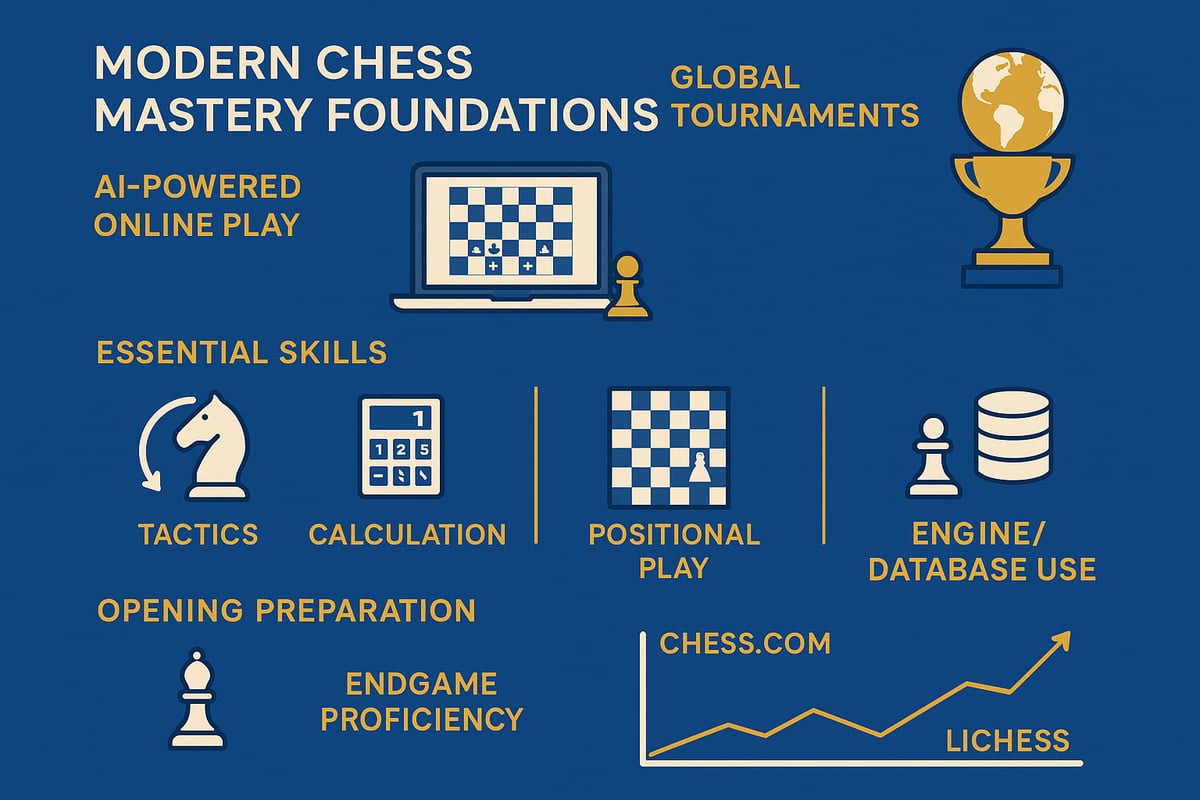
The chess world in 2026 is almost unrecognizable compared to a decade ago. AI, massive game databases, and online platforms have transformed how every master chess player learns and competes. Hybrid tournaments now blend in-person and online play, opening the door to more global participation and fierce competition.
With the surge in popularity after the 2020s, chess.com and Lichess boast over 100 million users combined in 2025. FIDE’s updated regulations and rating systems keep pace with these changes, ensuring fair play. To get a deeper sense of how AI and hybrid events have shaped the game, check out the Freestyle Chess Grand Slam Tour for real-world examples of this evolution.
Essential Skills Every Master Needs
Every aspiring master chess player must develop a robust toolkit of skills. You’ll want to master tactics like pins, forks, and skewers, as these often decide games. Positional understanding is equally vital, including recognizing outposts, weak squares, and pawn structure nuances.
Calculation and visualization are at the core of high-level play—being able to “see” several moves ahead gives you a real edge. Time management is another must, especially as games move between classical and rapid formats. Just look at Magnus Carlsen, whose legendary calculation and intuition have set the standard for modern mastery.
Key Opening Principles for Success
A solid opening strategy is the launchpad for any master chess player. Focus first on controlling the center and developing your pieces quickly. Flexibility is key: today’s top players build repertoires that adapt to unpredictable opponents and shifting trends.
Preparation against popular lines, along with anti-theoretical approaches, ensures you’re ready for surprises. The London System and offbeat Sicilian lines are now go-to choices in elite play, showing how important it is to stay ahead in opening theory.
Endgame Proficiency: The Deciding Factor
When the board clears and only a few pieces remain, a master chess player’s true strength shines through. Mastering fundamental endgames—like king and pawn, and rook endings—is non-negotiable if you want to clinch tough matches.
AI-powered tablebases and detailed analysis tools now help you perfect your endgame technique. Take inspiration from Caruana, whose superior endgame play secured his win in the 2024 Candidates Tournament. Endgame skills often tip the balance in your favor.
Leveraging Chess Engines and Databases
No master chess player in 2026 prepares without powerful engines and databases. Tools like Stockfish and Leela Chess Zero analyze positions deeper than ever, while cloud-based platforms allow you to review games from anywhere.
Top players use ChessBase and other modern databases to find trends, prep for opponents, and study engine-generated lines. However, it’s crucial to balance engine recommendations with what’s practical for human play. The 2026 World Championship saw AI-generated novelties play a huge role in high-level preparation.
Step-by-Step Guide to Building a Winning Chess Routine
Building the habits of a master chess player is all about a structured, practical routine that actually fits your life. Wondering where to start? Let’s break down the process into actionable steps, so you can see steady improvement, avoid overwhelm, and set yourself up for chess success in 2026.
Step 1: Assessing Your Current Level
Every master chess player starts with honest self-evaluation. Where are you now, and where do you want to go? Use online platforms like Chess.com or Lichess to check your current rating. These sites offer multiple formats—blitz, rapid, classical—so you can see where your strengths and weaknesses lie.
Dive into your game history and look for patterns. Do you blunder in the middlegame or struggle in time pressure? Tools like Chess.com Insights make it easy to spot trends in your play. Keep a notebook or a digital log of your most common errors and best moments.
Here’s a simple tracking code block to help you monitor progress:
Date      | Rating | Win % | Weakest Phase  | Notes
2026-02-14| 1650   | 57%   | Endgame        | Lost 2 rook endings
Regular self-checks keep you grounded and focused on what really matters for your master chess player journey.
Step 2: Structuring Your Study Plan
A master chess player doesn’t just play—they train with purpose. Create a weekly plan that balances tactics, openings, middlegame, and endgame study. For example, devote Mondays to tactics, Tuesdays to openings, and so on. This keeps your training fresh and prevents burnout.
Set clear, realistic goals. Want to gain 100 rating points in three months? Break it down. Maybe solve 20 puzzles daily or review two classic games each week. Adapt your plan around tournament schedules and life events.
Many top coaches recommend IM-level study routines, such as:
| Day | Focus Area | Goal |
|---|---|---|
| Monday | Tactics | 30 puzzles |
| Tuesday | Openings | 1 new line |
| Wednesday | Middlegame | 1 annotated game |
| Thursday | Endgame | 2 studies |
| Friday | Review | Analyze 3 losses |
Consistency is key for a master chess player aiming to see tangible improvement.
Step 3: Opening Preparation for 2026
In 2026, opening theory is evolving all the time. A master chess player needs a flexible opening repertoire that can adapt to new trends and unexpected lines. Start by selecting a few main openings that suit your style—don’t spread yourself too thin.
Use engine support, like Stockfish or Leela, to check your lines. Opening explorer tools on Chess.com and Lichess help you drill the most popular variations you’ll face in tournaments. Try to prep against trending lines, such as the Catalan or Anti-Sicilian, to stay ahead.
Practical tip: Before each tournament, run through your lines using a cheat sheet or summary. This keeps ideas fresh and boosts confidence for any master chess player on game day.
Step 4: Tactical Training and Puzzle Solving
Pattern recognition is the bread and butter of a master chess player. Make tactical training a daily habit. Use puzzle rushes, timed drills, or spaced repetition apps to sharpen your instincts.
Focus on a mix of themes: pins, forks, discovered attacks, and more. Don’t just solve puzzles—review why you missed certain moves and note recurring mistakes. Hikaru Nakamura, for example, integrates puzzles into his warm-up routine, keeping his calculation sharp.
Try grouping puzzles by theme or difficulty, and revisit tough ones regularly. This approach helps you think like a master chess player, seeing tactical motifs quickly, even under time pressure.
Step 5: Middlegame Strategy and Planning
A well-rounded master chess player excels in the middlegame. Study classic games to understand strategic motifs like strong outposts and dynamic pawn breaks. Pay attention to how elite players turn small advantages into winning positions.
Apply modern concepts, such as those inspired by AlphaZero, including dynamic sacrifices and flexible pawn structures. Annotate your own games, identifying moments where a different plan could have worked better.
Ask yourself during play: What is my opponent’s idea? What are my candidate moves? This habit leads to deeper planning and helps any master chess player make more informed decisions.
Step 6: Endgame Mastery Techniques
Endgame skills separate a strong player from a true master chess player. Memorize key theoretical positions, like king and pawn or basic rook endgames. Use practical drills—set up positions on a board and play against an engine or a friend.
Dvoretsky’s endgame studies remain a gold standard for challenging your understanding. Practical experience matters, so play out endgames regularly, not just in theory. Try to recreate positions from your own games and work through them until you can play them confidently.
Remember, many tournaments are decided in the endgame, so this is a must for every aspiring master chess player.
Step 7: Tournament Preparation and Performance
Becoming a master chess player means performing under pressure. Simulate tournament conditions at home—set a timer, play in silence, and review your games afterward. Develop a pre-game routine, such as light exercise or visualization, to calm nerves.
After each game, write a brief self-assessment: What went well? Where did you lose focus? Managing nerves and stamina is just as important as calculation, especially in multi-round events.
Look at the habits of recent champions, like the 2025 World Junior winner, who practiced both online and over-the-board to prepare for every scenario a master chess player might encounter.
Chess Cheat Sheets: Streamlining Your Chess Improvement
If you want to accelerate your journey to becoming a master chess player, practical resources can make all the difference. Chess Cheat Sheets offers visual guides for openings, puzzles, and endgames—perfect for efficient study.

Their opening cheat sheets, puzzle vaults, and endgame guides are designed for quick reference. You don’t need to memorize huge books—just plug and play. Thousands of players use these tools daily, finding both free and affordable options with lifetime access.
For any master chess player in training, these resources are ideal for actionable, instant improvement, helping you master chess faster and smarter in 2026.
Advanced Strategies for Competitive Play
Ready to take your chess skills to the next level? This is where you shift from strong player to true master chess player. In this section, you'll discover how top competitors prepare, adapt, and thrive in high-stakes games. Let's break down the advanced techniques that separate champions from the rest.
Deep Opening Preparation and Novelties
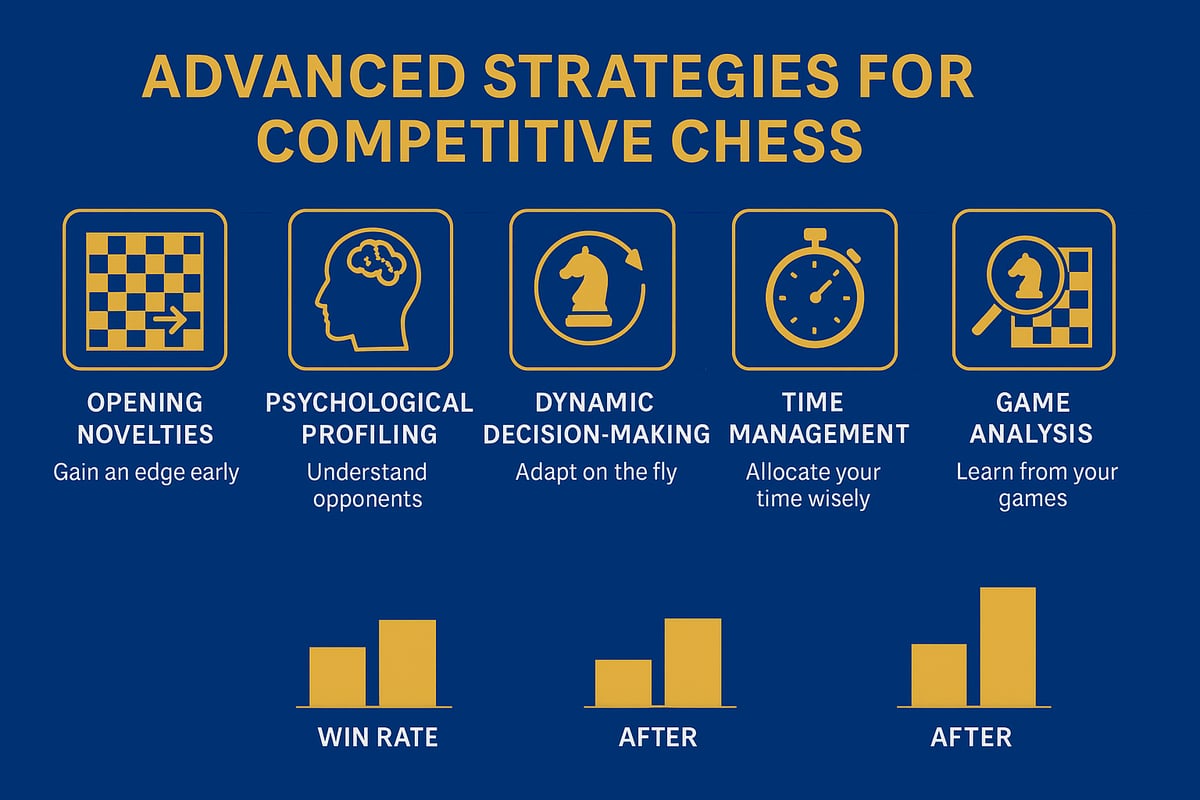
If you want to stand out as a master chess player, deep opening preparation is essential. The best competitors research rare lines, develop surprise weapons, and use AI to uncover new ideas. For example, Nepomniachtchi stunned the chess world in the 2025 Candidates with a Petroff Defense novelty.
Modern tools make this easier than ever. You might find the Chess Openings Mastery Guide helpful for building a flexible, powerful repertoire. By staying ahead of trends, you ensure your openings are unpredictable and effective, giving you a real edge at the board.
Psychological Warfare and Opponent Profiling
The psychological side of chess is just as important as technical skill for any master chess player. Elite competitors analyze opponents’ preferences, study their game history, and spot weaknesses using databases. This helps you adapt your play style to exploit rival tendencies.
Magnus Carlsen, for example, leverages psychological insights to unsettle opponents in rapid matches. Try building a profile for your next opponent. What openings do they favor? How do they handle pressure? The answers can help you choose lines and strategies that maximize your chances.
Dynamic Decision-Making in Complex Positions
Chess rarely goes according to plan, especially for a master chess player facing tough rivals. When the board gets complicated, the key is balancing intuition with calculation. Recognize when a critical moment arrives—should you trust your gut or calculate deeper?
Study games like Praggnanandhaa’s 2025 rapid victories for inspiration. In complex positions, strong players stay flexible, look for practical solutions, and are not afraid to take risks. Practice identifying turning points in your own games and experiment with both intuitive and calculated decisions.
Time Management and Clock Control
Time is a precious resource for every master chess player. Whether playing blitz, rapid, or classical formats, smart clock management can win or lose games. Top players use techniques like pre-move strategies and time checks to avoid trouble.
Online grandmasters excel in blitz, often saving time for critical moments. Try dividing your time into phases: opening, middlegame, and endgame. Practice with a clock and review your time usage after each game. Consistent habits will help you stay calm and focused, even when the seconds are ticking down.
Blunder Avoidance and Recovery Plans
Even a master chess player can make mistakes, but what sets champions apart is how they respond. Develop habits to minimize errors: double-check tactics, pause before committing, and stay mindful of threats. If a blunder happens, don’t panic.
Anish Giri’s comeback wins after early blunders show that recovery is possible. Focus on the position, not the mistake. Create a simple checklist for blunder checks and a mental reset routine for tough moments. Over time, you'll bounce back quicker and keep your confidence high.

Game Analysis and Continuous Improvement
Continuous learning is the heart of every master chess player’s journey. After each game, review your moves using engines and honest self-reflection. Look for recurring mistakes—do you miss certain tactics or struggle in specific positions?
Elite coaches recommend annotating your games and seeking feedback from stronger players. Turn losses into lessons, and track your improvement over time. By making post-game analysis a habit, you’ll spot patterns, fix weaknesses, and steadily climb the ranks.
Leveraging Technology and Online Resources in 2026
Technology is your best friend if you’re aiming to become a master chess player in 2026. The digital landscape is bursting with tools, platforms, and resources that transform the way you train, analyze, and compete. Let’s explore how you can use these innovations to supercharge your chess journey.

The Role of AI and Chess Engines
Modern AI chess engines like Stockfish 16 and Leela Chess Zero are essential for any aspiring master chess player. These tools provide deep analysis, uncover hidden tactics, and suggest creative ideas that were unimaginable a decade ago. You can run engine evaluations after your games, find tactical shots you missed, and study new opening ideas.
AI also helps personalize your training. For example, researchers are now Predicting Chess Puzzle Difficulty with Transformers, making it easier to match puzzles to your skill level. This kind of smart technology ensures you’re always challenged just enough to keep improving as a master chess player.
Online Training Platforms and Digital Communities
Online platforms have become the heart of the master chess player’s training routine. Websites like Chess.com, Lichess, and Chess24 offer live games, tournaments, and endless study resources. You can join digital clubs, participate in team events, and connect with like-minded players worldwide.
Finding mentors and practice partners is easier than ever. The Coaches and Chess Clubs Directory helps you discover top coaches and vibrant chess communities, both online and in person. This support network is crucial for anyone who wants to become a master chess player.
Video Courses, Streams, and Interactive Learning
Do you learn best by watching others? Video courses and live streams have revolutionized how a master chess player absorbs new concepts. YouTube channels and Twitch streams break down complex strategies into bite-sized, visual lessons. Interactive platforms let you pause, rewind, and even ask questions in real time.
Popular creators like GothamChess and Hanging Pawns offer lessons tailored to all levels, making advanced ideas accessible. By following these resources, you can rapidly level up and keep your master chess player ambitions on track.
Mobile Apps and On-the-Go Training
Stuck waiting for a friend or commuting? Mobile apps turn idle moments into valuable training time. The best apps for a master chess player include Chessable, Magnus Trainer, and Lichess mobile. These provide daily puzzles, spaced repetition, and endgame drills right at your fingertips.
You can customize your training, set reminders, and track your progress anywhere. This flexibility helps the master chess player stay consistent, even with a busy schedule. Think of your phone as a pocket-sized coach.
Data-Driven Improvement and Progress Tracking
To become a true master chess player, you need to measure your growth. Fortunately, modern platforms make this easy. Chess.com Insights, Lichess studies, and other analytics tools break down your strengths and weaknesses with clear visuals and stats.
Set benchmarks, monitor rating gains, and analyze performance trends over time. Many master chess players use these insights to fine-tune their study routines and target areas for improvement. Data-driven training is your secret weapon for steady, measurable progress.
Developing a Master’s Mindset and Psychological Resilience
Becoming a master chess player in 2026 isn't just about learning openings or memorizing tactics. It's about developing the mindset and psychological resilience that separates champions from the rest. Let's explore the mental skills and habits you'll need to thrive at the top.
Growth Mindset and Lifelong Learning
To become a master chess player, you need to treat every game as a lesson. Even world champions like Kasparov emphasize learning from both victories and defeats. Are you open to challenging your beliefs and trying new strategies?
Embracing a growth mindset means you see mistakes not as failures, but as stepping stones. Dive into annotated games, analyze your thought process, and seek feedback from stronger players. If you're looking for practical ways to sharpen your understanding, you might explore resources like Improve Your Positional Skills to boost your calculation and strategic thinking.
The best master chess player is always a student, hungry for new ideas and ready to adapt.
Handling Pressure and High-Stakes Games
High-stakes games can feel like a storm—heart racing, palms sweating, and every move under the microscope. How do top players keep their cool?
A master chess player learns to manage nerves using simple routines: deep breathing, visualization, and positive self-talk. Before big games, review your opening prep, then focus on the present moment. Many pros rehearse tiebreak scenarios, so surprises feel familiar.
When you treat pressure as an opportunity, not a threat, your mind stays clear. Remember the 2026 World Championship tiebreaks? Those players practiced these techniques, turning anxiety into fuel for peak performance.
Building Confidence and Overcoming Plateaus
Every master chess player hits plateaus—it’s part of the journey. The key is building confidence through small, measurable goals.
Break your training into bite-sized targets. Celebrate when you reach a new rating milestone, solve a tough puzzle, or finally master a tricky endgame. If you're stuck, revisit your study plan, adjust your routines, and focus on progress, not perfection.
Stories of club players pushing past 2000+ FIDE in 2025 show that persistence pays off. Confidence grows not from flawless play, but from overcoming obstacles one step at a time.
Dealing with Defeat and Maintaining Motivation
Losses sting, even for a seasoned master chess player. What matters is how you bounce back.
After a tough game, take a breather. Review what happened without judgment. Use constructive self-talk: “What can I learn from this?” rather than “I’m terrible at chess.” Many top players keep a journal to track lessons and spot patterns.
Motivation can dip after setbacks, but comeback stories from elite tournaments prove resilience is a skill. Surround yourself with reminders of your progress, and remember, every loss is a lesson on your path to mastery.
Mindfulness, Health, and Chess Performance
Peak chess performance relies on more than just brainpower. A master chess player knows the value of sleep, nutrition, and exercise.
Mindfulness practices—like meditation or short breathing exercises—sharpen your focus and help you recover from blunders. Players like Nakamura train both body and mind, prepping with healthy routines before major events.
Good health fuels clarity and stamina. When you’re well-rested and mindful, you spot tactics faster and stay sharp in long endgames, giving you an edge over the competition.
Community and Support Networks
Chess is often seen as a solo pursuit, but even a master chess player thrives with support. Finding mentors, coaches, and study partners keeps you accountable and inspired.
Online communities, Discord study groups, and local clubs offer encouragement and fresh perspectives. Share your games, ask questions, and celebrate each other's victories.
Success stories from these networks show that collaboration accelerates improvement. Together, you can push each other to new heights, transforming chess into a shared adventure.
So, after diving into all these strategies and seeing how much practical prep matters in becoming a master-level player, it’s clear that your openings can make or break your game in 2026. But let’s be real—remembering every variation is tough, and time is precious. That’s where having handy, easy-to-use resources really pays off. If you’ve ever wished for a shortcut to mastering your openings, you’re not alone—I’ve been there too. Ready to make real progress, without endless memorization? You can take the next step and Start Improving Your Openings right now, and see how much smoother your games can become.


