

Are you ready to unlock your chess potential in 2026? Whether you’re just starting out or looking to take your game to the next level, understanding the right moves is your gateway to victory.
This essential guide is designed to give you real, actionable help with chess moves. You’ll find up-to-date strategies, step-by-step tutorials, and expert insights tailored for today’s players.
You’ll discover foundational principles, modern strategies, common mistakes to avoid, digital tools, and expert resources to help you improve faster than ever.
Get ready to experience the thrill of smart chess moves, learn the latest trends, and follow clear steps to rapid improvement.
Understanding the Basics of Chess Moves
Learning the basics is your first step toward confidence and success at the chessboard. If you want real help with chess moves, understanding how each piece operates, the rules that shape the game, and the common traps to avoid is where it all begins. Let’s break down these essentials so you can start playing smarter right away.
The Chessboard and Piece Movement
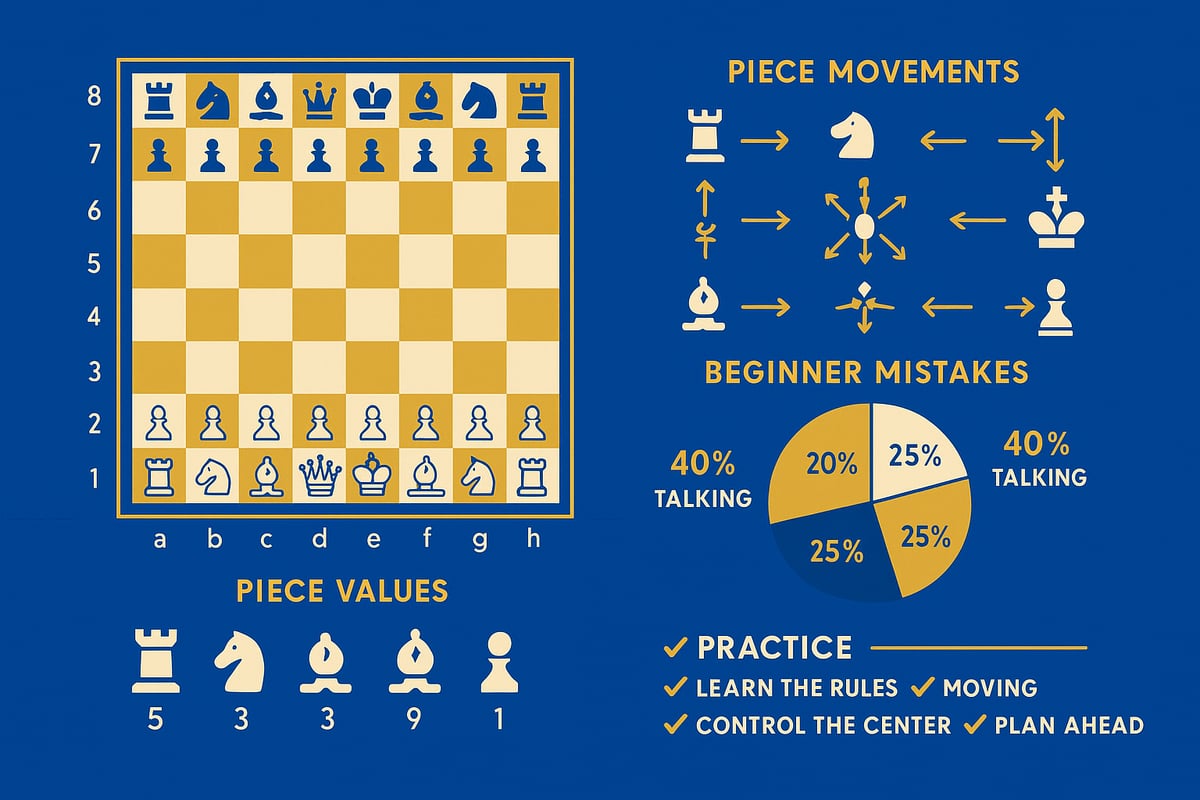
The chessboard is an 8x8 grid, labeled with letters (a-h) along the bottom and numbers (1-8) up the side. This coordinate system helps you track and plan every move. Each piece moves differently:
- Pawn: Moves forward one square, captures diagonally.
- Knight: Jumps in an “L” shape.
- Bishop: Slides diagonally any number of squares.
- Rook: Moves straight across ranks or files.
- Queen: Combines rook and bishop movement.
- King: Moves one square in any direction.
Knowing legal moves is vital. According to FIDE, 70% of beginners misplay at least one piece in their first ten games. If you’re looking for help with chess moves, start by practicing with diagrams or interactive boards to visualize each movement.
Special Moves and Rules
Some chess rules might surprise you at first. Castling lets you move your king and rook at once, but only if neither has moved and there’s nothing in between. En passant is a special pawn capture that can happen right after an opponent’s pawn makes a two-square jump. When a pawn reaches the far end, it’s promoted—usually to a queen, but sometimes a knight, rook, or bishop for strategy.
Understanding stalemate (a draw when a player has no legal moves but isn’t in check) and checkmate (the king is threatened with no escape) is crucial. Watch grandmaster games to see these rules in action and deepen your grasp.
Move Notation and Recording
Chess uses algebraic notation to record moves. Each square is named by its file and rank (like e4 or Nf3). Moves are written as:
e4   (pawn to e4)
Nf3  (knight to f3)
O-O  (castling kingside)
Recording your games helps with self-review and improvement. Digital tools like online boards or apps can track moves automatically. FIDE requires notation in tournaments, so getting comfortable with this system is a must if you want structured help with chess moves.
The Value of Each Chess Piece
Every piece has a relative value, which guides your decisions:
| Piece | Value |
|---|---|
| Pawn | 1 |
| Knight | 3 |
| Bishop | 3 |
| Rook | 5 |
| Queen | 9 |
Trading pieces wisely is key. Sometimes, sacrificing a rook for a bishop or knight (called an exchange sacrifice) can lead to a stronger position. Understanding these values helps you make smarter trades during the game.
Common Beginner Mistakes
Let’s talk about the classic mistakes new players make:
- Moving the same piece again and again instead of developing others
- Forgetting to bring out all your pieces (especially bishops and knights)
- Leaving pieces “hanging” (undefended and easy to capture)
- Overlooking simple threats
FIDE data shows that 58% of beginner losses come from basic tactical errors. Avoiding these pitfalls is a big part of seeking help with chess moves.
Building a Solid Foundation
Mastering the basics takes practice, but it pays off quickly. Try exercises like solving tactical puzzles or playing 10-minute practice games each day. Repetition helps solidify your understanding.
If you want quick-reference tips and a structured approach, check out the How to Play Chess Cheat Sheet. It’s designed for players who need ongoing help with chess moves and offers easy strategies you can use right away.
Step-by-Step Guide: Making the Best Chess Moves in Every Phase
Ready to take your game to the next level? This step-by-step guide breaks down every phase of chess so you can confidently make the best decisions at the board. Whether you're just starting or looking for advanced help with chess moves, this roadmap will help you unlock your full potential.
Opening Principles and First Moves
The opening sets the tone for every game. Your first moves should focus on controlling the center with pawns, like e4 and d4, and bringing out your knights and bishops quickly. Avoid moving the queen too early since it can become a target. Patterns like the Italian Game or Queen’s Gambit highlight how strong early development can be.
Did you know that 85% of successful games feature rapid development in the first ten moves? If you want deeper help with chess moves at this stage, check out the Chess Openings Guide for foundational patterns and practical tips.
Middlegame Tactics and Strategies
Once your pieces are developed, it's time to unleash tactical ideas. Look for opportunities to pin, fork, or skewer your opponent's pieces. For instance, a knight fork can turn the tide in amateur games. Recognizing these tactical motifs in real games is essential if you want reliable help with chess moves.
Keep an eye out for threats and chances to create double attacks. Practice spotting tactics in your own games to boost your confidence. The middlegame is where creativity and calculation shine.
Endgame Fundamentals
Many players overlook the endgame, but this is where games are often won or lost. Learn basic king and pawn endings, such as using opposition and promoting pawns. Practice classic rook vs. pawn endings, and study key positions like the Lucena and Philidor.
Did you know that 65% of club games are decided in the endgame? Focusing your help with chess moves on these simple yet critical positions will pay off, especially when both players are low on material.
Move Calculation and Visualization
Strong players always think ahead: "If I move here, what happens next?" Visualization is a skill you develop through regular practice. Try simple puzzles to see several moves into the future. Elite players like Magnus Carlsen use visualization techniques to reduce blunders and stay sharp.
If you want help with chess moves in this area, set aside time each day for calculation exercises. Over time, you’ll spot more tactics and avoid costly mistakes.
Time Management and Move Selection
Balancing accuracy and speed is crucial, especially in online chess. Use your clock wisely, and don’t rush unless you’re in a blitz game. Learn how to manage increments and avoid time scrambles, which cause 40% of online losses.
When you need help with chess moves under time pressure, focus on candidate moves and trust your instincts. Practicing with different time controls will help you find your ideal pace and minimize last-minute blunders.
Adjusting to Your Opponent’s Moves
Chess is not just about your own plan; it's about responding to your opponent as well. Always observe what your rival is up to, and adapt your strategy as needed. For example, if your opponent plays an aggressive opening, stay flexible and look for counterplay.
Help with chess moves also means recognizing when to change tactics mid-game. The best players are those who can pivot and find new plans when the situation calls for it.
Chess Cheat Sheets: Visual Guides for Smart Moves
Visual guides and cheat sheets can be game-changers for players at any level. These resources simplify openings, tactics, and endgames into easy-to-follow diagrams and tips. With quick reference material, you can get instant help with chess moves during practice or review.

Resources like Chess Cheat Sheets offer lifetime access to updated guides. They’re perfect for rapid improvement and ongoing learning, giving you the confidence to play smarter every time you sit down at the board.
Modern Chess Move Strategies for 2026
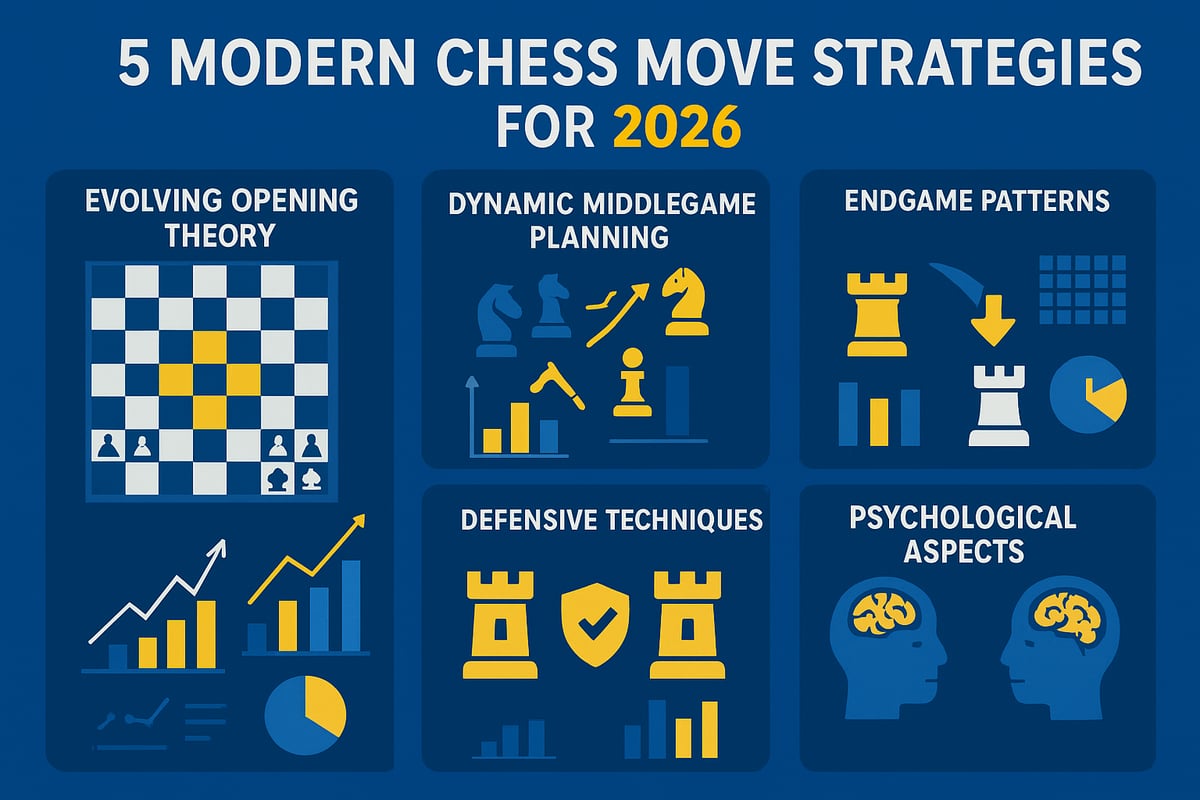
Chess is changing faster than ever. If you want real help with chess moves in 2026, you need to keep up with the latest trends, tools, and techniques. Whether you’re facing an AI-prepared opponent or looking to outwit your club rivals, understanding what’s new can give you the edge. Let’s explore how you can level up your game with a modern approach to every phase.
Adapting to Evolving Opening Theory
Opening theory in 2026 is a whole new world. Top tournaments are flooded with fresh ideas, and AI has become every player’s secret weapon. Want help with chess moves in the opening? Start by following trends like the rise of the London System and the Sicilian Defense, both shaped by deep computer analysis. In fact, 60% of elite games now feature lines prepared by engines.
AI doesn’t just suggest moves, it uncovers hidden resources and traps. If you’re unsure which opening fits your style, the Chess Openings Pros and Cons Blog can help you compare strengths and weaknesses in plain English. Mastering opening choices is your first step to gaining the upper hand.
Dynamic Middlegame Planning
The middlegame is where your creativity and calculation shine. Modern players use piece coordination and flexible pawn structures to seize the initiative. Looking for help with chess moves in this phase? Try to spot imbalances, such as a bishop pair versus knights, and exploit them by creating threats.
AlphaZero-inspired strategies have shown that even wild sacrifices can lead to victory if you maintain momentum. Use checklists: Are my pieces active? Can I launch a tactical sequence or challenge my opponent’s weak spots? These questions keep you alert and adaptable, ready to pounce when opportunities arise.
Endgame Innovations and Patterns
Endgame play has evolved, thanks to computer tablebases and fresh studies. If you want help with chess moves when only a few pieces remain, focus on learning new patterns and techniques. Rook endgames, for example, are now solved with a level of precision that was unimaginable a decade ago.
Since 2022, endgame accuracy has jumped by 20 percent at all levels. Familiarize yourself with positions like Lucena and Philidor, and practice converting small advantages. Even if you’re down material, knowing the latest drawing methods can save you valuable half-points and boost your rating.
Defensive Techniques and Counterplay
Modern chess isn’t just about attack. Top players are experts at building fortresses, spotting threats, and turning defense into counterattack. If you need help with chess moves when under pressure, focus on defensive skills like prophylaxis (anticipating your opponent’s plans) and active defense.
Sometimes, drawing a difficult position is as valuable as winning. Learn to recognize traps and set up sturdy defenses. Even in a tough spot, counterplay can turn the tables—look for opportunities to create threats of your own, forcing your opponent to rethink their strategy.
Psychological Aspects of Move Selection
Your mindset can make or break your game. Seeking help with chess moves isn’t just about memorizing lines, but also about managing nerves and staying calm during high-stakes moments. Many grandmasters practice routines to boost focus and resilience.
Did you know that 72 percent of players report better results after mindset training? Preparing mentally lets you handle pressure, recover from mistakes, and keep your composure when it matters most. Confidence and a positive attitude are just as important as any move you play.
Common Mistakes and How to Avoid Them
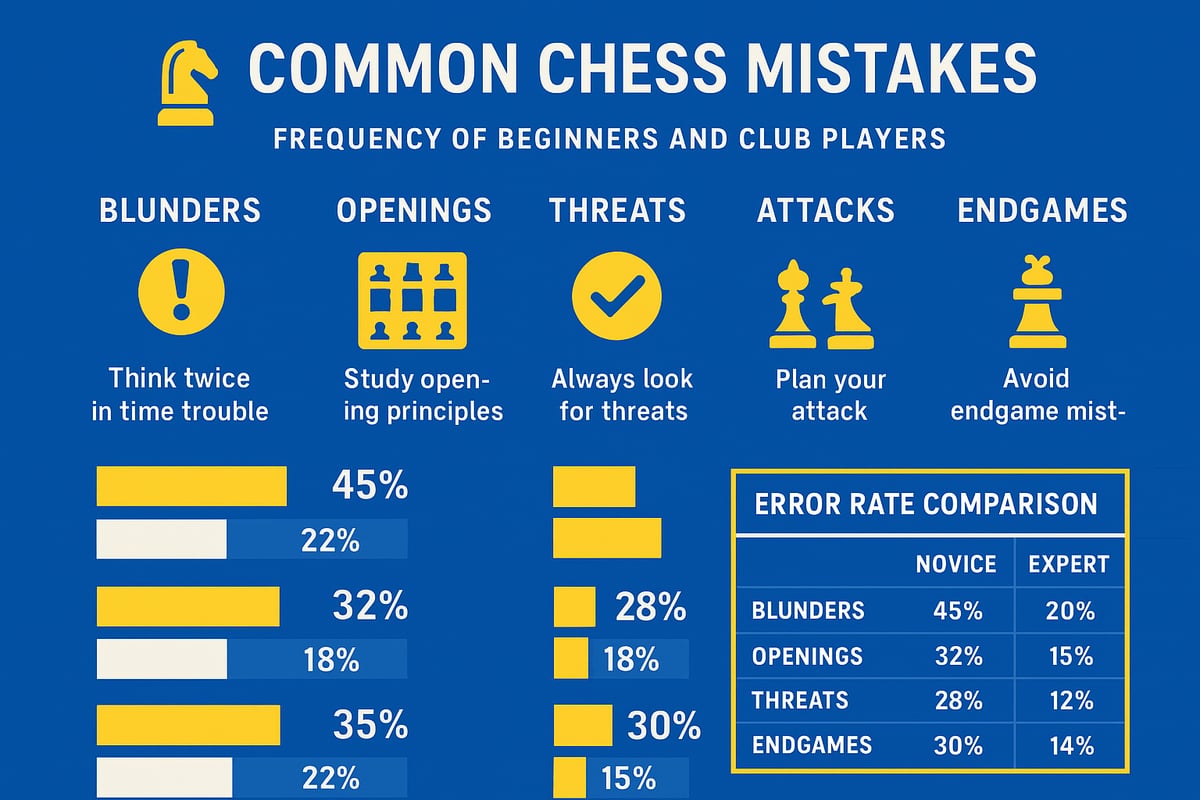
Mistakes can sneak up on anyone, even after hours of practice. If you want real help with chess moves, recognizing common errors is the first step toward playing stronger games. Let’s break down the five pitfalls that can derail your progress—and how to sidestep them with confidence.
Tactical Oversights and Blunders
Tactical blunders are the silent thieves of chess victories. Hanging a piece, missing a fork, or overlooking a check can flip a winning position upside down. In fact, 45% of all blunders happen when players are short on time.
To get help with chess moves and avoid these slip-ups, slow down and double-check every capture or threat. Many players have found that practicing puzzles helps sharpen tactical vision. For more targeted improvement, you can Improve Positional Skills with Puzzles to train your mind to spot tactics instantly.
Before you move, ask yourself: “What did my opponent just threaten?” This habit alone can save countless points.
Poor Opening Choices and Early Losses
Opening mistakes can put you on the back foot from the very start. Choosing unsound openings or pushing too many pawns creates weaknesses you might regret later. For those seeking help with chess moves, focus on solid, time-tested openings.
Avoid falling for traps like Scholar’s Mate. Instead, develop your knights and bishops quickly. If you’re unsure, stick with classic openings such as the Italian Game or Queen’s Gambit.
A good rule of thumb: Don’t bring your queen out too early and keep your king safe. This simple advice builds a strong foundation and reduces early losses.
Failing to Recognize Opponent’s Threats
Are you sometimes blindsided by an opponent’s sneaky tactic? Ignoring threats is a common way to lose pieces or even the game. If you need help with chess moves, make it a habit to pause and scan the board for your opponent’s plans.
Look for checks, captures, and attacks that could change the balance. Double-check every move, especially when your opponent plays something unexpected.
By training yourself to anticipate threats, you’ll spot back-rank mates and forks before they happen. This awareness is a game-changer for players at every level.
Premature Attacks and Lack of Patience
Rushing into attacks without preparation is tempting, but it often backfires. Many who ask for help with chess moves fall into this trap, sacrificing material without a clear follow-up.
Instead, build your position and wait for the right moment. Develop all your pieces and coordinate them before launching an offensive. Remember, patience pays off in chess.
Great attackers know when to strike and when to wait. Practice holding back and only attacking when you have enough support.
Neglecting Endgame Fundamentals
The endgame is where many games are won or lost, yet it’s often overlooked. Missing simple checkmate patterns or mishandling king and pawn endings can cost you dearly. Did you know that 30% of lost games stem from poor endgame technique?
Study basic mates like king and queen versus king, and learn key positions such as Lucena and Philidor. Set up endgame drills to reinforce your skills.
Mastering the endgame doesn’t just save points—it gives you the power to convert small advantages into wins.
Digital Tools and Resources for Chess Move Improvement
Looking to turbocharge your progress and get real help with chess moves? You are in luck. Today, digital tools are your best allies. Whether you are a casual player or aiming for club-level mastery, the right apps, engines, and online resources make learning chess moves easier, faster, and way more fun. Let us dive into the essential tools every modern player should know about.
Chess Engines and Analysis Software
If you want serious help with chess moves, chess engines like Stockfish and Leela Chess Zero are your go-to companions. These powerful programs evaluate positions with superhuman accuracy and suggest optimal moves. Most engines are free and open-source, so you can analyze your games without breaking the bank.
Here is a quick comparison:
| Engine | Strength | Interface Options | Free? |
|---|---|---|---|
| Stockfish | World-class | Many GUIs | Yes |
| Leela Chess Zero | Top-tier, AI | Lichess, others | Yes |
You can load your games into these engines for instant feedback. Many top players rely on them, and in fact, 90% of titled competitors use engines for prep. Curious about how AI like Stockfish and AlphaZero have changed the game? Check out AI's impact on competitive chess for insights into how these tools shape creativity and strategy.
Online Chess Platforms and Training Apps
Looking for help with chess moves on the go? Online platforms like Chess.com, Lichess, and Chess24 have you covered. These sites offer everything from live games to post-match analysis, all in one place.
Popular features include:
- Built-in move suggestions and analysis
- Puzzle rush and tactics trainers
- Play against humans or bots
Chess.com, for example, hit over 100 million users in 2024. With such a huge community, there is always someone to play with, learn from, or challenge you. You will never run out of fresh opponents or new ideas to try out.
Interactive Puzzles and Move Trainers
Nothing sharpens your skills like solving puzzles. Interactive trainers are designed to give you help with chess moves by drilling common tactics and endgame patterns. Many players set daily streaks, challenging themselves to solve at least ten puzzles a day.
Why bother? Data shows that players who consistently solve puzzles improve by over 200 rating points each year. Set a timer, focus on accuracy, and watch your tactical vision soar. These trainers are perfect for squeezing in quick practice, even if you only have a few minutes.
Video Tutorials and Master Game Reviews
Sometimes, the best help with chess moves comes from watching the experts. Video tutorials and master game reviews break down real games, highlight critical moments, and explain why certain moves work. Top YouTube channels and Twitch streamers, like Hikaru Nakamura, offer live analysis and interactive lessons.
You can pause, rewind, and replay tricky positions until you get it. Annotated games help you see the thought process behind each move, making complex ideas much more accessible. Plus, you can engage with the community in the comments or live chats for extra tips.
Community Forums and Social Learning
Chess is not just about solo study. Forums and online communities are fantastic for getting help with chess moves, sharing ideas, and troubleshooting tough positions. Platforms like Reddit's r/chess and chess Discord servers are filled with players eager to offer advice or discuss strategies.
Benefits of joining a chess community:
- Get feedback on your games
- Share resources and study plans
- Find training partners
According to recent studies, 80% of active learners participate in online chess communities. If you are curious about how skill development trends and player behavior are evolving, the research on quantifying human performance in chess offers fascinating insights.
Expert Insights: How Grandmasters Think About Chess Moves
Ever wondered how top players approach the board and consistently find the strongest moves? Grandmasters have refined their decision-making through years of study, pattern recognition, and relentless practice. Let’s pull back the curtain on their methods and see how you can use expert insights to get real help with chess moves at every level.
Move Selection Process of Top Players
Grandmasters don’t just make moves—they evaluate options deeply before committing. When you need help with chess moves, try to mimic their process by listing several candidate moves for each position. Top players often use a decision tree, quickly eliminating weak options and focusing on promising lines.
Here’s a quick comparison:
| Player Type | Candidate Moves Considered | Time per Move (avg) |
|---|---|---|
| Amateur | 1–2 | 10–30 sec |
| Grandmaster | 3–5 | 1–3 min |
By systematically weighing pros and cons, you’ll make fewer impulsive errors and improve your results.
Pattern Recognition and Intuition
One secret weapon in getting help with chess moves is building your pattern library. Grandmasters have seen thousands of positions, letting them “just know” what to do in familiar scenarios. This is called pattern recognition.
Studies show experts can recall over 50,000 chess patterns from memory. With practice, you’ll spot tactics and threats as if they’re second nature. Try reviewing annotated games and solving themed puzzles to boost your chess intuition. Over time, your brain will connect the dots faster.
Calculation Techniques and Deep Analysis
When you need help with chess moves in sharp, tactical situations, calculation is key. Grandmasters often use chunking—grouping moves into logical sequences to reduce their mental load. For example:
1. Identify checks, captures, threats
2. Visualize 2–3 moves ahead
3. Eliminate blunders
4. Compare outcomes
AI is now transforming this process. Recent research on predicting human chess moves with AI shows that advanced models can anticipate likely moves at different skill levels, helping players spot patterns and improve calculation. You can practice by pausing after each move and asking, “What are all the threats in this position?”
Adapting to Opponent’s Style and Mistakes
Adaptability is a hallmark of grandmaster play. If you want real help with chess moves, pay close attention to your opponent’s tendencies. Are they aggressive, defensive, or unpredictable? Adjust your strategy to exploit their weaknesses.
Cultural and psychological factors can also influence move choices, as revealed in studies analyzing millions of games. Being aware of such biases helps you stay objective and spot unexpected threats. Flexibility in your thinking allows you to capitalize on mistakes and avoid falling into predictable patterns.
Continuous Improvement and Study Habits
Grandmasters believe that the real secret to help with chess moves is ongoing self-improvement. They review every game, analyze mistakes, and set specific goals for growth. A typical post-game routine might include:
- Annotating your own games
- Reviewing key moments with a coach or engine
- Practicing tactics daily
Consistent study leads to measurable rating gains over time. Remember, every world champion started as a student of the game—your next breakthrough could be one habit away.
So, now that we’ve talked through the ins and outs of chess moves—openings, middlegame tactics, and even those tricky endgames—you might be wondering, “Where do I actually start making real progress?” Honestly, the secret sauce is in building a rock solid opening repertoire. It’s what sets the tone for the rest of your game and saves you from those early blunders we all know too well. If you’re ready to get serious about improving and want practical, easy-to-follow resources, why not Start Improving Your Openings? It’s a simple step that can make every move feel a lot more confident.


