

Have you noticed how chess is everywhere these days? Whether you are watching live tournaments online or solving daily puzzles on your phone, the chess world is more vibrant and competitive than ever.
To stay ahead, developing the right chess skills is crucial in 2026. The game is changing, and what worked in the past may not guarantee success now.
In this article, you will discover the seven essential skills that define top players today. From advanced tactics to mental resilience, get ready to level up and enjoy your journey in the modern chess landscape.

The Modern Chess Landscape in 2026
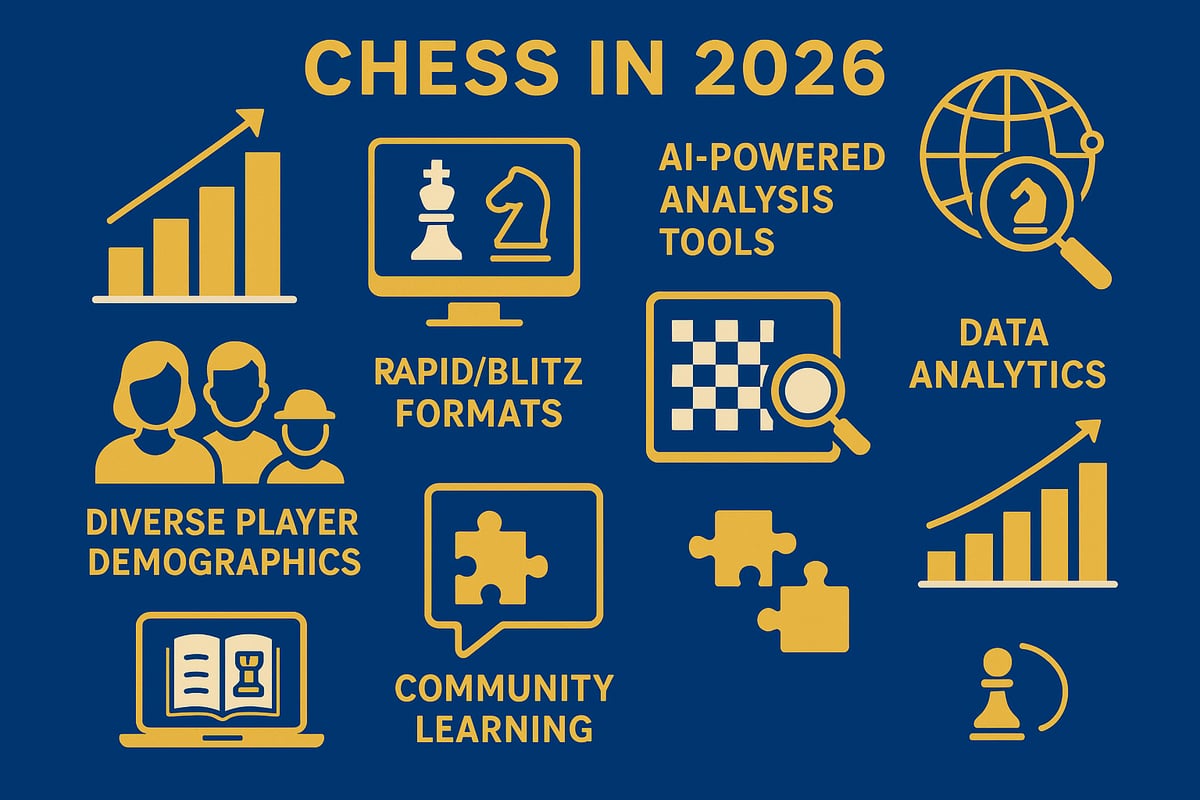
Chess in 2026 feels like a whole new world. So much has changed, especially for anyone looking to sharpen their chess skills. Technology, community, and competition have all leveled up, creating exciting opportunities and some fresh challenges.
The Digital Revolution in Chess
The digital boom has completely transformed how you approach chess skills. Online platforms connect millions of players worldwide, letting you play, learn, and analyze games anytime. AI-driven analysis tools now provide instant feedback, helping you spot mistakes and learn faster.
Apps offer real-time training, so you can practice tactics or openings right after a match. No matter your location, you have access to world-class resources, making chess more accessible than ever before.
Changing Competitive Standards
With so many resources available, the baseline for chess skills has skyrocketed. Players are stronger right from the start. Rapid and blitz formats are shaping how you train and compete, emphasizing quick thinking and adaptability.
These fast-paced games demand you make strong decisions under time pressure. Speed, flexibility, and the ability to switch gears quickly are now essential for success.
The Role of Data and Analytics
Big data is changing the way you prepare for opponents and study chess skills. Massive databases and AI engines help you analyze games, identify patterns, and uncover your strengths and weaknesses.
Personalized training plans are more common, letting you focus on areas that really matter. If you want to see how AI is used to predict moves and understand player performance, check out Predicting Human Chess Moves with AI. This high-tech approach is accelerating skill growth like never before.
Evolving Player Demographics
Younger, tech-savvy players are entering the chess scene and shaking things up. There is more diversity—players from all backgrounds and countries are making their mark. Community-driven learning is huge, with people sharing lessons, strategies, and game reviews on social platforms.
This collaborative spirit means you can learn from others, get feedback, and stay motivated on your chess journey.
Key Challenges and Opportunities
Information overload is real. With so many tools and resources, it is easy to feel overwhelmed. Balancing classical fundamentals with modern tactics can be tricky, but mastering both is crucial for well-rounded chess skills.
Still, the opportunities are endless. You can keep learning, improving, and adapting as the chess world evolves. Embrace these changes, and you will be ready for whatever comes next.
7 Essential Chess Skills Every Player Needs in 2026
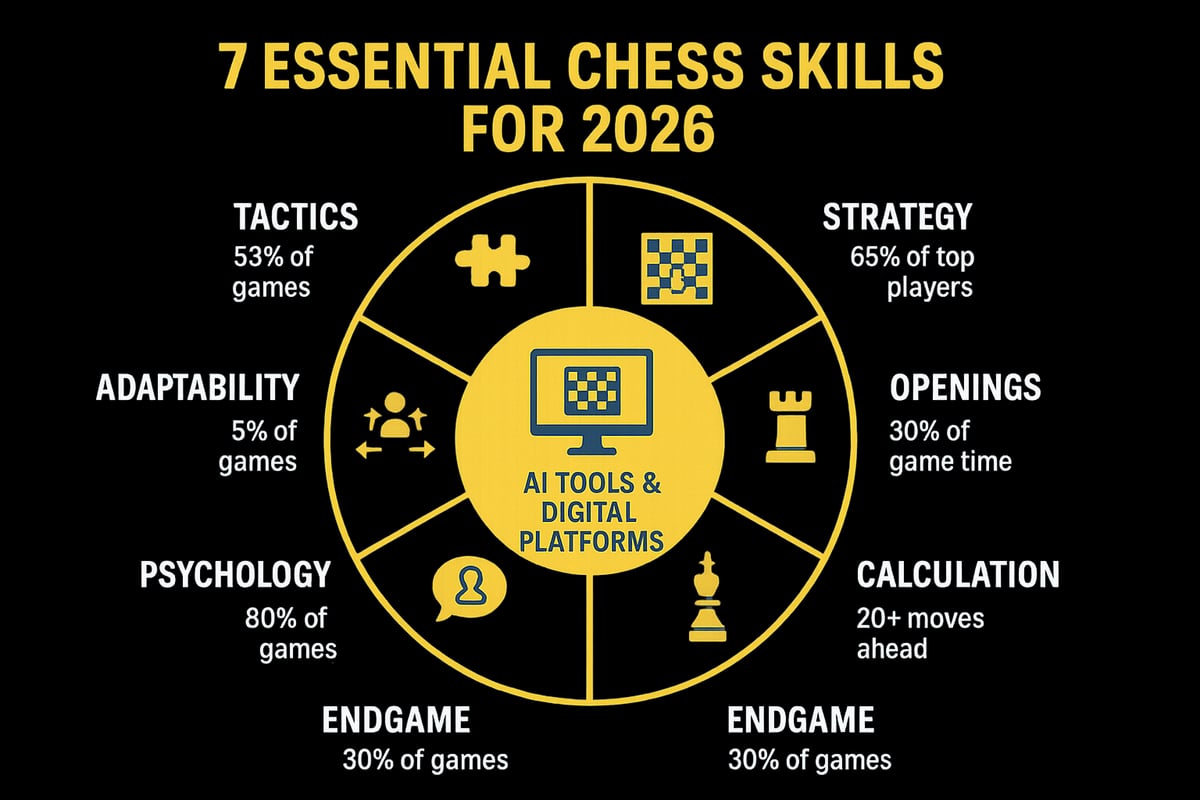
Chess in 2026 is more dynamic and challenging than ever. To thrive, you need to develop a new set of chess skills that go well beyond the basics. Let’s dive into the seven essential chess skills every modern player must master to stay ahead of the curve.
Advanced Tactical Awareness
If you want to outplay your opponents in 2026, advanced tactical awareness is non-negotiable. Modern chess skills demand more than just spotting a simple fork or pin. You need to recognize hidden motifs like discovered attacks, double threats, and intricate combinations that can turn the tide of a game in seconds.
AI-driven training platforms now offer thousands of puzzles tailored to your weaknesses. By solving at least 20 puzzles daily, studies from Chess.com show that players can boost their ratings up to 15% faster. That’s a huge edge when every rating point counts.
Common tactical patterns in 2026 include:
- Complex forks and double attacks, often missed in rapid formats.
- Pins and skewers that arise unexpectedly in dynamic positions.
- Discovered checks and attacks enabled by shifting piece coordination.
Visualization is just as important. Pattern recognition, enhanced by AI tools, helps you spot familiar tactical setups in unfamiliar situations. This is critical in online chess, where new openings and move orders constantly appear.
Ever watched a rapid game where a single missed tactic decides the outcome? The margin for error is razor thin. In online blitz, calculation depth and speed are vital chess skills. Missing one tactical shot can mean instant defeat.
To keep up, adapt your training to evolving tactical trends. Use puzzle rush modes, analyze tactical blunders from your games, and stay curious. The best players are those who never stop sharpening their tactical edge.
Strategic Planning and Positional Understanding
Mastering strategy and positional play is at the heart of successful chess skills. In 2026, the strategic landscape is richer and faster-paced, with engines and data accelerating how we learn and apply concepts.
Understanding pawn structures is essential. Weak squares, isolated pawns, and open files often dictate the flow of a game. You must weigh piece activity against material balance, sometimes sacrificing a pawn for dynamic play.
Multi-move planning sets top players apart. Instead of hunting for one-move threats, think in terms of long-term goals. For example, Magnus Carlsen is famous for outmaneuvering opponents with subtle plans, slowly improving his position until it’s overwhelming.
Here’s a table summarizing key strategic elements:
| Element | Impact on Game | Example |
|---|---|---|
| Pawn Structure | Directs strategy | Isolated queen’s pawn |
| Piece Activity | Creates threats | Rooks on open files |
| Weak Squares | Targets for attack | Outpost on d5 |
Engine analysis has changed how we approach strategy. You can now review your games with powerful tools, identifying both missed ideas and new possibilities. Flexibility is crucial—sometimes you need to shift plans mid-game as the position evolves.
Want to take your positional understanding further? Check out Improve Your Positional Skills for actionable ways to sharpen this key area of your chess skills.
Opening Mastery and Preparation
A rock-solid opening repertoire is a cornerstone of chess skills in 2026. With the explosion of online databases and engine analysis, memorizing lines isn’t enough. You need to understand the underlying ideas so you can adapt on the fly.
Build a dynamic repertoire that covers both classical and rapid formats. Use engine recommendations to spot the latest novelties, but don’t fall into the trap of rote memorization. Instead, focus on why moves are played—what are the strategic goals, and how do they fit into your overall game plan?
Remember the Queen’s Gambit surge after the Netflix series? Trends can shape the meta overnight, so staying updated is vital. According to a recent Lichess study, 80% of games among 1800+ rated players are decided by opening choices. That’s a staggering statistic, highlighting the importance of preparation.
Here’s how to keep your openings sharp:
- Regularly review your repertoire using online tools.
- Prepare lines for both classical and blitz time controls.
- Analyze games from top players to spot new ideas.
The best chess skills in openings combine flexibility with deep understanding. When you know the plans behind your moves, you’re ready for anything your opponent throws at you.

Calculation and Visualization Skills
Imagine playing a game where you can see three, four, or even five moves ahead in your mind’s eye. That’s calculation and visualization in action, and it’s one of the most vital chess skills for 2026.
Blindfold chess and visualization exercises have become more popular, with digital tools offering targeted training. Practicing these skills helps you hold complex positions in your head and calculate forced lines or candidate moves with confidence.
Hikaru Nakamura, known for his lightning-fast calculations, often shares his drills online. He visualizes entire sequences before making a move, avoiding common pitfalls like missing checks, captures, or threats.
Here’s a quick checklist for improving calculation:
- Practice visualizing moves without moving the pieces.
- Calculate both forced lines and alternative options.
- Use online trainers to time your calculations and track progress.
Even in strategic positions, calculation is key. Sometimes a quiet move hides a tactical resource only found through deep calculation. By integrating these exercises into your routine, you’ll develop chess skills that pay off in every phase of the game.
Endgame Technique and Conversion
If you’ve ever lost a winning position in the endgame, you know how painful it can be. Strong endgame technique is one of the most underrated chess skills, but it makes all the difference between a draw and a win.
Start by mastering fundamental endgames: king and pawn, rook, and minor piece endings. These scenarios pop up frequently, and knowing the theoretical drawing and winning zones gives you an instant advantage.
Endgame studies and targeted puzzles are great for practice. They teach you practical techniques, like cutting off the king or activating your rook. Digital trainers and tablebases now make it easy to check exact outcomes, so you can learn from both wins and losses.
Statistics from ChessBase reveal that 60% of amateur losses are due to poor endgame technique. That’s huge! Imagine how many points you could save by simply converting your advantages more efficiently.
Take inspiration from Carlsen’s World Championship endgames, where he grinds out wins from seemingly equal positions. By focusing on this phase, you’ll round out your chess skills and become a much tougher opponent.
Psychological Resilience and Focus
Chess is as much a mental battle as it is a strategic one. In 2026, psychological resilience and focus are indispensable chess skills for anyone aiming to compete at a high level.
Time pressure is a major challenge, especially in rapid and blitz formats. Developing routines for mental stamina, like breathing exercises and short breaks, can help you avoid blunders when the clock is ticking down.
Everyone faces losses. What sets strong players apart is how they bounce back. Maintaining motivation, even after a tough defeat, is a skill you can build over time. Pre-game preparation and a positive mindset make a huge difference.
Reading your opponent’s intentions is another layer of psychological warfare. Top grandmasters often sense shifts in their opponent’s confidence or focus, adjusting their strategy accordingly.
Online chess has changed the game here too. With distractions and the intensity of constant play, building psychological endurance is more important than ever. Make it part of your regular training and watch your chess skills reach new heights.
Adaptability and Continuous Learning
The chess world is evolving at breakneck speed, and adaptability is now a must-have among chess skills. Embracing new training methods, technologies, and feedback loops is the secret to staying competitive.
Regularly reviewing your games is one of the most powerful habits. Chess.com surveys show that players who analyze their games weekly gain over 100 rating points per year. That’s tangible proof that learning from your mistakes pays off.
Stay open to feedback from coaches, peers, and even online communities. The rise of chess streamers and collaborative analysis means you can learn from others in real time. Update your opening and endgame knowledge frequently to keep up with new trends.
Cultivating a growth mindset is the final piece of the puzzle. View every game—win or lose—as an opportunity to improve your chess skills. Adapt your training as you go, and you’ll set yourself up for lifelong success in chess.
Essential Tools and Resources for Skill Development
Whether you are just starting out or aiming for grandmaster, having the right tools is vital for developing chess skills in 2026. The digital landscape is full of resources that make improvement more accessible and enjoyable than ever. Let’s explore the essentials every modern player should know.
Digital Training Platforms
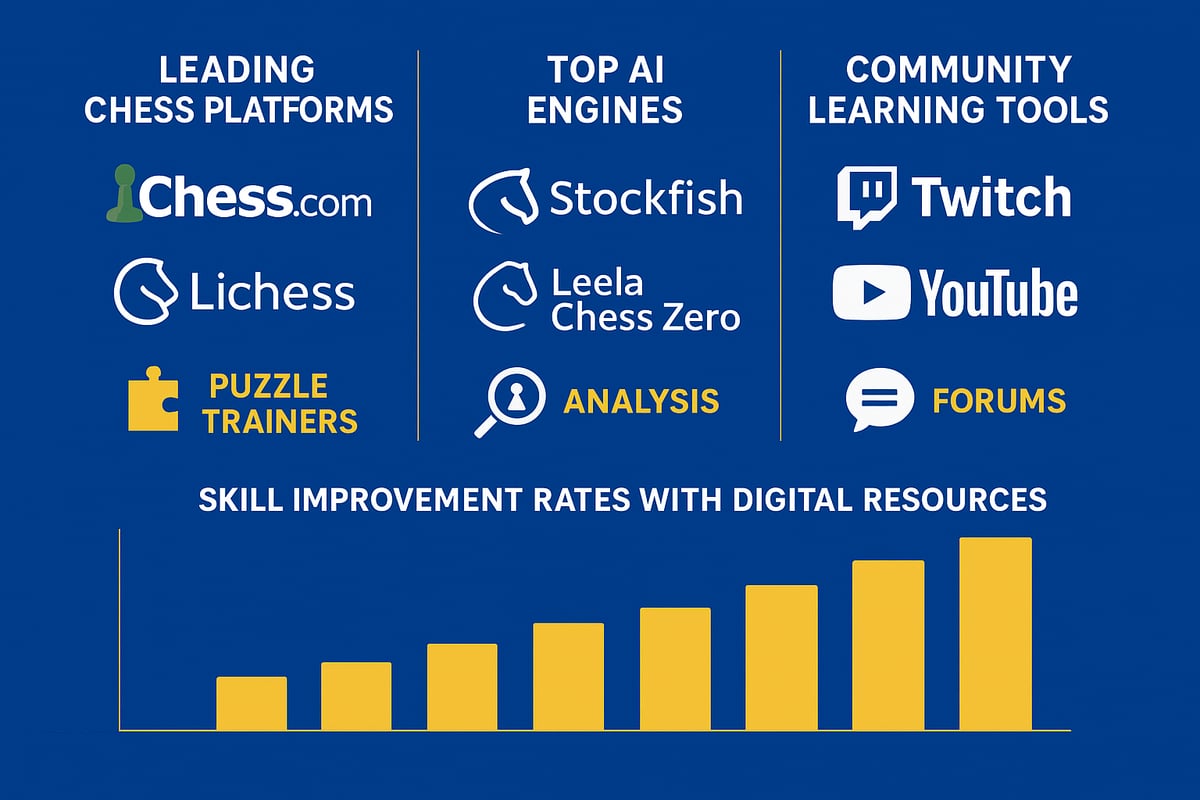
Online chess platforms are at the heart of skill development today. Sites like Chess.com, Lichess, and Chess24 offer everything you need to sharpen your chess skills. Their puzzle trainers, opening explorers, and game analysis tools help you practice tactics, study openings, and review your games with real-time feedback.
- Chess.com: Robust lessons, daily puzzles, and personalized game review.
- Lichess: Free access to a vast puzzle database and interactive studies.
- Chess24: Live commentary, opening videos, and grandmaster insights.
If you are looking for a quick way to build foundational chess skills, the How to Play Chess Cheat Sheet is a handy visual guide for beginners and intermediates.
AI and Engine Support
Artificial intelligence has changed how we train. Engines like Stockfish and Leela Chess Zero can analyze your games instantly, pointing out tactical errors and suggesting improvements. Using these engines wisely will elevate your chess skills without making you dependent on computer moves.
- Analyze your games for missed tactics and best moves.
- Explore engine-recommended lines in the opening and endgame.
- Use cloud-based trainers for targeted practice.
For focused endgame improvement, digital collections such as the Endgame Technique Collection offer structured puzzles and theory to reinforce your chess skills.
Community Learning and Content
Learning is more enjoyable with others. Community-driven resources like Twitch streams, YouTube lessons, and online forums make it easy to connect and grow your chess skills. Watching streamers break down games or joining forum discussions exposes you to new strategies and perspectives.
- Twitch: Live analysis, Q&A sessions, and interactive lessons.
- YouTube: Deep-dive tutorials, game breakdowns, and opening guides.
- Forums: Peer review, collaborative analysis, and friendly competition.
Sharing your own games and insights helps you internalize chess skills faster and keeps you motivated. The chess community is a powerful resource for anyone eager to improve.
Building a Personalized Chess Improvement Plan
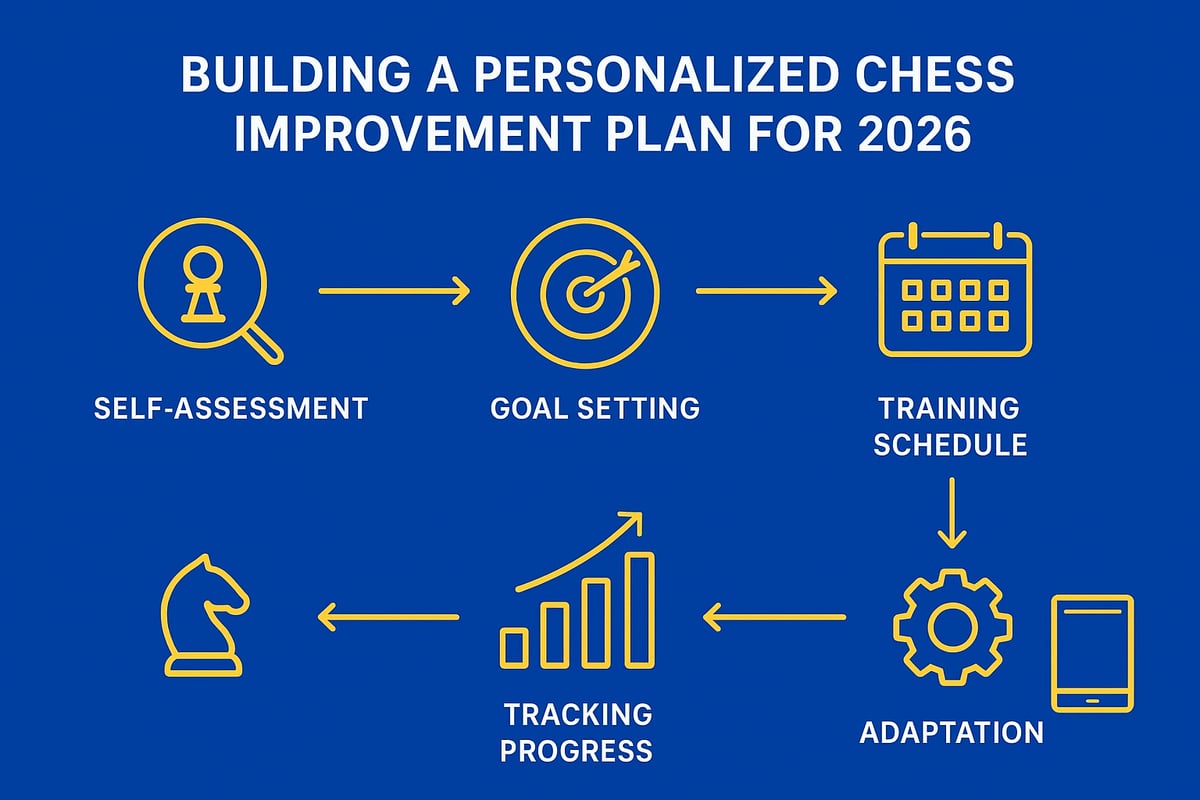
Ready to take your chess skills to the next level? Crafting a personalized improvement plan is the secret sauce that separates casual players from consistent winners. Let’s break down a step-by-step approach so you can start seeing real progress, no matter your current rating.
Assessing Your Current Skill Level
First, take a close look at your chess skills. Where do you shine? Where do you stumble? Use game reviews, online analysis tools, and honest reflection to pinpoint both strengths and weaknesses.
Try keeping a journal or spreadsheet of recurring mistakes and successful strategies. This self-awareness is the foundation for your entire improvement journey.
Setting Realistic Goals
Now, set clear and achievable goals for your chess skills. Think about what you want to accomplish in the next month, six months, and year.
It helps to break big goals into smaller milestones. For example, “Increase my rating by 100 points in three months” or “Master three new openings by summer.” Setting measurable goals keeps your motivation high and your progress tangible.
| Goal Type | Example | Time Frame |
|---|---|---|
| Short-term | Solve 10 puzzles daily | 2 weeks |
| Medium-term | Learn a new opening system | 1-2 months |
| Long-term | Improve rating by 200 points | 12 months |
Creating a Balanced Training Schedule
A solid plan mixes all areas of chess skills: tactics, openings, endgames, and game reviews. Balance is key.
Try allocating specific days or times to each skill. For example, puzzle training on Mondays and Thursdays, opening study on Tuesdays, and endgames on Fridays. Adjust the schedule based on results and personal preferences. Consistency beats cramming every time.
Tracking Progress and Staying Motivated
How do you know your chess skills are improving? Track your progress using rating graphs, performance stats, and feedback from peers or coaches. Celebrate small wins, like a rating jump or solving a tough puzzle.
Don’t be afraid to join online communities for encouragement and accountability. Research like Quantifying human performance in chess shows the value of monitoring improvement and adapting training for best results.
Adapting Your Plan Over Time
No plan should be set in stone. As you grow, your chess skills and needs will change. Review your goals and methods regularly.
Maybe you find endgames are now your weak spot, or perhaps you want to try new training tools. Stay flexible and update your approach as needed. Studies such as Playing off the curve - testing quantitative predictions of skill acquisition theories in development of chess performance highlight how adapting your plan is essential for long-term mastery.
So, after diving into these seven essential chess skills, you might be wondering, “Where do I even start?” Honestly, the quickest way to boost your game—especially with all the new trends in 2026—is to get really comfortable with your openings. Imagine having easy to follow guides right at your fingertips, so you can spend less time studying and more time playing (and winning). If you’re ready to make your opening moves as strong as your endgame, why not take the next step? You can Start Improving Your Openings right now and give yourself a real edge in your next match.


