

Have you noticed how fast chess education is changing? With technology, you can now access world-class lessons from anywhere, and learning with the right expert can give you a serious advantage in 2026.
This guide uncovers the 9 essential chess instructors who stand out for their unique teaching styles, features, and proven results. Whether you are a curious beginner or a seasoned player, these chess instructors can help you level up your skills.
We will explore top-rated platforms, private coaches, pricing, and what makes each option special. You will find out which instructor best matches your playing style and goals.
Ready to transform your game? Let’s dive in and discover how the right guidance can make all the difference.

Why the Right Chess Instructor Matters in 2026
The world of chess is evolving faster than ever. In 2026, you have access to tools and resources that were unimaginable just a few years ago. Online platforms and AI-powered learning have changed the way you find chess instructors, making expert guidance accessible from anywhere. No matter where you live, you can now join lessons, tournaments, and communities that bring together players from across the globe.
The Changing Landscape of Chess Education
The chess world has shifted dramatically thanks to online learning and smart technology. Chess instructors can now use AI-driven platforms to offer personalized feedback, analyze your games instantly, and connect you with a worldwide community. This means you are no longer limited by geography or time zones. Players of all ages can find the right guidance, whether through live sessions or interactive courses. Technology has made it possible for you to learn at your own pace with resources tailored just for you.
Key Qualities of Top Chess Instructors
Not all chess instructors are created equal. The best ones have proven records of helping students achieve real results. They know how to balance theory with practical play, blending tactical puzzles with deep strategy sessions. Great chess instructors also adapt to your learning style, whether you prefer visual aids, hands-on practice, or step-by-step explanations.
Here’s what to look for:
- Success stories from former students
- Ability to teach both tactics and strategy
- Flexibility for different skill levels
- Engaging teaching methods
By focusing on these qualities, you can find a coach who truly fits your needs.
How a Great Instructor Accelerates Progress
Working with skilled chess instructors can double your improvement rate, according to a 2023 Chess.com report. When you follow a structured lesson plan, you get feedback that helps you fix mistakes faster. For example, many students see their ratings jump after a few months of guided coaching. Having a mentor keeps you motivated, gives you accountability, and helps you set clear goals. This support can make the difference between slow progress and rapid breakthroughs.
Common Mistakes When Choosing a Chess Instructor
It’s easy to make mistakes when picking chess instructors. Some players choose a generalist when they really need a specialist in openings or endgames. Others ignore whether the coach’s style matches their own learning preferences. Underestimating the value of regular feedback is another common pitfall. If you want more personalized help, you can find chess coaches and clubs to match your specific needs and learning goals.
What to Look for in 2026
Looking ahead, the best chess instructors in 2026 will use AI analysis, offer real-time feedback, and build strong learning communities. Flexible formats like live, on-demand, or hybrid lessons will be the norm. You’ll want transparency in pricing and clear information about coach credentials. The right tools and support can make your chess journey smoother and more enjoyable.
9 Essential Chess Instructors to Boost Your Game in 2026
Ready to take your chess skills to the next level? In 2026, there are more ways than ever to learn from top chess instructors, whether you prefer online lessons, interactive apps, or one-on-one coaching. Let’s dive into the nine best options that can reshape how you study, play, and win.
Chess.com Lessons & Coaches
Chess.com is a powerhouse when it comes to chess instructors and resources. With both free and premium options (starting at $5/month), you get access to a massive lesson library, personalized lesson plans, and a roster of certified coaches.
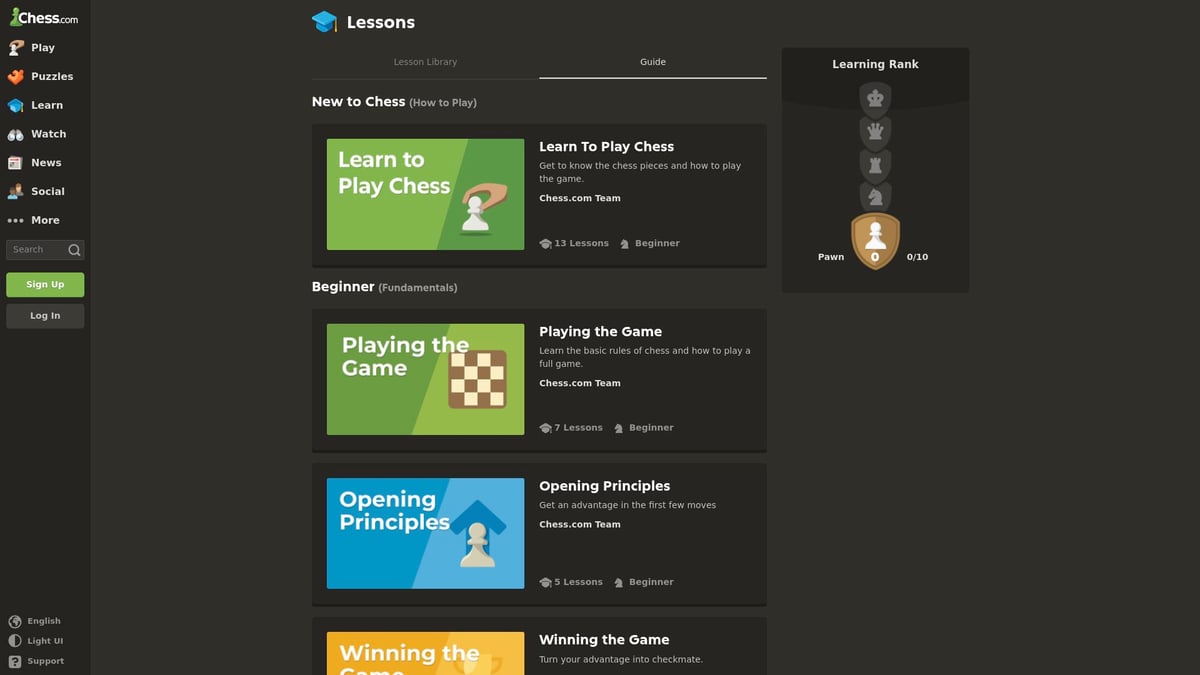
What really sets Chess.com apart is its AI-driven progress tracking and interactive puzzles. You can join the largest online chess community, compete in daily tournaments, and learn from a wide range of chess instructors with proven track records.
- Pros: Huge variety, active forums, advanced analytics
- Cons: Some premium content behind paywall
If you want a structured program with community support, Chess.com is ideal for everyone from beginners to advanced players. It’s a one-stop shop for chess instructors and interactive training.
iChess.net Elite Coaching
iChess.net offers a deep library of video courses led by grandmasters and renowned chess instructors. For $19.99/month (Pro membership), you get live webinars, exclusive member-only content, and downloadable resources.
This platform specializes in detailed exploration of openings, tactics, and endgames. While it leans more towards self-paced learning, the expertise of its chess instructors shines through in every lesson.
- Pros: Grandmaster content, exclusive resources
- Cons: Less direct interaction compared to live coaching
Intermediate and advanced players will appreciate the depth iChess.net offers. If you’re eager to master openings or dig into complex strategies, this is a strong pick.
Chessable
Chessable is famous for its science-backed MoveTrainer system, which uses spaced repetition to help you remember openings and tactics. You can start with free courses, but premium content ranges from $9.99 to $299.
What’s unique? Chessable’s interactive courses are created by top chess instructors and grandmasters, making it a favorite for self-learners. You can track progress, revisit tricky moves, and even supplement your studies with the Master chess openings guide for a structured approach to openings.
- Pros: Effective memorization, huge variety
- Cons: Some courses are expensive
Whether you’re a beginner or an advanced opening enthusiast, Chessable’s chess instructors and tech-driven platform make learning both efficient and fun.
Lichess Coaches
Lichess offers a direct connection to a global pool of chess instructors. Pricing varies, and many coaches provide free or budget-friendly lessons. There are no platform fees, so you negotiate directly with your instructor.
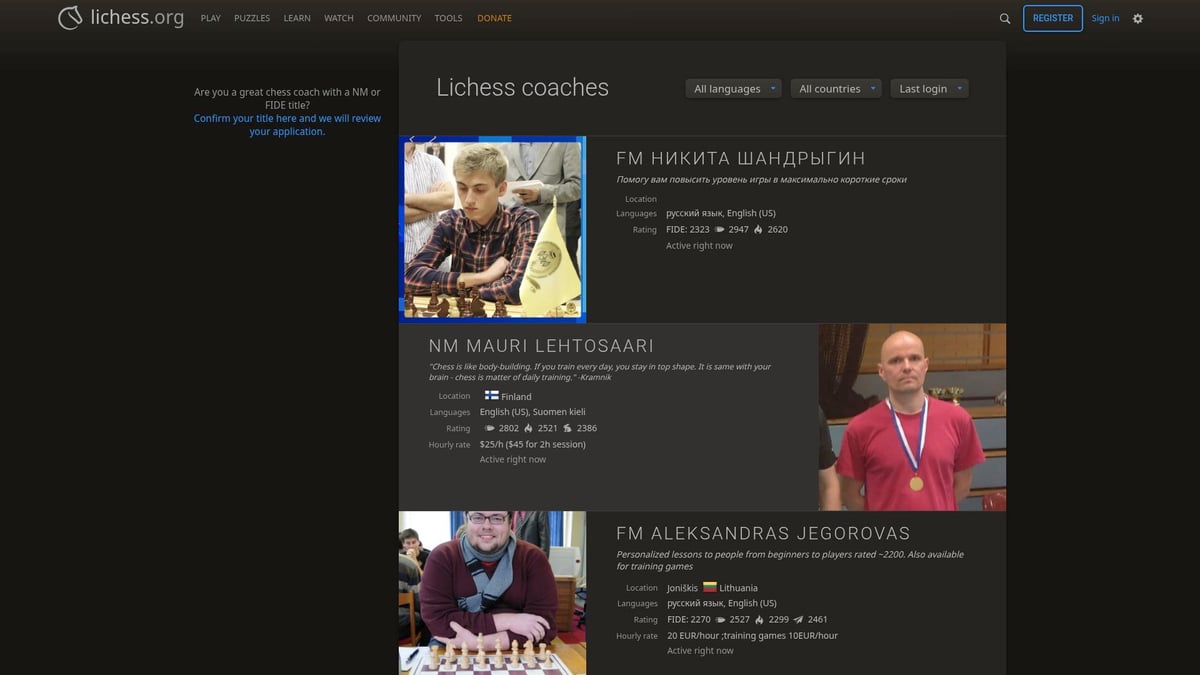
You can browse ratings, reviews, and teaching styles to find the perfect match. It’s a flexible way to get personalized feedback from chess instructors who suit your learning style and budget.
- Pros: Affordable, diverse coaching, direct contact
- Cons: Quality and structure can vary
For learners who want flexibility and control over their chess journey, Lichess Coaches are a fantastic option. It’s especially great if you want to try different chess instructors before settling on one.
ChessBase Fritz Trainer
ChessBase’s Fritz Trainer series gives you access to interactive video lessons, world-class trainers, and the powerful Fritz analysis engine. Courses start at $29.90, with bundles available for deeper study.
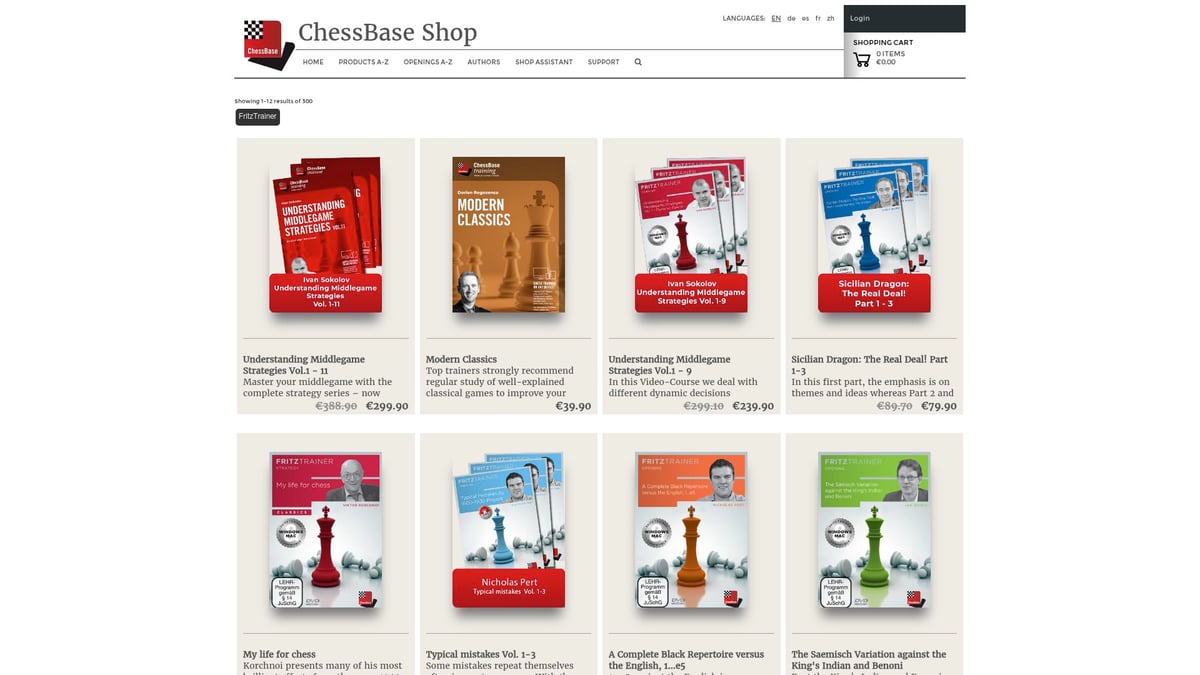
Advanced players and club competitors will love the analytical depth. The software integrates seamlessly with ChessBase, allowing you to analyze your games and follow along with expert chess instructors.
- Pros: Deep analysis tools, expert instruction
- Cons: Steeper learning curve
If you’re serious about improvement and comfortable with chess software, Fritz Trainer offers some of the most advanced resources among chess instructors today.
Internet Chess Club (ICC) Lessons
The Internet Chess Club, or ICC, is a historic platform that still attracts top chess instructors and titled players. Membership is $9.95/month, and private coaching rates vary.
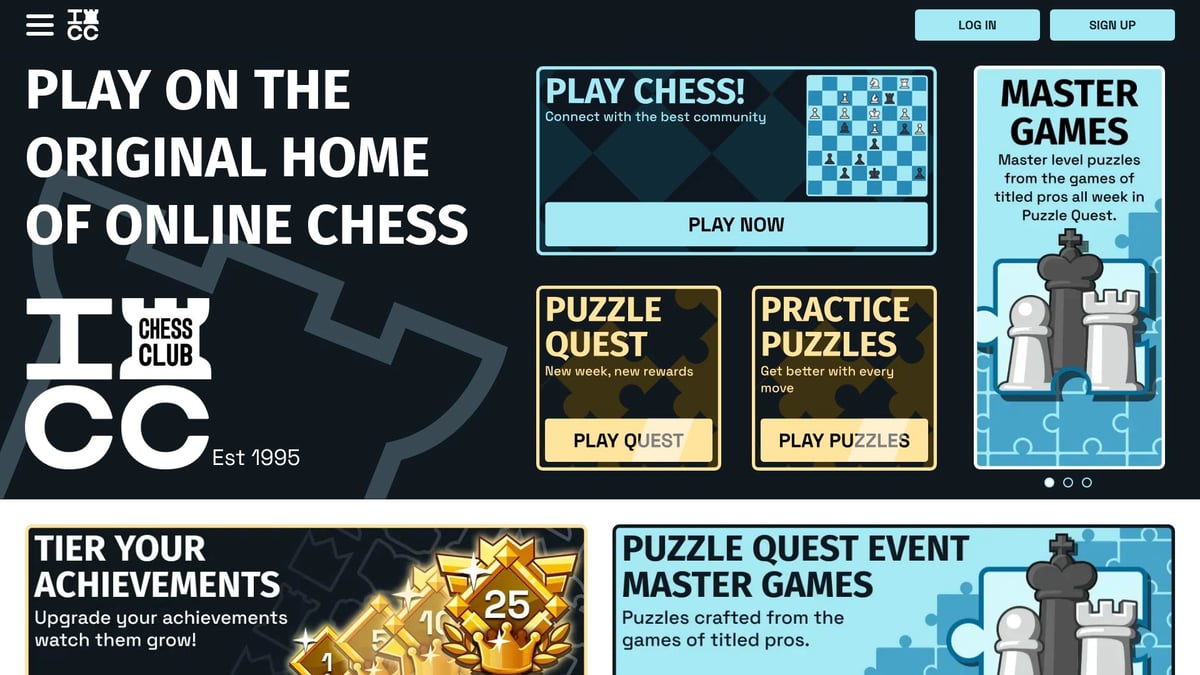
You’ll find live lessons, a vast video library, and a strong blitz and tournament community. ICC’s chess instructors are particularly popular among competitive players who thrive in an active environment.
- Pros: Live tournaments, strong community
- Cons: Interface feels dated, smaller instructor pool
If you love competition and want direct access to experienced chess instructors, ICC is a classic choice for intermediate and advanced students.
ChessMood Academy
ChessMood Academy stands out with its structured learning paths, live events, and supportive community. After a free trial, full access is $49/month, which includes regular Q&A sessions with grandmaster chess instructors.
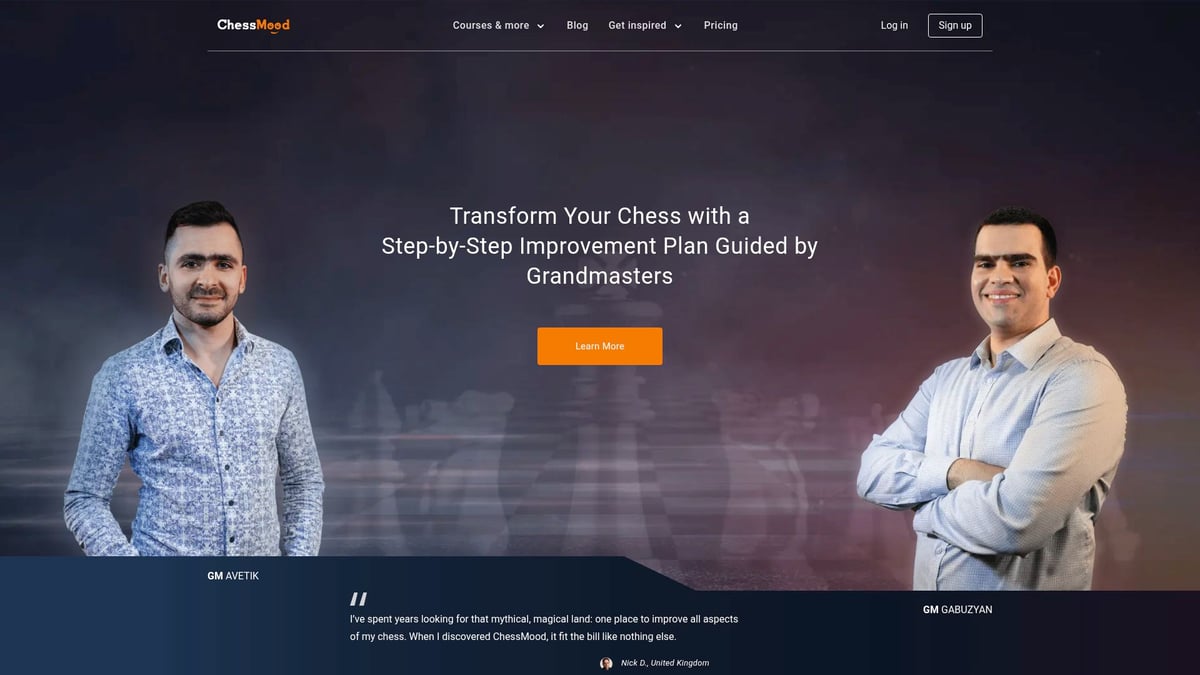
Lessons are organized step-by-step, making it easy to progress from beginner to club level. The community-driven approach keeps learners engaged, and the focus is always on practical improvement.
- Pros: Interactive, vibrant community
- Cons: Higher monthly cost
If you prefer guidance, accountability, and a sense of belonging, ChessMood’s chess instructors and curriculum offer a comprehensive path to steady growth.
Remote Chess Academy
Remote Chess Academy is a favorite for those who want mentorship and a holistic improvement plan. Courses start at $29, with personalized coaching packages available.
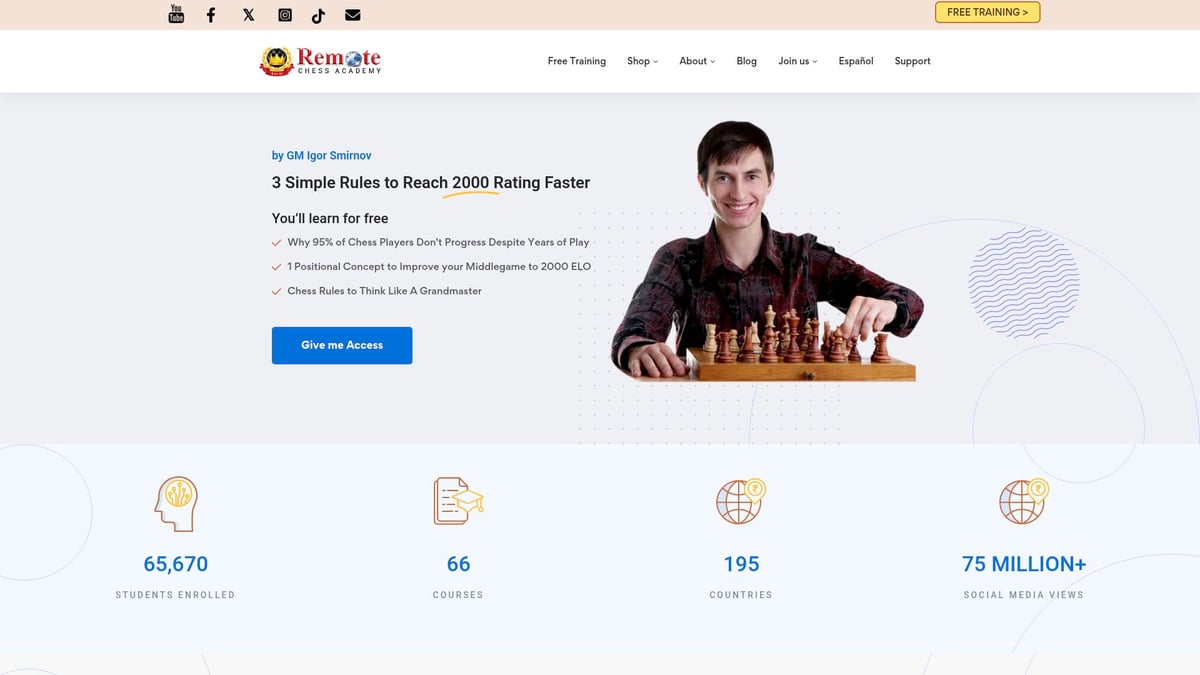
Their chess instructors focus on practical skills, not just theory, and they’re known for strong student success stories. You’ll get video courses, homework, and responsive support from experienced chess instructors.
- Pros: Practical focus, great support
- Cons: Limited advanced material
For beginners and intermediate players seeking a well-rounded approach, Remote Chess Academy’s chess instructors provide clear guidance and encouragement.
Chess Cheat Sheets
Chess Cheat Sheets brings a unique twist to learning. With visual cheat sheets, opening toolkits, and over 1.5 million puzzles, you get plug-and-play resources rather than traditional lessons with chess instructors. Free samples are available, and lifetime VIP access is just $20.
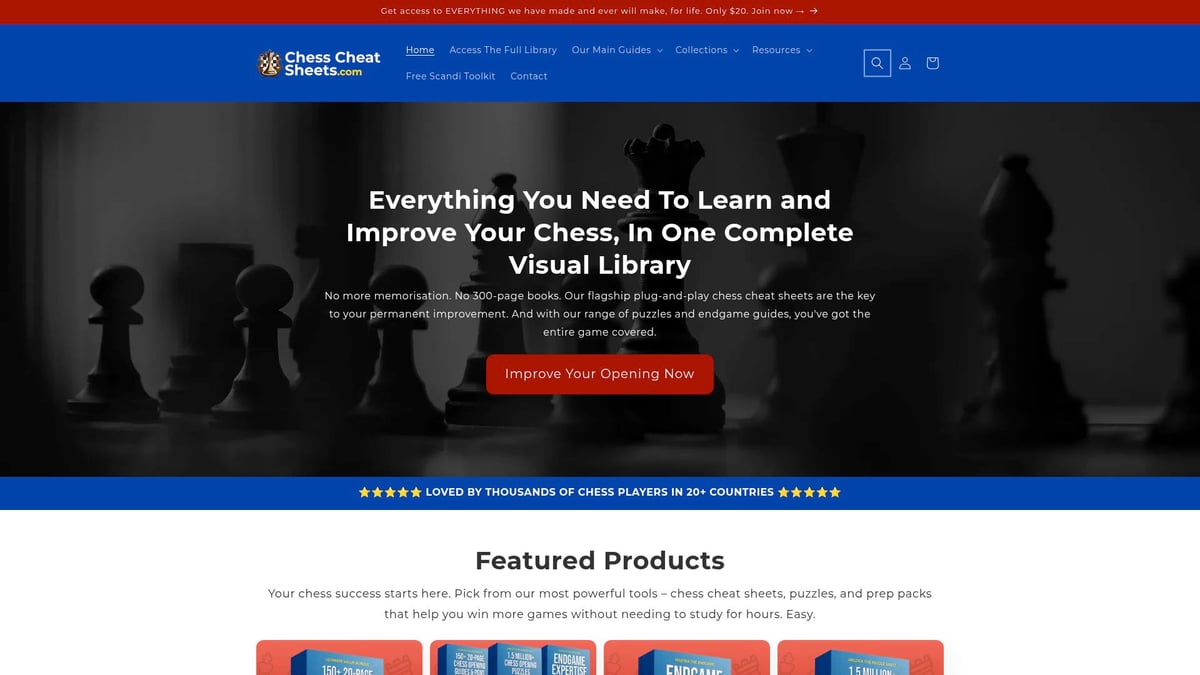
This platform is perfect for visual learners and those who prefer self-paced study. The instant reference guides make it easy to reinforce concepts without memorizing dense books.
- Pros: Affordable, lifetime access, visual focus
- Cons: Not centered on live coaching
If you like learning visually and want to supplement lessons with quick-reference tools, Chess Cheat Sheets is a game-changer for learners at any stage.
Comparison Table: 9 Essential Chess Instructors in 2026
| Platform | Pricing | Key Features | Best For |
|---|---|---|---|
| Chess.com | $5+/month | Lessons, AI, coaches, community | All levels |
| iChess.net | $19.99/month | GM videos, webinars, downloads | Intermediate/Advanced |
| Chessable | $9.99-$299/course | MoveTrainer, interactive, variety | All, especially openers |
| Lichess Coaches | Varies/free | Direct coaching, reviews | Budget, personalized |
| ChessBase Fritz | $29.90+/course | Video, analysis, Fritz engine | Advanced, club players |
| ICC | $9.95/month+ | Live, video, tournaments | Competitive, advanced |
| ChessMood Academy | $49/month | Structured, live, community | Beginners/Club players |
| Remote Chess Academy | $29+/course | Practical, mentorship | Beginners/Intermediate |
| Chess Cheat Sheets | $20 one-time | Cheat sheets, toolkits, puzzles | Visual/self-paced |
With so many options for chess instructors, you can tailor your learning to your budget, style, and goals. Think about which features matter most to you and start your journey to chess mastery with any of these top choices.
How to Choose the Best Chess Instructor for Your Needs
Choosing the right chess instructors can feel like picking a guide for an epic quest. The right mentor can make all the difference, turning confusion into clarity and helping you level up faster. If you want to get the most out of your chess journey in 2026, it's essential to match your needs with the best fit. Let's break down what matters most.
Assessing Your Skill Level and Goals
First things first, take a close look at your strengths and weaknesses. Are you struggling with openings, or do endgames trip you up? Maybe tactics are your weak spot, or you want overall strategic guidance. Knowing where you stand helps you communicate your needs to chess instructors and find someone who specializes in those areas.
If you're not sure where your skills need work, try taking a Chess openings quiz for learners. It can highlight your strengths and pinpoint gaps, making your conversations with potential instructors much more productive.
Think about your goals, too. Are you aiming for tournament wins or just hoping to outplay your friends? Your ambitions will shape which chess instructors are best for you.
Comparing Learning Formats
The way you learn can be just as important as what you learn. Some chess instructors offer live, interactive sessions, while others provide on-demand video courses or even a hybrid approach. Which style suits you best?
A club player might benefit from regular live coaching, while a busy professional might prefer self-paced lessons. In fact, a recent survey found that 60 percent of students prefer a mix of live and on-demand content, allowing for both flexibility and real-time feedback.
Use this insight to help you select chess instructors who match your preferred learning style, so you stay engaged and make steady progress.
Budget Considerations
Chess instructors come at all price points, from free resources to premium private coaching. Before you commit, weigh the cost against the value you expect.
Here's a quick comparison:
| Platform | Format | Typical Cost |
|---|---|---|
| Group Online | Live/Hybrid | $10–$50 per month |
| 1-on-1 Coaching | Live | $30–$100+ per session |
| Video Courses | On-Demand | $10–$299 (one-time) |
| Community Platforms | Hybrid | Free–$50 per month |
Consider whether a monthly subscription, a one-time payment, or lifetime access fits your budget. Some chess instructors offer free trials, which can help you compare value before making a decision.
Importance of Community and Support
Learning chess isn't just about lessons and puzzles. The best chess instructors often foster a sense of community, connecting you with peers, forums, and regular Q&A sessions.
Platforms with vibrant communities see higher student retention, as learners stay motivated through group events, study sessions, and shared successes. If you thrive on encouragement and accountability, look for chess instructors who offer access to active learning communities.
Ask yourself: Would you benefit from joining tournaments or study groups? If so, prioritize options that include these features.
Evaluating Instructor Credentials and Reviews
Finally, always check the credentials of any chess instructors you're considering. Look for titled players, positive student testimonials, and clear teaching experience. Transparency is key—avoid instructors who hide their qualifications or have poor communication.
For a broader perspective on what makes quality instruction, the FIDE Global Survey on Chess Education shares valuable insights into what students and educators value most. Use this knowledge to make an informed decision.
Take time to read reviews and, if possible, attend a trial lesson. The right match will feel supportive, motivating, and tailored to your unique journey.
Maximizing Results: Tips for Learning with Chess Instructors
Want to get the most out of your chess instructors? It is not just about taking lessons, it is about building habits, using the right tools, and staying motivated. Let us break down how you can turn every session into real progress.
Setting Realistic Expectations and Tracking Progress
Before you dive in, ask yourself, what do you want to achieve with your chess instructors? Maybe you are aiming to boost your rating, master openings, or win your next tournament. Whatever it is, set clear, measurable goals. Use built-in analytics or simple spreadsheets to track your wins, losses, and areas for improvement.
Celebrate small victories along the way to stay motivated. If you want more insights into how chess education is transforming, check out the Chess in Education Tipping Points 2025 report for trends and tips.
Active Participation and Practice
Learning from chess instructors is only half the battle. The real magic happens when you actively solve puzzles, play practice games, and review your mistakes. Do you want to sharpen your positional skills? Try integrating puzzle-solving into your routine.
For a practical guide, see how you can improve with chess puzzles to reinforce what you learn in lessons. Remember, hands-on practice accelerates improvement.
Leveraging Technology for Better Learning
Modern chess instructors often recommend technology to supercharge your learning. Use AI-powered analysis tools to review games, explore mobile apps for on-the-go study, or try spaced repetition systems to master tricky openings.
Platforms like Chessable’s MoveTrainer or Chess.com’s analytics make it easy to see your progress. By combining instructor guidance with smart tech, you will maximize every lesson.
Building a Consistent Study Routine
Consistency is the secret sauce. Schedule regular lessons with your chess instructors and set aside time for self-study. Think of it like going to the gym: you would not expect results from one workout, right?
Try creating a weekly plan. For example:
Monday: Lesson review
Wednesday: Tactics practice
Friday: Play & analyze a game
Sunday: Study openings
Stick to your plan and you will see steady progress.
Seeking Feedback and Adjusting Your Approach
Ask for feedback from your chess instructors and peers regularly. Honest input helps you spot weaknesses and adapt your approach. If you feel stuck, do not hesitate to tweak your study methods.
Sometimes, a small change in how you practice or the type of feedback you request can make a big difference. Stay open to new strategies and keep refining your process.
Staying Motivated and Avoiding Burnout
Staying motivated is just as important as learning theory. Celebrate milestones, no matter how small. Join online tournaments or participate in chess communities to keep it fun and social.
Many players find that sharing their journey with others keeps them engaged. If you ever feel your motivation dipping, revisit your goals and connect with like-minded learners.
So, after diving into these 9 game-changing chess instructors for 2026, you might be wondering—what’s the next step to actually level up your play? If you’re like me, openings can really set the tone for the whole game (and sometimes leave you scratching your head when things go off script). Why not give yourself an edge right at the start? You can Start Improving Your Openings with handy, visual guides that make complicated positions feel way more manageable. Trust me, a solid opening can boost your confidence and set you up for those wins you’ve been chasing!


