

Have you ever wondered what separates casual chess players from true masters? The answer often lies in understanding the proven sequences found in every classic book of chess moves. Whether you are just starting out or aiming for tournament glory, knowing which moves to study can be a game-changer.
This article uncovers nine essential book of chess moves that every player should read. You will discover why these moves are the foundation of grandmaster strategy, how they shape your tactical vision, and which timeless books hold the keys to chess mastery. Ready to level up your game? Let’s dive in.

The Importance of Studying Chess Moves from Books
Have you ever wondered why so many top players still turn to a book of chess moves, even with endless videos and apps at their fingertips? There’s something undeniably powerful about flipping through pages filled with timeless strategies, annotated games, and the distilled wisdom of generations of grandmasters.
Why Books Still Matter in Chess Learning
Books offer a depth and structure that’s hard to find in short online tutorials or app-based lessons. Unlike quick video tips, a book of chess moves guides you through opening principles, middlegame plans, and endgame techniques in a logical sequence. This structure helps you build a solid foundation, rather than just memorizing isolated tricks.
Chess literature, from classics to modern works, preserves the insights of legendary grandmasters. Their games and commentary are captured in detail, allowing you to revisit and learn from their thinking process. This is a tradition that digital content can rarely match.
The Power of Annotated Moves and Commentary
One of the biggest advantages of using a book of chess moves is the presence of annotated games. Annotations break down the "why" behind each move, making complex positions understandable even for newer players. Did you know that players who study annotated games improve their rating 30% faster, according to chess.com surveys?
Let’s look at a quick comparison:
| Learning Method | Improvement Rate | Context Provided | Depth of Analysis |
|---|---|---|---|
| Books (with annotation) | 30% faster | High | Deep |
| Apps/Videos | Baseline | Low-Medium | Shallow-Moderate |
Books also give you the chance to slow down, replay moves on a real board, and truly absorb each lesson. If you’re curious about how to get the most from this approach, check out this How to study chess moves from books guide for practical tips.
Structured Learning and Pattern Recognition
Many world champions, including Magnus Carlsen and Garry Kasparov, credit their early growth to studying a book of chess moves. Books provide not just a list of moves, but a comprehensive context for every decision. This helps you develop pattern recognition and strategic foresight, which are crucial for spotting tactics and planning ahead.
Some people think books are outdated or too dense, but the reality is, modern chess books are more accessible than ever. They often feature diagrams, step-by-step commentary, and exercises that make learning engaging and effective.
By immersing yourself in a book of chess moves, you’re not just memorizing openings—you’re building the mental toolkit needed to elevate your play for years to come.
9 Essential Book Of Chess Moves Every Player Should Read
Mastering chess is a journey, and every journey needs a map. Think of this section as your personal map to the nine most influential moves every player should know. Each move is more than a sequence; it’s a story told in every classic and modern book of chess moves you’ll ever study. Let’s dive in and see how these timeless openings can transform your game.
The Queen’s Gambit: d4 d5 c4
The Queen’s Gambit is often the first move sequence you’ll encounter in any respected book of chess moves. Why? Because it lays the foundation for understanding central control, development, and flexibility. When you play 1.d4 d5 2.c4, you’re immediately challenging your opponent’s grip on the center, asking them to make choices that shape the rest of the game.
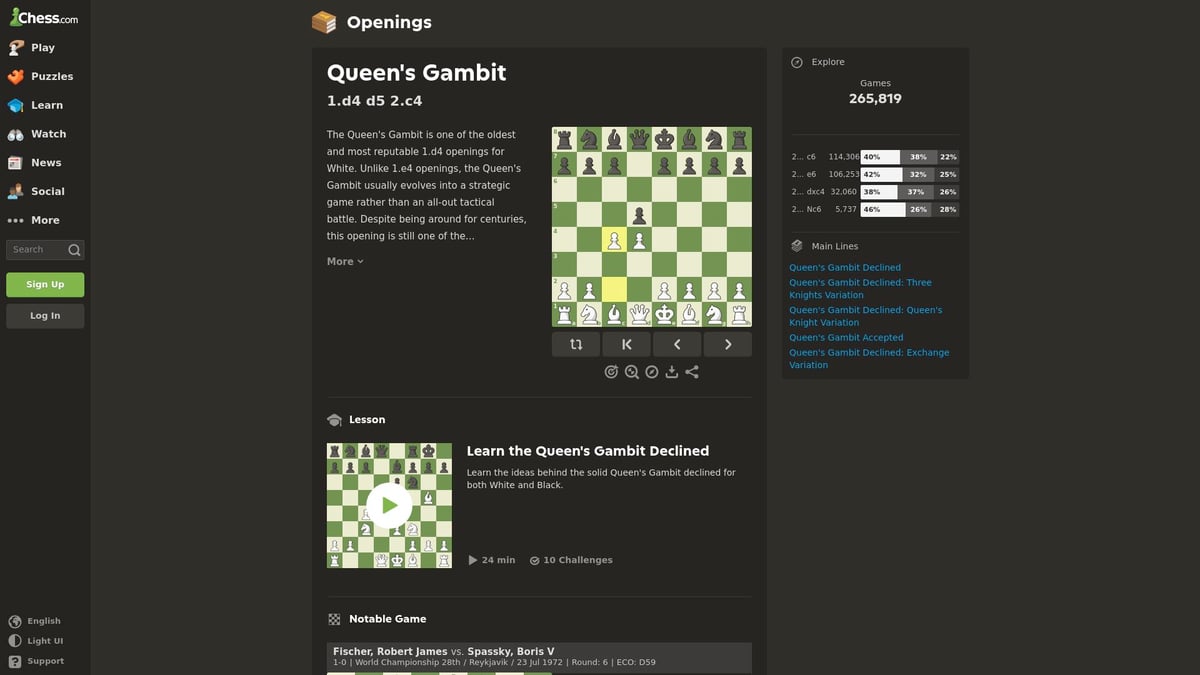
This opening has a rich history. Legends like Capablanca, Alekhine, and more recently, Magnus Carlsen, have all used the Queen’s Gambit to great effect. The move sequence offers options: you can aim for the Queen’s Gambit Accepted, or steer into the Queen’s Gambit Declined, each with its own strategic flavor.
A classic reference for the Queen’s Gambit is "My System" by Aron Nimzowitsch, which breaks down the core ideas behind these moves. If you want a more modern, practical guide, the Queen's Gambit chess opening guide is loaded with diagrams and step-by-step plans. Studying this move in a book of chess moves helps you grasp the importance of pawn structure and piece activity from the very start.
Understanding the Queen’s Gambit isn’t just about memorizing moves. It’s about learning how small decisions early on can echo throughout the game. That’s why every serious player should make it a priority in their book of chess moves.
The Sicilian Defense: e4 c5
If you’re looking for excitement, the Sicilian Defense is the move you’ll see again and again in any dynamic book of chess moves. After 1.e4 c5, the game quickly branches into a world of sharp tactics and double-edged positions. It’s no wonder over 25% of grandmaster games begin with this defense.

What makes the Sicilian so popular? It’s the promise of unbalanced positions, giving both sides chances for creativity and counterplay. The Najdorf, Dragon, and Scheveningen variations each offer their own flavor—do you want wild kingside attacks or deep positional battles?
John Nunn’s "The Sicilian Defense" is a staple in any serious book of chess moves, providing insight into both the main lines and the subtle sidelines. When you study annotated games, you’ll notice how players like Garry Kasparov and Bobby Fischer made the Sicilian their weapon of choice.
For both White and Black, understanding the Sicilian is about more than just memorizing lines. It’s about developing an instinct for tactics, timing, and the importance of piece activity. If you want to truly elevate your game, your book of chess moves should include deep dives into the Sicilian.
The Ruy López: e4 e5 Nf3 Nc6 Bb5
The Ruy López, also known as the Spanish Opening, is a cornerstone in every classic book of chess moves. After 1.e4 e5 2.Nf3 Nc6 3.Bb5, the tension in the center starts to build, and both players must decide how to handle it.

Why has the Ruy López lasted for centuries? It’s because of its flexibility. The opening creates immediate pressure on Black’s e5 pawn, while leaving room for quiet maneuvering and sudden tactical shots. "Ruy Lopez: Move by Move" by Neil McDonald is a fantastic resource, breaking down each idea with clear explanations.
This move sequence is packed with famous traps and motifs. Think of the Morphy Defense or the Marshall Attack—each one a story told in every serious book of chess moves. Legendary games like Fischer vs. Spassky in 1972 showcase the depth that can arise from this opening.
If you want to improve your pattern recognition and strategic planning, you’ll find the Ruy López an essential chapter in your book of chess moves.
The French Defense: e4 e6
The French Defense is the very definition of solid and resilient. When you see 1.e4 e6 on the board, you know both players are in for a strategic battle. This move is a mainstay in every comprehensive book of chess moves, especially for those who prefer counterattacking from a strong base.
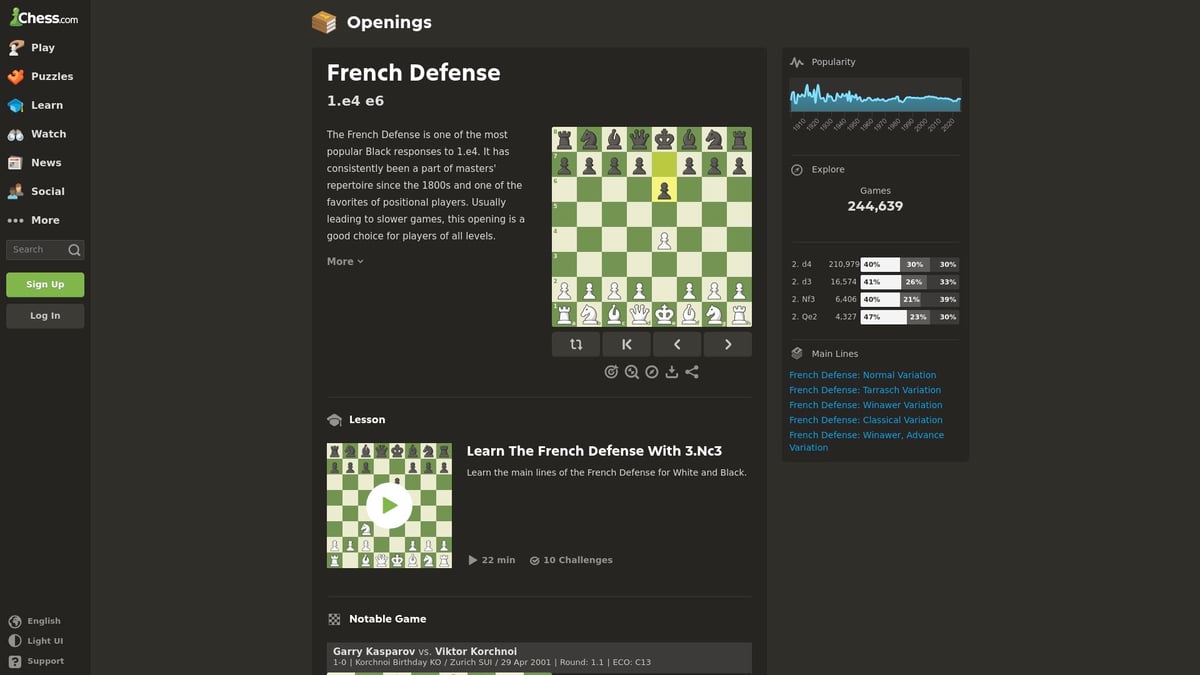
What makes the French so appealing? It’s the unique pawn structures it creates, often leading to locked centers and dynamic play on the flanks. Hannes Langrock’s "French Defense: The Solid Rubinstein Variation" is a must-have book of chess moves for understanding the subtleties of this opening.
Typical plans in the French Defense revolve around counterplay on the queenside and timely pawn breaks. But beware—there are common pitfalls, like mishandling the light-squared bishop or falling behind in development. Studying annotated games by Korchnoi and Petrosian can help you avoid these traps.
If you want to expand your strategic toolbox, the French Defense deserves a place in your book of chess moves, offering lessons in patience and precise planning.
The Caro-Kann Defense: e4 c6
The Caro-Kann Defense is the choice for players who want a rock-solid position without conceding all the fun. After 1.e4 c6, you’re not just following a script—you’re building a fortress with room for creative counterplay. Every well-rounded book of chess moves dedicates space to this opening.
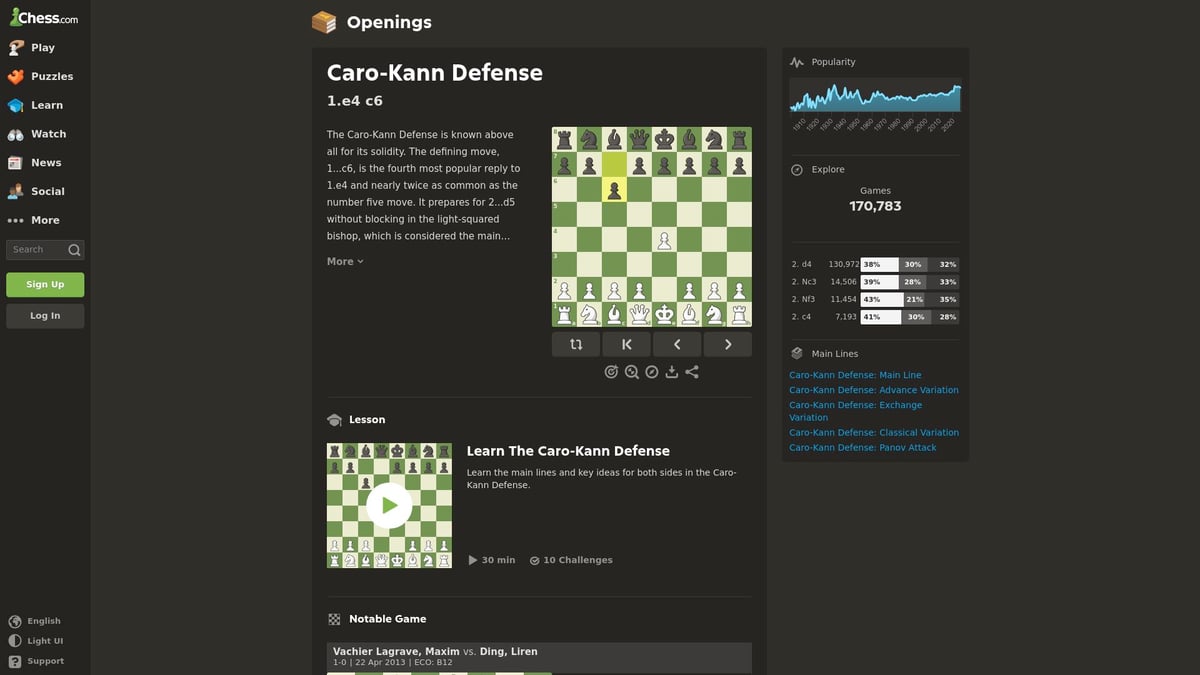
What sets the Caro-Kann apart? It’s the reliable pawn structure and the promise of a safe king. "The Caro-Kann: Move by Move" by Cyrus Lakdawala is a go-to book of chess moves for learning the key plans and move orders.
Capablanca, one of the greatest world champions, famously used the Caro-Kann to neutralize aggressive opponents. The opening gives Black time to develop without immediate risks, but also leaves the door open for later counterattacks.
If you appreciate a blend of stability and hidden energy, the Caro-Kann should be a staple in your book of chess moves.
The King’s Indian Defense: d4 Nf6 c4 g6
Ready for fireworks? The King’s Indian Defense is the ultimate test of nerves and imagination. After 1.d4 Nf6 2.c4 g6, Black signals a willingness to play for a win, no matter the odds. You’ll find this move featured in every ambitious book of chess moves.
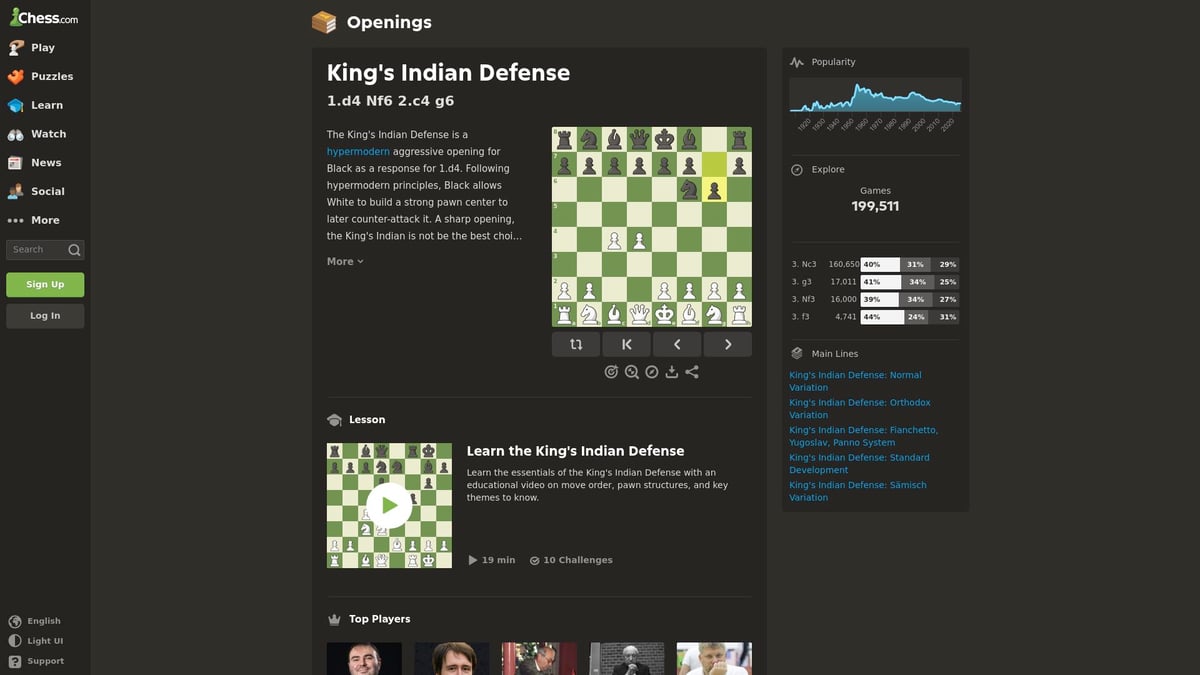
The King’s Indian is all about kingside attacks and dynamic pawn storms. "King’s Indian Defense: Move by Move" by Sam Collins is a fantastic book of chess moves for unraveling the mysteries of this aggressive opening.
Kasparov and Fischer, two of the most creative minds in chess, made the King’s Indian their signature weapon. The opening teaches you to embrace imbalances and look for opportunities where others see only chaos.
Typical middlegame plans involve pushing pawns, sacrificing material, and launching attacks against the enemy king. If you love thrilling battles, the King’s Indian Defense is a must-study in your book of chess moves.
The Italian Game: e4 e5 Nf3 Nc6 Bc4
If you’re just starting out, the Italian Game is your invitation to classical chess. After 1.e4 e5 2.Nf3 Nc6 3.Bc4, you’re following in the footsteps of centuries of masters. Every introductory book of chess moves highlights the Italian Game for its clarity and attacking potential.
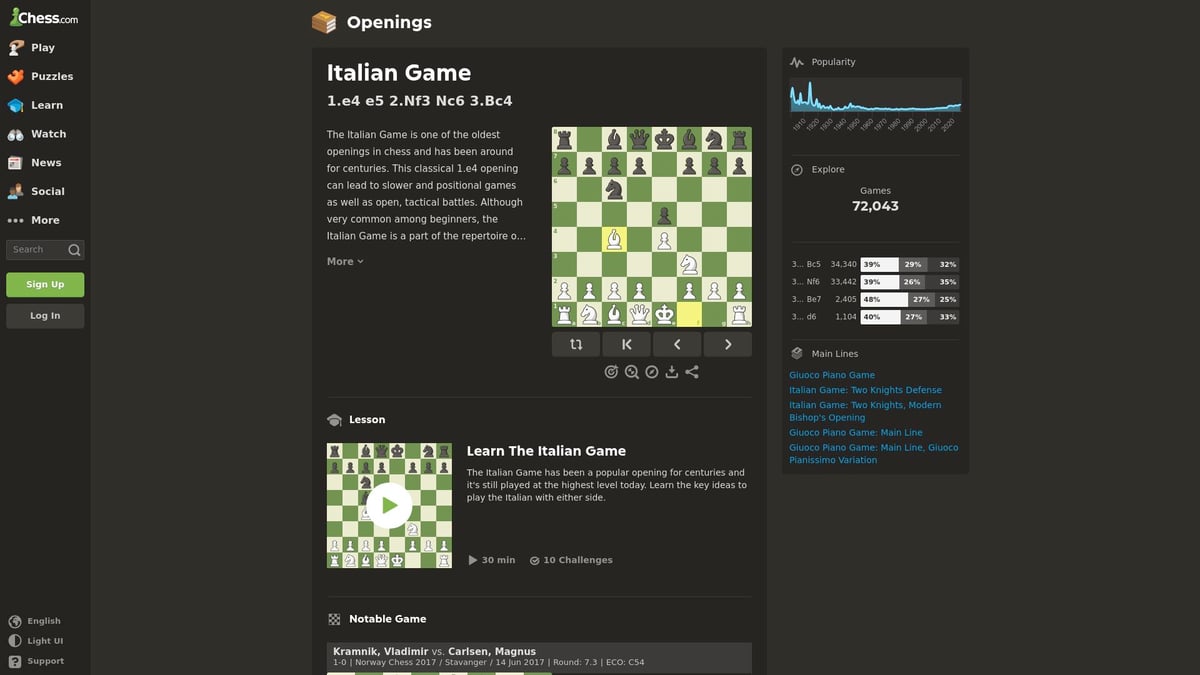
The main idea? Fast development and a direct assault on the vulnerable f7 square. Jan Pinski’s "The Italian Game and Evans Gambit" is a highly recommended book of chess moves for learning both the main lines and the sharp Evans Gambit.
The Italian Game is perfect for beginners and intermediates. You get to practice key principles—control the center, develop pieces, and castle early—without being overwhelmed by memorization.
Whether you choose the calm Giuoco Piano or the tactical Evans Gambit, you’ll find the Italian Game a friendly starting point in any book of chess moves.
The Slav Defense: d4 d5 c4 c6
The Slav Defense is a favorite of world champions who want to play it safe but still fight for an advantage. After 1.d4 d5 2.c4 c6, you’re setting up a solid wall, ready to adapt to whatever your opponent throws at you. Every modern book of chess moves covers the Slav for its reliability and flexibility.
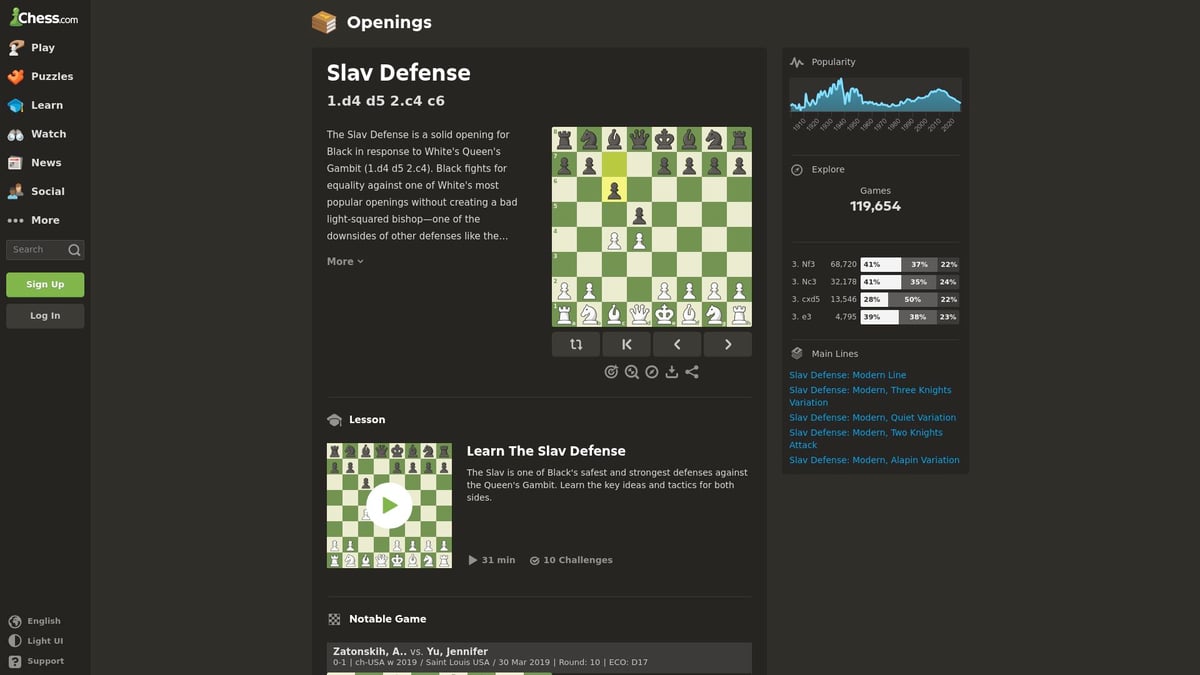
What’s special about the Slav? It’s the balance between defense and the potential to strike back. "The Slav: Move by Move" by Cyrus Lakdawala is a standout book of chess moves, guiding you through typical pawn structures and plans.
Vladimir Kramnik used the Slav Defense extensively in world championships, showing just how effective it can be at the highest level. You’ll encounter common tactical ideas, like the famous "trap in the center," as you study this move.
If you value flexibility and soundness, the Slav Defense is a key chapter in your book of chess moves.
The English Opening: c4
The English Opening is the connoisseur’s choice. With 1.c4, you’re not rushing into the center—you’re controlling it from the wings, waiting for the perfect moment to strike. Every advanced book of chess moves explores the English for its depth and versatility.
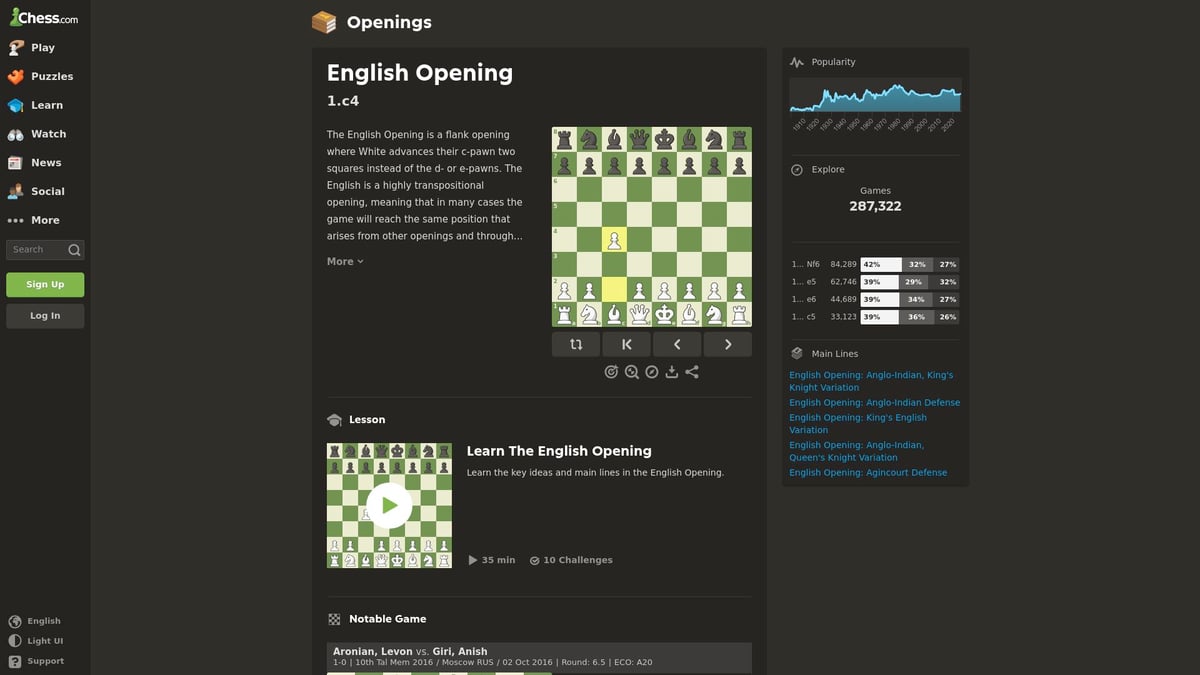
Mihail Marin’s "The English Opening" is a classic book of chess moves, revealing the secrets of flank attacks and subtle positional play. The English is beloved by players like Karpov and Botvinnik, who used it to outmaneuver their rivals with quiet strength.
The main appeal of the English is its transpositional power. You can steer the game into almost any type of position, making it a playground for creative minds.
If you want to develop a nuanced, flexible style, the English Opening is an essential part of your book of chess moves.
How to Effectively Study Chess Moves from Books
Mastering chess through a book of chess moves can feel overwhelming, but with the right approach, it becomes manageable and even enjoyable. Ever wondered why some players seem to absorb strategies so quickly? It often comes down to their study habits and how they interact with the material. The key is turning passive reading into active learning.
Step-by-Step Approach to Studying a Book of Chess Moves
Start by selecting a book of chess moves that matches your current level. Skim through the introduction to get a sense of the author's teaching style. Don’t rush—take time to understand the main ideas behind each move. As you progress, pause after each new concept and try to explain it in your own words. This active engagement helps cement the knowledge far better than just reading passively.
Next, play through each move sequence on a physical or digital board. Visualizing moves is good, but physically moving the pieces makes the patterns stick. As you work through the book of chess moves, pay close attention to the author’s annotations. These notes often reveal the “why” behind every choice, which is invaluable for deepening your understanding.
Playing Through Moves and Using Annotations
When following a book of chess moves, always have a board handy. Recreate each position, move by move. This hands-on practice builds muscle memory, making it easier to recognize patterns during real games. Make sure you understand chess notation, as it’s your roadmap throughout the book.
Annotations are your secret weapon. Grandmasters often leave clues in their notes—spotting recurring ideas can unlock powerful strategies. According to a Chess learning effectiveness study, players who combine reading with hands-on practice see up to 40% better retention than those who only read or watch videos.
Creating Notes, Repetition, and Exercises
Create your own study notes as you work through a book of chess moves. Jot down key ideas, traps, or tactical themes in a notebook or digital document. Summarize each chapter or variation in a few lines. This not only helps reinforce memory but also builds a personal reference for future study.
Repetition is crucial. Go back and replay key positions or puzzles multiple times. Try setting up the same tactical motif on your board until you can spot it instantly. Integrate related chess puzzles to test your grasp of the moves and sharpen your tactical eye.
Sample Study Schedule and Integrating Resources
Consistency trumps intensity. Here’s a sample weekly study schedule for making the most of a book of chess moves:
| Day | Activity | Time (mins) |
|---|---|---|
| Monday | Read and annotate 1 chapter | 30 |
| Tuesday | Play through positions | 30 |
| Wednesday | Take notes and summarize | 20 |
| Thursday | Solve related puzzles | 30 |
| Friday | Review previous material | 20 |
| Saturday | Play practice games | 40 |
| Sunday | Rest or review tough spots | 15 |
Mix things up by occasionally exploring online guides, like Sicilian Defense opening strategies, to see how book knowledge applies in dynamic situations. Over time, you’ll notice your pattern recognition and confidence growing with every session.
The secret to mastering any book of chess moves is steady, interactive practice. By combining reading, hands-on learning, and review, you’ll unlock the full potential of classic and modern chess wisdom.
Choosing the Right Chess Books for Your Level
Selecting the right book of chess moves can feel overwhelming, especially with so many classics and new releases out there. The secret is matching your choice to your current rating and experience. If you pick a book of chess moves that is too advanced, it might end up gathering dust. Too simple, and you will outgrow it before you know it.
So, how do you know which book of chess moves is best for you? Start by considering your own chess rating or comfort level. Are you just learning the ropes, or do you already have some tournament experience? According to Chess performance distribution analysis, understanding where you fall in the chess community can help you target books that suit your growth trajectory.
What features should you look for in a book of chess moves?
- Clear diagrams and step-by-step explanations
- Exercises at the end of each chapter
- Annotated games, not just raw move lists
- Simple notation, especially for beginners
- Engaging commentary that explains the reasoning behind each move
Let’s break down some highly rated options by level:
| Level | Recommended Book | Key Feature |
|---|---|---|
| Beginner | “Bobby Fischer Teaches Chess” | Visual explanations, puzzles |
| Intermediate | “Logical Chess: Move by Move” | Move-by-move commentary |
| Advanced | “My System” by Aron Nimzowitsch | Deep strategy, classic concepts |
For beginners, books with lots of diagrams and basic tactics are ideal. As you become more comfortable, you will benefit from books that offer annotated games and strategic commentary. Intermediate players should look for books that explain not just what to play, but why each move works. Advanced players often enjoy dense classics that challenge their understanding of theory and planning.
It is also wise to check reviews and ask for recommendations in chess communities. Sometimes, a book of chess moves might look impressive but could be too theoretical or lack practical examples. Community feedback helps you avoid common pitfalls.
A mix of classic and modern books is the best recipe for improvement. Classics lay the foundation, while modern texts reflect today’s theories and game styles. Memory plays a huge role in how well you absorb new strategies, as highlighted in Memory effects in chess study. So, choose books that fit your learning style, whether you prefer lots of puzzles, stories from grandmasters, or deep dives into opening theory.
Taking the time to select the right book of chess moves for your current level will make learning enjoyable and your progress steady. Trust your instincts, use the resources available, and remember that the best book is one that inspires you to play and improve.
So, now that you’ve seen how much depth there is to these nine essential chess moves, are you thinking about how you can turn this knowledge into real improvement? You don’t have to spend hours buried in dense books or piecing things together from random videos. If you want a shortcut to mastering these openings and building a solid foundation, why not take the next step and Start Improving Your Openings? You’ll get practical, easy-to-follow guides that cut through the noise—perfect for leveling up your game, whether you’re just starting out or aiming to dominate your next tournament.


