

Chess is a game played and loved by millions around the world, famous for its endless strategy and mental challenge. If you are new to the game, learning the right way can feel overwhelming. There are hundreds of book chess for beginners, and picking the best one can be confusing.
This guide is here to help you master chess in 2025. With so many choices, finding a book that fits your learning style is key to growing your skills and confidence.
Below, you will find seven top picks. Each book offers something unique for different needs, so you can start your chess journey with the right tools and become a confident player.

Why the Right Chess Book Matters for Beginners
If you are just starting your chess journey, you might feel overwhelmed by the sheer depth of the game. Many new players wonder, “How can I possibly keep up?” The answer often lies in finding the right book chess for beginners. Books can break down complex ideas into manageable steps, guiding you through the maze of chess concepts with clarity and confidence.
Understanding the Learning Curve
Learning chess is like climbing a mountain. At the start, every step can feel steep, and progress may seem slow. Without a structured resource, it is easy to get lost or frustrated. That is where a book chess for beginners shines. According to Chess.com insights on beginner improvement, beginners using guided materials improve up to 30% faster than those who rely solely on trial and error.
A good book introduces rules and strategies in a logical order, helping you build a solid foundation before jumping into advanced tactics. Think of it as having a personal coach in your hands, steering you past common stumbling blocks and keeping your motivation high.
What to Look for in a Beginner Chess Book
Not all books are created equal. When choosing a book chess for beginners, look for clear explanations paired with visual aids like diagrams. Progressive difficulty is key, so you steadily level up your skills without feeling overwhelmed.
Here are essential features to seek out:
- Step-by-step coverage of rules, tactics, openings, and endgames
- Real-world examples and annotated games
- Exercises and quizzes to reinforce learning
- Accessibility, such as algebraic notation and user-friendly language
You want a book that feels approachable yet comprehensive, laying out concepts in a way that sticks. The best books are those you can return to again and again as your chess understanding grows.
How Books Complement Other Learning Methods
You might ask, “Why use a book when I can watch videos or play on an app?” The truth is, a book chess for beginners serves as a lasting reference, something you can revisit whenever you hit a roadblock or want to review a concept. Books allow for deeper, focused study, letting you absorb strategies at your own pace.
Combining books with practice puzzles and online play creates a powerful learning mix. Try reading a chapter, then testing your knowledge with puzzles or friendly games online. This blend of study and real-world application makes your learning stick and helps you progress faster.
Common Pitfalls with Chess Books
Some beginners dive into books that are too complex or filled with jargon. Others pick resources with outdated notation or few practical exercises, which can make learning frustrating.
Common pitfalls include:
- Overly technical content that overwhelms new players
- Lack of hands-on exercises or clear progression
- Outdated examples not suited for modern play
Avoid these by choosing a book chess for beginners that matches your current level and learning style.
Examples of Success with the Right Book
Many players in chess communities share stories of breakthroughs after finding the perfect book chess for beginners. Some describe how a single well-structured book clarified confusing concepts and helped them win their first tournament game.
User reviews on sites like Chess.com and FiveBooks.com often highlight rapid improvement, increased confidence, and a newfound love for the game, all sparked by the right beginner book.
Top 7 Book Chess for Beginners Picks to Master the Game 2025
Choosing the right book chess for beginners can feel a bit like facing your first chessboard. So many options, so many moves, and you want to pick the best path to victory! To help you cut through the confusion, here are the top 7 handpicked resources for 2025. Each one brings something unique to the table, whether you prefer visuals, step-by-step lessons, or fun exercises.
Get ready to find the book chess for beginners that fits your learning style and sets you up for a checkmate in confidence!
Chess Cheat Sheets – Visual Guides & Cheat Sheets
If you’re a visual learner, Chess Cheat Sheets is a game-changer in the world of book chess for beginners. For a one-time payment of $20, you unlock lifetime VIP access, which means you get every update and new release forever. There’s even a free starter toolkit if you want to test the waters.
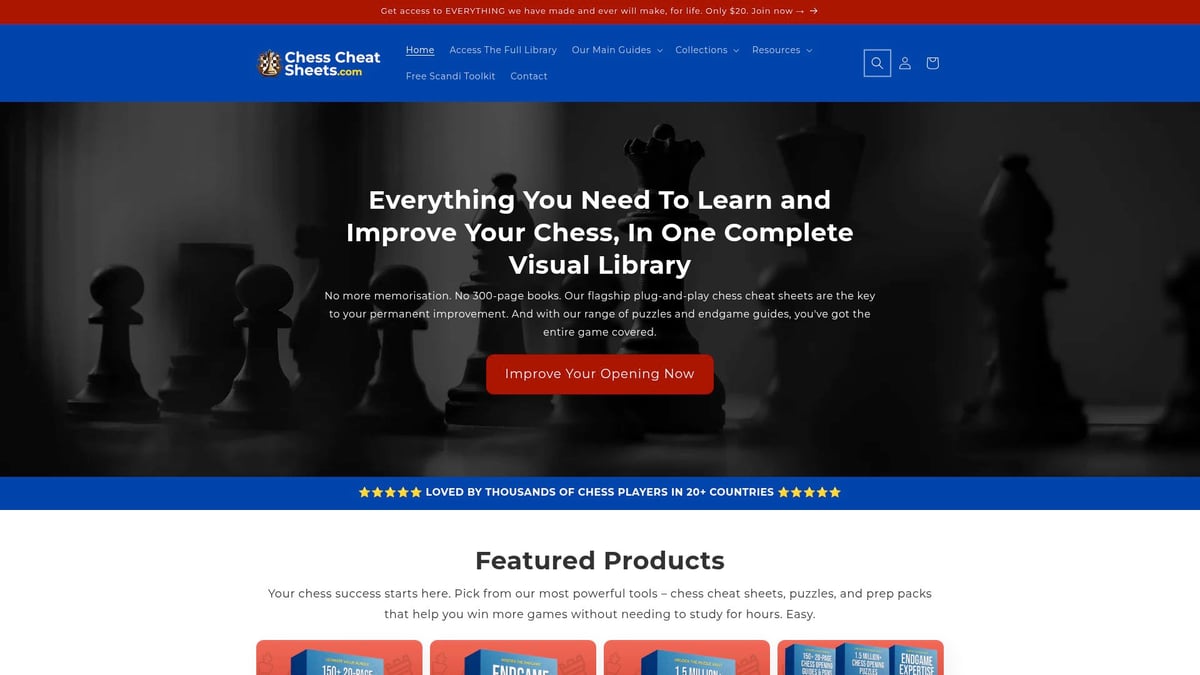
What sets this apart from a traditional book chess for beginners? The answer is its visual-first approach. You get easy-to-follow cheat sheets, interactive opening toolkits, and a puzzle vault with over 1.5 million puzzles. These resources are designed to minimize memorization and maximize practical play. If you’re prepping for a tournament or just want to speed up your learning, these tools are invaluable.
Here’s a quick look at what you get:
| Feature | Details |
|---|---|
| Format | Digital, instant access |
| Visual Aids | Yes, diagrams and cheat sheets |
| Puzzles | 1.5M+ interactive puzzles |
| Updates | Lifetime, no extra charge |
One of the biggest draws is the global community. You can connect with other learners, share tips, and stay motivated. The affordable price and risk-free trial make it easy to start. However, if you’re set on a physical book chess for beginners, the digital format might not be for you.
If you love learning through visuals, check out the Visual Chess Cheat Sheets collection to boost your chess journey. It’s perfect for quick study sessions, tournament prep, or supplementing your favorite chess book for beginners.
Bobby Fischer Teaches Chess
When you think of book chess for beginners, it’s hard to ignore a classic like Bobby Fischer Teaches Chess. This book typically costs between $7 and $15, making it one of the most affordable ways to start your chess journey.
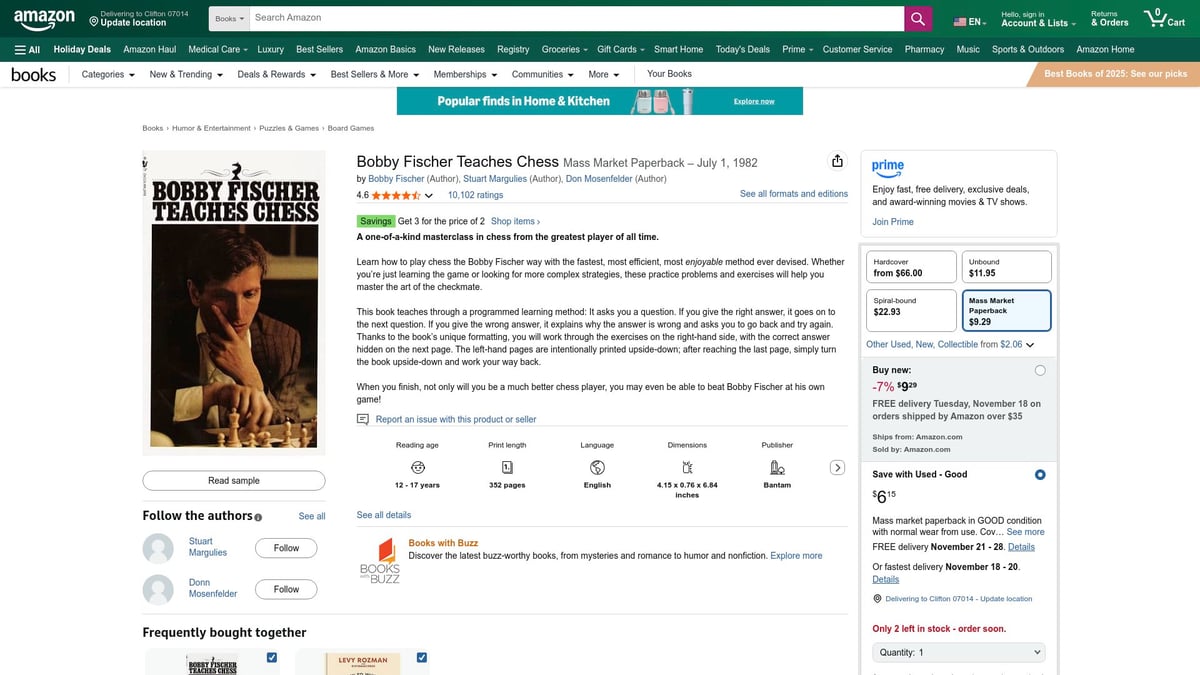
What makes this book chess for beginners stand out? It’s the interactive, step-by-step format. Each lesson builds on the last, focusing on checkmates and tactical motifs. You answer questions as you go, getting instant feedback. This hands-on approach is fantastic for absolute beginners who want to master the basics.
Why do so many new players love this book chess for beginners? First, it was created by a world champion, Bobby Fischer himself. The language is simple, and you don’t need any prior knowledge to dive right in. If you prefer to learn on your own, this book is a great companion.
Of course, there are some limitations. This book chess for beginners doesn’t cover openings or endgames in depth. Its main focus is on tactics, which is perfect for building your foundation but you’ll need to supplement with other resources as you grow.
Ideal for solo study and those who want to sharpen their tactical vision, Bobby Fischer Teaches Chess remains a must-have on any beginner’s shelf.
Learn Chess
If you’re looking for a book chess for beginners that covers all the basics with clarity, Learn Chess by John Nunn is a top contender. Priced between $10 and $20, it delivers tremendous value for both kids and adults.
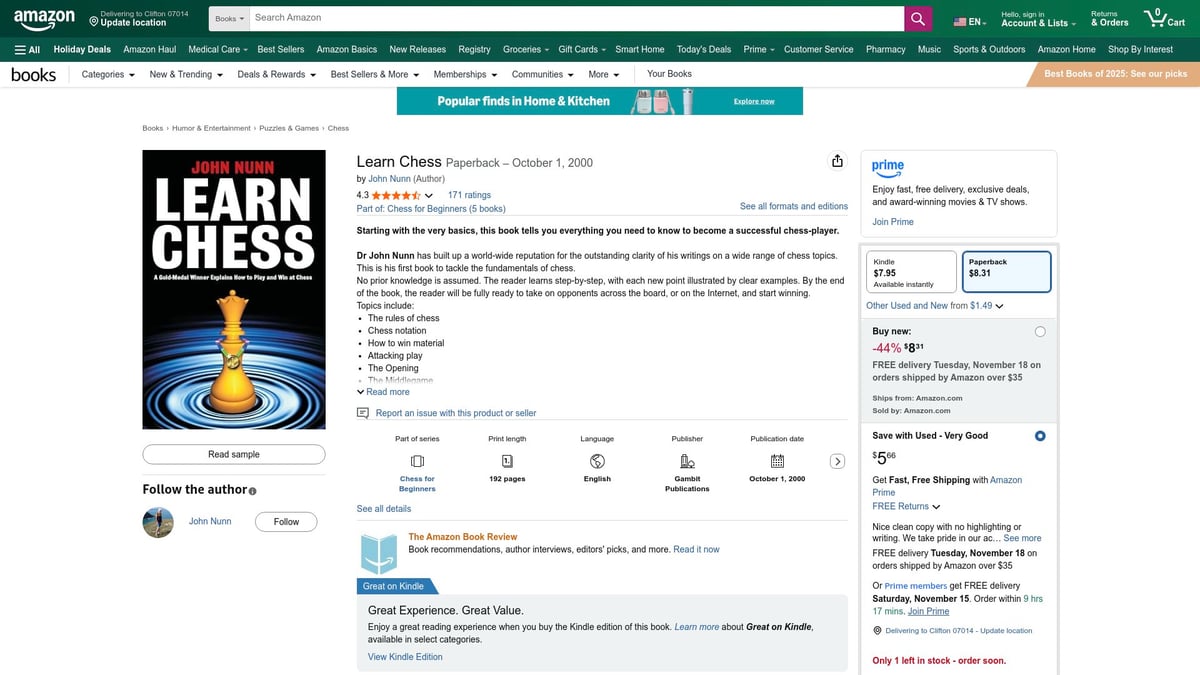
What sets this book chess for beginners apart is its logical structure and use of modern teaching techniques. Grandmaster John Nunn guides you through the rules, basic tactics, and strategic ideas. The book’s use of modern algebraic notation ensures you’re learning in the same way today’s top players do.
You'll find visual diagrams throughout, helping you connect the dots between theory and practice. Progressive exercises make it easy to track your progress and build confidence. Teachers and parents love this book chess for beginners because it works well in classrooms or at home.
While it’s comprehensive for newcomers, advanced beginners might find it a bit basic. Still, for your very first book chess for beginners, it’s hard to beat the combination of expert instruction and user-friendly design.
Pandolfini’s Ultimate Guide to Chess
Looking for a book chess for beginners that covers every phase of the game? Pandolfini’s Ultimate Guide to Chess has you covered. At $12 to $18, it’s a practical investment for anyone serious about learning.
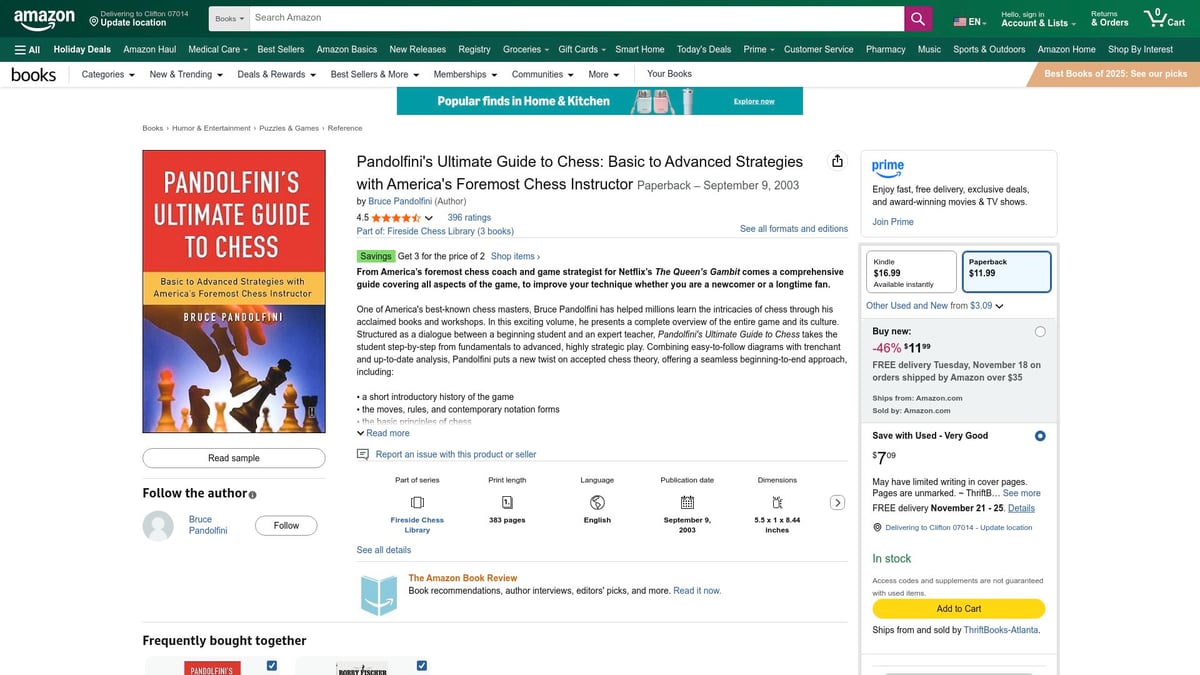
This book chess for beginners features a conversational Q&A format, making complex ideas feel approachable. Renowned coach Bruce Pandolfini offers real-world advice, annotated games, and strategies for avoiding common mistakes. Beginners and lower-intermediate players alike will find value in its well-rounded content.
One highlight is how this book chess for beginners addresses questions you might be too shy to ask. The friendly tone and practical focus make it a go-to for self-study. However, if you’re a highly visual learner, you might wish for more diagrams.
Pandolfini’s book chess for beginners is ideal for building strong fundamentals and getting answers to the questions every beginner faces.
How to Win at Chess by Levy Rozman (“GothamChess”)
If you want a book chess for beginners that feels like chatting with a friend, Levy Rozman’s How to Win at Chess is your pick. Priced between $15 and $25, it offers a modern, accessible take on the game.
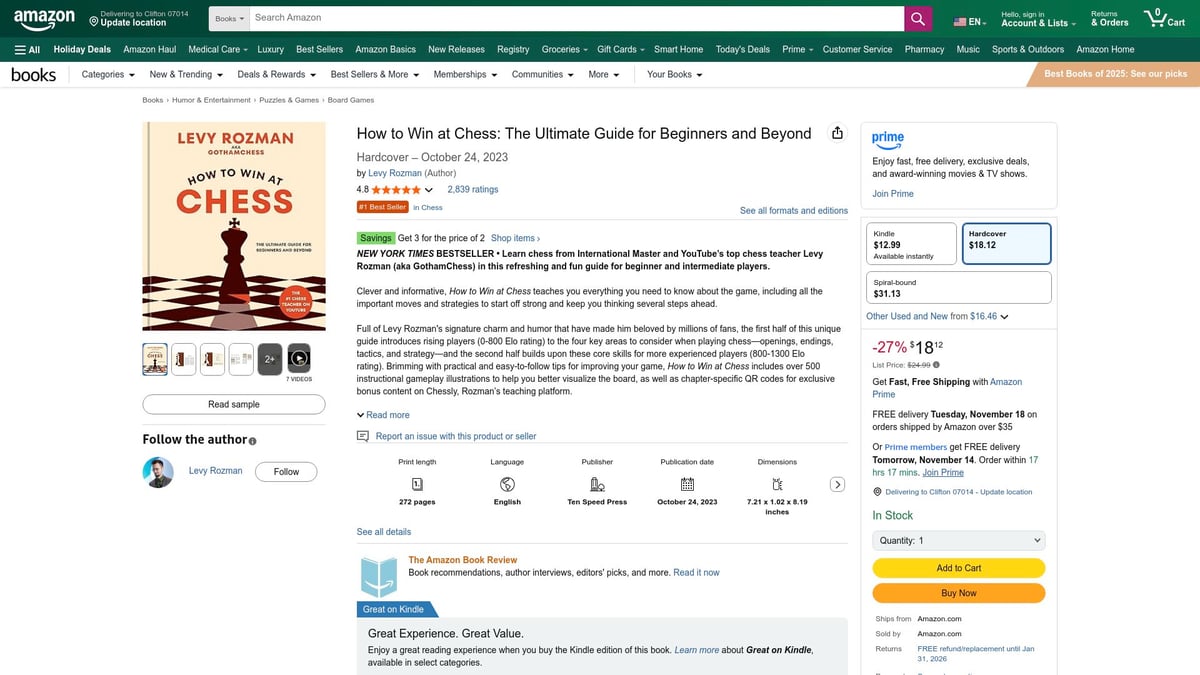
No chess notation? No problem! This book chess for beginners focuses on practical advice, mindset, and tips for playing online. Rozman, known as GothamChess on YouTube, brings his signature humor and relatable teaching style to every page. It’s perfect for absolute beginners or anyone who’s intimidated by traditional chess books.
One advantage of this book chess for beginners is its fun, informal tone. You’ll pick up useful habits, learn how to think during a game, and never feel overwhelmed by jargon. The flip side is that advanced concepts are only lightly covered, so you’ll want to supplement as you progress.
If you’re a fan of GothamChess or want to get started fast, this book chess for beginners is a fantastic launchpad.
Play Winning Chess
Ready to move beyond basic tactics? Play Winning Chess is the book chess for beginners that bridges the gap between learning the moves and understanding the deeper game. At $14 to $20, it’s a great value for players aiming to step up.

Written by Grandmaster Yasser Seirawan, this book chess for beginners explains core principles like force, time, space, and pawn structure. Annotated games help you see these concepts in action. The language is clear, and the focus is on building your strategic mindset.
If you already know the rules and a few tactics, this book chess for beginners will help you make sense of planning and positional play. It’s a natural next step for those who want to start thinking like a chess player, not just moving pieces.
One thing to note: This book chess for beginners assumes you have some basics down, and there are fewer puzzles than in other picks. But for strategy and self-improvement, it’s tough to beat.
Winning Chess Strategy for Kids
Don’t be fooled by the title—Winning Chess Strategy for Kids is a book chess for beginners that works for all ages. It sells for $16 to $22 and comes packed with hundreds of exercises and a fun, interactive format.
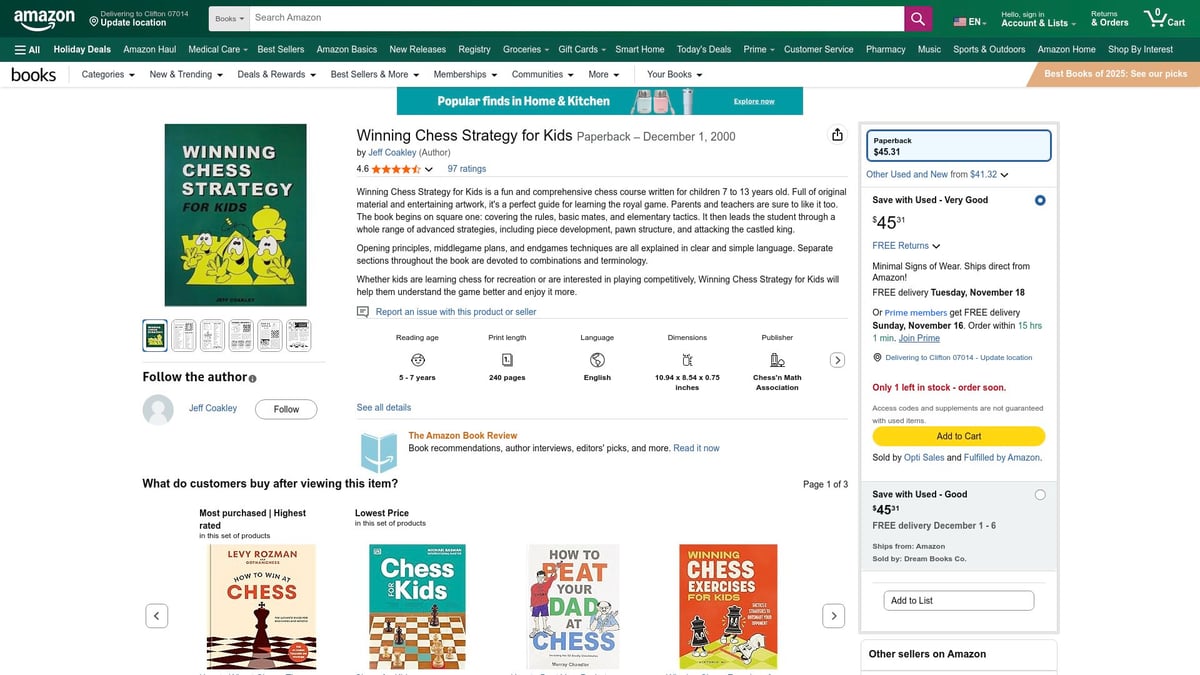
The language is kid-friendly, but adults new to chess love it too. Every concept is broken down into digestible lessons, with plenty of practice problems to reinforce your learning. Whether you’re a parent, teacher, or adult beginner, this book chess for beginners makes studying enjoyable.
The workbook style encourages hands-on learning. You can use it for family game nights, classroom activities, or solo study sessions. Some readers might find the style a bit playful, and there’s less focus on endgame theory, but as a first or second book chess for beginners, it’s a fantastic way to build confidence.
No matter your age, this book chess for beginners helps you learn by doing—and have fun along the way.
How to Maximize Your Progress with Chess Books
Feeling excited to dive into your new book chess for beginners? That’s great! But just owning the right book isn’t enough. How you study makes all the difference between casual improvement and real mastery. Let’s break down how you can get the most out of every page and chapter.
Creating an Effective Study Routine
Consistency is your best friend when starting out with a book chess for beginners. Establish a routine: set aside specific days and times for reading, solving exercises, and reviewing what you’ve learned. Even 20 minutes a day can add up quickly.
Break your learning into bite-sized goals, like finishing a chapter each week or mastering a specific tactic. Track your progress in a notebook or app. For a solid foundation, try using resources like the How to Play Chess Cheat Sheet alongside your book. Combining different materials helps reinforce core concepts and keeps things interesting.
Leveraging Book Features for Rapid Improvement
Don’t just read your book chess for beginners passively—engage with it! Focus on annotated games, which show you how strong players think. Complete every exercise at the end of each chapter, and use diagrams to visualize moves and plans.
To really internalize new strategies, practice similar positions on a board or online. If your book suggests puzzles, supplement with digital resources such as the Improve Your Positional Skills guide. This approach helps turn theory into practical skill, making every lesson stick.
Integrating Modern Tools with Traditional Books
Pairing your book chess for beginners with today’s tech gives you a huge advantage. Chess apps and online puzzle platforms are perfect for practicing what you’ve learned from the book in real time. Try analyzing your own games online, then revisit related chapters to connect theory with practice.
Join online chess communities to discuss book concepts, ask questions, and share your progress. Digital versions or audiobooks make it easy to study on the go, whether you’re commuting or relaxing at home. Mixing formats keeps learning fresh and flexible.
Common Mistakes to Avoid
It’s easy to stumble when learning from a book chess for beginners. Watch out for these common pitfalls:
- Skipping the basics and jumping to advanced chapters
- Memorizing moves instead of understanding ideas
- Ignoring mistakes or not seeking feedback
- Not revisiting tough chapters
Stay patient. Building chess skills is a marathon, not a sprint. Always review your errors and ask for help when stuck. Remember, progress comes from understanding, not just repetition.
Examples of Successful Study Plans
Here’s a sample weekly plan to help you organize your study with a book chess for beginners:
| Day | Activity |
|---|---|
| Monday | Read one chapter |
| Tuesday | Solve end-of-chapter exercises |
| Wednesday | Play practice games online |
| Thursday | Review mistakes and revisit concepts |
| Friday | Try a puzzle or quiz |
| Weekend | Discuss with friends or community |
Many players in chess forums say that this blend of reading, practice, and discussion led to steady improvement and more confidence at the board. Find a routine that fits your lifestyle and stick with it.
Frequently Asked Questions about Chess Books for Beginners
Are you feeling overwhelmed when choosing the right book chess for beginners? You’re not alone. Here are answers to the most common questions new players have.
What’s the best way to choose a book chess for beginners for my skill level?
Start by checking if the book covers the basics with clear explanations, diagrams, and practical exercises. Make sure it uses modern notation and matches your learning style, whether that’s visual, hands-on, or story-based. Look for recommendations from trusted chess educators or community favorites.
How long should I spend on each book before moving to the next?
Focus on mastering key concepts, not just finishing pages. Everyone’s learning curve is different, but most benefit from reviewing chapters multiple times and practicing regularly. If you’re curious about how skill mastery evolves, check out this overview of the learning curve in skill acquisition.
Are digital resources as effective as physical books?
Absolutely! Many book chess for beginners options are available in both formats. Digital books are portable and often interactive, while print books can be easier to annotate. Try both to see which keeps you more engaged.
Can kids and adults use the same beginner chess books?
Yes, most beginner books are designed for all ages. Some titles use playful language or cartoons for kids, but the core lessons apply to adults too. If you’re learning together as a family, look for books with lots of exercises and simple language.
Do I need to learn chess notation to benefit from these books?
Not always. Some book chess for beginners titles skip notation or introduce it gradually. Understanding algebraic notation eventually helps you read more books and follow games, but you can start learning tactics and strategy right away.
How do I know if I’m ready for intermediate-level materials?
If you consistently solve beginner puzzles and understand basic tactics, you might be ready to move up. Want to check your progress? Try the Chess Openings Quiz for Beginners to see if you’ve mastered key concepts.
What if I get stuck or lose motivation while studying?
It’s normal to hit a roadblock! Change up your routine, join an online chess group, or revisit earlier chapters. Sometimes a new perspective or a quick win from a puzzle can reignite your enthusiasm for book chess for beginners.
So, now that you’ve got a shortlist of the best chess books for beginners and a grip on how to make real progress, why not take your next step with extra support? If you want to build a strong opening foundation (and who doesn’t want to stop losing in the first 10 moves?), there’s a free resource you can grab right now. It’s packed with practical insights to boost your confidence and help you apply what you’re learning from these books. Curious? You can Get your FREE Scandinavian Defense Opening Toolkit (worth £30) and start seeing results even faster.


