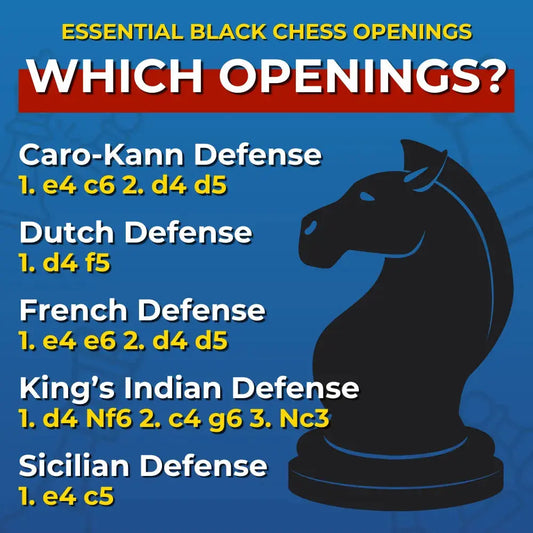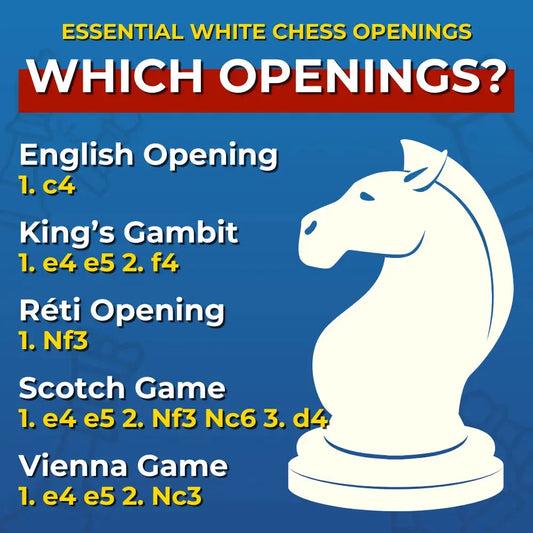
Are you looking to unlock your full chess potential and rise above the competition in 2026? Whether you’re a beginner aiming for consistency or a seasoned player chasing mastery, this essential guide uncovers the best way to play chess. You’ll discover time-tested principles, modern tactics, and digital resources designed to fit every stage of your chess journey. Inside, you’ll find actionable steps, expert advice, and the latest tools to help you improve rapidly. Ready to take your game to the next level? Let’s dive in and start your path to chess mastery.
Understanding the Fundamentals: Chess Basics for 2026
Ready to uncover the best way to play chess from the ground up? Mastering chess in 2026 starts with a rock-solid grasp of the basics. Whether you are just learning or refreshing your foundation, these next steps will set you up for success and give you the confidence to tackle more advanced strategies later.
Key Rules and Board Setup
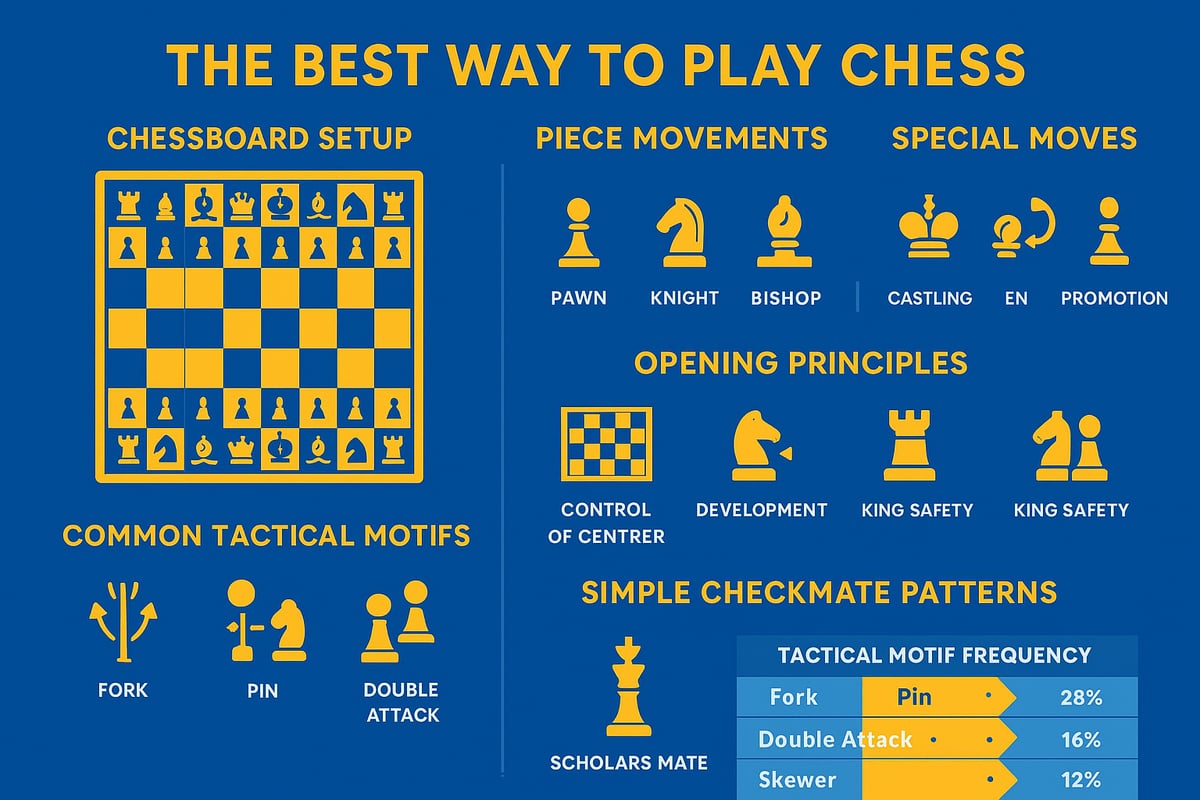
Understanding the board is the first step in finding the best way to play chess. The chessboard has 64 squares, alternating light and dark, arranged in eight rows and columns. Each player starts with sixteen pieces: king, queen, two rooks, two bishops, two knights, and eight pawns, all set up on the first two ranks.
Special moves make chess unique. Castling lets you move your king and rook at the same time, improving safety. En passant is a rare pawn capture, while pawn promotion can turn a pawn into a queen, rook, bishop, or knight. FIDE occasionally updates rules, so staying current is important. If you want a step-by-step visual guide, check out the How to Play Chess Cheat Sheet for a quick and clear overview.
Here's an example of legal kingside castling:
1. e4 e5
2. Nf3 Nc6
3. Bc4 Bc5
4. O-O
Take time to practice setting up the board and making these moves until they feel automatic.
Opening Principles and Development
Looking for the best way to play chess in the opening? Focus on controlling the center squares (e4, d4, e5, d5). Develop your minor pieces—knights and bishops—quickly, aiming to get them off the back rank and into active positions. Avoid moving the same piece repeatedly in the opening unless necessary.
A classic example is the Italian Game:
1. e4 e5
2. Nf3 Nc6
3. Bc4 Bc5
This setup helps you control the center and prepare for safe castling. Stick to opening principles rather than memorizing long move sequences. It is a great way to learn flexibility and adaptability, which is the best way to play chess for long-term growth.
Essential Tactics Every Player Must Know
Tactics are the secret weapons in the best way to play chess. Pins, forks, skewers, and discovered attacks show up in nearly every game. Here’s a quick list to remember:
- Pin: Piece cannot move without exposing a more valuable piece.
- Fork: One piece attacks two or more targets.
- Skewer: A valuable piece is attacked, and when it moves, a less valuable piece is captured.
- Discovered Attack: Moving one piece reveals an attack by another.
Recent data from Lichess and Chess.com shows that forks and pins are the most common tactical motifs in games below 1500 ELO.
| Motif | Frequency (%) |
|---|---|
| Fork | 38 |
| Pin | 25 |
| Skewer | 15 |
| Discovered Attack | 12 |
| Other | 10 |
Spotting these patterns quickly is the best way to play chess at any level.
Understanding Check, Checkmate, and Stalemate
Recognizing when the king is under attack, or "in check," is crucial to the best way to play chess. Delivering checkmate means trapping your opponent’s king with no legal escape. Classic patterns include the back rank mate and the smothered mate, which pop up often in real games.
Stalemate occurs when a player has no legal moves but is not in check. It is a common trap, especially in fast games, so watch for situations where you might accidentally give your opponent a draw instead of a win. Practice checkmate patterns regularly to make finishing games easier.
The Value of Piece Coordination
The best way to play chess involves getting your pieces to work together. Coordination means arranging your pieces so they support each other and can attack or defend as a team. For example, a queen and bishop battery creates powerful threats along diagonals and files.
If you notice your pieces are scattered or not defending each other, pause and look for ways to regroup. Good coordination often turns a small advantage into a winning position. Next time you play, focus on how your pieces interact and support each other.
Notation and Game Recording
Recording your moves is a habit that separates casual players from those who truly want to improve. Algebraic notation is the standard, using letters and numbers to describe each move (like Nf3 or Qd4). Writing down your games lets you review mistakes, spot patterns, and track your progress over time.
Reviewing your own games is a key part of the best way to play chess. It helps you catch recurring errors, notice missed opportunities, and cement new ideas. Even if you only jot down the moves, you are building a valuable resource for your journey.
Building a Winning Strategy: Step-by-Step Guide
Do you want to crack the code for the best way to play chess in 2026? Building a winning strategy is all about understanding each phase of the game and applying the right techniques. Let’s break it down step by step, so you can boost your confidence and performance at any level.
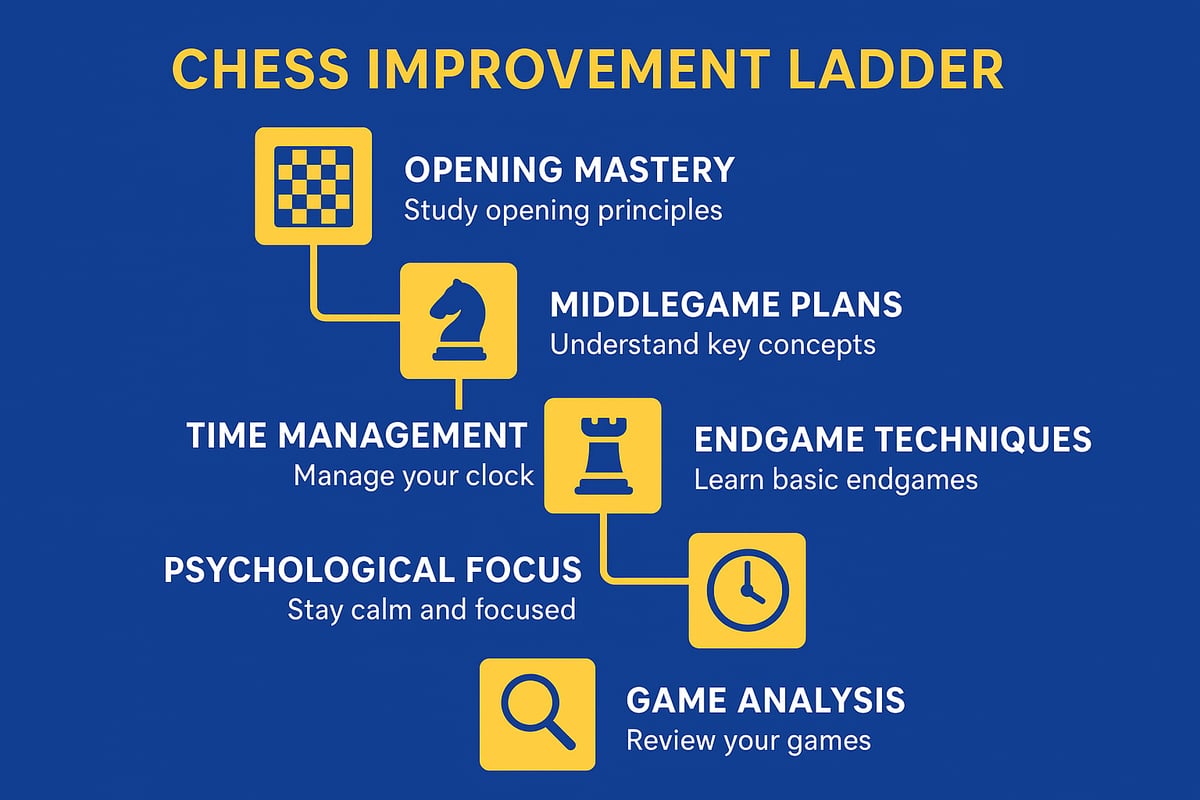
Step 1: Mastering the Opening Phase
If you want the best way to play chess, start by choosing a solid opening repertoire. Openings set the tone for your entire game. Focus on understanding core principles rather than memorizing long lines.
Control the center with your pawns and develop your minor pieces quickly. Don’t move the same piece twice without a good reason. For a reliable system, many club players use the London System or Italian Game, both of which emphasize fast development and king safety.
To deepen your knowledge, check out Master Chess Openings for visual guides and practical tips. Remember, the best way to play chess is to build a strong foundation from move one.
Step 2: Navigating the Middlegame
The middlegame is where plans and tactics come together. The best way to play chess here is to assess pawn structures and look for opportunities to create threats. Ask yourself, what is my opponent’s weakness? Can I improve my piece activity or launch an attack?
Learning motifs like pins, forks, and discovered attacks will help you gain material or positional advantages. For example, a minority attack in the Carlsbad structure can give you long-term pressure on your opponent’s pawns.
Keep your eyes open for tactical shots, but also think about your long-term strategy. The best way to play chess in the middlegame is to balance aggression with solid planning.
Step 3: Dominating the Endgame
Many games are decided in the endgame, so knowing basic checkmates and king-pawn endings is crucial for the best way to play chess. Practice essential positions like the Lucena and Philidor to convert advantages into wins.
Here’s a quick table of common endgames club players struggle with:
| Endgame Type | Key Idea |
|---|---|
| King + Pawn vs King | Promote pawn |
| Rook vs Pawn | Cut off king |
| Lucena Position | Bridge building |
Most missed endgames involve improper king activity or pawn pushes. To improve, study patterns and play out endgames against the computer. The best way to play chess is to never overlook the power of a strong finish.
Step 4: Time Management and Clock Skills
Managing your time is a silent weapon. The best way to play chess, especially in rapid or blitz, is to balance speed with accuracy. Use your time wisely in critical positions, but avoid getting into time trouble.
Try increment time controls, which give you extra seconds after each move. This can help you avoid blunders when the clock is ticking down. Practice making fast, safe moves in the opening, and use your time for tough decisions later.
Here’s a tip: If you’re ahead on time, use the pressure to your advantage. The best way to play chess under time constraints is to stay calm and keep your focus sharp.
Step 5: Psychological Preparation and Focus
Chess is as much a mental game as a tactical one. The best way to play chess during high-pressure moments is to control your nerves and stay focused. Techniques like deep breathing or short mindfulness breaks can make a big difference.
Before an important game, take a few deep breaths, close your eyes, and visualize your plan. This helps settle your mind and prepares you for complex situations.
Remember, even top players feel nervous. What sets them apart is their ability to stay cool under fire. The best way to play chess confidently is to trust your preparation and keep a positive mindset.

Step 6: Analyzing and Learning from Your Games
The journey to improvement never ends. The best way to play chess is to review your games, spot mistakes, and learn from them. After each game, ask yourself: Where did things go right or wrong?
Use chess engines or databases for objective analysis, but also annotate your games in your own words. This active review helps the lessons stick. Try to find recurring patterns in your play and set goals for your next session.
By making analysis a habit, you’ll see steady progress. The best way to play chess is to treat every game as a chance to grow, not just to win.
Leveraging Modern Chess Tools and Technology
Ready to take your skills to the next level? In 2026, the best way to play chess is all about embracing the latest tools and technology. Whether you’re a beginner or a seasoned player, these digital resources can supercharge your improvement and make every game more enjoyable.
Chess Engines and Analysis Software
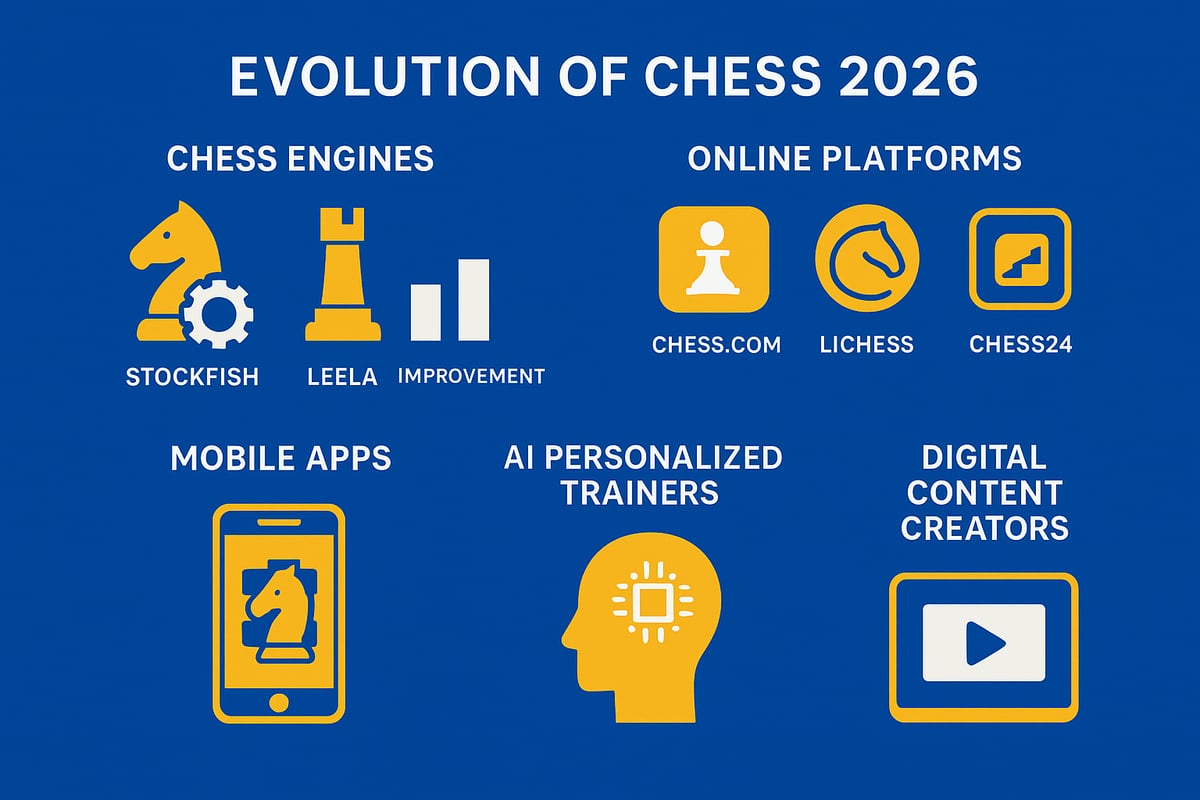
Ever wondered how grandmasters spot hidden tactics? The answer often lies in powerful chess engines. In 2026, Stockfish, Leela Chess Zero, and Komodo remain the top choices for post-game analysis. These engines help you understand your mistakes, spot missed opportunities, and break down complex positions.
Using a chess engine after your games is the best way to play chess if you want fast, targeted improvement. You can even set up positions and let the engine suggest the strongest continuations. Titled players rely on these tools, with recent stats showing over 90 percent use engines for detailed analysis.
Online Platforms for Play and Training
If you’re searching for the best way to play chess online, today’s platforms offer more than just casual games. Chess.com, Lichess, and Chess24 dominate the scene, each with unique features like puzzle trainers, video lessons, and daily tournaments. In 2026, new platforms are emerging, offering even more interactive experiences.
Here’s a quick comparison:
| Platform | Notable Feature | Tournaments | Lessons |
|---|---|---|---|
| Chess.com | Puzzle Rush, Drills | Yes | Yes |
| Lichess | Open-source, Free | Yes | Yes |
| Chess24 | Pro Events, Commentary | Yes | Yes |
Exploring these platforms is the best way to play chess if you want to train, compete, and connect with a global community.
Mobile Apps and On-the-Go Training
Want to squeeze in practice during your commute or lunch break? Mobile apps are now a vital part of the best way to play chess. The top apps for iOS and Android let you solve tactics, review openings, and even play offline when the internet is out of reach.
Many apps offer spaced repetition, which helps you remember tactical patterns long-term. You can customize your training, focus on weak spots, and track your progress. With mobile tools, chess improvement fits easily into your daily routine.
AI and Personalized Training Programs
Artificial intelligence has changed the best way to play chess forever. Modern AI tools analyze your games, identify your unique weaknesses, and build custom training plans just for you. Adaptive trainers adjust the difficulty as you improve, so you’re always challenged but never overwhelmed.
Recent data shows players using AI-guided training improve their ratings significantly faster than those using traditional methods. Imagine having a personal coach available 24/7—AI brings that level of support to your fingertips.
Digital Resources and Video Content
Learning from top players is easier than ever. Digital resources, including YouTube channels, Twitch streamers, and online courses, are a core part of the best way to play chess in 2026. You can watch live commentary, follow lesson series, or binge quick tips from your favorite creators.
Popular content creators use different teaching styles, so you’ll find someone who matches your vibe. Whether you prefer in-depth analysis or bite-sized tactics, there’s a resource for everyone. Dive into these digital libraries to make your study both fun and effective.
Advanced Tactics and Strategies for Competitive Play
If you want to uncover the best way to play chess at the highest level, you need more than just basic tactics and opening knowledge. Competitive chess in 2026 is a battlefield of innovation and psychological warfare. Let’s break down the advanced strategies that can give you the edge.
Deepening Opening Preparation
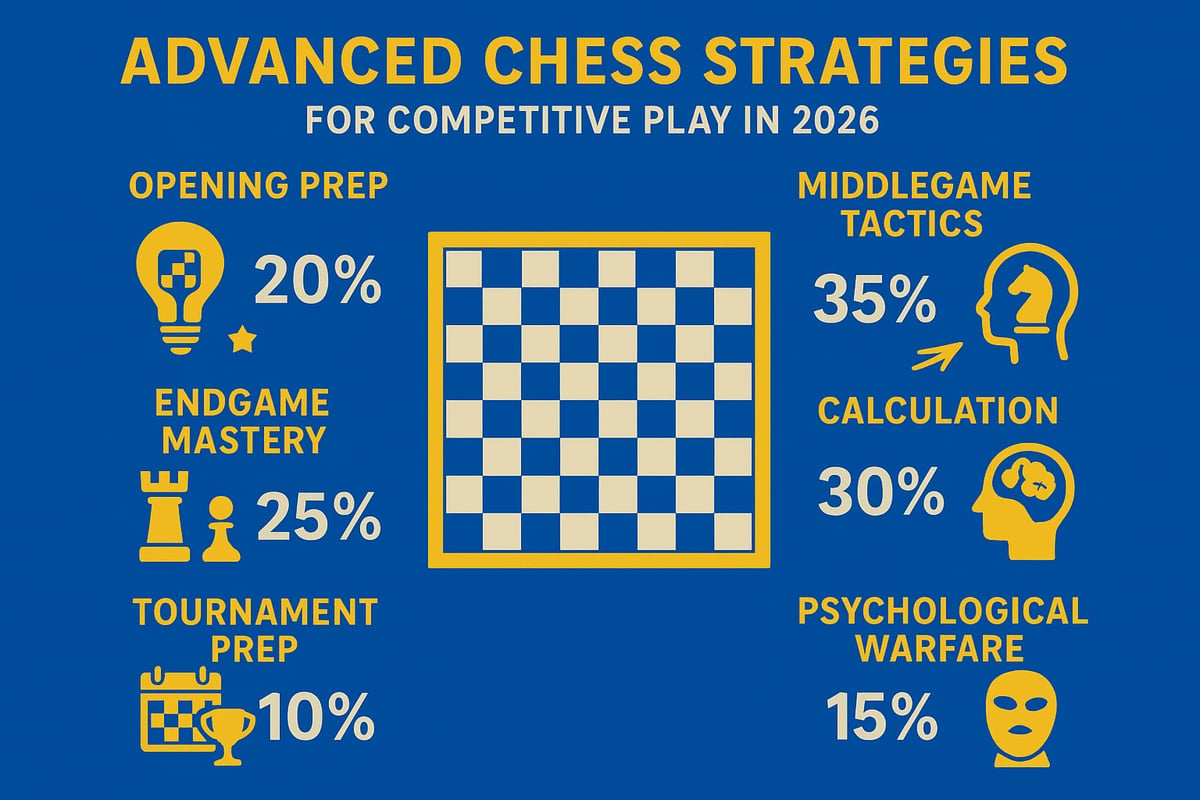
Preparation is a crucial part of the best way to play chess, especially at a competitive level. It’s not just about memorizing lines, but understanding the ideas behind them and anticipating your opponent’s tendencies.
Modern players use databases, game engines, and even AI to research their rivals and uncover fresh opening novelties. For instance, a surprise move in the Sicilian Defense caught the chess world off guard during the 2025 Candidates Tournament. If you’re aiming for high-stakes events, make sure you stay updated on FIDE's 2026 Candidates Tournament Qualification Changes, as new paths can affect your preparation strategies.
Try preparing a few surprise lines or deviations in your favorite openings. This makes it harder for opponents to predict your play and gives you a psychological advantage from move one.
Mastering Complex Middlegame Themes
To unlock the best way to play chess, you have to go beyond simple tactics and embrace deep positional understanding. Middlegame strategy is about identifying imbalances, anticipating threats, and planning several moves ahead.
Study themes like prophylaxis (preventing your opponent’s plans), maneuvering your pieces to ideal squares, and exploiting weaknesses such as color complexes. For example, targeting weak dark squares around the enemy king can lead to a crushing attack.
Elite players use databases of recent games to spot which middlegame plans are scoring well in current tournaments. Make it a habit to analyze games by top grandmasters for inspiration.
Endgame Mastery Beyond Basics
Many players overlook the endgame, but it’s a cornerstone of the best way to play chess. Advanced endgame knowledge means you can convert small advantages and save difficult positions.
Focus on tricky rook endgames, fortress defenses, and the art of creating zugzwang. Carlsen’s resourcefulness in endgames is legendary, often turning tiny edges into victories in World Championship matches.
Practice classic endgame studies, but also review your own games to spot missed opportunities. This sharpens your technique and builds confidence for tournament play.
Pattern Recognition and Calculation Skills
Top-level chess is about seeing patterns quickly and calculating accurately. The best way to play chess involves training your brain to spot tactical motifs and visualize complex positions several moves ahead.
Blindfold exercises are a fun way to develop calculation skills. Try visualizing a simple checkmate or replaying famous combinations in your mind. Over time, your intuition for tactical shots will grow.
Use puzzle rush challenges and timed exercises to boost your calculation speed. This helps you stay sharp in both rapid and classical formats.
Preparing for Tournaments and Rated Play
A well-structured study plan is essential for the best way to play chess in competitive settings. Start by reviewing your opening repertoire, then focus on tactics and endgames in the weeks leading up to an event.
Manage your energy by scheduling rest breaks and keeping a consistent sleep routine. Top grandmasters often have pre-game rituals, such as reviewing key lines or practicing breathing exercises, to enter each round with a clear mind.
After each game, jot down quick notes about your thoughts and feelings. This helps you adjust your strategy and maintain peak performance throughout the tournament.
Understanding Psychological Warfare
Psychology plays a huge role in the best way to play chess, especially in high-pressure matches. Sensing your opponent’s emotions, exploiting time trouble, and using bluffing tactics can all tip the balance.
Watch for body language cues like nervous fidgeting or rapid glances at the clock. Legendary players have won games by projecting confidence or inducing errors through subtle psychological tricks.
Stay calm under pressure by practicing mindfulness and focusing on your breathing. Over time, you’ll develop the mental resilience needed to outlast your toughest rivals.
Training, Improvement, and Staying Ahead in 2026
Improvement in chess is a journey, not a sprint. If you're searching for the best way to play chess in 2026, you need to blend proven strategies with new-age resources and a growth mindset. Let’s break down the essential steps to keep your chess skills sharp and your motivation high this year.
Setting Realistic Goals and Tracking Progress
Ready to level up your game? Start by setting SMART goals: Specific, Measurable, Achievable, Relevant, and Time-bound. For example, you might aim to raise your online rating by 100 points or solve 50 tactics puzzles each week.
Tracking progress is the best way to play chess with intention. Most platforms, like Chess.com and Lichess, offer performance stats and graphs. Use these tools to spot trends, celebrate milestones, and adjust your focus as needed. Want a quick comparison of progress tracking features? Check out the table below:
| Platform | Progress Graphs | Puzzle Tracking | Game Analysis |
|---|---|---|---|
| Chess.com | Yes | Yes | Yes |
| Lichess | Yes | Yes | Yes |
By reviewing your metrics regularly, you’ll always know where you stand and what to improve.
Effective Practice Routines
Consistency is the secret ingredient in the best way to play chess. Instead of marathon sessions, try shorter, focused bursts. A sample weekly routine might include:
- 3 days of tactics practice (20–30 minutes)
- 2 days of opening review (15 minutes)
- 2 days of playing rapid games (30–45 minutes)
- 1 day of endgame study (20 minutes)
Mix and match based on your schedule. The key is variety and regularity. Many top players recommend balancing tactics, openings, endgames, and game reviews for steady progress. If you ever feel stuck, switch up your routine to keep things interesting.
Working with Coaches and Mentors
If you want to accelerate your improvement, personalized guidance is often the best way to play chess. Coaches can pinpoint your weaknesses, provide targeted exercises, and offer encouragement when you need it most.
Finding the right coach is easier than ever in 2026. Online platforms and local chess clubs connect you with experienced trainers worldwide. Curious about how to start? The Coaches and Chess Clubs page is packed with resources to help you find a mentor and join supportive communities.
Many players share success stories about rapid rating jumps after just a few sessions with a coach. Even occasional feedback can make a huge difference in your journey.
Joining Clubs, Leagues, and Online Communities
Chess is more fun—and motivating—when you’re part of a community. If you’re searching for the best way to play chess and stay engaged, consider joining a club or online league.
Local clubs offer in-person tournaments, lectures, and social games. Online, you’ll find vibrant communities on Discord, Reddit, and chess platforms. These groups host leagues, thematic tournaments, and study sessions. Not sure where to look? The Coaches and Chess Clubs directory is a great starting point to connect with others who share your passion.
Friendly competition and peer support make training more enjoyable and help you stay committed to your goals.
Using Books, Courses, and Supplementary Materials
Diving into books and courses is another cornerstone of the best way to play chess. There are resources for every level and learning style, from illustrated guides for beginners to deep-dive video series for advanced players.
In 2026, interactive e-books, video lectures, and puzzle collections are more accessible than ever. Look for recommendations from trusted players or coaches. Blending traditional study with digital tools gives you a well-rounded chess education.
If you’re unsure where to start, try mixing one classic chess book with an online course and see which format helps you learn best.
Avoiding Burnout and Maintaining Enjoyment
Even the best way to play chess won’t help if you’re not having fun. Burnout can creep in after too many serious sessions, so it’s important to keep things fresh.
Listen to your body and mind. If you notice fatigue, take a break or switch to casual games with friends. Try alternate formats like chess variants or puzzle rush to add variety. Remember, improvement happens over time, and enjoyment is key to long-term success.
Mixing play, study, and relaxation ensures chess remains a source of joy—not stress. Stay curious, celebrate small wins, and you’ll keep growing year after year.
The Future of Chess: Trends and Innovations for 2026
Curious about what the future holds for chess? If you want to discover the best way to play chess as we head into 2026, it’s time to look at the game’s next big trends. Let’s dive into the innovations reshaping how you learn, play, and connect in the chess world.
Rise of Hybrid Chess Formats
Chess tournaments are evolving, blending physical boards with digital competition. In 2026, hybrid events allow players to compete from anywhere, yet still feel the excitement of in-person play. Imagine sitting at your local club, facing an opponent miles away, while a digital arbiter ensures fairness.
This format is quickly becoming the best way to play chess for those who value flexibility and accessibility. Hybrid tournaments bring together global talent without the cost or hassle of travel. Even major events, like the World Chess Hybrid Cup, are setting new standards for engagement and inclusivity.
Players now benefit from faster pairings, real-time monitoring, and instant game analysis. Hybrid formats make chess more dynamic, opening doors for everyone to participate.
AI’s Expanding Role in Chess Improvement
Artificial intelligence is transforming how players train and improve. AI-powered coaches offer personalized feedback, pointing out your unique strengths and weaknesses. Adaptive learning programs adjust the difficulty of puzzles and lessons to match your skill level.
For many, the best way to play chess now involves using AI tools. These programs analyze your games, suggest targeted exercises, and even predict your opponent’s moves. Real-time hints and move evaluations are now available during practice, making each session more productive.
Studies show that juniors using AI-guided training improve faster than those relying on traditional methods. The future is about smarter, not just harder, practice.
Accessibility and Global Chess Growth
Chess is reaching more people than ever before. In 2026, educational programs and online platforms are breaking down barriers, bringing the game to schools and underserved regions worldwide. Digital boards, free lessons, and community events make learning chess possible for all ages and backgrounds.
A major driver of this change is FIDE's 2026 Chess in Education Initiative. This project aims to put chess in classrooms across the globe, teaching critical thinking and problem-solving skills. As a result, the best way to play chess is becoming more accessible, with resources tailored for every learner.
Chess is no longer just for the elite. With new outreach efforts, everyone gets a seat at the board.
New Frontiers in Chess Broadcasting and Spectatorship
Watching chess is more interactive than ever. Augmented reality boards and live data overlays pull viewers into the heart of the action. In 2026, top tournaments feature real-time move explanations, 3D board visualizations, and instant replays.
Chess broadcasts are embracing eSports-style production, complete with energetic hosts and live chats. This shift makes following your favorite grandmasters feel like watching a major sporting event. For many fans, the best way to play chess includes not just competing, but also engaging with these immersive broadcasts.
Spectators can now join online polls, solve puzzles during downtime, and interact with commentators, turning passive watching into active learning.
Gender and Diversity Initiatives
The chess community is embracing inclusion, with new programs supporting women and underrepresented groups. Efforts in 2026 focus on mentorship, scholarships, and dedicated tournaments. These changes are helping to close participation gaps and create a more welcoming environment for all.
Data from recent years shows a steady rise in female and minority participation at major events. For many, the best way to play chess now includes joining supportive communities where everyone can thrive.
Diversity initiatives are not just about numbers—they’re about changing the culture of chess for the better.
Chess and Cognitive Science
Chess is more than a game—it’s a workout for the brain. Recent studies link regular play to improved memory, concentration, and academic performance. In 2026, researchers are exploring how chess affects cognitive development, especially in young learners.
Many schools use chess as a tool for teaching logical reasoning and patience. If you’re looking for the best way to play chess for mental fitness, integrating study with play is key.
The science is clear: chess sharpens the mind and fosters lifelong skills.
The Evolving Chess Community
Online communities are booming, with influencers and streamers bringing chess to new audiences. Platforms like Twitch, YouTube, and Discord host daily tournaments, lessons, and friendly banter. The sense of belonging is stronger than ever.
For many, the best way to play chess is now about more than winning—it’s about connecting, sharing, and growing together. The global chess family welcomes everyone, from beginners to seasoned pros.
As you step into 2026, you’ll find countless ways to get involved, learn, and enjoy the game’s vibrant culture.
So, you’ve made it this far—pretty awesome, right? I know how overwhelming it can feel to put all these strategies into practice, especially when you’re eager to make real progress in your chess game for 2026. If you’re like me, you want something practical that saves you time, cuts through the noise, and actually helps you see results. Why not make your journey a little easier? If you’re ready to jumpstart your chess improvement and master openings without memorizing endless lines, you should definitely Start Improving Your Openings. Your best chess is just a click away!